

Reviewed · HIROSHIMA TOURS
Hiroshima:Visit Tourist Pass(1, 2, 3day and 3day middlearea)
Hiroshima is unusually easy to explore by public transport, and this pass puts the city’s streetcars, buses, and Miyajima ferries under one ticket. You can reach the Atomic Bomb Dome, Peace Memorial Park, central Hiroshima, and the island of Miyajima without stopping to calculate each fare. I like the freedom to hop off whenever something catches your eye, and I like that the ferry ride to Miyajima is included on two operators.
The main catch is simple: you need to do the maths. A short Hiroshima stay with only a few rides may not save money, and the pass does not cover JR trains, the airport limousine bus, highway buses, or every local bus. Redemption can also take a little hunting, since one useful pickup point is the tourist office at the bus terminal.
Key points to know
- Miyajima ferry included: Travel from Miyajimaguchi to Miyajima on either Miyajima Matsudai Kisen or the JR West Miyajima Ferry.
- All Hiroshima Electric Railway streetcars: The pass covers both the Inner-City Line and the Miyajima Line.
- Flexible one to three day choices: Pick a pass that matches your schedule instead of paying for unused days.
- Middle Area option: The three-day Middle Area pass allows up to two rides on selected express bus routes.
- Digital discount coupon included: Use it at participating restaurants, sightseeing spots, and cultural experiences.
- Extra costs still apply: The Miyajima Visitor Tax is 100 yen, and some excluded buses and routes require separate payment.
What the Hiroshima pass actually covers
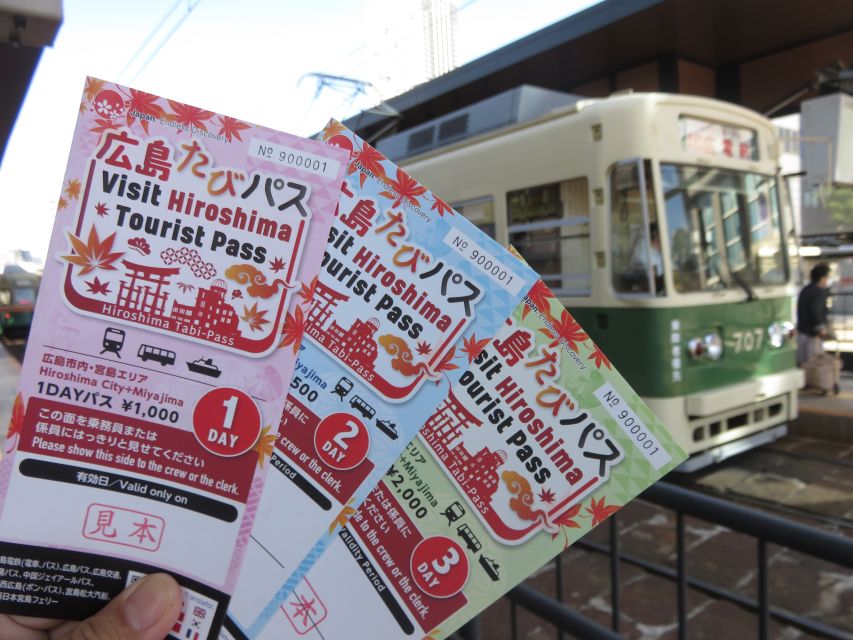
Think of this as a transport pass for Hiroshima city and its main sightseeing corridor, not a universal ticket for every vehicle in the prefecture. The included network is useful because it links the two places most people want to see first: the Atomic Bomb Dome and Miyajima.
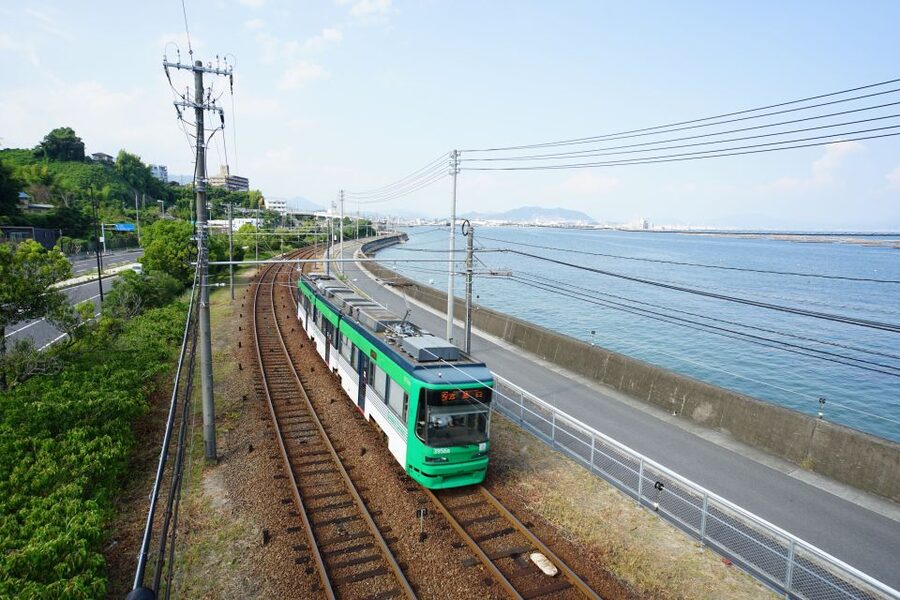
You get unlimited boarding and exiting during the stamped period on all Hiroshima Electric Railway streetcar lines. That includes the Inner-City Line and the Miyajima Line. The streetcars are especially handy for short hops around central Hiroshima, where paying separate fares can become a nuisance after several stops.
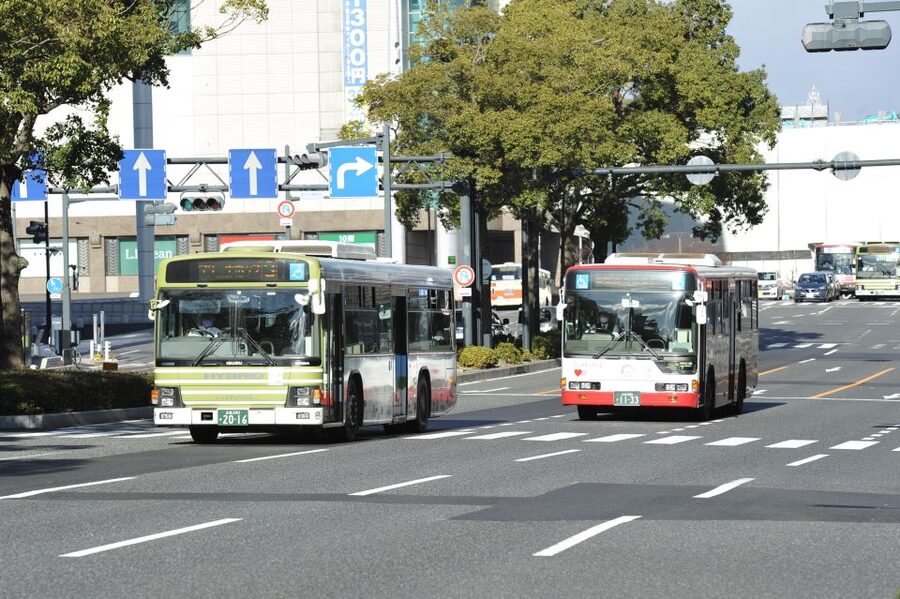
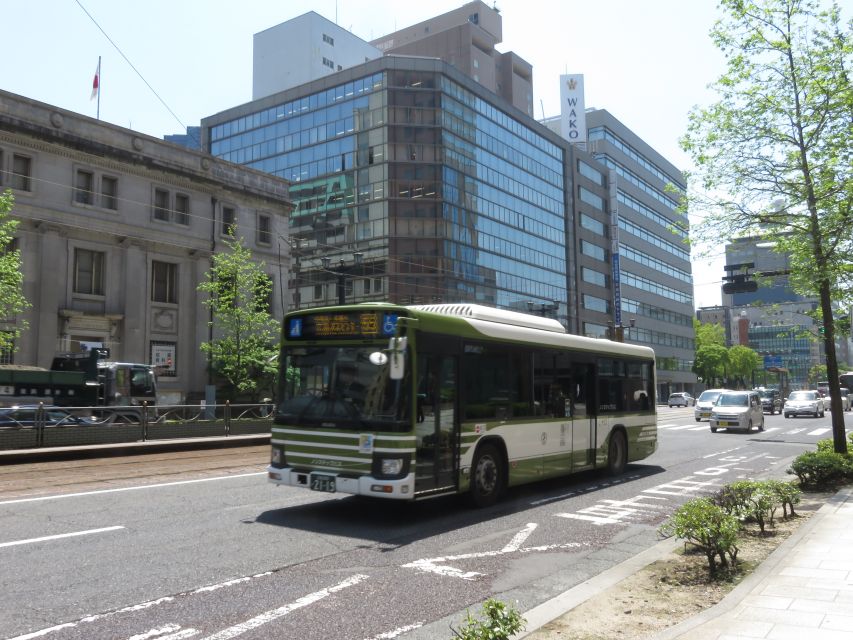
The pass also covers route buses operated by Hiroshima Electric Railway, Hiroshima Bus, Hiroshima Kotsu, Geiyo Bus, Chugoku JR Bus, and HD Nishihiroshima, also known as Bon-Bus. The exact bus coverage follows the route map printed on the back of your ticket, so keep that map with you rather than assuming every bus in town is included.
Hiroshima’s sightseeing loop bus, Hiroshima meipuru-pu, is also available with the pass. That is useful when you want a simple sightseeing circuit instead of working out which ordinary route bus reaches a central attraction.
A few more Hiroshima half-days to weigh up
- 3 Day Japan Highlights Tour: Tokyo, Mt.Fuji, Nara, Kyoto, Osaka
★ 5.0 · 22 reviews
Reaching the Atomic Bomb Dome by streetcar
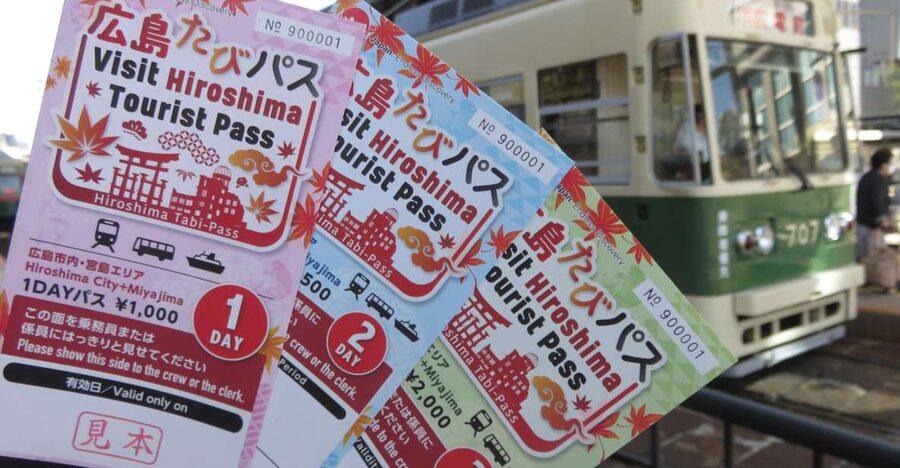
The Atomic Bomb Dome and Peace Memorial Park are among Hiroshima’s essential stops, and the streetcar is one of the easiest ways to reach the central area. The pass lets you make extra rides before or after your visit, which matters if you are using Hiroshima as a base for several short outings.
Allow time to walk through the park rather than treating the Dome as a quick photo stop. The ticket does not provide a guide, but it does remove the transport worry around this part of the city. You can get off for the Dome, continue to the Peace Memorial Museum, and then use the network again for another part of town.
The pass itself does not promise free admission to every attraction. Its digital coupon can provide discounts at participating places, and one two-day user found discounted entry at Hiroshima Castle and the Peace Memorial Museum. That benefit can change by offer, so check the coupon details when you redeem the ticket.
Taking the ferry from Miyajimaguchi to Miyajima
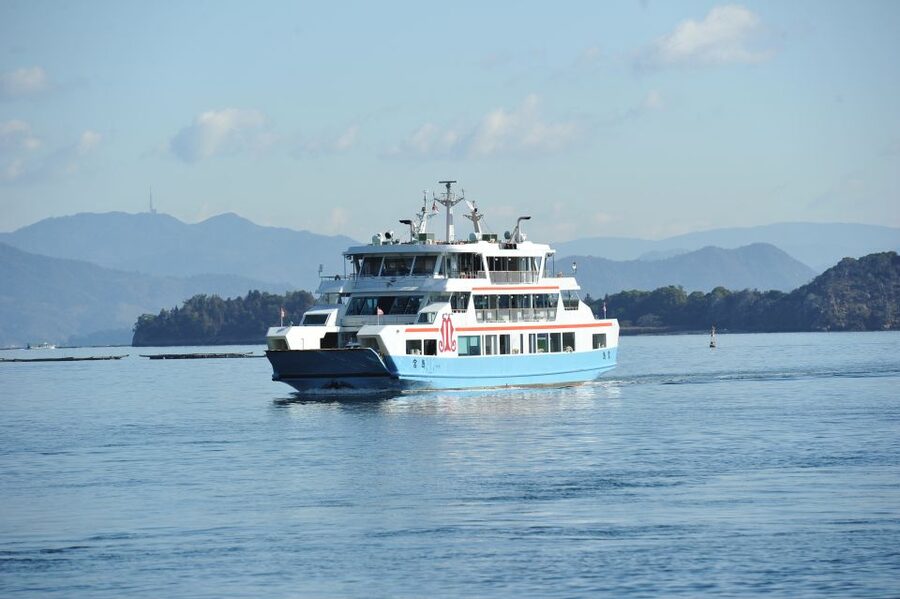
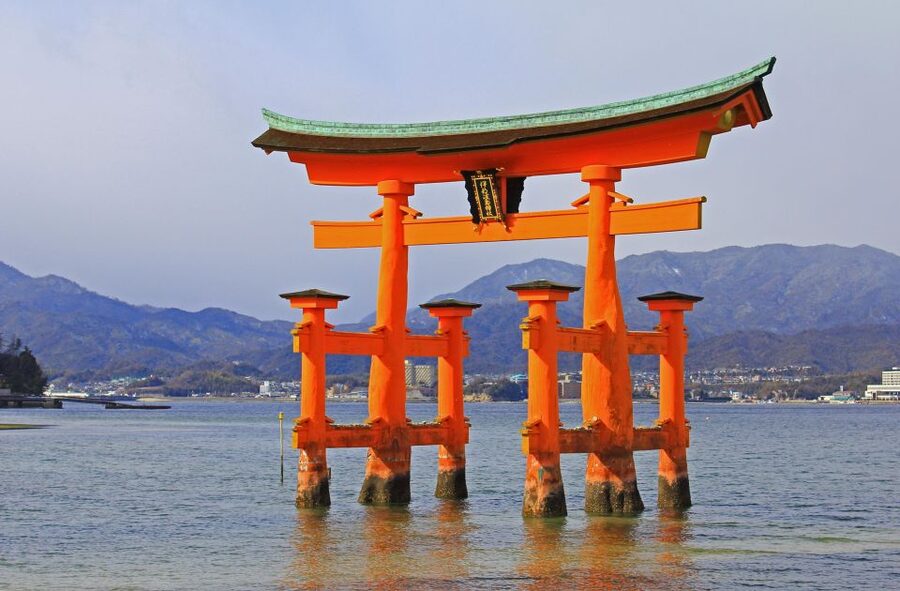
The Miyajima connection is the strongest reason to consider this pass. Your ticket covers the ferry from Miyajimaguchi Station to Miyajima Island on either Miyajima Matsudai Kisen or the JR West Miyajima Ferry.
That means your transport budget can include the crossing instead of treating Miyajima as a separate paid excursion. Once on the island, you can use the pass again for the return ferry during its valid period. The pass is particularly useful if you combine Miyajima with several Hiroshima streetcar rides on the same day.
There is one extra charge to plan for. Since October 1, 2023, every visit to Miyajima requires a 100 yen Miyajima Visitor Tax. You buy the Miyajima visitor ticket at a vending machine before boarding the ferry. The tax is not included in the tourist pass, so keep a little cash available for this small but easy-to-miss payment.
The pass does not create a guided Miyajima visit. It simply gets you there and back. You will need to arrange your own sightseeing time, and the ticket is best for independent visitors who want to set their own pace.
Using the sightseeing loop and city buses
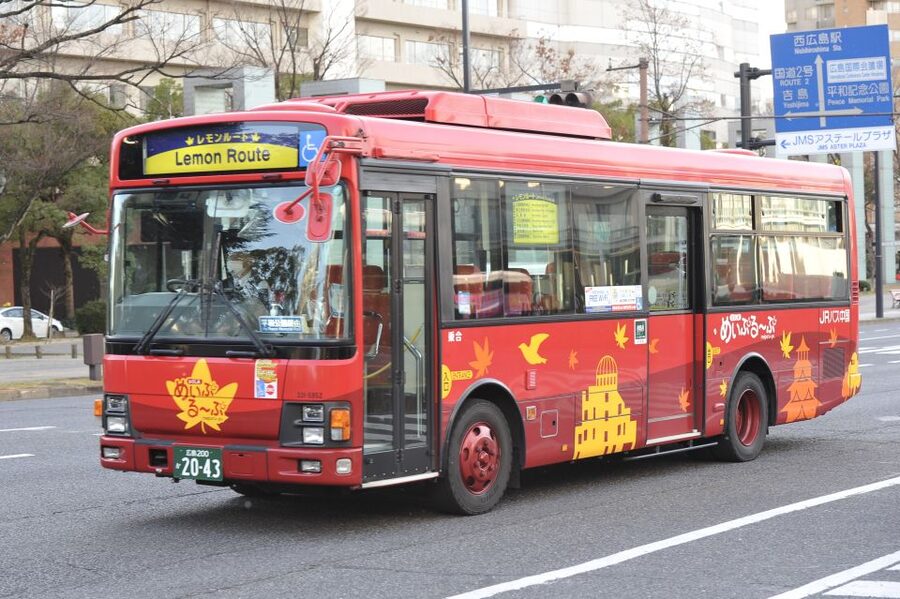
The Hiroshima meipuru-pu sightseeing loop bus is covered, along with selected regular bus routes. This gives you a useful second option when a streetcar route is not convenient.
The route map is important here. Bus coverage is limited to routes shown on the map, and the pass excludes community buses, midnight buses, the Hiroshima Airport Limousine bus, and highway buses. You should check the route before boarding, especially if you are leaving the central sightseeing area.
I like the bus coverage for its flexibility. A pass is more useful when you can choose between streetcar and bus rather than wait for one mode to fit your plan. Still, this is not a ticket for every vehicle with Hiroshima on its sign. Ask or check the map if the route is unclear.
JR trains are not included. That matters most if you are comparing this pass with a rail pass or planning to reach an outlying destination by train. The Hiroshima Tourist Pass is built around streetcars, selected buses, and the Miyajima ferry.
Same base, a completely different sort of day:
- Peaceful Hiroshima & Miyajima UNESCO 1 Day Bus Tour
★ 5.0 · 5,309 reviews - Hiroshima: Hiroshima and Miyajima UNESCO Sites 1-Day Tour
★ 4.9 · 2,330 reviews - Hiroshima / Miyajima Full-day Private Tour with Government Licensed Guide
★ 5.0 · 1,298 reviews - Hiroshima Historical Walking Tour – Why A-Bomb was Dropped
★ 4.8 · 893 reviews
What changes with the Middle Area three-day pass
The Middle Area version is aimed at visitors going farther than central Hiroshima and Miyajima. It can be used on selected express bus routes between:
- Hiroshima and Kure
- Hiroshima and Takehara
- Hiroshima and Miyoshi-Shobara
- Hiroshima and Iwakuni
These express bus journeys are limited to two uses. Read that as up to two rides, not unlimited travel on the express network. The Middle Area pass still includes the core transport benefits, but its extra reach only helps if your plans match one of those routes.
This option could make sense for a three-day trip with one or two side visits outside the city. It is less useful if you are spending all your time around the Atomic Bomb Dome and Miyajima, where the standard pass may be enough.
The information provided does not include separate fares for these express routes, so you should compare the cost of your planned rides before booking. The value depends heavily on how far you go and how often you use the included city transport.
Picking one, two, or three days
The pass comes in one-day, two-day, and three-day versions, plus the three-day Middle Area option. Your ticket is valid only for the period stamped on it, so plan the first day carefully.
A one-day pass is most useful when you combine several paid rides with Miyajima. For example, a day that includes multiple streetcar journeys, the ride to Miyajimaguchi, and the ferry crossing can make the flat fare easier to justify.
A two-day pass suits a compact Hiroshima visit with one day around the city and another day for Miyajima. This is also the version that one repeat user found useful for two days of transport and attraction discounts.
The three-day pass gives you more breathing room. You can spend one day on the Peace Memorial Park area, one day on Miyajima, and another day using buses or streetcars around Hiroshima. A three-day plan is also easier to manage if you prefer not to pack every sight into one long day.
The exact price shown for the activity is $6 per person, but fares and exchange rates can change. Treat that figure as a starting point and compare it with your expected individual fares. If you will take only two or three short rides, buying separate tickets may be cheaper.
Working out the value before you buy
I would make a quick list of your planned rides. Include the route to Miyajimaguchi, the ferry crossing, city streetcars, bus journeys, and any return trips. Then compare that total with the pass price.
The pass becomes more attractive when you use several modes in one period. The ability to board and exit without paying again is valuable on a day when you are moving between central Hiroshima, the Peace Memorial Park area, and Miyajima.
The digital coupon adds a second layer of value. All purchasers receive a digital coupon at redemption, with possible discounts at restaurants, sightseeing spots, and cultural experiences. The exact participating offers are not listed here, so do not book the pass based on one specific discount unless it appears in the current coupon information.
One two-day user reported discounts at Hiroshima Castle and the Peace Memorial Museum, which can make the pass feel better priced if those offers are still available. Check the digital coupon on the day you collect the ticket.
Finding the redemption point
The meeting point varies with the option you book. The listed coordinates are 34.3962155, 132.456702, but coordinates alone are not always enough in a busy transport area.
A practical tip is to look for the tourist office at the bus terminal. One visitor had trouble finding the voucher exchange point and eventually located it there. Build a little time into your arrival, especially if you plan to start sightseeing immediately.
You receive the route map with the pass. Keep the ticket and map together, since the map tells you which bus routes are included and helps prevent an awkward fare dispute.
The pass is stamped for its period of use. It is not an open ticket that you can start whenever you like after purchase. Confirm the starting date and the stamped validity before setting off.
Important exclusions and small extra fares
The exclusions are easy to overlook because the included network is broad. The pass does not cover JR trains, highway buses, the Hiroshima Airport Limousine bus, midnight buses, or community buses.
The Outlet Hiroshima is also outside the included area. If you travel there, show your Visit Hiroshima Tourist Pass to the driver and pay the fare from Koi Shiroyama Memorial Hills, also called Koi Shiroyama Cemetery. The fare is listed as 190 yen as of April 2024.
The Middle Area pass does not remove every transport limit. Its selected express buses can be used up to two times, and the ordinary route coverage still follows the printed map.
These rules do not make the pass poor value. They simply mean you should use it for the transport it was designed to cover, rather than expecting a regional rail pass.
Who will get the most from this pass
I would choose this pass for an independent visitor who plans to see both Hiroshima and Miyajima. It is also a good fit if you like making unplanned stops, since unlimited rides remove the worry that one extra streetcar trip will spoil the budget.
Families and small groups may appreciate the simple fare system, though each person needs a pass. It can be easier than handling separate tickets for every ride, especially on a full sightseeing day.
The Middle Area pass suits a different plan. Choose it when Kure, Takehara, Miyoshi-Shobara, or Iwakuni is part of your schedule and you can use the express buses within the two-ride limit.
I would skip it if you plan to stay near one hotel, walk most places, use JR trains, or take the airport limousine bus. In that case, the pass may add rules without adding much savings.
Booking, cancellation, and practical timing
You can cancel up to 24 hours before the activity for a full refund, and the reserve-now, pay-later option keeps your plans flexible. Availability should be checked for the dates and starting times shown at booking.
There is no guide or fixed group itinerary. You use the ticket independently during the stamped validity period. That makes it a transport tool rather than a sightseeing tour, so you remain responsible for checking departure points, routes, and attraction opening times.
Allow time to redeem the voucher before your first ride. The pickup point can vary, and the bus terminal tourist office may not be obvious at first glance.
Should you book the Hiroshima Tourist Pass?
Book it if your plan includes Miyajima, several Hiroshima streetcar or bus rides, and possibly a digital coupon discount. The ferry inclusion is the big advantage, and the pass can cover a busy one-day or two-day schedule with very little fare handling.
Before buying, count your journeys. The pass is not automatically a bargain for light users, and the exclusions matter. For a city-and-island visit, though, it is a practical way to connect the Atomic Bomb Dome, Peace Memorial Park, central Hiroshima, Miyajimaguchi, and Miyajima on your own timetable.
FAQ
How long is the Visit Hiroshima Tourist Pass valid?
It is available for one, two, or three days. The Middle Area option is valid for three days. The ticket is valid only during the period stamped on it.
Does the pass include the Miyajima ferry?
Yes. It covers travel from Miyajimaguchi Station to Miyajima Island on Miyajima Matsudai Kisen and the JR West Miyajima Ferry.
Is the Atomic Bomb Dome included?
The pass includes public transport to the Atomic Bomb Dome area, including covered streetcar and bus routes. It does not function as an attraction admission ticket.
Does the pass cover Hiroshima streetcars?
Yes. All Hiroshima Electric Railway streetcar lines are included, covering the Inner-City Line and the Miyajima Line.
Is the Hiroshima meipuru-pu sightseeing bus included?
Yes. Hiroshima meipuru-pu is included, along with selected route buses shown on the route map supplied with the ticket.
Are JR trains included?
No. JR trains are not included in the Visit Hiroshima Tourist Pass.
Does the pass cover the Hiroshima Airport Limousine bus?
No. The Hiroshima Airport Limousine bus is excluded.
What is the Miyajima Visitor Tax?
A 100 yen Miyajima Visitor Tax is required for visits to Miyajima Island. You buy the Miyajima visitor ticket at a vending machine before boarding the ferry. It is not included in the pass.
What extra transport is included with the Middle Area pass?
The Middle Area three-day pass can be used on express buses between Hiroshima and Kure, Takehara, Miyoshi-Shobara, and Iwakuni, up to two times.
Just added around Hiroshima
- The Peace Memorial to Miyajima : Icons of Peace and Beauty★ 4.5 · 31 reviews
- Shore Excursion from Hiroshima Port : Private Tour in Hiroshima★ 5.0 · 17 reviews
- Hiroshima Saijo Sake Tasting Tour with visit to 7 Breweries★ 5.0 · 104 reviews
- Hiroshima & Miyajima All-Inclusive Tour w/Licensed guide Pancho★ 5.0 · 54 reviews
- Okunoshima Rabbit Island Cycling Tour with Local Guide★ 4.5 · 17 reviews
- Private Full Day Hiroshima Tour★ 4.5 · 29 reviews
- Hiroshima Country Cycling: Explore Rural Life 1 HR from City★ 5.0 · 22 reviews
- Hiroshima Private Tour with a Local – Highlights & Hidden Gems★ 4.5 · 24 reviews
Hiroshima Tours, compared.

Peaceful Hiroshima & Miyajima UNESCO 1 Day Bus Tour
Read our review →
Hiroshima and Miyajima UNESCO Sites 1-Day Tour
Read our review →
Hiroshima Historical Walking Tour – Why A-Bomb was Dropped
Read our review →
Hiroshima Peace (Heiwa) Walking Tour at World Heritage Sites
Read our review →
Hiroshima in a Nutshell: Morning Bike Adventure
Read our review →
Hiroshima City 4hr Private Walking Tour with Licensed Guide
Read our review →

Japanesel Archery Experience HIROSHIMA CASTLE SHARAKU
Read our review →Browse the lists this tour appears in