

Reviewed · KYOTO TOURS
Kyoto: Beyond the Insider Sake Tasting Experience
Kyoto’s Beyond the Insider Sake Tasting Experience is built around sake that you are unlikely to find outside Japan. The lineup may include bottles made with old brewing methods, unusual microorganism-based techniques, and local wood that gives the drink a taste tied to its region. It is less about having ten drinks and more about seeing how many directions sake can take.
I like two things right away: the tasting takes place in a private sake room, and every guide is a certified sake sommelier. The course also works for a first-time drinker, since it covers production and basic categories before moving into stranger, more advanced examples.
The main drawback is simple: there is no food pairing, so you will need to plan a meal separately. Also, the alcohol rules are firm. If you arrive by car or bicycle, you will not be served alcohol, and there is no refund for a missed tasting.
Key points to know before you book
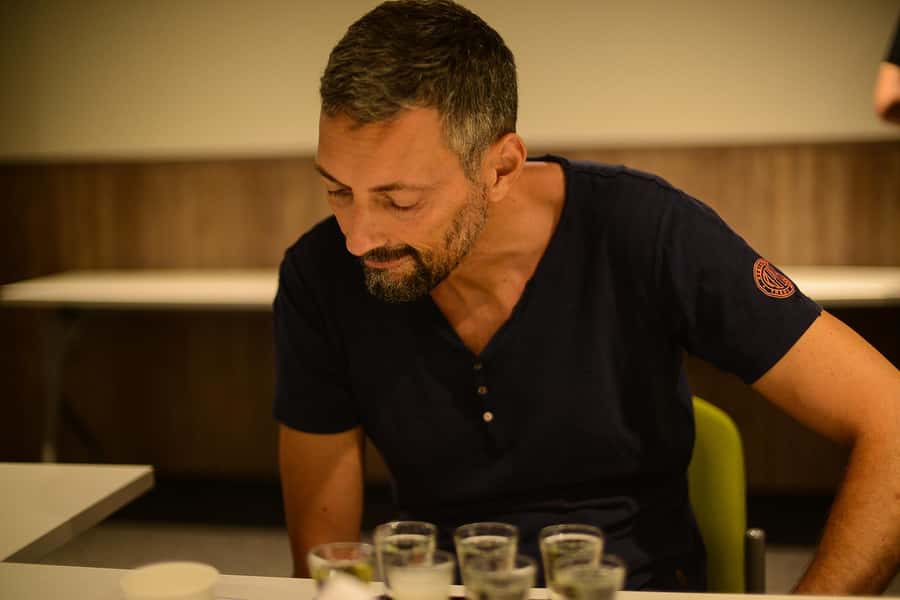
- Ten unusual sake varieties: The selection focuses on styles rarely seen overseas, not just familiar restaurant pours.
- Ancient and experimental brewing: You may taste sake made with older methods, microorganism-based ideas, and local wood.
- Certified sake sommelier guide: Your guide explains both the production process and the reasons each sake tastes different.
- Private tasting room: The setting gives the lesson a focused feel instead of placing you at a busy public bar.
- Useful for beginners and serious drinkers: The basics come first, but the lineup offers plenty for someone who already knows standard sake.
- No meal included: Treat this as an educational tasting, then choose your own Kyoto dinner afterward.
Ten glasses that show what sake can become
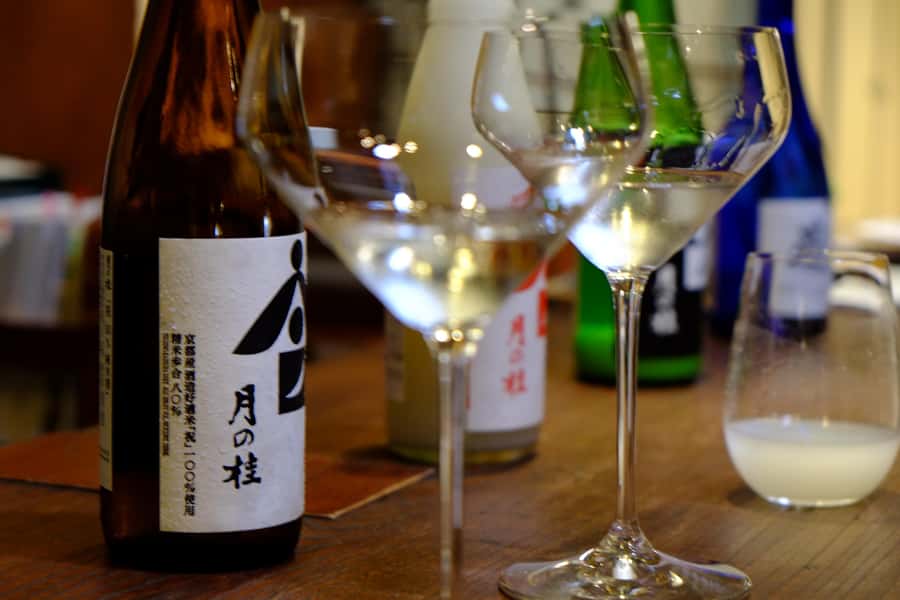
A standard sake tasting can leave you with a few broad impressions: dry, sweet, fruity, perhaps earthy. This experience goes further by choosing bottles according to how they were made. That matters because sake is not defined by rice alone. Water, yeast, fermentation, polishing, aging, and brewing methods all help shape the final drink.
You taste ten varieties selected by the sommelier. The point is not to rush through ten unrelated samples. It is to compare them and notice how a change in production can alter aroma, texture, sweetness, acidity, and finish.
Some bottles use ancient brewing methods that differ from modern production. These are valuable because they give you a direct taste of techniques that have not become standard in the export market. You might find the results more rustic, more unusual, or simply less familiar than the clean styles often served abroad.
Other samples explore newer ideas. One theme is sake that uses the traits of microorganisms in a different way. That may sound technical, but the practical benefit is easy to understand: small changes in fermentation can create very different flavors.
The tasting also includes sake brewed with local wood. This is one of the more distinctive ideas in the session because the wood contributes a regional character. You are not just tasting rice wine made in a factory with a uniform profile. You are tasting how local materials can influence the drink.
More Sake Tastings in Kyoto
- 3-Hour Kyoto Insider Sake Brewery Tour with Tastings & Pairings
★ 5.0 · 917 reviews - Arashiyama Bamboo, Temple, Monkeys, or Secret Sake Brewery
★ 4.8 · 886 reviews - Kyoto: Insider Sake Brewery Tour with Sake and Food Pairing
★ 5.0 · 704 reviews
The lesson starts with sake basics
You do not need prior sake experience. The guide covers the basic production process and the main sake categories before asking you to sort out unusual bottles. That makes the tasting less intimidating for beginners and gives experienced drinkers a useful reset.
The production explanation is important because sake labels can otherwise feel like a wall of unfamiliar terms. You learn why rice preparation matters, how fermentation affects the drink, and how categories help describe what is in your glass. The exact level of detail can depend on your guide and questions, but the course is designed to give you enough groundwork to follow the tasting.
I like this order. If you begin with a rare or experimental sake, you may judge it only by whether you like the flavor. After the introduction, you can ask a better question: What did the brewer do to make it taste this way?
That shift turns the event into a small lesson in Japanese food culture. You are not required to memorize every category or brewing term. You simply gain a clearer way to talk about what you are tasting.
A private Kyoto room keeps the focus on the glass
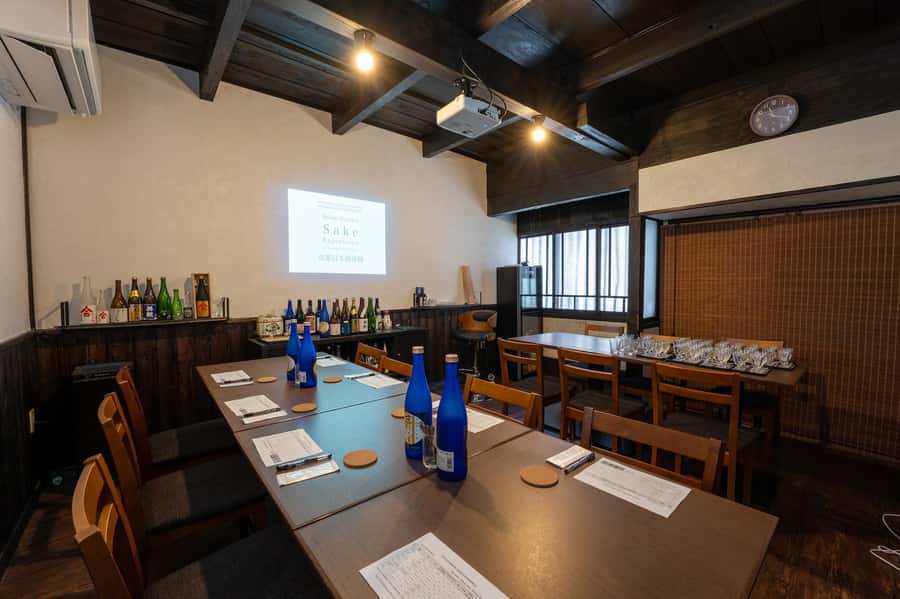
The dedicated private sake tasting room is a practical advantage. Sake has subtle aromas and textures, and a private setting makes it easier to hear the guide and compare one sample with the next.
This is also a good setting if you feel unsure about sake. You can ask basic questions without worrying that you should already know the answers. At the other end of the scale, an experienced drinker can ask about brewing choices, unusual ingredients, or the reason a particular bottle belongs in the lineup.
The room is not a substitute for a meal or a full brewery visit. You are not being transported around Kyoto, and there is no sightseeing route attached to the activity. Instead, you return to the same meeting point where the tasting begins. That makes it easy to fit into a day of temple visits or shopping, provided you allow enough time to arrive punctually.
The setting also helps explain the price. At $66 per person, you are paying for ten selected sake samples, a structured lesson, written tasting notes, and a certified sommelier in a private room. It is not the cheapest way to drink sake, but it is a reasonable price if you want guidance rather than ten random pours at a bar.
Why the unusual brewing methods matter
The most interesting part of this experience is the comparison between traditional and modern ideas. Sake production can look simple from a distance, but the process gives brewers many ways to change the result.
An old method may produce a flavor that feels less polished to a palate used to export brands. That is not necessarily a flaw. It can show you a style that has been pushed aside by modern consistency and efficiency.
A microorganism-focused sake offers a different lesson. Fermentation is not just a background step. The organisms involved help create the aroma and taste, so changing their role can lead to a new kind of sake. You may not leave with a scientific understanding of fermentation, but you should leave with a better sense of its power.
The local wood sample brings place into the tasting. It suggests that regional identity can come through materials as well as recipes. If you want a drink that tastes exactly like the sake you already know, this may not be the best session. If you enjoy finding out how far a familiar product can stretch, it is a strong choice.
The sommelier’s job is to connect those ideas to the liquid in front of you. Good explanations keep the tasting from becoming a parade of labels. You should be listening for why the sake was made in a particular way, then checking whether you can detect the result.
More sake tastings around Kyoto:
- Kyoto Sake Brewery & Tasting Walking Tour
★ 5.0 · 623 reviews - Private Tea Ceremony and Sake Tasting in Kyoto Samurai House
★ 5.0 · 163 reviews - Advanced Kyoto Insider Sake Tasting Experience
★ 5.0 · 44 reviews - Kyoto: Fushimi Sake Brewery Tour – 18 Tastings in 2.5 Hours
★ 4.7 · 36 reviews
Tasting notes make the lesson easier to remember
A tasting note is included, and you should use it. Ten samples can blur together, especially when the experience introduces new styles instead of repeating familiar ones.
You can mark which varieties you prefer, but try to record more than a simple thumbs-up or thumbs-down. Note the first aroma, the feel on your tongue, the level of sweetness or dryness, and what remains after swallowing. Then add the production detail that interested you most.
This is especially useful if you plan to buy sake later in Japan. The note may help you remember whether you preferred a modern, clean style or something shaped by an older method. It can also help you explain your preferences at a sake shop or restaurant.
Do not expect the tasting note to replace a bottle label or a full buying guide. Its real value is memory. It gives you a record of the session after the ten samples have become a pleasant blur.
Who will get the most from this tasting
This experience suits a wide range of drinkers, but it is particularly useful for three types of people.
First-time sake drinkers get a gentle entry point. The guide explains production and categories, so you are not expected to know the difference between styles before sitting down. The unusual lineup may be more challenging than a basic introduction, but that is also what makes it memorable.
Experienced sake drinkers get a reason to move beyond the standard bottles found in many restaurants. The focus on ancient methods, microorganisms, and local wood gives you subjects to think about even if you already know the basic categories.
Curious food and drink students will appreciate the structure. You can connect the brewing process to the flavor instead of treating sake as an unfamiliar alcohol with a long name.
I would be less likely to recommend it to someone who wants a casual drinking stop with food. No food pairing is included, and the emphasis is clearly on tasting and explanation. It also is not suitable for children under three, pregnant women, or people under 19. Japan’s legal drinking age is 20, and anyone under 20 receives only non-alcoholic drinks.
Plan your arrival and your evening carefully

This is an appointment where punctuality matters. If you are more than ten minutes late, the booking is canceled. There is also no room for extra companions who were not included in the reservation, including children and non-drinkers.
That rule may feel strict, but it protects the structure of a private tasting. A late arrival would interrupt the production explanation and the sequence of samples. The practical advice is easy: aim to reach the meeting point early, not exactly at the start time.
The alcohol restriction deserves special attention. For safety and legal reasons, anyone arriving by car or bicycle will not be served alcohol. Non-alcoholic drinks are available, but there is no refund if you cannot take part in the tasting.
So plan to arrive by another method and make the tasting one part of a wider Kyoto day. Since transportation to and from attractions is not included, you arrange your own route to the meeting point. The experience ends back there, with no hotel pickup or drop-off.
Afterward, you can choose your own meal. That gives you freedom, but remember that the activity itself does not include snacks or a food pairing. If you prefer alcohol with food, reserve a nearby dinner separately.
How the $66 price compares with the experience
At $66, this is not a bargain-basement tasting. You are paying for ten selected varieties rather than a single flight chosen for quick sampling, plus a private room, a certified sake sommelier, and tasting notes.
The value depends on your goal. If you simply want to try sake in Kyoto, a restaurant may cost less and offer food at the same time. But that approach will not necessarily explain why one bottle uses an ancient method, why another highlights microorganisms, or how local wood changes the taste.
I see the price as fair for someone who wants an organized education with rare examples. It is especially worthwhile if you have already taken a basic sake course or have tried standard sake at home and want to understand what lies beyond familiar export bottles.
The experience also avoids a common problem with expensive tastings: paying for atmosphere while receiving little explanation. Here, the key features are practical. Ten pours give you range, the sommelier provides context, and the tasting note lets you keep track of what you learned.
Still, value drops if you cannot drink alcohol, arrive by bicycle or car, or expect a meal. Non-alcoholic drinks are available, but the central point is the sake tasting. Check those conditions before paying.
What the strongest praise tells you
The most repeated strengths are the presentation, the explanation of production, and the range of sake. Those are exactly the areas where this experience earns its price.
The guide is described as friendly and highly informed, with one attendee praising the extraordinary guide and another pointing to the broad selection. That combination matters. A guide can know the subject without making it easy to understand, or be warm without offering much substance. Here, the experience is designed to deliver both.
The comments also point to the course’s appeal as part of a two-step plan. Start with the beginners course if you are new to sake, then return for this more advanced session. That is sensible advice, not a requirement. This course still covers the basics, but a first-timer may get more from it after learning the broad categories elsewhere.
The feedback is uniformly positive, with a perfect rating from 30 reviews. That is a strong signal about teaching and enjoyment, though it does not remove the practical limits: no food pairing, strict arrival rules, and no alcohol for anyone arriving by car or bicycle.
Should you book the Beyond the Insider Sake Tasting?
Book it if you want to understand why sake tastes different, not just drink a few Japanese pours. The ten-variety lineup, private room, tasting note, and certified sommelier make this a focused choice for curious beginners and experienced sake drinkers alike.
I would book it after a basic sake tour if you have time for both. If you can choose only one and know little about sake, this still works because the production basics are included. Just expect a more unusual selection than a standard introduction.
Skip it if your priority is food, sightseeing, or a relaxed bar stop. You will arrange your own transportation, eat elsewhere, arrive on time, and follow the alcohol rules. For the right drinker, though, $66 buys a clear look at sake’s many possibilities, from old techniques to new fermentation ideas and the taste of local wood.
FAQ
How many kinds of sake are included?
The experience includes ten sake varieties selected by a certified sake sommelier.
Is this suitable for someone new to sake?
Yes. The guide covers the basics of sake production and sake categories, so no previous sake experience is required.
What makes the sake selection unusual?
The tasting focuses on sake rarely found overseas, including examples made with ancient brewing methods, microorganism-based approaches, and local wood.
Is a food pairing included?
No. Food pairing is not included, so you should arrange any meal separately.
Where does the experience begin and end?
It begins at the Kyoto Insider Sake Experience meeting point and ends back at the same meeting point.
Can I arrive by car or bicycle?
You may attend, but alcohol will not be served if you arrive by car or bicycle. Non-alcoholic drinks are available, and no refund is provided if you cannot take part in the sake tasting.
What is the legal drinking age for this experience?
The legal drinking age in Japan is 20. People under 20 are served only non-alcoholic drinks.
What happens if I arrive late?
If you are more than ten minutes late, your booking will be canceled. Friends, children, and non-drinkers who are not included in the reservation cannot join.
More Food Tours in Kyoto
- Kyoto Nishiki Market Food and Culture Walking Tour
★ 5.0 · 412 reviews - Kyoto: Gion Food Tour 13 Dishes at 4 Eateries
★ 5.0 · 408 reviews - 1.5-Hour Kyoto Insider Sake Experience with 7 Tastings & Pairings
★ 5.0 · 297 reviews - Kyoto: Insider Sake Experience with 7 Tastings and Snacks
★ 5.0 · 266 reviews
More Drinks-Led Nights in Kyoto
- Kyoto Night Foodie Tour in Gion (9+ dishes + 6 Sake tastings)
★ 5.0 · 1,762 reviews - Kyoto: Izakaya Bars Guided Walking Tour
★ 4.9 · 815 reviews - Kyoto Bar Hopping Night Tour
★ 5.0 · 613 reviews - Kyoto Local Bar Crawl in Kawaramachi Area
★ 5.0 · 378 reviews
Just added around Kyoto
- Kyoto: Zen Meditation at a Private Temple with a Monk★ 5.0 · 25 reviews
- Kyoto: Gion Geisha District & Sake-in-Hand Walking Tour★ 5.0 · 37 reviews
- Private Pewter Sake Cup Experience with a Kyoto Artisan★ 5.0 · 31 reviews
- Your Private Vacation Photography Session In Kyoto★ 5.0 · 110 reviews
- Private Guided Traditional Buddhist Cooking in Japan★ 5.0 · 16 reviews
- Kyoto Wagashi(Japanese sweets) Cooking Class near Fushimiinari★ 5.0 · 60 reviews
- Traditional Japanese Music show & Experience Tour in Kyoto★ 5.0 · 57 reviews
- Kyoto:Family-Friendly Kimono & Yukata Experience at WARGO★ 5.0 · 147 reviews
Kyoto Tours, compared.


Fushimi Inari, Kinkakuji, Bamboo Grove 1 Day Bus Tour
Read our review →
Tea Ceremony in a Traditional Tea House in Kiyomizu
Read our review →
Kyoto Geisha Walking Tour: Gion District & Hidden Gems
Read our review →

Gion Magical Night Walking Tour with Geisha Trivia
Read our review →

Gion Geisha District Walking Tour – Stories of Geisha
Read our review →Browse the lists this tour appears in