
Reviewed · FUSHIMI INARI TOURS
Kyoto: Early Morning Fushimi Inari Shrine – Beat the Crowds
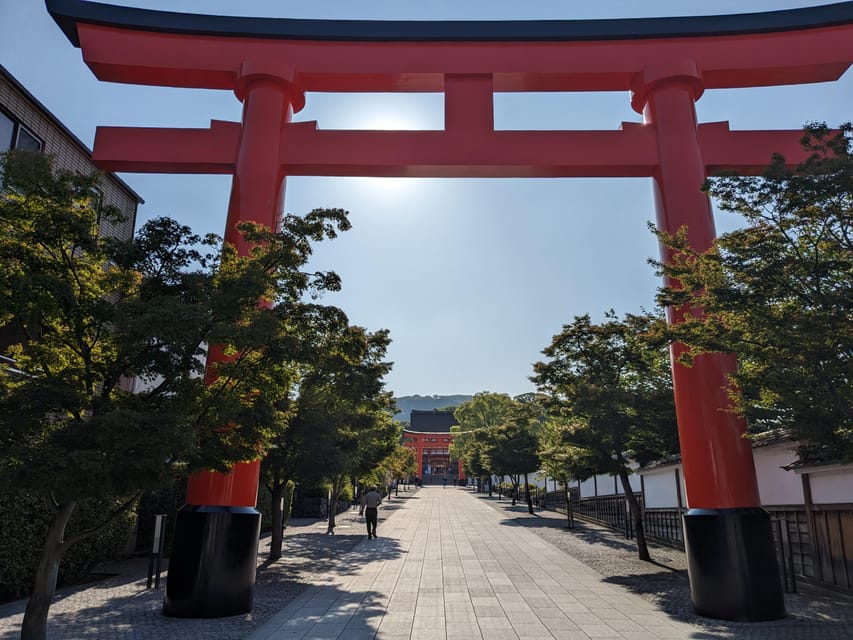
Fushimi Inari is at its best before Kyoto fully wakes up. This early morning walk takes you beneath the famous orange torii gates while the paths are still calm, giving you a much better chance at clear photographs and a quiet moment at one of Japan’s busiest sights.
I like two things in particular: you get the local meaning behind the shrine, not just a parade through orange tunnels, and the guide helps you reach a viewpoint and a special Inari souvenir that you might otherwise miss. The main consideration is the physical effort. This is a mountain walk, not a flat shrine visit, and it is not suitable for people with low fitness, mobility, back, heart, or respiratory problems.
Key points at a glance
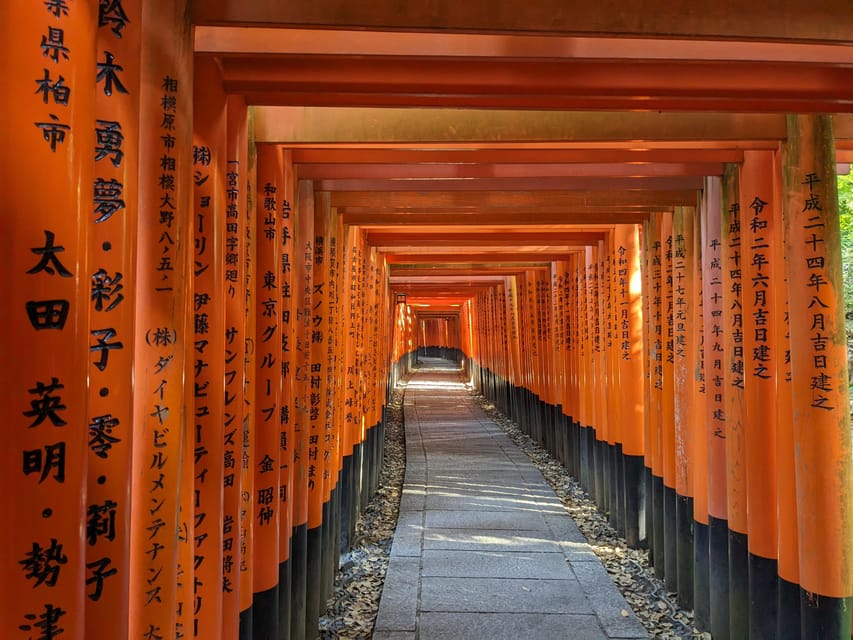
- Early start, fewer people: See the torii gates before the daytime crowds and heat arrive.
- A 150-minute guided walk: Spend about 90 minutes at Fushimi Inari, followed by a viewpoint and a lesser-known sacred stop.
- Personal guidance: English-speaking guides including Teppei, Akino, Hiro, Maru, Masa, Yoshi, and others explain customs and local beliefs.
- A real uphill outing: Comfortable shoes are essential, and the experience is not suitable for children under 10 or visitors with limited fitness.
- Useful Kyoto context: Learn how to show respect at the shrine and understand the role of foxes, torii gates, and Inari worship.
- Private or small-group choices: The format can be arranged as a private tour or a small group, depending on availability.
Why an early visit changes Fushimi Inari
Fushimi Inari Taisha is one of Kyoto’s must-see places, and its orange torii gates appear in nearly every guidebook. That fame comes with a cost: later in the day, the approach and the first tunnel can feel packed. People stop for photos, groups bunch together, and the quiet mood of the shrine becomes harder to find.
This tour starts outside JR Inari Station, directly across from the main entrance. That is a handy meeting point because the station is right beside the shrine. Your guide carries a bright yellow DeepExperience signboard, so you have a clear landmark when you arrive.
The early hour matters for more than photographs. Fushimi Inari is a place of worship, and the calm gives you room to notice the sound of your steps, the repeating gates, and the smaller religious details along the way. You can pause without feeling that you are blocking a procession of people behind you.
I would not promise an empty shrine. Fushimi Inari is open and popular, and other early risers may be there. Still, an early start gives you the best chance of enjoying the gates without the full daytime crush. It also helps in summer, when the heat can make the uphill walk tiring.
More ways to walk Fushimi Inari:
- Kyoto: Fushimi Inari, Kinkakuji, Bamboo Grove 1 Day Bus Tour
★ 4.8 · 4,316 reviews - Fushimi Inari Hidden Hiking Tour (Private Option Available)
★ 5.0 · 1,750 reviews - Kyoto/Osaka: Nara, Fushimi Inari Taisha, Arashiyama Bus Tour
★ 4.7 · 1,275 reviews
The first 90 minutes among the orange torii
The main guided portion lasts about an hour and a half. Your guide leads you through the shrine grounds and along the torii-lined route, explaining what you are seeing rather than leaving you to guess.
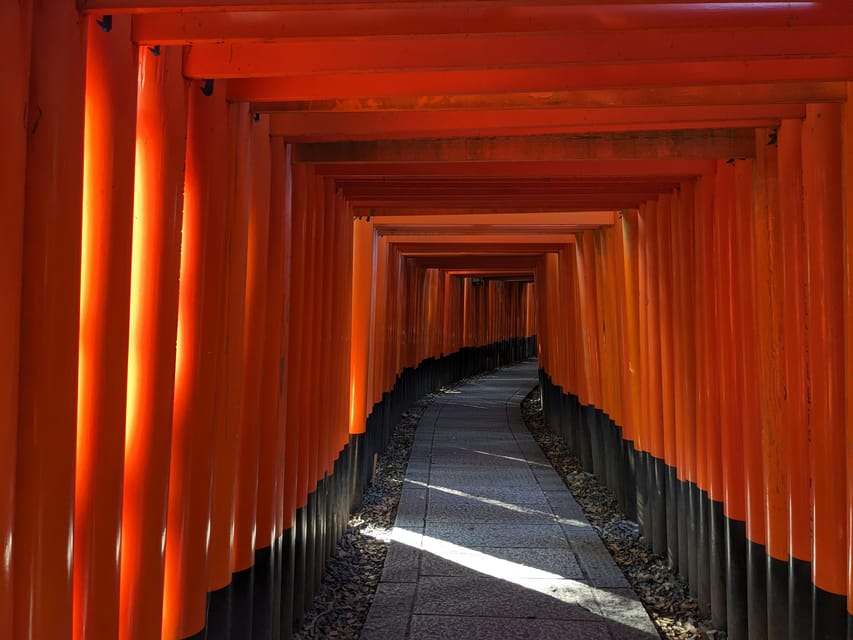
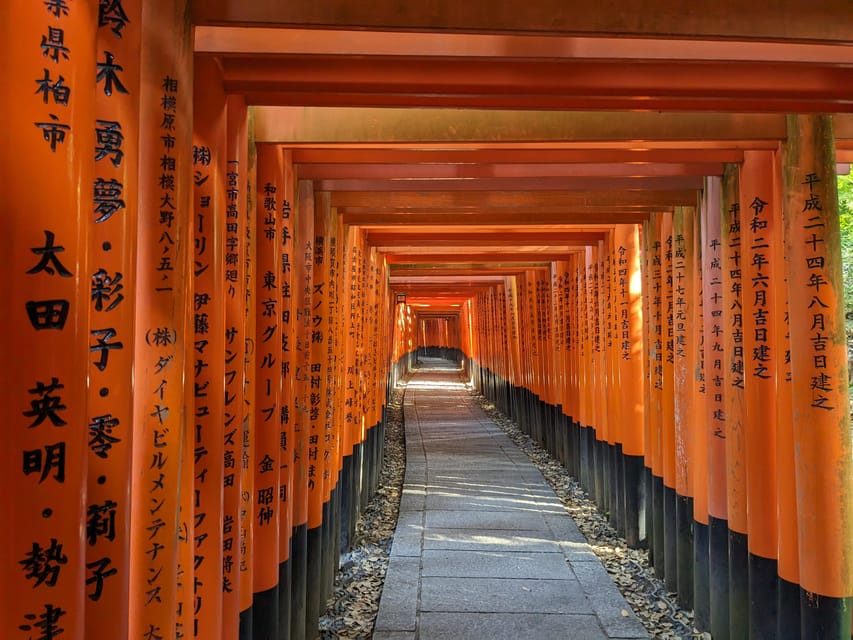
The torii gates are not simply decorative arches. They mark offerings made to Inari, the deity associated with rice, prosperity, business, and other forms of good fortune. The exact details you discuss will depend on your guide, but the tour gives you a clearer sense of why the gates cover the mountain and why local worshippers continue to visit.
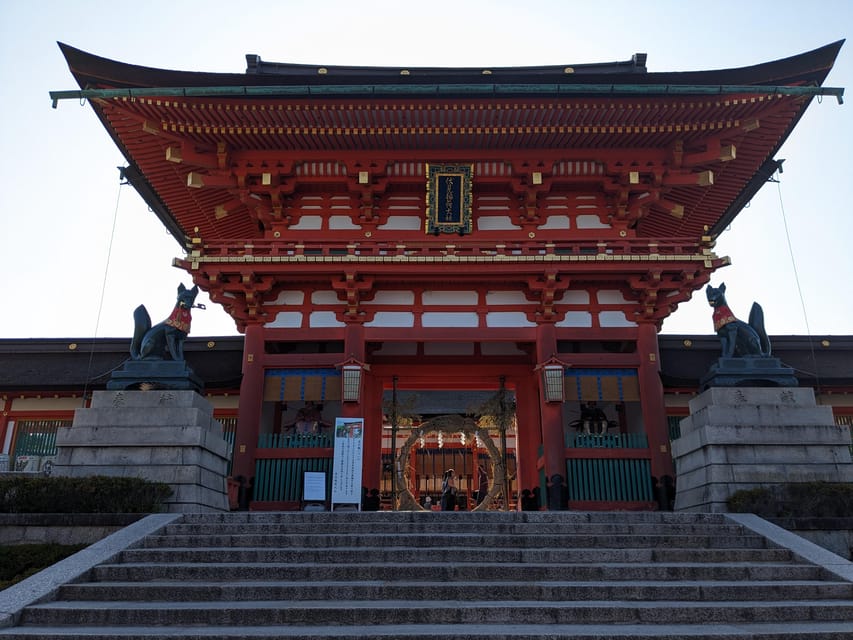
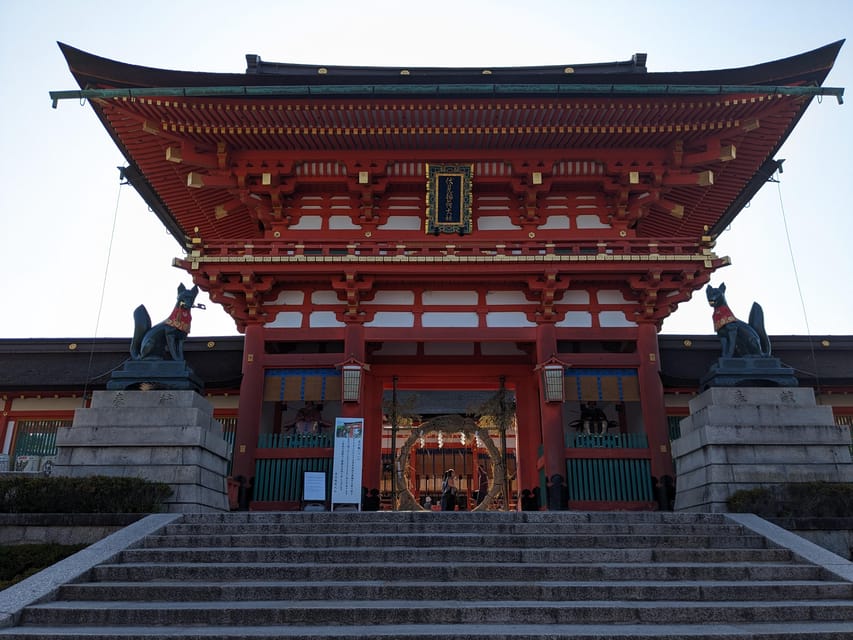
Fox figures appear throughout Fushimi Inari. They are linked with Inari and are often shown carrying objects connected with the deity’s powers. A guide can point out these details as you go, helping you see the shrine as an active place of belief rather than a backdrop for photographs.
One of the tour’s strongest features is the explanation of shrine manners. Hiro, for example, was praised for showing how to pay respect at the main torii and shrine buildings. That kind of instruction is useful because Japanese shrine customs can feel unfamiliar at first. You do not need to perform everything perfectly, but understanding the basic gestures helps you behave with care.
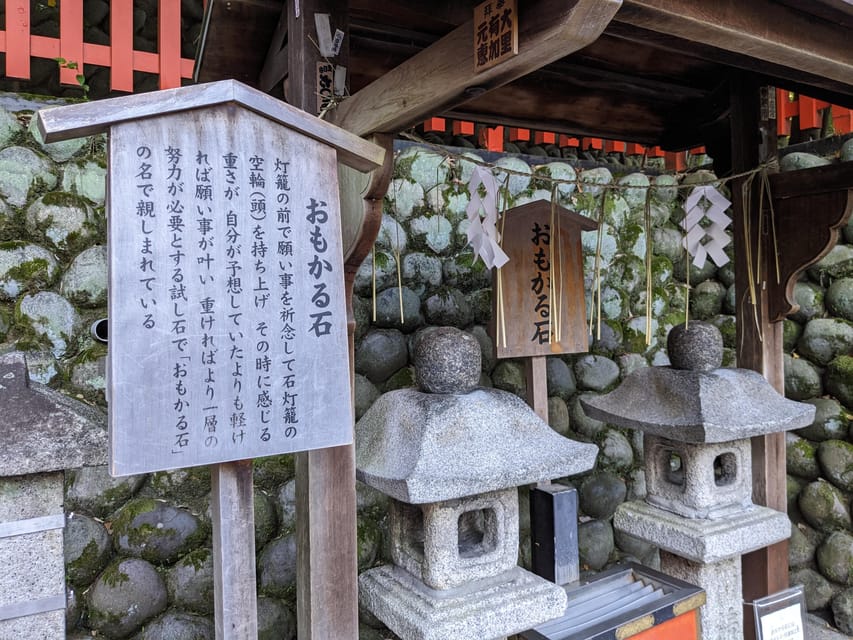
The orange tunnels are the obvious highlight, yet the small structures along the route may be just as interesting. Fushimi Inari includes many side shrines, stone markers, fox statues, and places where local devotion is more visible than the headline attraction. Your guide can direct your attention to these pieces, which are easy to walk past when you are focused only on finding the next photo.
The mountain walk and the viewpoint
The tour description presents a scenic walk through a holy mountain, and the experience should be treated that way. You are not simply stepping into the shrine, taking one photograph, and returning to the station. The route includes an uphill walk, and the total time is two and a half hours.
One visitor described the outing as a 2.5-hour mountain hike, while another said the early walk to the top was a highlight. That is useful planning information. Even if your pace is relaxed, you should arrive ready for sustained walking and some exertion.
The viewpoint comes after the main shrine portion and lasts about 30 minutes. Its value is a change of focus. After spending time inside the orange tunnels and sacred grounds, you get a broader look from above rather than another close-up of the gates.
The exact view can depend on weather and visibility. On clear days, you can expect a more open outlook across the Kyoto area, while hazy or rainy conditions will soften what you see. The supplied details do not promise a particular panorama, so I would treat the viewpoint as a welcome part of the walk rather than book the tour only for a perfect city view.
You will want comfortable shoes with good support. Comfortable clothes are also listed as essential, and that advice is worth taking seriously. Sandals, stiff shoes, heavy bags, and unsuitable clothing can turn a pleasant climb into a chore.
Large bags, luggage, baby strollers, and baby carriages are not allowed. If you are visiting Kyoto with substantial luggage, arrange storage before meeting the guide. Children under 10 are not accepted, and the tour is not suitable for wheelchair users or people with mobility limits.
The lesser-known stop and Inari’s quieter side
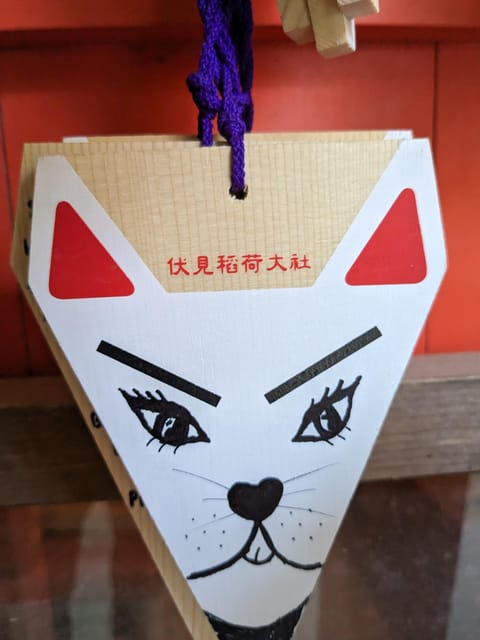
The final guided stop lasts about 30 minutes and is described as a lesser-known sacred place. This is where the tour moves beyond the standard Fushimi Inari route.
One account points to a small fountain connected with a local legend that it can cure illness. That does not mean you should treat the water as medicine, but it gives you a glimpse of the stories that gather around Japanese sacred sites. Small places like this often help explain how religion, local memory, and everyday hopes overlap.
The tour also includes a special souvenir unique to Inari and not available elsewhere. The details of the item are not specified, which may be part of the appeal. You can expect something tied to the shrine rather than a generic Kyoto purchase.
That final stop is particularly useful if you have already seen plenty of major temples and shrines. The guide’s job is not simply to show you the biggest structures. It is to help you notice the side stories, small acts of devotion, and local customs that make Fushimi Inari more than a famous row of gates.
After this section, you return to Inari Station. The total outing lasts 150 minutes, so you still have much of the day left for other Kyoto sights.
More early starts in Kyoto:
- Kyoto Early Morning Tour with English-Speaking Guide
★ 5.0 · 1,427 reviews - Kyoto: Early Morning Tour with English-Speaking Guide
★ 4.9 · 1,128 reviews - From Kyoto: Nara Guided Morning Tour
★ 4.6 · 335 reviews - Kyoto Morning Tour from Kyoto or Osaka
★ 4.0 · 281 reviews
Guides who make the difference
A guided shrine visit is only as good as the person leading it. Here, the strongest praise goes to the guides’ warmth, clear explanations, and willingness to adjust to the group.
Teppei receives especially strong attention for combining cultural detail with an easy, friendly manner. He has been described as patient with questions and attentive to the group’s pace. When one party arrived late after boarding a local train instead of an express service, he handled the situation calmly and kindly. That is the sort of practical professionalism you want when a morning meeting point and Japanese rail system have caused confusion.
Akino is praised for her passion for Japanese culture and for offering useful suggestions about places to eat and drink in Kyoto and Hiroshima. On one occasion, she even helped her group get back on the train safely. Those extra tips can be valuable if Fushimi Inari is near the start of a longer Japan trip.
Hiro focuses on shrine manners and explains the route with care. Maru has been described as warm and helpful with photographs, while Masa is praised for making the early mountain walk both pleasant and informative. Yoshi is noted for being friendly, generous, and engaging.
Guide quality can vary from person to person, of course. The named guides have different personalities, but the consistent strengths are clear: cultural explanation, personal attention, and a genuine connection with Kyoto. If you have a question about Japanese religious practice, ask it. This is the kind of tour where conversation can add much of the value.
What the $70 price buys you
At $70 per person, this is not the cheapest way to see Fushimi Inari. You can enter the shrine on your own without paying an admission fee. If your only aim is to walk through the first torii tunnel and take a few photographs, a self-guided visit will cost less.
The price makes more sense if you value timing and interpretation. You are paying for an early meeting, an English-speaking local guide, a planned route, explanations of shrine customs, access to a viewpoint, and a quieter final stop. You also avoid the uncertainty of figuring out which parts of the mountain are worth your time.
Private and small-group formats are available. A private tour usually offers more room for questions and a pace shaped around your party, while a small group can provide a more social experience at a lower cost than a fully private outing. Check the available format when booking because the atmosphere and value will depend on it.
The tour is a good buy for a first visit to Kyoto, especially if you want cultural context but do not want to spend hours researching the shrine before arrival. It is less compelling for confident independent hikers who already understand Shinto customs and simply want to wander alone.
Getting to the meeting point without stress
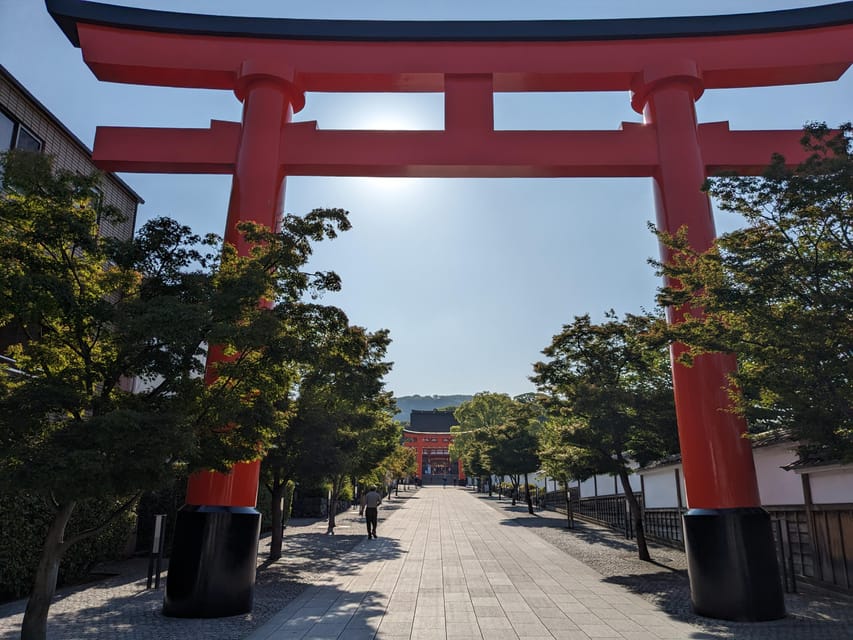
Meet your guide outside, across from the main entrance to JR Inari Station. Look for the bright yellow DeepExperience signboard.
Pay close attention to the train service from Kyoto Station. One party expected a quick ride but took a non-express train that stopped several times and arrived 20 minutes late. In Japan, the difference between local and express services can matter, so leave extra time and confirm the train type before boarding.
You should bring only what you need for the walk. Large bags and luggage are not allowed, and there is no reason to burden yourself on a mountain route. Water is not specifically listed among the requirements, so you should follow the operator’s current instructions when booking rather than assume what is provided.
The early start may be inconvenient if you are staying far from southern Kyoto or have just arrived from another city. Still, the quiet shrine and cooler conditions are the main reason to choose this experience.
Who should book this Fushimi Inari tour?
I would recommend it to first-time visitors who want more than a quick photo stop. It suits you if you like having customs explained, want help finding a good viewpoint, and prefer a planned morning rather than working out the route alone.
It is also a good match for anyone trying to avoid Kyoto’s daytime crowds. The early timing is the central advantage, especially during hot weather. You get the famous gates before the worst of the heat and congestion.
The tour is not a good fit if you want a flat, effortless visit. The mountain walk requires a reasonable level of fitness, and the operator excludes people with back, heart, respiratory, or mobility problems, as well as wheelchair users, people with altitude sickness, and anyone over 70. Those limits are strict, so take them seriously rather than hoping the walk will be easier than described.
The minimum age is 10. Families with younger children will need another plan, and strollers or baby carriages cannot be brought along.
Booking flexibility and practical limits
You can cancel up to 24 hours before the start for a full refund. Reserve-now, pay-later booking is also available, which helps if your Kyoto schedule is still changing.
The tour runs for 150 minutes, but starting times depend on availability. Since the main benefit is beating the crowds, choose the earliest practical option rather than treating the time as a minor detail.
The activity is offered in English. Private and small-group options are available, and the tour provider is DeepExperience, Inc.
Should you book it?
Book this tour if you want Fushimi Inari at its calmest practical hour and would like a local guide to explain the gates, fox statues, shrine manners, and side sites. The strongest reason to pay $70 is not admission. It is the combination of early access, a structured mountain walk, cultural context, and help with photographs and the route.
Skip it if you are comfortable visiting alone, are watching every dollar, or cannot manage an uphill walk. For everyone else, this is a well-focused way to see Kyoto’s most famous shrine before the crowds take over. Just wear proper shoes, travel to the correct station service, and leave your large bag behind.
FAQ
Where does the tour begin?
The meeting point is outside, across from the main entrance to JR Inari Station. Your guide will hold a bright yellow DeepExperience signboard.
How long does the experience last?
The tour lasts 150 minutes, or two and a half hours.
What language is the tour offered in?
The live tour guide speaks English.
Is this a private tour or a group tour?
Private and small-group options are available.
What does the itinerary include?
You spend about 1.5 hours at Fushimi Inari Taisha, 30 minutes at a viewpoint, and 30 minutes at a lesser-known sacred stop before returning to Inari Station.
What should I wear and bring?
Wear comfortable shoes and comfortable clothes. Large bags, luggage, baby strollers, and baby carriages are not allowed.
Who should not take this tour?
It is not suitable for children under 10, people with back, heart, respiratory, or mobility problems, wheelchair users, people with altitude sickness, people with low fitness, or people over 70.
Can I cancel or pay later?
You can cancel up to 24 hours in advance for a full refund. Reserve-now, pay-later booking is available.
Just added around Kyoto
- Kyoto: Zen Meditation at a Private Temple with a Monk★ 5.0 · 25 reviews
- Kyoto: Gion Geisha District & Sake-in-Hand Walking Tour★ 5.0 · 37 reviews
- Private Pewter Sake Cup Experience with a Kyoto Artisan★ 5.0 · 31 reviews
- Your Private Vacation Photography Session In Kyoto★ 5.0 · 110 reviews
- Private Guided Traditional Buddhist Cooking in Japan★ 5.0 · 16 reviews
- Kyoto Wagashi(Japanese sweets) Cooking Class near Fushimiinari★ 5.0 · 60 reviews
- Traditional Japanese Music show & Experience Tour in Kyoto★ 5.0 · 57 reviews
- Kyoto:Family-Friendly Kimono & Yukata Experience at WARGO★ 5.0 · 147 reviews
Fushimi Inari Tours, compared.

Fushimi Inari, Kinkakuji, Bamboo Grove 1 Day Bus Tour
Read our review →
Fushimi Inari Hidden Hiking Tour (Private Option Available)
Read our review →
Kyoto/Osaka: Nara, Fushimi Inari Taisha, Arashiyama Bus Tour
Read our review →
Osaka/Kyoto: Arashiyama, Nara & Fushimi Inari Shrine w/Lunch
Read our review →
Nijo Castle, Kiyomizu & Fushimi Inari Guided Tour
Read our review →
Nijo, Kinkaku-ji, Arashiyama, Kiyomizu & Fushimi Inari
Read our review →
Browse the lists this tour appears in