
Reviewed · KYOTO TOURS
Kyoto: Enjoy Sushi & Market Tour! Best for Family & Couple!
The most engaging part of this Kyoto food experience happens before you sit down to eat. You visit Nishiki Market to see fresh fish prepared, then return to make vinegar rice, miso soup, and three kinds of sushi: nigiri, temari, and temaki. It gives you both a look at professional technique and a chance to make lunch with your own hands.
I especially like the market stop and the creative side of the class. Watching a salmon being cut gives the meal some real context, while shaping temari sushi lets you play with color and design. I also like the useful seasonal sightseeing tips, which can help you plan the rest of your Kyoto visit.
The main caution is the price. At $77 per person, this is good value if you want a full food activity with a market visit, meal, dessert, and local advice. It may feel expensive if you expect constant one-on-one instruction or a long professional cooking lesson.
Key Points Before You Book
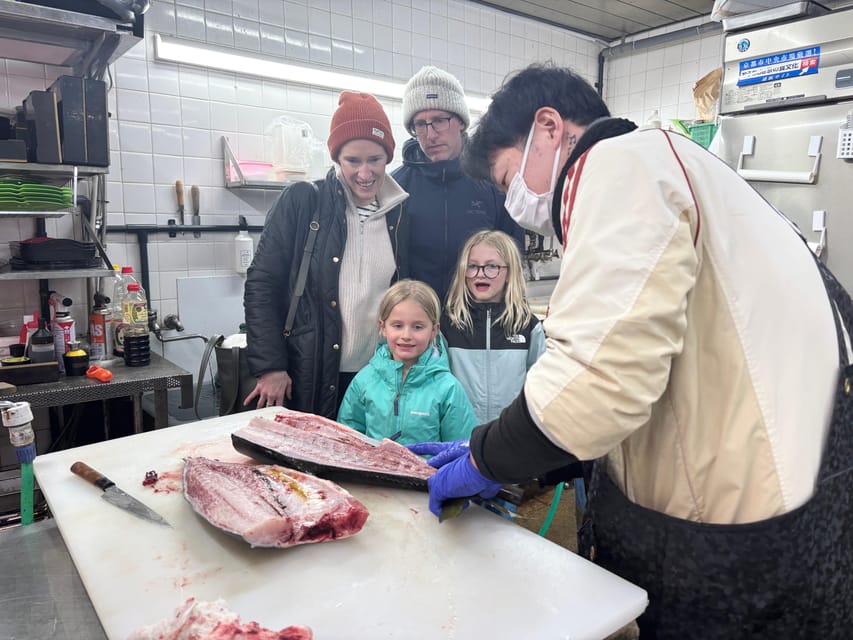
- Watch fish being cut at Nishiki Market: The market visit adds a working-food scene before the cooking begins.
- Make three types of sushi: You prepare nigiri, temari, and temaki, each with a different shape and method.
- Learn dashi and miso soup: You taste and compare dashi before using it in your soup.
- Eat what you make: The class includes sushi, miso soup, dessert, and coffee.
- Small groups keep it manageable: No more than 10 people take part, with instruction in English or Japanese.
- Plan around Kyoto’s seasons: A Kyoto tourism expert shares sightseeing suggestions suited to the time of year.
A Two-Hour Food Lesson Near Kyoto Station
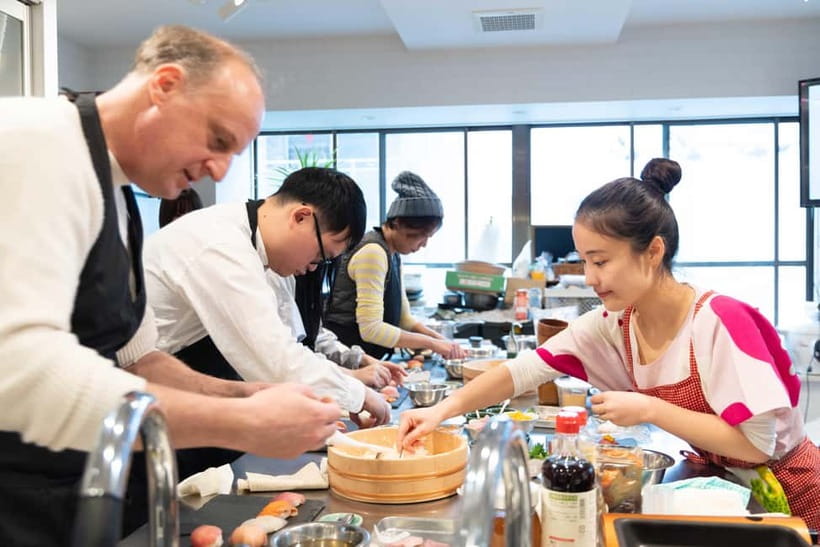
This is a compact activity in Kyoto’s city center, about 10 minutes from Kyoto Station and five minutes from Shijo Station. That location matters. You can fit the class into a day that includes Gion, Kiyomizu-dera, or central Kyoto without spending half your morning getting there.
The meeting point is in front of a building with a hair salon called Salon Roll on the first floor. Look for the building entrance rather than expecting a large tour sign. Since the activity is close to major sightseeing areas, it works well as a midday break or an early stop before visiting nearby sights.
The class lasts two hours. That is enough time for a clear introduction to sushi making and a proper meal, but it is not a long chef-training session. I would choose this class for a practical taste of Japanese food culture, not for advanced knife skills or a detailed study of every sushi tradition.
The group is limited to 10 people. That is small enough for the guide to watch the room, answer questions, and help with basic techniques. Still, the hands-on quality can depend on the day and the instructor’s level of interaction. One mixed experience found the instruction less engaging than expected, so you should keep your expectations realistic: this is a friendly workshop, not guaranteed private coaching.
More market mornings in Kyoto:
- Nishiki Market Brunch Walking Tour (7 Tastings + Brunch)
★ 5.0 · 1,355 reviews - Kyoto Nishiki Market Food and Culture Walking Tour
★ 5.0 · 412 reviews - Kyoto: Nishiki Market Tea Ceremony with Koto Performance
★ 4.8 · 294 reviews
Starting at Nishiki Market With Fresh Fish
The market visit gives the class a useful beginning. Instead of treating sushi as a set of neat pieces on a plate, you see some of the work that comes before it. At Nishiki Market, you select fresh fish and watch skilled vendors cut and prepare it.
Fish cutting is the detail that gives this outing its strongest sense of place. Nishiki Market is one of central Kyoto’s key food areas, and seeing a vendor handle salmon or other fish connects your cooking lesson to the daily food trade. You are not simply working with ingredients brought anonymously into a classroom.
The visit also helps explain why sushi depends on clean cuts, fresh ingredients, and careful handling. You may not receive a full lesson in fish butchery, yet the demonstration gives you a better eye for the precision behind a simple-looking slice.
The market stop is included in the two-hour schedule, so it will be fairly focused. You should not expect a long free period for shopping or a broad food crawl. The purpose here is to choose ingredients and watch the preparation before heading back to the cooking space.
That short format is a plus for families and couples. You get a real market encounter without having to organize a separate visit, and you can move on to the rest of your Kyoto plans afterward.
Making Vinegar Rice and Three Sushi Styles
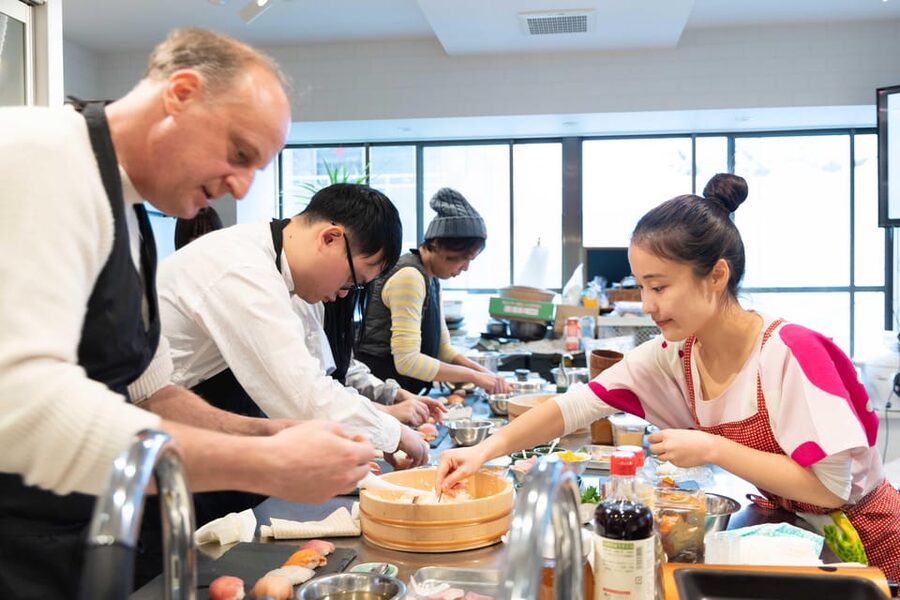
Back at the class, you learn to prepare sushi rice with vinegar. This is an important step because the rice carries much of the flavor and texture of the finished dish. A beginner can easily focus on the fish, but the rice is what makes the pieces hold together and taste balanced.
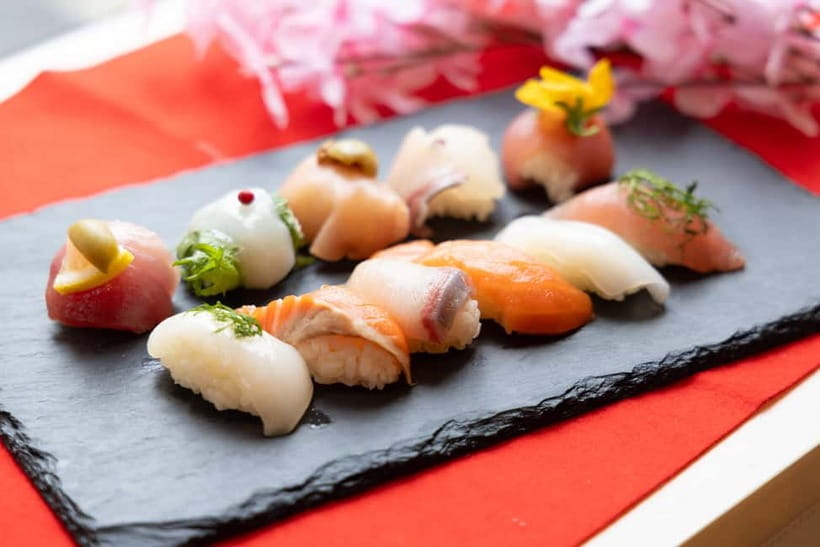
The class covers three forms of sushi. Nigiri is the familiar hand-formed piece with rice topped by fish or another ingredient. It teaches you how to shape rice firmly enough to hold together without crushing it.
Temari sushi is rounded and decorative. This is the playful part of the class, especially for families and couples who enjoy making food that looks as good as it tastes. The artistic angle is not just a slogan. You are encouraged to use your creativity and make pieces suitable for a home party.
Temaki, or hand-rolled sushi, gives you a more casual format. You can assemble it by hand and see how the ingredients work together in a cone-shaped roll. Learning all three styles keeps the class from feeling repetitive.
The lesson is designed for food you can make at home. You are not expected to become a sushi chef in two hours, but you should leave with a useful sense of how to handle the rice and form the basic shapes. The guide can help correct your technique, while still giving you room to make your own choices.
That balance was especially important for one couple who wanted to learn proper methods while trying their own flavors. This is a good sign for confident beginners. You get guidance, but the finished sushi does not have to look identical to everyone else’s.
Dashi Tasting and a Homemade Miso Soup
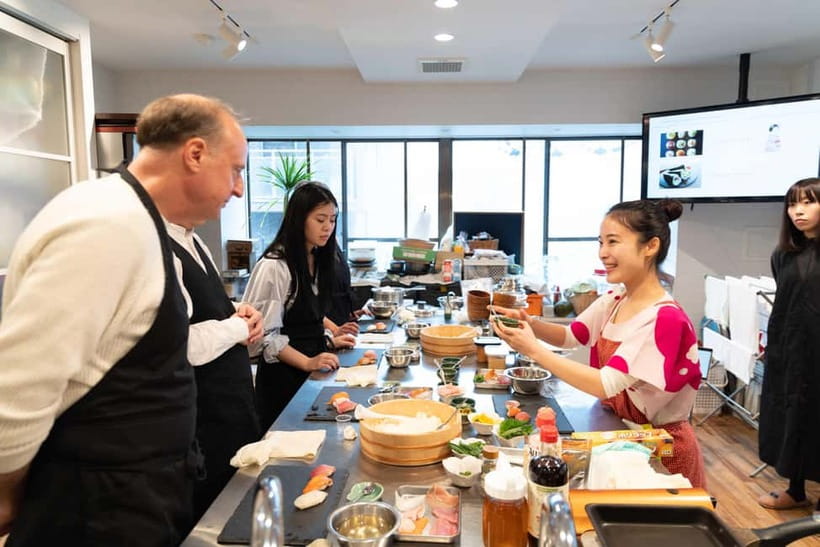
The soup portion adds variety to what could otherwise be a sushi-only lesson. You learn how to make dashi, taste and compare it, and then use it in miso soup.
Dashi is a basic Japanese soup stock, and tasting it directly helps you understand its role. Rather than simply adding miso to hot water, you get a sense of how the stock gives the soup its depth. The comparison is brief, but it makes the lesson more useful than a recipe without context.
Making miso soup also gives children a different task from shaping sushi. One person can work on rice or sushi while another pays attention to the soup, then everyone can share the finished meal. That makes the activity a sensible choice for families who need several kinds of involvement to keep the group interested.
The soup is part of the meal you eat afterward. Along with the sushi, it gives you a proper lunch or light dinner rather than a few samples. That matters when you are comparing the $77 cost with a simple market tasting.
More shopping runs in Kyoto:
- Kyoto: Nishiki Market Brunch Walking Tour-7 Tastings+Brunch
★ 4.8 · 197 reviews - Kyoto: Local Food Tasting Tour at the Nishiki Market
★ 4.7 · 135 reviews - Kyoto: Nishiki Market and Depachika Food Tour with a Local
★ 4.7 · 76 reviews - Kyoto: Nishiki Market Tour with a Local Foodie & Tastings
★ 4.5 · 67 reviews
Sitting Down to Eat Your Own Work
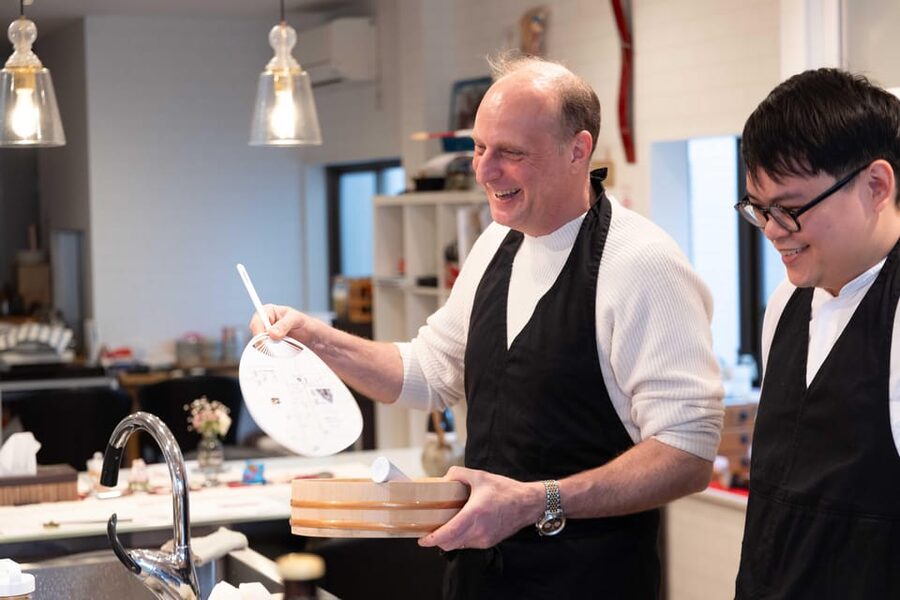
After the preparation, you eat the sushi and miso soup together. The meal is the payoff, but it also lets you see which techniques worked and which pieces were more difficult to shape.
Dessert and coffee are included. The sweet finish has been described as a homemade matcha dessert, adding a Kyoto touch to the meal. Green tea has also been part of the closing spread, and sake and beer are available for an extra charge.
I like that the class ends around a shared table rather than with a rushed goodbye. The meal gives you time to talk with the other participants and ask the guide questions about Japanese food. For couples, it creates a relaxed shared activity. For families, it turns lunch into something everyone helped prepare.
Do not book this expecting a large restaurant-style feast. The point is the making, tasting, and conversation. If you mainly want the biggest possible sushi meal for your money, a restaurant may be a better choice. If you want to understand the food and take part in preparing it, the meal adds real value.
Kyoto Advice Beyond the Kitchen
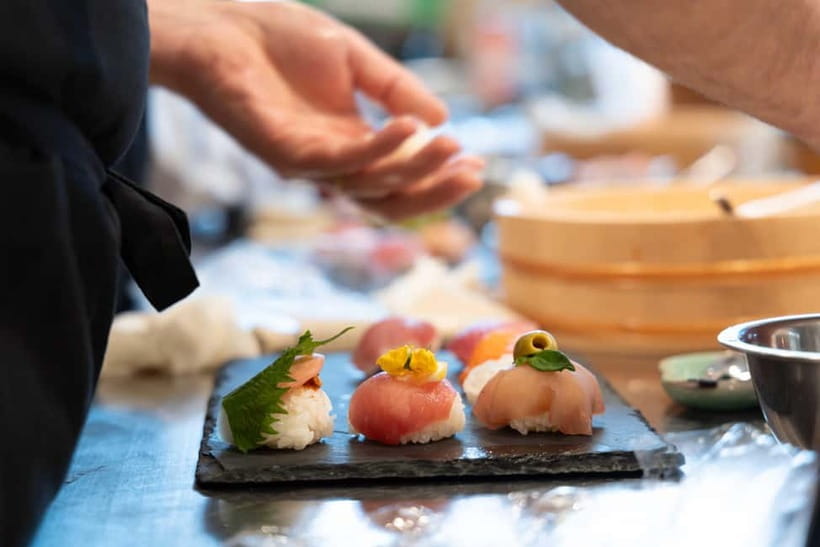
A Kyoto tourism expert shares seasonal sightseeing information during the experience. This is one of the most practical extras, especially if you are visiting during a short stay and still deciding how to use your time.
The advice is not presented as a separate sightseeing tour. Think of it as local planning help woven into the food activity. You might learn what fits the current season or receive suggestions that make sense after your cooking class.
This can be useful for first-time visitors who have a long list of temples, markets, and neighborhoods but limited hours. It also helps place the food in a wider Kyoto setting. You are not only learning how to make sushi, you are getting a chance to ask someone familiar with the city how to shape the rest of your visit.
The value depends on how actively you ask questions. Come ready with a few ideas about Gion, Kiyomizu-dera, or other seasonal plans. The more specific your questions, the more useful this part is likely to be.
Is $77 a Fair Price?
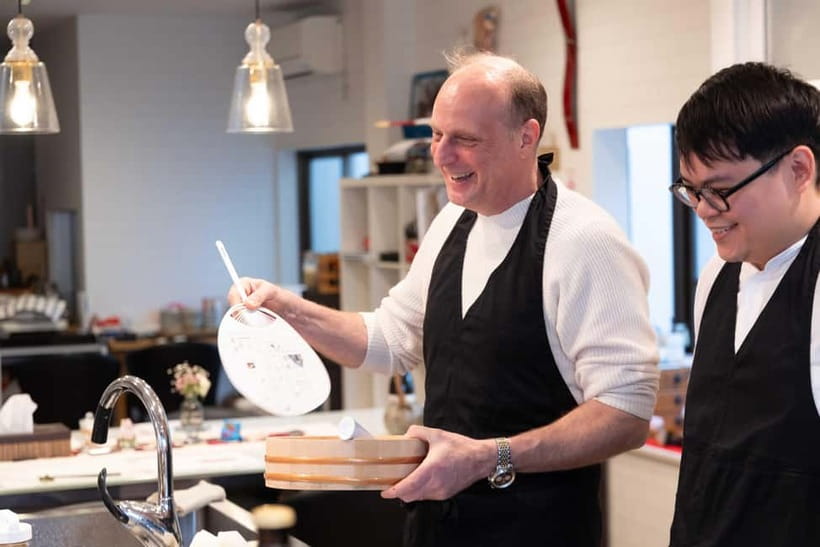
The price is $77 per person. That is not the cheapest way to eat sushi in Kyoto, but the comparison should include everything bundled into the two hours.
You receive:
- A guided visit to Nishiki Market
- Fresh fish selection and a fish-cutting demonstration
- An introduction to Japanese food culture
- Instruction in vinegar rice
- Practice with nigiri, temari, and temaki
- Dashi tasting and miso soup preparation
- A sushi and soup meal
- Dessert and coffee
- Seasonal Kyoto sightseeing information
The ingredients and the meal cover only part of the value. You are also paying for the guide, the organized market access, the cooking space, and the chance to make food in a small group. For a family, the shared activity may be worth more than ordering separate dishes at a restaurant.
The price is less convincing if the class has a passive teaching style. One participant felt the instructor did not interact enough and expected more hands-on attention. That is the clearest reason to consider your own priorities before booking.
The strongest experiences appear to come when the guide is both careful and flexible. A good instructor can show the right technique while allowing you to experiment. Since the rating is 4.8 from 20 reviews, the overall response has been very strong, but no small-group class delivers the same energy every time.
Best for Families, Couples, and Curious Beginners
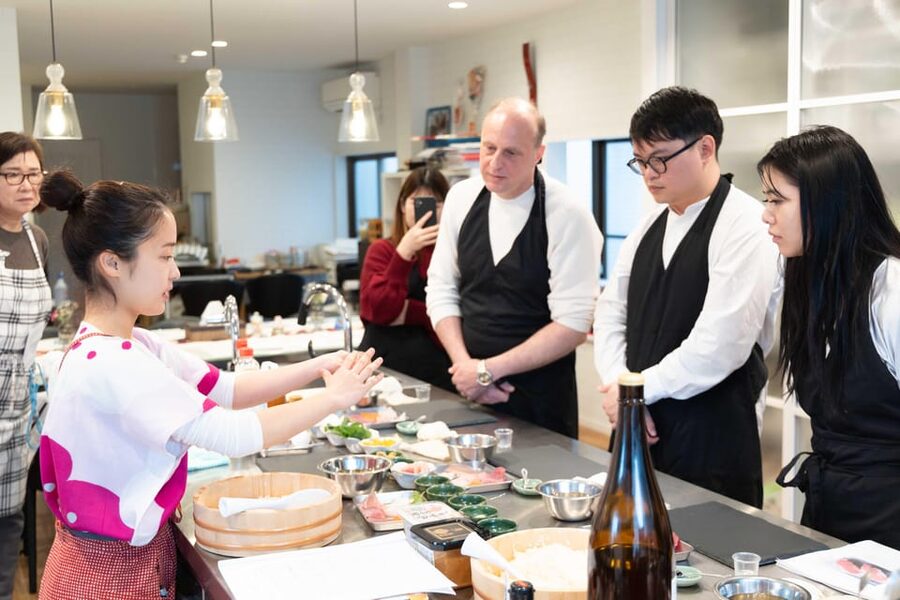
Families are a natural fit. Children can watch the market fish cutting, shape colorful temari sushi, and take part in making soup. The class also avoids the problem of a long museum visit where younger family members are expected to stay quiet and look at objects.
Couples can make the activity feel personal by designing sushi together and sharing the meal afterward. It is more interactive than simply booking a restaurant and gives you a food story to carry into the rest of your Kyoto visit.
Beginners will get the most from the workshop. You learn enough to repeat the main methods at home, and the guide can help with the basic shapes. If you already make sushi often, you may find the class too introductory.
The English and Japanese instruction makes the activity accessible to English-speaking visitors. Wheelchair access is available, which is important for planning, though you should still confirm any personal access needs when booking.
This is also a good choice for people who want a break from temple visits. Kyoto can become a long procession of beautiful buildings and gardens. A market visit and cooking class change the pace without taking an entire day.
Practical Details for a Smooth Visit
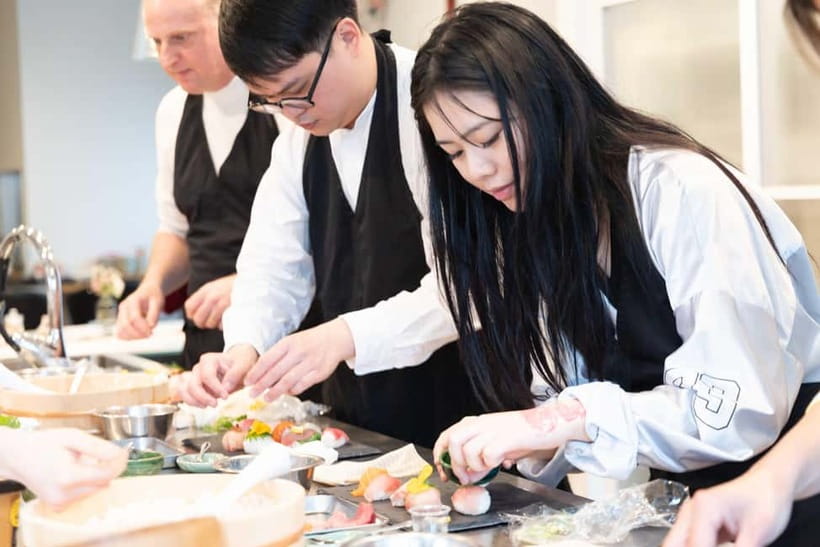
Book this near the middle of a sightseeing day, since the meeting point is central and the class lasts only two hours. It is particularly convenient if you are already planning to visit Nishiki Market, Gion, or Kiyomizu-dera.
Wear something comfortable for food preparation. Smoking is not allowed indoors. The activity is offered in English and Japanese, and the small group size is capped at 10 participants.
You can cancel up to 24 hours before the activity for a full refund. Reserve now and pay later is available, which helps if your Kyoto schedule is still shifting.
The meeting point is in front of the building with Salon Roll on the first floor. Give yourself enough time to find that exact spot, especially if you are coming from Kyoto Station and have not yet learned the streets around central Kyoto.
Should You Book This Kyoto Sushi Class?
I would book this if you want a hands-on food activity with a real Nishiki Market connection. The combination of fish preparation, three sushi styles, dashi tasting, miso soup, dessert, and seasonal city advice packs a lot into two hours.
Families and couples are likely to get the most from it, especially if everyone enjoys making rather than simply eating. The experience also earns its price when you value the guide’s help and the social meal at the end.
I would hesitate only if you want advanced culinary training, a long market tour, or guaranteed one-on-one attention. For most beginners looking for an easy, practical way to connect with Kyoto’s food culture, this is a well-sized activity with plenty to take home besides leftovers.
FAQ
How long does the sushi and market activity last?
The activity lasts two hours.
How much does the experience cost?
The price is $77 per person.
Where is the meeting point?
Meet in front of a building with a hair salon called Salon Roll on the first floor.
How close is the activity to Kyoto Station?
The meeting location is about 10 minutes from Kyoto Station and five minutes from Shijo Station.
What types of sushi will I make?
You will learn to prepare nigiri, temari, and temaki sushi.
Is miso soup included?
Yes. You will learn about dashi, taste and compare it, make miso soup, and eat it with the sushi.
Is the activity available in English?
Yes. Instruction is available in English and Japanese.
Can I cancel for a full refund?
Yes. You can cancel up to 24 hours in advance for a full refund.
Just added around Kyoto
- Kyoto: Zen Meditation at a Private Temple with a Monk★ 5.0 · 25 reviews
- Kyoto: Gion Geisha District & Sake-in-Hand Walking Tour★ 5.0 · 37 reviews
- Private Pewter Sake Cup Experience with a Kyoto Artisan★ 5.0 · 31 reviews
- Your Private Vacation Photography Session In Kyoto★ 5.0 · 110 reviews
- Private Guided Traditional Buddhist Cooking in Japan★ 5.0 · 16 reviews
- Kyoto Wagashi(Japanese sweets) Cooking Class near Fushimiinari★ 5.0 · 60 reviews
- Traditional Japanese Music show & Experience Tour in Kyoto★ 5.0 · 57 reviews
- Kyoto:Family-Friendly Kimono & Yukata Experience at WARGO★ 5.0 · 147 reviews
Kyoto Tours, compared.


Fushimi Inari, Kinkakuji, Bamboo Grove 1 Day Bus Tour
Read our review →
Tea Ceremony in a Traditional Tea House in Kiyomizu
Read our review →
Kyoto Geisha Walking Tour: Gion District & Hidden Gems
Read our review →

Gion Magical Night Walking Tour with Geisha Trivia
Read our review →

Gion Geisha District Walking Tour – Stories of Geisha
Read our review →Browse the lists this tour appears in