
Reviewed · FUSHIMI INARI TOURS
Kyoto: Fushimi Inari Taisha Guided Walking Tour
Fushimi Inari Taisha is Kyoto’s great tunnel of red torii gates, and this tour gives you a useful choice: see the famous lower shrine quickly, or walk farther up Mount Inari for quieter paths and city views. I especially like the small groups of up to nine and the chance to book at short notice. The guide can explain Inari, fox messengers, and the meaning behind the shrine instead of leaving you with a stack of photos and no context.
I also like the tour’s two to three hour length, which fits neatly into a busy Kyoto day. The tradeoff is the uphill walking in the longer option, along with crowds at the most photographed gates and a strict meeting time. If stairs, heat, or prolonged walking are a problem, this is not the right outing.
Key points to know before you book
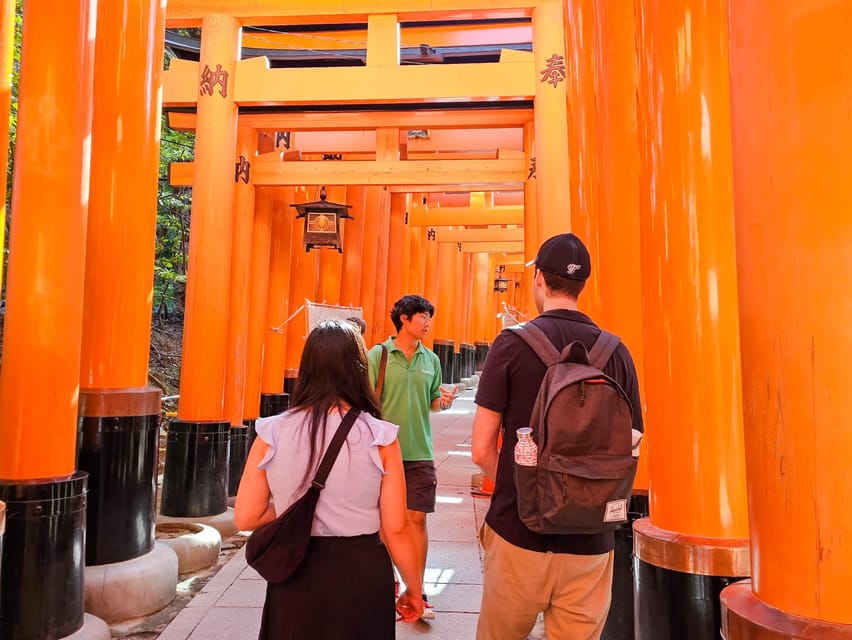
- Choose your walking level: Option A includes both the lower shrine and about an extra hour on Mount Inari. Option B focuses on the lower area and the famous torii gates.
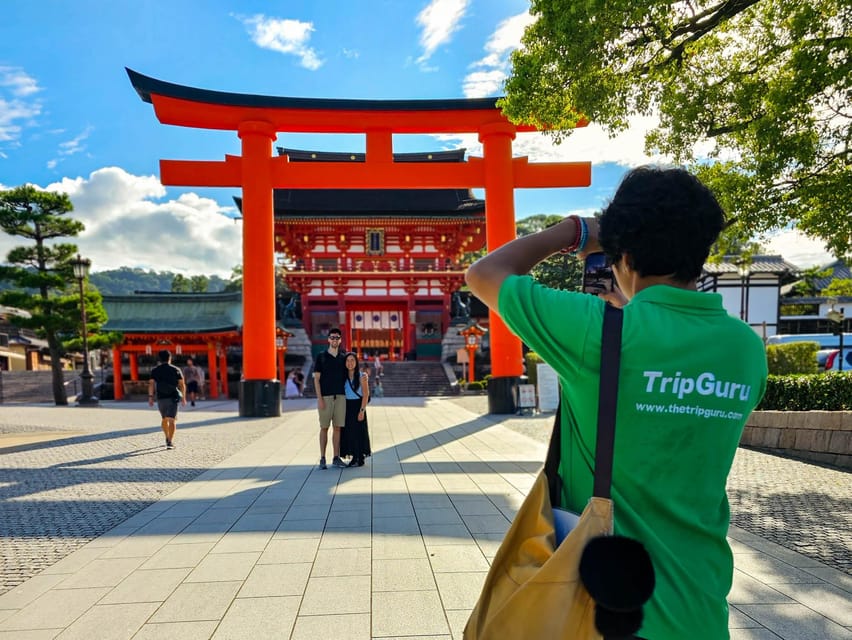
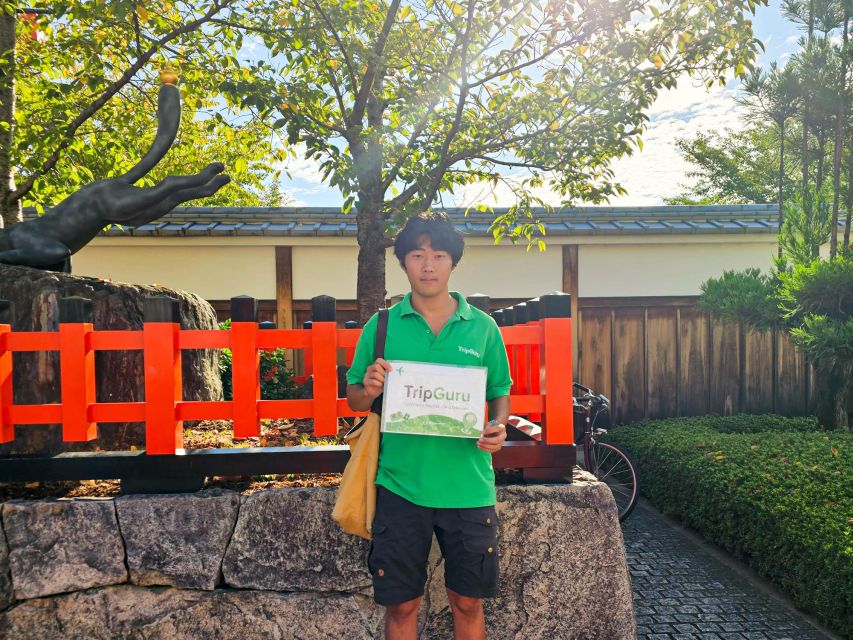
- Meet at a convenience store: The starting point is Daily Yamazaki Fushimi Inari Shrine, where you look for a guide wearing a TripGuru shirt or holding a TripGuru sign.
- Expect real cultural context: Your English-speaking guide explains Inari, agriculture and commerce, fox messengers, shrine layout, and the role of the torii gates.
- Small groups help: The maximum group size is nine, making it easier to ask questions and keep the walk at a sensible pace.
- Street food is part of the route: The plan includes about 30 minutes for street food, but meals and drinks are not included.
- Plan for stairs and sun: Wear comfortable shoes, dress respectfully, carry water, and allow extra time for Kyoto traffic.
Why Fushimi Inari Taisha is worth your time
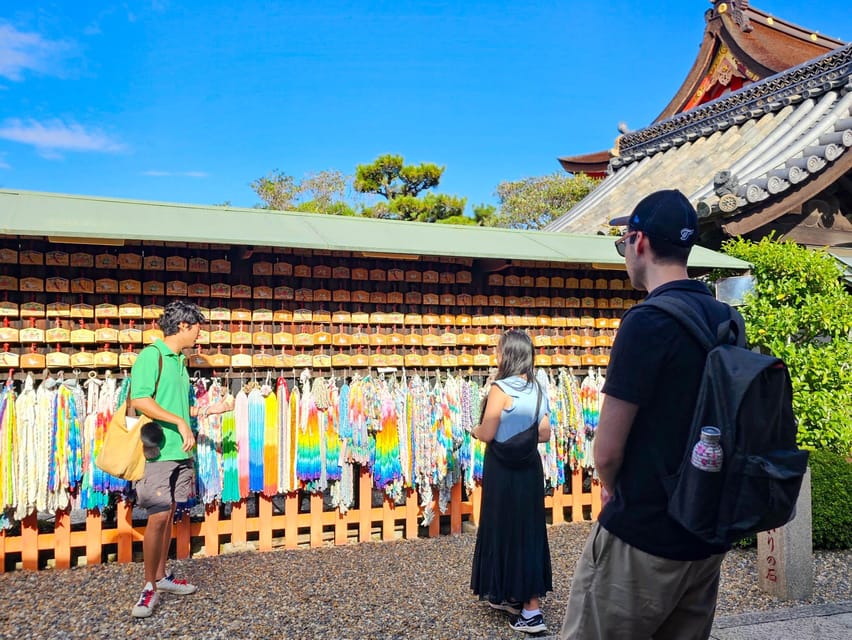
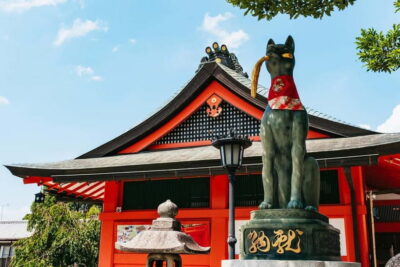
Fushimi Inari Taisha is devoted to Inari, a Shinto deity linked with agriculture and commerce. Foxes are treated as Inari’s messengers, so you will see fox imagery around the shrine. That detail matters because it turns the visit from a simple walk through red gates into a place with a living religious purpose.
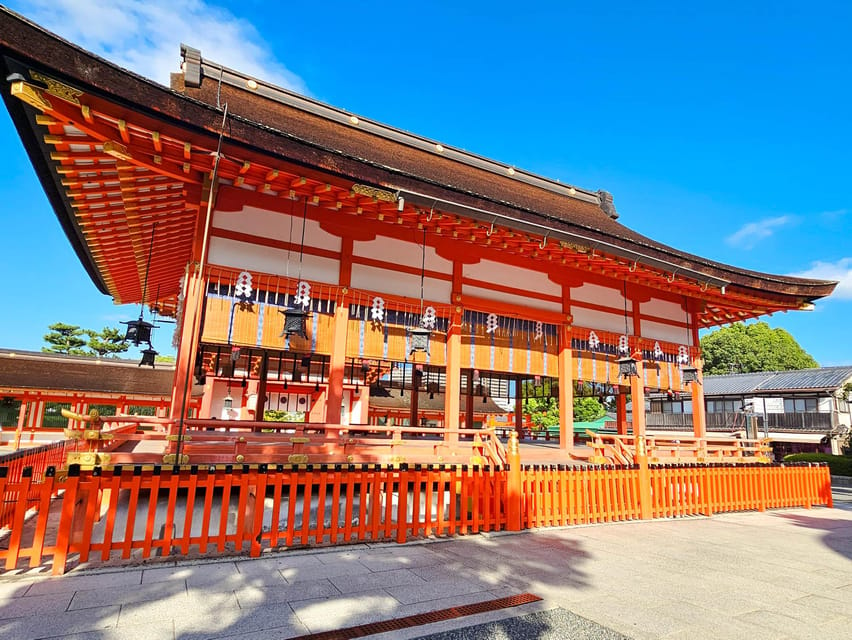
The shrine has a lower section at the foot of Mount Inari and an upper section reached by a trail climbing the mountain. The lower area contains the main entrance, offering hall, and smaller shrines. The upper route is lined with thousands of vermilion torii gates, each one connected with a donation and a wish for good fortune in business or farming.
You can walk through the gates on your own, of course. The trouble is that the meaning of the shrine can be easy to miss. A guide gives you the basic map of what you are seeing, points out details you might overlook, and helps you understand why the gates are there in such numbers.
This tour is not mainly about a long lecture. It is a guided walk through an active shrine, with explanations fitted into the route. That works well if you want useful cultural background without committing half a day to a formal museum-style tour.
More ways to walk Fushimi Inari:
- Kyoto: Fushimi Inari, Kinkakuji, Bamboo Grove 1 Day Bus Tour
★ 4.8 · 4,316 reviews - Fushimi Inari Hidden Hiking Tour (Private Option Available)
★ 5.0 · 1,750 reviews - Kyoto/Osaka: Nara, Fushimi Inari Taisha, Arashiyama Bus Tour
★ 4.7 · 1,275 reviews
Meeting your guide at Daily Yamazaki
The tour begins at Daily Yamazaki Fushimi Inari Shrine. Look for the guide wearing a TripGuru shirt or holding a TripGuru sign. This is a simple meeting arrangement, but you should not cut it close.
The guide waits a maximum of 10 minutes before moving on. Morning traffic can also take longer than navigation apps suggest, so leave a cushion. Kyoto’s rail connections can be efficient, but the final approach and pedestrian traffic still deserve attention.
Once the group is together, the guide leads you toward Fushimi Inari Taisha. The route is on foot, and the activity includes entrance fees and guiding. Hotel pickup and drop-off are not included, so you handle your own way to the meeting point and onward plans after the tour.
The small-group limit is nine people. That is a practical size for a walking tour in a popular shrine. You can ask about a symbol, stop briefly for a photograph, or request clarification without trying to speak over a large crowd.
The lower shrine and first torii gates
The lower section is the best choice if your time is tight or you want the recognizable red-gate experience without a longer mountain walk. It includes the main entrance, offering hall, and several smaller shrines, giving you more than a quick photo stop.
This option is also the sensible choice for anyone who wants to save energy for another Kyoto sight. The torii gates begin close to the shrine entrance, so you can get the defining Fushimi Inari experience without committing to the full trail.
Still, the lower route has a limitation. The most famous gate passages can be crowded, especially at popular times of day. Your guide can help you move through the area and explain what you are seeing, but no tour can remove the shrine’s popularity.
Option B is described as the shorter choice for people who want to go straight to the Instagram-friendly torii gates. It is useful for a packed schedule, though it gives you less of Mount Inari and fewer chances to see the shrine’s smaller upper sections.
Walking beneath thousands of vermilion gates
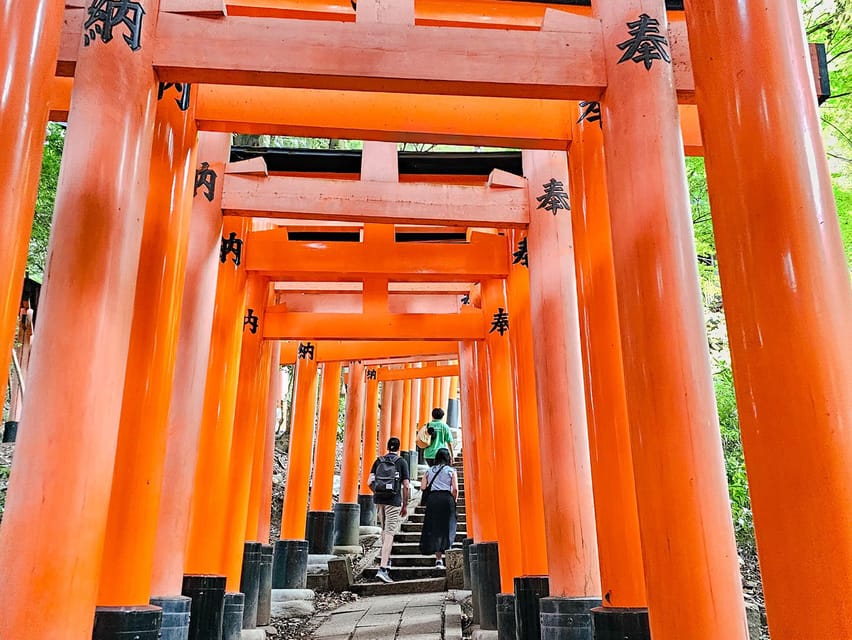
The torii gates are the visual heart of the visit. Their repeated red-orange frames create a long, striking passage up the mountain. The effect is memorable because the gates are not a single monument. They form a walking route that continues from one section to the next.
Your guide can put the gates in context rather than treating them as decoration. The shrine’s connection with Inari and the tradition of donations help explain why the route contains so many torii. Look beyond the main path, too. Smaller shrines and fox figures help show that Fushimi Inari is more than a scenic corridor.
You should expect to share the main route with other people. The lower section is the busiest part, and stopping in the middle of a gate tunnel can block the flow. I would take photographs at the side when possible and follow the guide’s advice about where to pause.
The walking surface and stairs make comfortable shoes essential. The tour is not suitable for people with mobility impairments, heart problems, respiratory issues, or pregnancy. It is wise to treat the longer option as a genuine uphill hike, not a flat stroll with a few steps.
More walking tours in Kyoto:
- Kyoto Geisha Walking Tour: Gion District & Hidden Gems
★ 4.7 · 3,273 reviews - Kyoto: Gion Magical Night Walking Tour with Geisha Trivia
★ 4.9 · 2,393 reviews - Kyoto: Gion Geisha District Walking Tour – Stories of Geisha
★ 4.7 · 2,187 reviews - Night Walk in Gion: Kyoto’s Geisha District
★ 4.5 · 2,003 reviews
Option A: continuing up Mount Inari
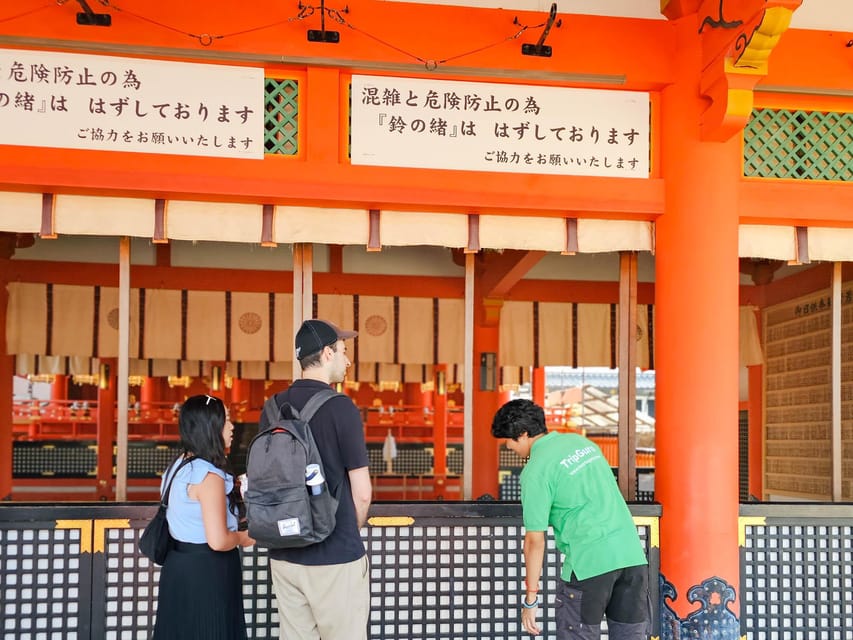
Option A adds the upper shrine and roughly an hour of walking. The trail climbs Mount Inari through more torii gates, with smaller shrines along the way and views toward Kyoto and the surrounding mountains.
The reward is a fuller sense of the shrine. The lower section gives you the iconic image, but the mountain trail shows how the religious site spreads into the wooded slopes. The route also gives you a chance to get away from the densest concentration of people near the entrance, though you should not expect complete solitude.
The views are another reason to choose Option A. The supplied tour details describe city and mountain views from the upper area, so the walk is not only about gates. You gain a wider look at Kyoto while learning how the shrine is arranged.
The drawback is clear: you walk for longer and climb higher. In warm weather, the uphill route can feel demanding. The tour information advises comfortable shoes, and some guides have paid close attention to water and rest breaks. Cody, for example, was praised for checking on hydration and stopping when needed, while other guides helped older group members pace themselves.
You should choose Option A if you enjoy walking and want a more complete visit. Choose Option B if the gates are your main goal, your schedule is narrow, or you would rather keep your energy for the rest of Kyoto.
A guide makes the difference
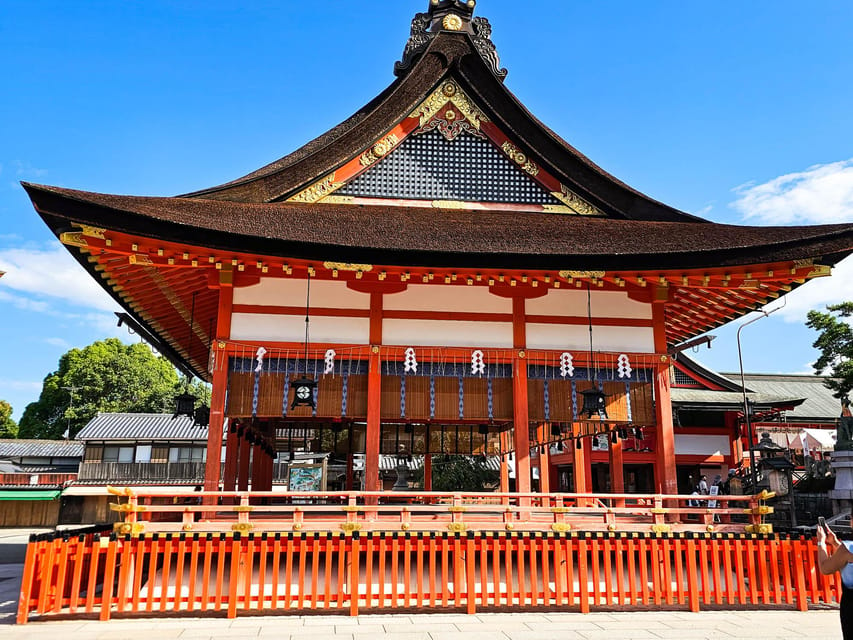
The strongest part of this experience is the human element. A shrine can be beautiful but confusing when you do not know what the symbols, offerings, or fox figures mean. An English-speaking guide gives you a framework and answers questions as they come up.
Katz has been praised for clear explanations, friendliness, and enthusiasm. Christiana was described as personable and approachable. Raphael helped a group that included two children and strollers, while Nobumasa was singled out for being friendly and well prepared.
You should not assume every tour will be private. The listed maximum is nine participants, though one booking became a one-on-one experience because of the group makeup. That possibility is a bonus, not a promise.
The personal help can be useful in small ways, too. Guides have taken photographs, suggested places to eat, carried a bag, and made sure people had water. Those gestures are not listed guarantees, but they show the kind of practical attention you may receive from a good guide.
The best guides also know when to slow down. Older members of one group were given extra patience, and another guide checked often for breaks. If you have a health concern or serious walking limitation, though, do not rely on goodwill alone. The activity is specifically marked unsuitable for several medical and mobility conditions.
The 30-minute street-food stop
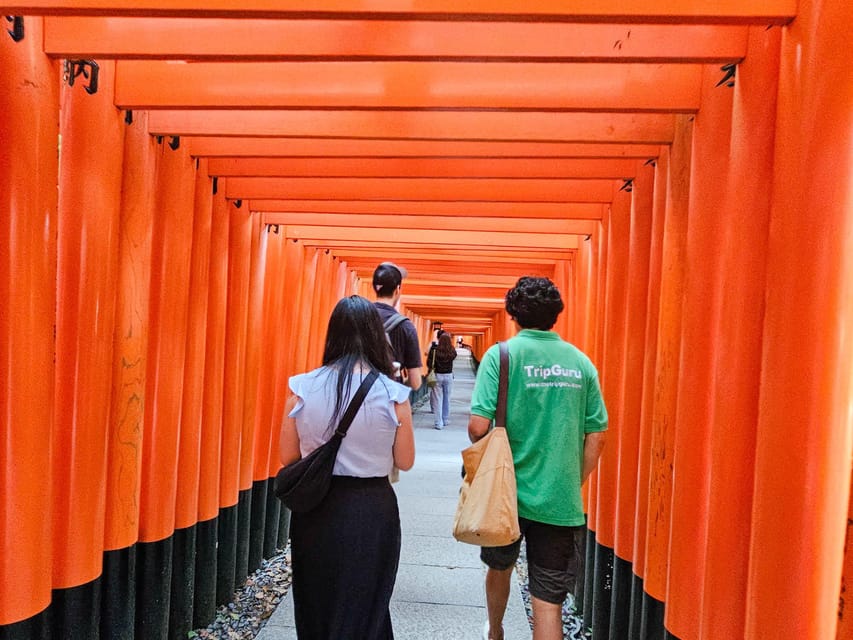
The itinerary includes about 30 minutes for street food after the shrine walk. This adds a casual local flavor and gives you time to pause after the gates and mountain path.
Meals and other drinks are not included, so bring money if you want to buy something. The available information does not promise a particular food stall or a set tasting menu. Think of this as time to explore and purchase something yourself, not a full food tour.
This stop is useful after Option A because the extra walking can work up an appetite. It also helps break up the experience for people who do not want two or three hours of nonstop guiding. If you are on a strict schedule, remember that the food stop is part of the planned timing.
Is $24 a good value?
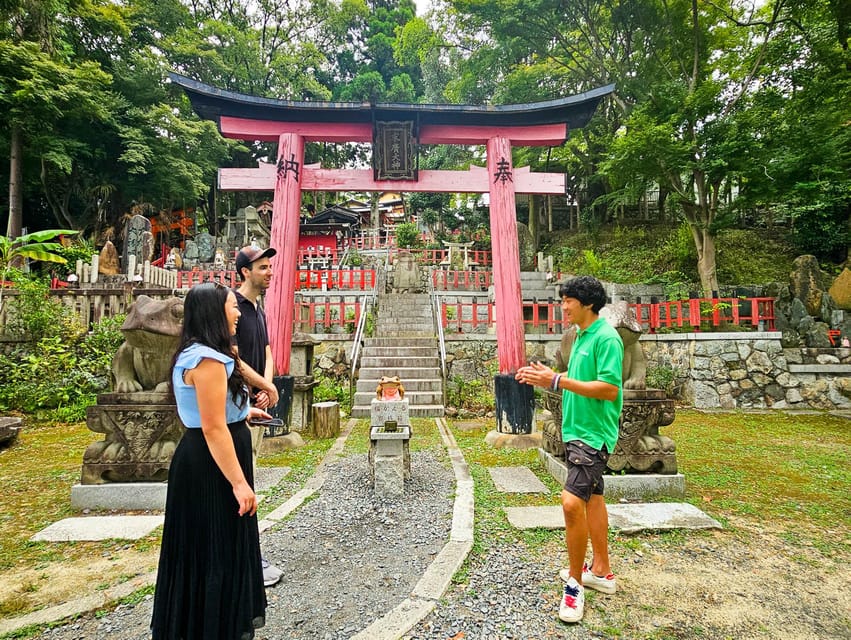
At $24 per person, this is a reasonably priced way to add structure to a visit that many people make independently. You pay for an English-speaking guide, entrance fees, and the walking tour. The real value is the explanation of the shrine and the ability to choose between a shorter lower route and a longer mountain route.
If you only want photographs of the torii gates, you may not need to pay for a guide. Fushimi Inari is accessible as a self-guided visit, and the lower area can be visited without committing to a scheduled group.
I think the price makes more sense if you care about context, want help with the shrine layout, or have limited time in Kyoto. A two to three hour guided visit can prevent you from wandering without knowing how far to continue or what you are looking at.
The small group also supports the value. A group of nine or fewer is easier to manage than a large procession, and you have a better chance of asking about Inari, fox messengers, the torii gates, or the mountain shrines.
The reserve-now-and-pay-later option adds flexibility, and cancellation is free up to 24 hours before the activity for a full refund. Same-day and last-minute bookings are accepted, subject to availability. That is useful if your Kyoto schedule changes, but you still need to arrive on time.
Dress, weather, and practical comfort
Fushimi Inari is a religious site, so dress modestly and respectfully. Avoid revealing clothing such as tank tops and very short shorts. This is not just a matter of appearance. You are walking through an active shrine, not a theme park.
Wear shoes suited to stairs and uneven walking. Carry water, especially if you select Option A or visit during warm weather. The guide may help with breaks, but you should arrive prepared rather than count on supplies along the route.
The tour is conducted in English. It includes no hotel transportation, meals, or personal purchases. You are responsible for reaching Daily Yamazaki Fushimi Inari Shrine and for anything you buy during the street-food portion.
I would also keep your schedule flexible after the meeting time. Traffic can be heavier than a map estimate, and the guide will not wait more than 10 minutes. Arriving early is the simplest way to protect the booking.
Who should book this Fushimi Inari tour?
I would recommend it to a first-time Kyoto visitor who wants the shrine explained in plain English. It fits well between other plans, and the option to add the mountain trail lets you decide how much walking you want once you understand the route.
It is also a good match for solo visitors and couples who prefer company without joining a huge group. You can ask questions, get help with photos, and receive basic guidance on pacing and nearby food.
Families may find it useful, especially if the guide is attentive to children and equipment. Raphael’s help with a group that had two kids and strollers shows that practical support is possible, but the formal restrictions still matter. Strollers do not remove the stairs or uphill demands.
I would skip it if you dislike scheduled meeting times, cannot manage an uphill walk, or only want a completely independent visit. People with pregnancy, mobility, heart, or respiratory concerns should choose a different way to see Kyoto.
Should you book it?
Book this tour if you want more than a quick photo beneath the red gates. The $24 price is strongest when you use the guide for cultural explanation, choose Option A for the mountain views, and take advantage of the small group.
Choose the lower option if your time or energy is limited. Arrive early, wear proper shoes, dress respectfully, and bring money for the street-food stop. With those points in mind, this is a practical, flexible introduction to one of Kyoto’s most memorable shrines.
FAQ
How long does the Fushimi Inari walking tour last?
The tour lasts two to three hours. The longer option includes about an extra hour of walking on the Mount Inari trail.
Where do I meet the guide?
Meet at Daily Yamazaki Fushimi Inari Shrine. The guide will wear a TripGuru shirt or hold a TripGuru sign.
Is the tour conducted in English?
Yes. The activity includes a live English-speaking guide.
Can I choose a shorter route?
Yes. Option B covers the lower part of Fushimi Inari and focuses on the torii gates. Option A includes both the lower and upper sections and more walking.
Are food and drinks included?
No. The itinerary includes about 30 minutes for street food, but meals, drinks, and personal purchases are not included.
What happens if I need to cancel?
You can cancel up to 24 hours in advance for a full refund. You can also reserve the activity and pay later, subject to availability.
Just added around Kyoto
- Kyoto: Zen Meditation at a Private Temple with a Monk★ 5.0 · 25 reviews
- Kyoto: Gion Geisha District & Sake-in-Hand Walking Tour★ 5.0 · 37 reviews
- Private Pewter Sake Cup Experience with a Kyoto Artisan★ 5.0 · 31 reviews
- Your Private Vacation Photography Session In Kyoto★ 5.0 · 110 reviews
- Private Guided Traditional Buddhist Cooking in Japan★ 5.0 · 16 reviews
- Kyoto Wagashi(Japanese sweets) Cooking Class near Fushimiinari★ 5.0 · 60 reviews
- Traditional Japanese Music show & Experience Tour in Kyoto★ 5.0 · 57 reviews
- Kyoto:Family-Friendly Kimono & Yukata Experience at WARGO★ 5.0 · 147 reviews
Fushimi Inari Tours, compared.

Fushimi Inari, Kinkakuji, Bamboo Grove 1 Day Bus Tour
Read our review →
Fushimi Inari Hidden Hiking Tour (Private Option Available)
Read our review →
Kyoto/Osaka: Nara, Fushimi Inari Taisha, Arashiyama Bus Tour
Read our review →
Osaka/Kyoto: Arashiyama, Nara & Fushimi Inari Shrine w/Lunch
Read our review →
Nijo Castle, Kiyomizu & Fushimi Inari Guided Tour
Read our review →
Nijo, Kinkaku-ji, Arashiyama, Kiyomizu & Fushimi Inari
Read our review →
Browse the lists this tour appears in