
Reviewed · FUSHIMI INARI TOURS
Kyoto: Fushimi Inari Taisha Shrine Walking Tour with Guide
Fushimi Inari is famous for its seemingly endless red Torii gates, but this tour adds something many quick visits miss: a guided look at Kyoto customs, local neighborhoods, and Sekiho-ji Temple. You travel by public transport, then trade the shrine crowds for a quieter temple and Zen garden.
I like the use of Kyoto-certified guides, who can explain the manners and traditions behind what you are seeing. I also like the stop at Sekiho-ji, where the Jizo statues offer a more peaceful counterpoint to Fushimi Inari. The main drawback is that the two-hour walk may feel brisk, and train fare is not included.
Key points at a glance
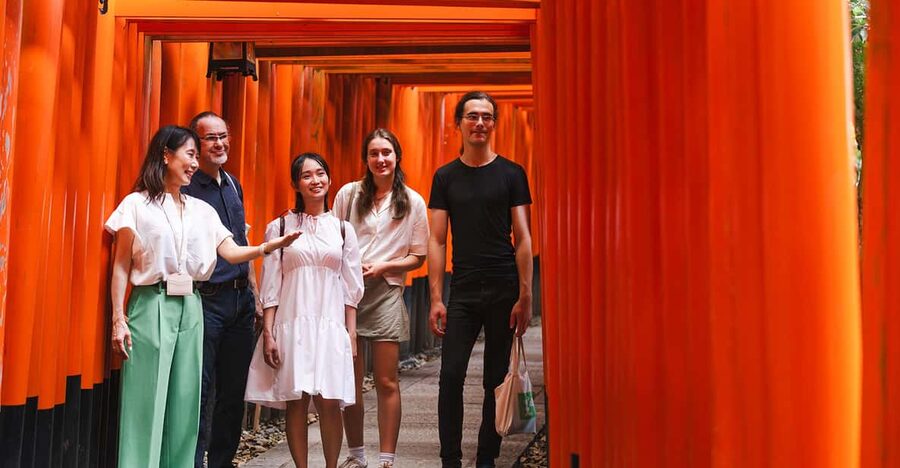
- Walk through the Senbon Torii: See Fushimi Inari’s celebrated rows of orange-red gates with context from an official Kyoto guide.
- Visit Sekiho-ji Temple: Look for its quiet Zen garden and distinctive Jizo statues after the shrine visit.
- Use public transportation: Travel from Kyoto Station by train instead of relying on a private vehicle.
- Learn local etiquette: Get practical explanations of shrine customs, temple behavior, and Kyoto traditions.
- Tour in English: The experience is offered only in English and takes about two hours.
- Book for weekday dates: It runs from October 6 to 31, 2025, excluding Saturdays and Sundays.
Starting at Kyoto Station with a Kyoto-certified guide
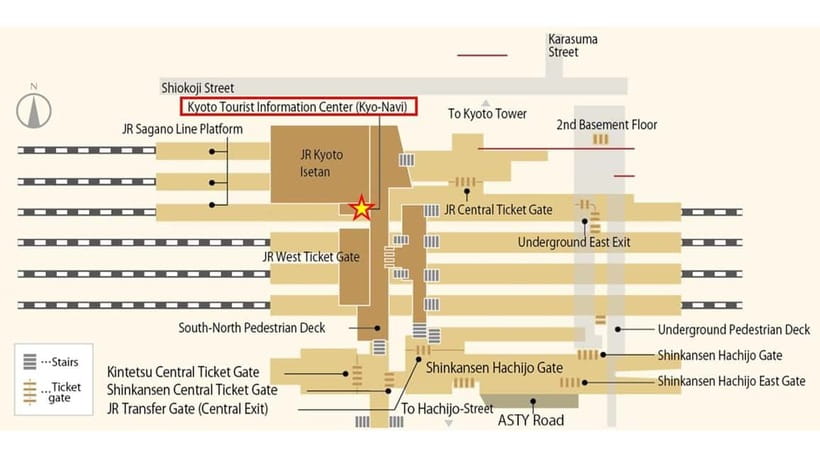
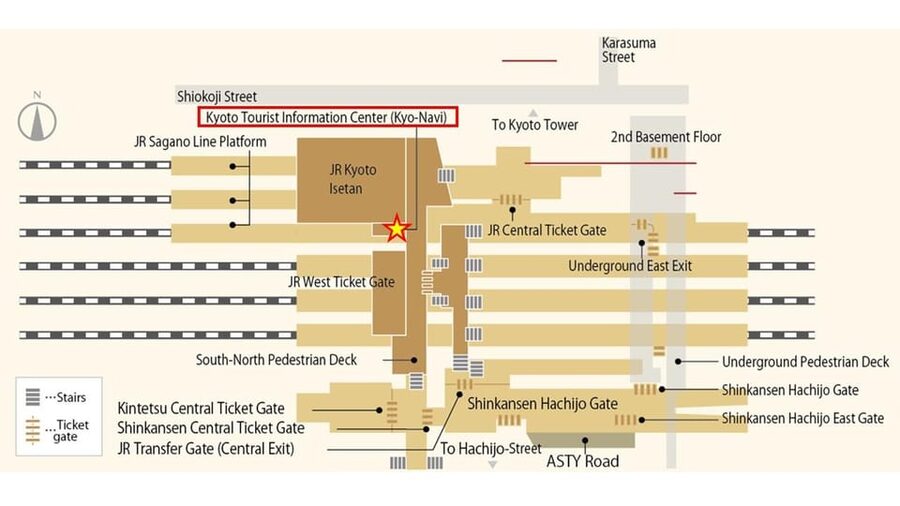
The meeting point is Kyo-Navi, the Kyoto Tourist Information Center on the second floor of Kyoto Station. This is a sensible place to begin, but Kyoto Station can feel like a small city, so arrive early.
Find the pedestrian walkway on the north side of the station. It leads toward the center beside the south side of the large Kyoto JR Isetan department store. If you get turned around, ask for Kyo-Navi, the local name for the center. Your confirmation email should contain the final meeting details.
I recommend arriving well before the scheduled start. The tour cannot wait for late arrivals, and a missed start is especially frustrating when the meeting point is inside a busy station.
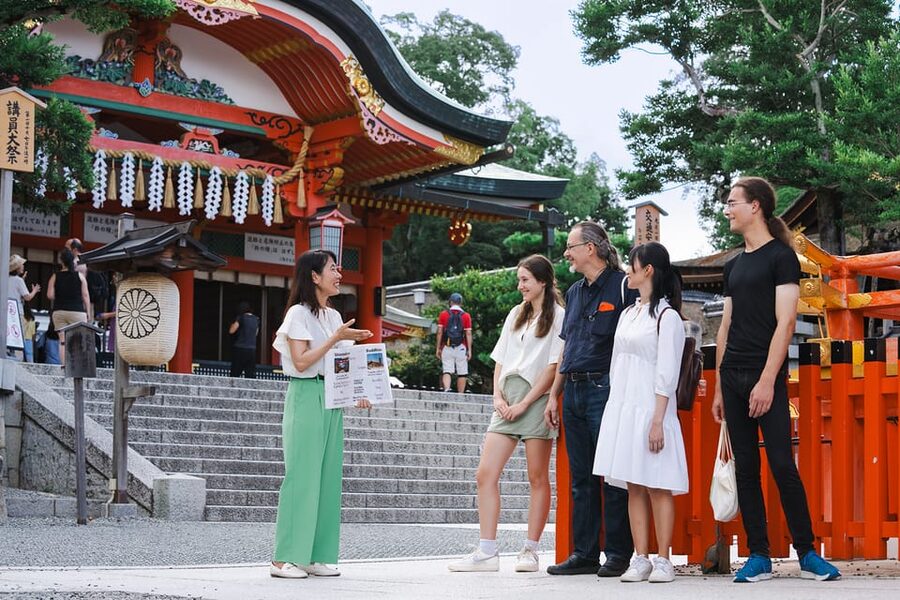
The tour is led by a Kyoto city officially certified guide. That matters here because Fushimi Inari is easy to see but harder to interpret. You can walk beneath the gates on your own, yet a guide can help explain the customs and traditions that shape a shrine visit.
The guides also add a human touch. Junko, one of the guides associated with this experience, is described as engaging and helpful, with a gift for offering interesting explanations. Another guide was praised for clear communication and for answering questions carefully. The strongest feature of the tour is not simply getting to Fushimi Inari. It is having someone make sense of what you are seeing.
More ways to walk Fushimi Inari:
- Kyoto: Fushimi Inari, Kinkakuji, Bamboo Grove 1 Day Bus Tour
★ 4.8 · 4,316 reviews - Fushimi Inari Hidden Hiking Tour (Private Option Available)
★ 5.0 · 1,750 reviews - Kyoto/Osaka: Nara, Fushimi Inari Taisha, Arashiyama Bus Tour
★ 4.7 · 1,275 reviews
Riding the train to Fushimi Inari
Instead of arranging a private transfer, the group uses public transportation from Kyoto Station. This keeps the outing tied to daily Kyoto life and supports the tour’s greener approach.
Train fare is not included, so carry money or a transit card suitable for your journey. The description does not specify the exact fare, train line, or departure time, so check the meeting instructions before setting out and ask the guide for help if you are unsure about the ticketing process.
There is a practical advantage to beginning at Kyoto Station. You learn where to meet, how the city’s transport system fits together, and how to move around without depending on a car. For a short tour, that local orientation can be useful for the rest of your stay.
The tradeoff is that public transport is less private and less flexible than a vehicle. You will be traveling as part of a group, and the schedule follows the train rather than your own pace. Still, for a central Kyoto attraction, the arrangement makes good sense.
Entering Fushimi Inari and the Senbon Torii
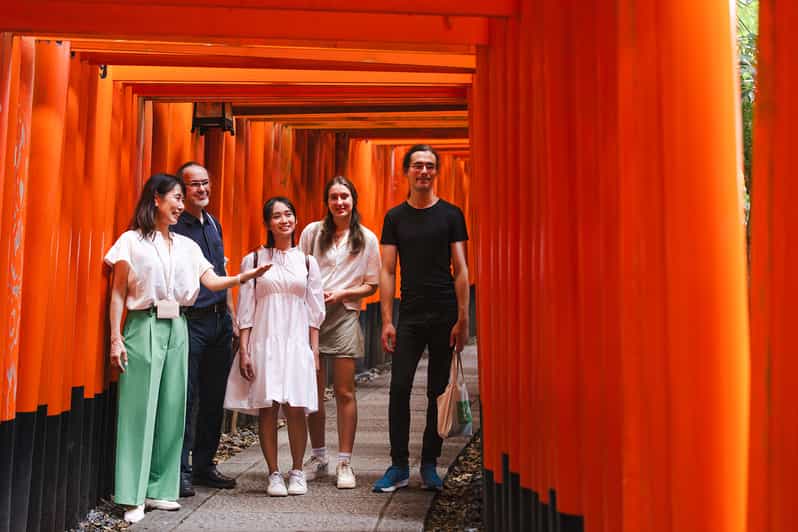
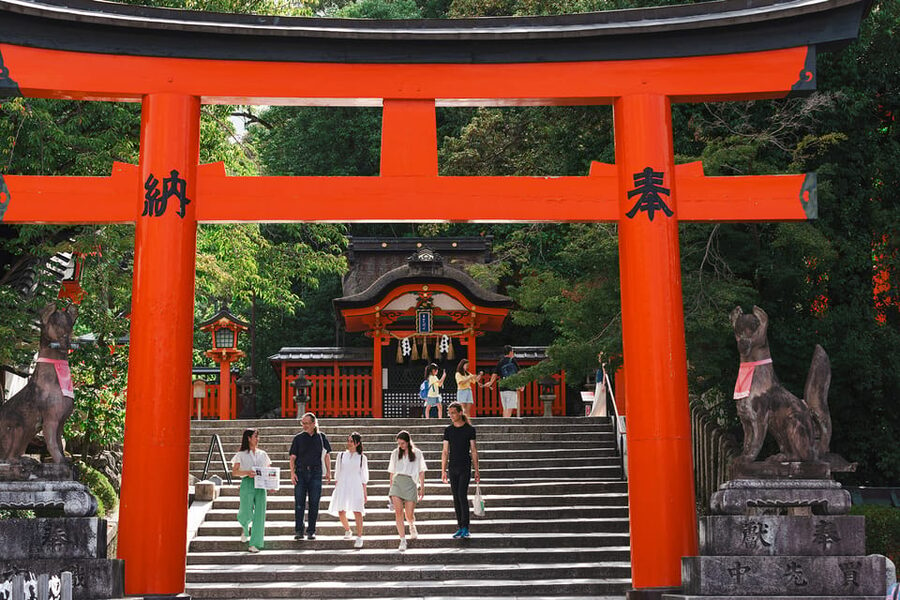
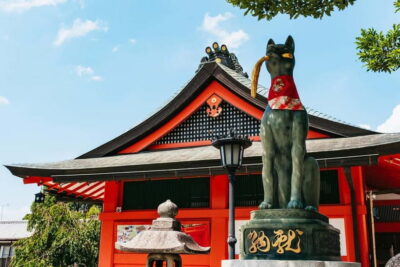
Fushimi Inari Taisha is one of Kyoto’s most recognizable sights. Its orange-red Torii gates form long corridors on the shrine grounds, creating the famous Senbon Torii, or thousand Torii, effect.
The visual impact is immediate. Gate after gate creates a rhythmic path through the wooded shrine setting. You will want to stop for photographs, but this is also where a guide can keep the visit from becoming a simple photo walk.
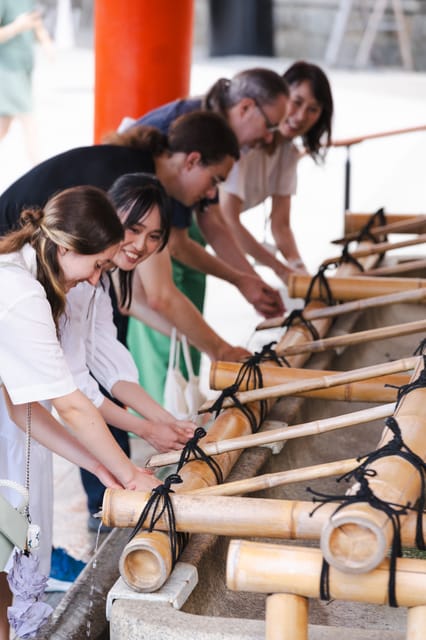
Use the time to ask about proper shrine etiquette. The experience is designed to explain how to behave at a Japanese shrine and how local customs connect with the place. That guidance is valuable if you want to do more than pass through respectfully without knowing what the gestures and spaces mean.
Fushimi Inari is also a major Kyoto attraction, so it is not a secret or isolated stop. The tour does not promise an empty path. Its value comes from combining the well-known shrine with interpretation and a second, quieter temple visit.
The time available is about two hours for the full walking experience, including transport and both religious sites. That means you should not expect an extended climb through every section of the mountain trails. The itinerary focuses on a manageable visit to the shrine and then moves on to Sekiho-ji.
Wear comfortable shoes. Even a short route around Fushimi Inari involves walking, standing, and uneven ground in places. The tour is specifically recommended for people who enjoy walking, so it is not the best pick if you want a mostly seated sightseeing outing.
Finding a quieter side of Kyoto at Sekiho-ji
After Fushimi Inari, the tour continues to Sekiho-ji Temple. This change of mood is one of the best reasons to choose the experience.
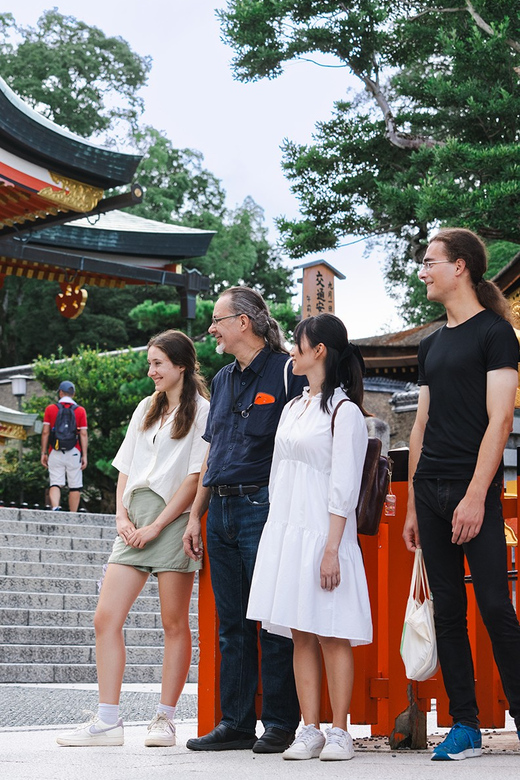
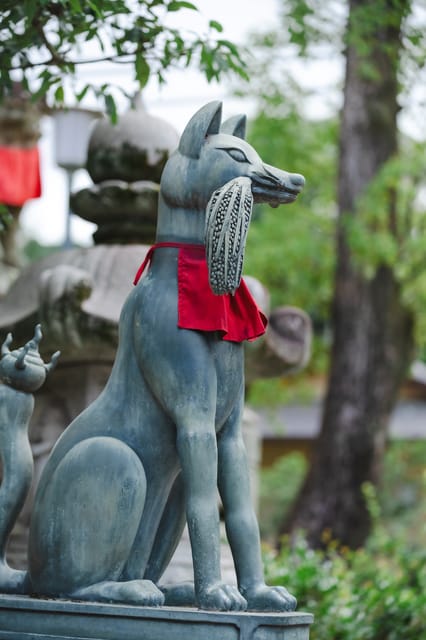
The shrine provides the grand visual moment, while Sekiho-ji offers a calmer setting with a Zen garden and Jizo statues. The Jizo figures are described as a hidden sanctuary within the route, and they give the temple a distinct character rather than making it feel like a second version of the shrine.
Jizo statues are familiar figures in Japanese religious settings, often associated with protection and care. The tour’s guide can help you understand why these statues matter and what you are seeing. That kind of explanation turns a quick stop into a more thoughtful part of the morning or afternoon.
The Zen garden is another strong point. You may find that its quiet design offers a welcome pause after the striking repetition and movement of the Torii gates. One of the most appealing parts of the route is this contrast: a major shrine known around the world, followed by a smaller temple where the atmosphere is more restrained.
Entry to Sekiho-ji is included in the $34 price. That helps the value, since you are not paying separately for the temple visit. Fushimi Inari itself does not require a separate entry ticket according to the information provided, but the tour price covers the guide and Sekiho-ji admission rather than your train fare.
More walking tours in Kyoto:
- Kyoto Geisha Walking Tour: Gion District & Hidden Gems
★ 4.7 · 3,273 reviews - Kyoto: Gion Magical Night Walking Tour with Geisha Trivia
★ 4.9 · 2,393 reviews - Kyoto: Gion Geisha District Walking Tour – Stories of Geisha
★ 4.7 · 2,187 reviews - Night Walk in Gion: Kyoto’s Geisha District
★ 4.5 · 2,003 reviews
What the $34 price really buys you
At $34 per person, this is not a full-day tour or a private sightseeing service. You are paying for a focused, two-hour introduction to two religious sites, a certified English-speaking guide, and admission to Sekiho-ji.
The price makes the most sense if you want cultural explanation and a fixed route. A self-guided visit to Fushimi Inari costs less in guide fees, but you would need to arrange your own transport, interpret shrine etiquette, and find Sekiho-ji yourself. The tour’s extra value is the connection between the places.
The public transport format also keeps the price lower than a private car tour. It is practical rather than luxurious. You will need to pay your own train fare and arrange your own way to Kyoto Station, and food and drinks are not included.
For a first visit to Kyoto, I think the cost is fair if you are curious about customs and want more than the standard Torii-gate photograph. It is less compelling if you already know Fushimi Inari well or prefer to spend several hours exploring the shrine at your own pace.
Timing, children, and the walking pace
The experience runs only from October 6 through October 31, 2025, and only on weekdays. That is a narrow operating window, so check your dates carefully before booking.
The tour is conducted only in English. The use of certified Kyoto guides should help with local context, but the language limitation makes this a poor fit if you need another language.
The walking time is approximately two hours. That includes the movement between the station, shrine, temple, and the route’s conclusion, so plan for a steady outing rather than a slow museum-style visit.
Each paying participant may bring one child aged zero to six free of charge. The child must stay with an adult during the tour. If more than one young child joins, each additional child needs an adult ticket.
A free child who uses the luggage service will incur that service fee. Since the tour is on foot and uses public transportation, keep belongings manageable. The supplied details do not promise hotel pickup, so you will need to bring everyone to the meeting point yourself.
Unaccompanied minors are not allowed. Families should also consider the walking pace before booking, especially with very young children.
Where the tour finishes
The route description says the experience concludes in the Fushimi Inari area or at JR Tofukuji Station, where you can ask the guide for ideas about what to see next. That is useful if you want to continue exploring southeastern Kyoto after the tour.
The meeting details also state that the activity ends back at the meeting point. Because these two finish descriptions do not perfectly match, confirm the exact end location in your reservation information or with the provider before the day of the tour.
Either way, make use of the guide’s local suggestions. If you finish near Fushimi Inari, you may want to continue independently. If you end at JR Tofukuji Station, you will have a transport connection for the next part of your day.
Do not book tightly timed plans immediately afterward until you know the confirmed finish point. A little breathing room will make the outing easier.
Who will get the most from this walk
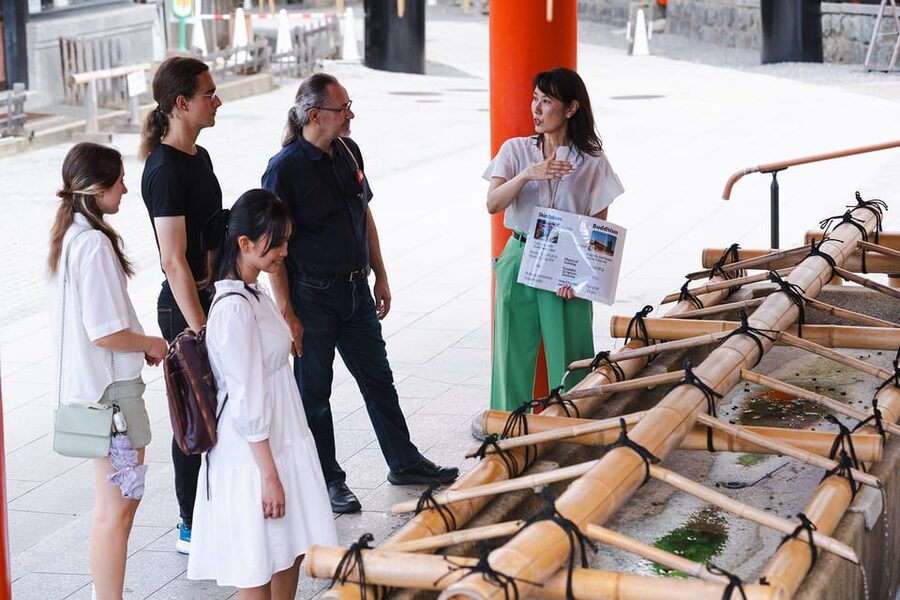
I would recommend this tour to first-time Kyoto visitors who want a clear introduction to shrine etiquette, local customs, and two contrasting religious sites.
It suits you especially well if:
- You want an English-speaking guide rather than a self-guided visit.
- You like walking and do not mind using trains.
- You want to see Fushimi Inari but also prefer a quieter temple stop.
- You enjoy asking questions about Japanese traditions.
- You have a weekday available between October 6 and 31, 2025.
It may not suit you if you want a long climb up Mount Inari, a private vehicle, hotel pickup, or a full meal-and-sightseeing package. The experience is short and focused. It gives you an introduction, not an exhaustive exploration of Fushimi Inari.
The tour also works well for visitors who have limited time in Kyoto. In about two hours, you get a major shrine, a less familiar temple, public transport practice, and local guidance. That is a useful amount of ground without filling an entire day.
Practical tips before you go
Wear walking shoes and bring water, since food and drinks are not provided. Dress in a way that lets you move comfortably and behave respectfully in shrine and temple settings.
Arrive early at Kyoto Station. Look for Kyo-Navi on the second floor near Kyoto JR Isetan, and use the name Kyo-Navi if you need directions.
Keep your schedule flexible after the tour until you confirm the end point. Also remember that the train fare is separate from the $34 booking price.
You can reserve now and pay later, which helps if your Kyoto plans are still shifting. Cancellation is allowed up to 24 hours in advance for a full refund, according to the supplied booking terms.
Should you book the Fushimi Inari walking tour?
Book it if you want Fushimi Inari explained by a Kyoto-certified English guide and like the idea of pairing the famous Torii gates with Sekiho-ji’s Zen garden and Jizo statues.
The strongest reasons to choose it are the clear guidance, the chance to ask questions, and the quieter second stop. The main cautions are the limited weekday dates, the two-hour walking pace, the separate train fare, and the unclear finish wording that you should confirm before booking.
At $34, this is a sensible choice for a compact, culture-focused introduction. If you want maximum independence, skip the tour and explore at your own speed. If you want help seeing Kyoto customs behind the sights, this short route earns its place in a busy itinerary.
FAQ
Where does the tour begin?
Meet at Kyo-Navi, the Kyoto Tourist Information Center, on the second floor of Kyoto Station. It is beside the south side of Kyoto JR Isetan, along the pedestrian walkway on the north side of the station.
How long does the tour last?
The walking tour takes approximately two hours.
What language is the tour conducted in?
The tour is conducted only in English.
Is train transportation included in the price?
No. The tour uses public transportation, but train fare to Fushimi Inari Taisha Shrine is not included.
Is admission to Sekiho-ji Temple included?
Yes. Entry tickets to Sekiho-ji Temple are included.
Does the tour include hotel pickup and drop-off?
No. Hotel pickup and drop-off are not included. You must reach the Kyoto Station meeting point yourself.
Can children join for free?
Each paid participant can bring one child aged zero to six free of charge. The child must be accompanied by an adult. Additional children need adult tickets, and luggage service for a free child requires an extra service fee.
When does the tour operate?
The tour runs from October 6 through October 31, 2025, except Saturdays and Sundays.
Just added around Kyoto
- Kyoto: Zen Meditation at a Private Temple with a Monk★ 5.0 · 25 reviews
- Kyoto: Gion Geisha District & Sake-in-Hand Walking Tour★ 5.0 · 37 reviews
- Private Pewter Sake Cup Experience with a Kyoto Artisan★ 5.0 · 31 reviews
- Your Private Vacation Photography Session In Kyoto★ 5.0 · 110 reviews
- Private Guided Traditional Buddhist Cooking in Japan★ 5.0 · 16 reviews
- Kyoto Wagashi(Japanese sweets) Cooking Class near Fushimiinari★ 5.0 · 60 reviews
- Traditional Japanese Music show & Experience Tour in Kyoto★ 5.0 · 57 reviews
- Kyoto:Family-Friendly Kimono & Yukata Experience at WARGO★ 5.0 · 147 reviews
Fushimi Inari Tours, compared.

Fushimi Inari, Kinkakuji, Bamboo Grove 1 Day Bus Tour
Read our review →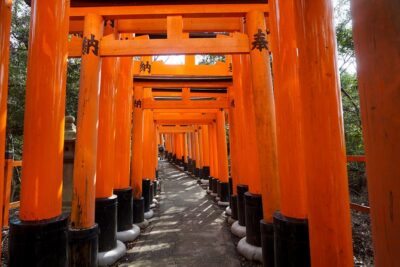
Fushimi Inari Hidden Hiking Tour (Private Option Available)
Read our review →
Kyoto/Osaka: Nara, Fushimi Inari Taisha, Arashiyama Bus Tour
Read our review →
Osaka/Kyoto: Arashiyama, Nara & Fushimi Inari Shrine w/Lunch
Read our review →
Nijo Castle, Kiyomizu & Fushimi Inari Guided Tour
Read our review →
Nijo, Kinkaku-ji, Arashiyama, Kiyomizu & Fushimi Inari
Read our review →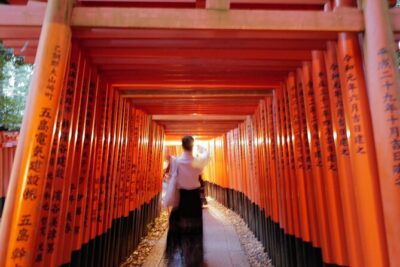
Browse the lists this tour appears in