
Reviewed · KYOTO TOURS
Kyoto Nishiki Market Tour
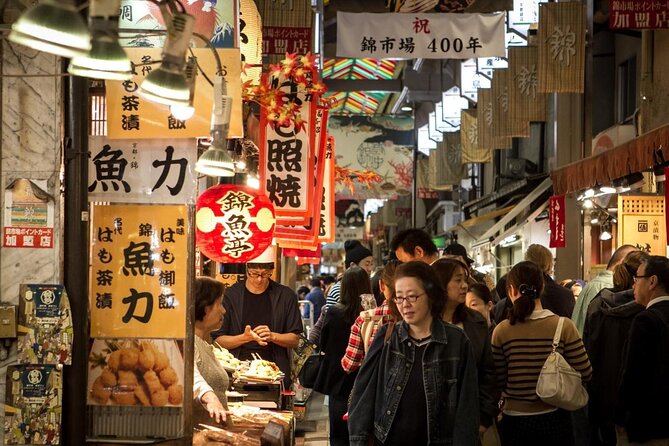
Kyoto’s Nishiki Market is easiest to enjoy with a guide who knows where to stop. This tour takes you through the city’s 400-year-old food corridor, where you can sample tofu, sashimi, pickled vegetables, tea, dashi, tamagoyaki, seafood, and seasonal lunch without guessing what belongs on your plate.
I like the family-owned shops, some operating for generations, and the way the guide explains food from harvest to sale. I also like that lunch, tea, and tastings are included, so the $221 price buys more than a walk through a market.
The main drawback is the setting itself. Nishiki can be narrow, loud, and crowded, which sometimes makes it hard to hear or gather around a stall. Wear good walking shoes, arrive hungry, and expect to keep moving.
Key points at a glance
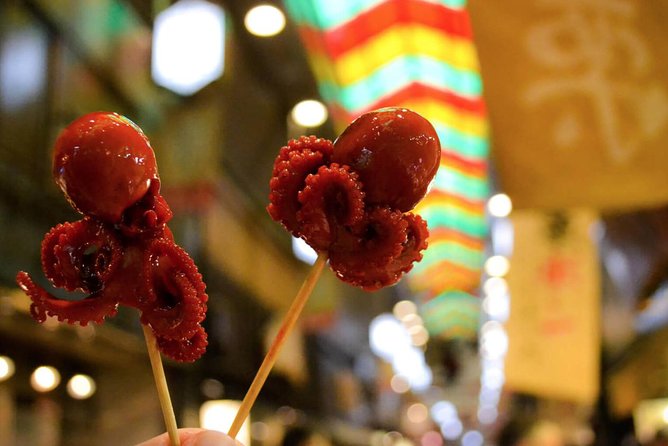
- A three-hour tasting route: Visit roughly 10 to 12 market vendors and sample a broad range of Kyoto foods.
- Old family businesses: Some shops have operated for hundreds of years, giving the tour a strong local connection.
- More than snacks: Included food covers seasonal lunch and Japanese tea, along with tastings such as tofu, sashimi, pickles, dashi, and tamagoyaki.
- Small-group format: The maximum group size is 10, though some departures may be much smaller.
- Useful local guidance: Guides such as Chie and Rosali explain unfamiliar foods and can answer questions about Kyoto cuisine.
- A busy market setting: Nishiki is exciting but tight and noisy, so this suits you if you can handle a little crowd pressure.
Why Nishiki Market makes a good food tour
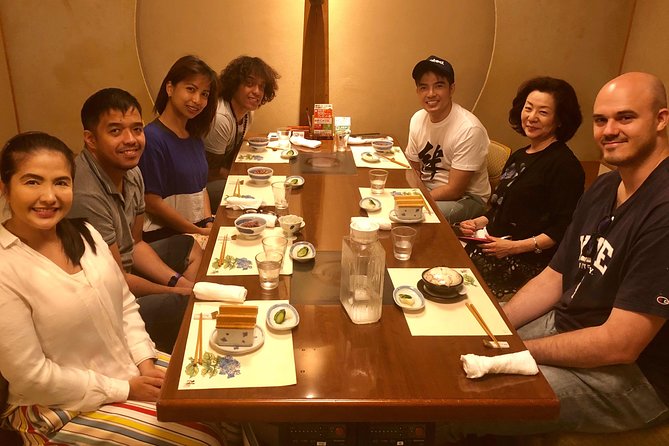
Nishiki Market is often called the Kitchen of Kyoto, and the name fits. The covered market stretches through central Kyoto with vendors selling fresh seafood, prepared dishes, pickles, tea, tofu, sweets, seasonings, and ingredients for home cooking.
The challenge is that Nishiki is not arranged like a museum with neat signs and a clear beginning or end. You can walk through it on your own, but it is easy to pass a specialty shop without knowing why it matters. A local guide gives each stop some meaning and helps turn a busy shopping street into a food lesson.
I especially like the focus on how food is made and preserved. You are not simply handed a bite and told its name. The guide can explain the role of mountain produce, spring water, fermentation, drying, pickling, and careful preparation in Kyoto cooking.
The tour begins at 10:00 a.m. near central Kyoto and lasts about three hours and five minutes. That timing works well for a late breakfast and early lunch, but you should not eat a large meal beforehand. The advice to arrive with an empty stomach is practical, not decorative.
More market mornings in Kyoto:
- Nishiki Market Brunch Walking Tour (7 Tastings + Brunch)
★ 5.0 · 1,355 reviews - Kyoto Nishiki Market Food and Culture Walking Tour
★ 5.0 · 412 reviews - Kyoto: Nishiki Market Tea Ceremony with Koto Performance
★ 4.8 · 294 reviews
Meeting near central Kyoto
The meeting point is at 376 Naramonochō in the Shimogyo Ward, near the Lacoste Kyoto Store. The group meets there before walking into the market, and the first stop is brief.
The end point is in the Karasuma area near Karasuma Station, at Naginatabokocho. That is useful because you finish in a central part of Kyoto rather than being returned to a hotel. Hotel pickup and drop-off are not included, and transportation costs are your responsibility, so plan your route to and from the meeting point.
The tour uses a mobile ticket, and booking confirmation is provided at the time of booking. Same-day booking is available, though the tour is booked on average about 28 days ahead. If your Kyoto schedule is tight, reserving early makes sense.
The group maximum is 10 people. That is small enough for a guide to answer questions and keep track of the group, though the narrow market lanes can still make conversation difficult. Solo participants are asked to email the operator, Arigato Japan KK, before booking.
Walking into a 400-year-old food corridor
Once you enter Nishiki Market, the tour becomes a slow walk with frequent stops. The exact vendors can change because of shop schedules, public holidays, weather, or other unexpected issues. Substitutions are made when needed, so you should think of the route as a food theme rather than a fixed restaurant list.
The market’s age matters because many of the businesses are not generic souvenir stalls. The route visits family-owned shops, some with histories stretching back hundreds of years. That gives you a closer look at the way Kyoto food traditions remain part of daily commerce.
The market can also feel physically demanding in a small way. You will walk for about three hours, stop in tight spaces, and sometimes need to listen over passing shoppers and shop activity. The experience calls for moderate physical fitness, though one guide, Chie, was able to adjust the pace so two older family members, including a 66-year-old parent, could keep up.
That detail is worth noting if you are traveling with parents or anyone who needs a gentler pace. Tell the guide early, and do not treat the stated duration as three hours of sitting and eating.
Tofu, mountain pickles, and food with a local story
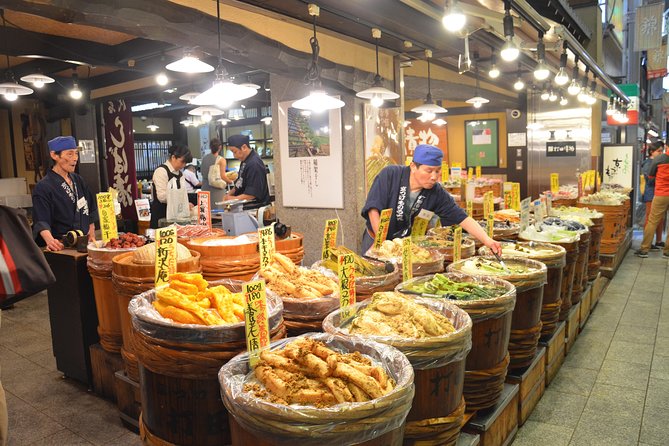
One of the more distinctive tastings is yuuba, sometimes described here as sashimi tofu. It is associated with mountain water and Kyoto’s long relationship with carefully made tofu products. If tofu usually seems plain to you, this is the kind of sample that can change your view of what texture and freshness can do.
You may also try tsukemono, pickled vegetables from the surrounding mountains. Pickling is not just a side note in Japanese cooking. It preserves seasonal produce and adds salt, sourness, and crunch to a meal. The guide’s explanation helps you understand why this food belongs in the market and on a Kyoto table.
Other tastings may include dashi, the broth base used in many Japanese dishes, and tamagoyaki, a layered Japanese omelet. These are useful stops because they show the quiet building blocks of local cuisine. You are tasting ingredients and techniques, not only flashy market snacks.
The food list also includes sashimi, fresh seafood, and matcha. The spelling in the tour details varies between macha and matcha, but the meaning is clear: expect Japanese green tea as part of the route. Japanese tea is included, along with seasonal and regional lunch.
More shopping runs in Kyoto:
- Kyoto: Nishiki Market Brunch Walking Tour-7 Tastings+Brunch
★ 4.8 · 197 reviews - Kyoto: Local Food Tasting Tour at the Nishiki Market
★ 4.7 · 135 reviews - Kyoto: Nishiki Market and Depachika Food Tour with a Local
★ 4.7 · 76 reviews - Kyoto: Nishiki Market Tour with a Local Foodie & Tastings
★ 4.5 · 67 reviews
The included lunch and what $221 really covers
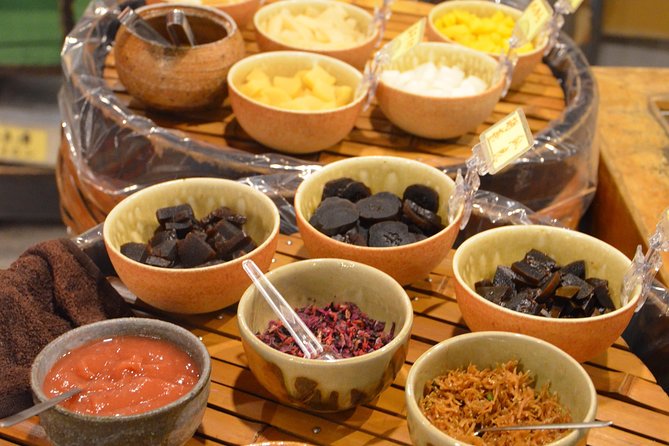
At $221 per person, this is not a cheap market stroll. The value depends on how much you want structure, explanation, and a full tasting meal rather than simply browsing.
The price includes visits to about 10 market vendors, with the broader description referring to as many as 12 family-owned shops. It also includes Japanese tea and seasonal, regional lunch. Those inclusions matter in Kyoto, where small purchases at many stalls can add up quickly, especially when you are trying unfamiliar food and want enough tasting to make the walk feel like a meal.
The lunch is not described as one fixed menu, and an equal-quality substitute may be used if a regular restaurant is unavailable. That flexibility protects the experience from a closed restaurant, but it also means you should not book expecting a specific dish or dining room.
The food is the strongest reason to consider the cost. You are paying for a guide, multiple tastings, a meal, and help with translation and food context. If you mainly want to stroll through Nishiki and buy a few snacks, the price will feel high. If you want to understand what you are seeing and would otherwise struggle to choose among unfamiliar foods, the package is easier to justify.
The included drinks and food are subject to the itinerary. The general terms say food and drinks are not included unless specified, so read the confirmed inclusions when booking and bring extra money for anything you choose to buy separately.
Meeting guides Chie, Rosali, and the value of a small group
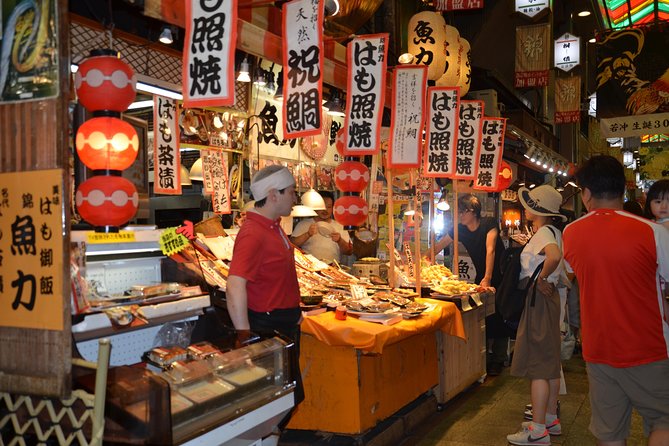
The strongest part of this experience is the guide. Chie has led this route and is described as warm, clear, and able to answer a long list of questions. Rosali has also led the market tour, including a very small departure with just a mother and daughter.
That range matters. A small group lets you ask why a food is preserved, how it is prepared, or what makes a Kyoto version different from a familiar dish. It also makes it easier to tell the guide if you need more time, a slower pace, or clarification.
The operator’s guides can answer questions about Nishiki, Kyoto, and special Kyoto foods. Their role is not only to name each sample. They connect the stalls to farming, production, preservation, and sale, which gives the tasting a clear thread.
Still, no guide can make a crowded lane quiet. At busy times, you may need to stand close and listen carefully. If you have hearing difficulties, position yourself near the guide and ask for important explanations to be repeated.
Nishiki’s crowds are part of the bargain
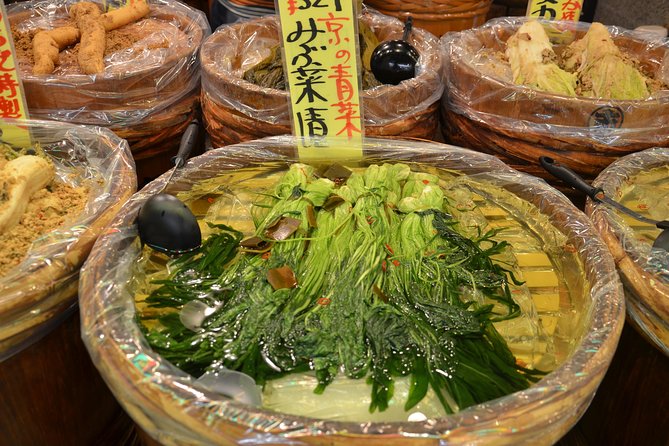
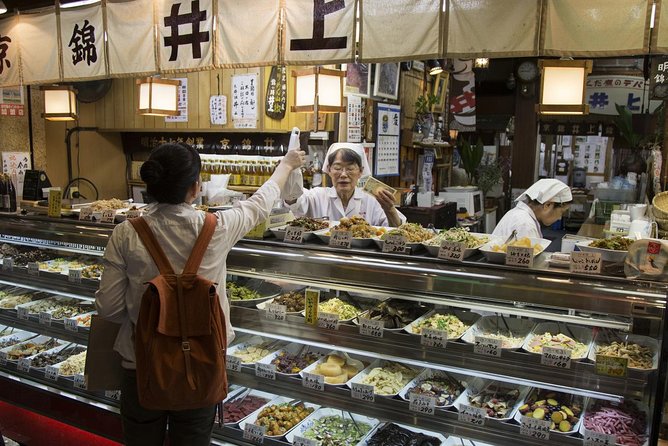
Nishiki is a working market and a popular sightseeing stop. Its lanes are narrow, and the combination of food displays, shoppers, small groups, and passing traffic can make it hard to stop without blocking others.
This is the central trade-off. A guide makes the market easier to understand, but the market remains crowded. You should not expect the calm, spacious pace of a private cooking class. You will be tasting in public spaces and moving when the lane requires it.
The noise can affect the experience. At times, it may be difficult to hear every detail, especially when the group cannot gather directly in front of a stall. I would choose a quieter travel period if your schedule allows, but the tour provider does not promise a crowd-free departure.
Good shoes are essential. The tour lasts about three hours and involves walking through the market and central Kyoto. Children are welcome when accompanied by an adult, and the experience is family-friendly, but children aged 10 and above require a copy of passport information according to the booking details.
The tour is vegetarian-friendly and pescatarian-friendly. If you follow another diet, the supplied information does not promise accommodation, so contact the operator before paying.
Nearby landmarks and the route beyond the stalls
The route information lists several nearby places, including Nishiki Tenmangu Shrine and Rokkakudo Temple. These locations add a little cultural context to the market area, although the main purpose of the experience remains food.
Nishiki Tenmangu Shrine gives you a change of pace from the vendor lanes. Rokkakudo Temple is another nearby Kyoto sight connected with the central city. The listed route also includes Fushimi Inari Taisha, but the tour description does not make clear whether that is part of the actual three-hour market walk or a separate itinerary reference. Do not assume the food tour includes a visit to the shrine’s famous torii gates unless the operator confirms it.
The listed ending is Umenohana, while the meeting details give the Karasuma area near Karasuma Station as the end point. Because restaurant schedules and route conditions can change, check the final meeting information before departure.
Who should book this Kyoto food experience
I would choose this tour if you want an introduction to Kyoto food without spending time researching every stall. It suits first-time visitors, curious eaters, families with older children, and anyone who wants a guide to explain unfamiliar ingredients.
It is also a good fit if you enjoy markets but find them hard to read. You can taste local specialties, ask questions, and learn why pickles, tofu, tea, broth, and seafood matter in the region.
You may want something else if you dislike crowded streets, need a quiet dining setting, or prefer to set your own pace. The route has a fixed start time, a fixed meeting area, and a busy public market at its center.
The tour is not designed as a cooking class. You will learn about production and preparation, but the supplied details promise tastings and explanations rather than hands-on cooking.
Free cancellation is available if you cancel at least 24 hours before the local start time. Changes made inside that window are not accepted for a refund. The tour requires good weather and a minimum number of participants, so a cancellation by the operator may result in another date, another experience, or a full refund.
Should you book the Nishiki Market tour?
Book it if you want a guided food education with a real meal, several tastings, and direct access to small family-run shops. The guide quality, flexible pacing, and wide food range are the best reasons to pay the premium.
Skip it if you only want to browse Nishiki or if $221 feels too steep for three hours. You can visit the market independently, but you will give up the explanations, organized tastings, and included lunch.
For the best experience, arrive hungry, wear good shoes, keep your group close, and expect the route to change slightly. If the market’s noise and tight lanes sound manageable, this is a practical way to make Kyoto’s Kitchen more than a quick walk past food stalls.
FAQ
How long does the Nishiki Market food tour last?
The experience lasts approximately 3 hours and 5 minutes. It begins at 10:00 a.m.
Where does the tour start and end?
The meeting point is 376 Naramonochō in Kyoto’s Shimogyo Ward, near the Lacoste Kyoto Store. The listed end point is in the Karasuma area near Karasuma Station, at Naginatabokocho.
What food and drinks are included?
The tour includes tastings from about 10 market vendors, Japanese tea, and seasonal regional lunch. The food may include tofu, sashimi, pickled vegetables, dashi, tamagoyaki, seafood, matcha, and sake, according to the itinerary and availability.
Is the tour suitable for vegetarians?
The experience is listed as vegetarian-friendly and pescatarian-friendly. If you have other dietary needs, contact the operator before booking because no wider dietary guarantee is provided.
How many people can join the tour?
The maximum group size is 10 people. Solo participants should email the operator before booking.
Can I cancel for a full refund?
Yes. You can cancel at least 24 hours before the experience start time for a full refund. Cancellations or changes made less than 24 hours before the start time are not accepted for a refund.
Just added around Kyoto
- Kyoto: Zen Meditation at a Private Temple with a Monk★ 5.0 · 25 reviews
- Kyoto: Gion Geisha District & Sake-in-Hand Walking Tour★ 5.0 · 37 reviews
- Private Pewter Sake Cup Experience with a Kyoto Artisan★ 5.0 · 31 reviews
- Your Private Vacation Photography Session In Kyoto★ 5.0 · 110 reviews
- Private Guided Traditional Buddhist Cooking in Japan★ 5.0 · 16 reviews
- Kyoto Wagashi(Japanese sweets) Cooking Class near Fushimiinari★ 5.0 · 60 reviews
- Traditional Japanese Music show & Experience Tour in Kyoto★ 5.0 · 57 reviews
- Kyoto:Family-Friendly Kimono & Yukata Experience at WARGO★ 5.0 · 147 reviews
Kyoto Tours, compared.


Fushimi Inari, Kinkakuji, Bamboo Grove 1 Day Bus Tour
Read our review →
Tea Ceremony in a Traditional Tea House in Kiyomizu
Read our review →
Kyoto Geisha Walking Tour: Gion District & Hidden Gems
Read our review →

Gion Magical Night Walking Tour with Geisha Trivia
Read our review →

Gion Geisha District Walking Tour – Stories of Geisha
Read our review →Browse the lists this tour appears in