
Reviewed · IMPERIAL PALACE TOURS
Tokyo: Edo Castle Ruins & Imperial Palace East Garden Tour
Edo Castle was once the heart of shogun-era Japan. Today, its stone foundations, gates, guardhouses, moats, and gardens sit beside the Imperial Palace in central Tokyo. This tour helps you read those remains, rather than simply walk past them, with stops at Otemon Gate and the old castle keep site.
I like the clear two-hour route and the chance to see both military history and carefully kept gardens in one outing. The Wadakura Fountain also adds a modern royal detail, while the Ninomaru Garden koi pond gives the tour a quiet finish. The main drawback is that the inner palace buildings are closed to the public, and the experience can feel like a pleasant park walk if your guide gives only brief explanations.
Key things to know before you book
- The tour begins at Wadakura Free Rest Area: Meet outside the entrance and look for a guide holding a yellow sign.
- Otemon Gate sets the historical tone: You start with one of the castle’s major entrances, then follow the defensive route inward.
- The old castle keep is gone: You will see the Tenshu-dai stone base and a reconstruction model, not a standing tower.
- The East Gardens mix history with calm: Ninomaru Garden, Suwa no Chaya, and the prefectural tree display break up the stonework.
- Guide quality matters: Mari and Isao have been praised for warmth, patience, and detailed answers, but a less talkative guide may make the walk feel light on history.
- Bring sensible footwear: The route covers garden paths, stone areas, and open grounds, and it is not suited to wheelchair users or people with mobility impairments.
Starting at Wadakura Fountain and the moat
Your meeting point is the indoor Wadakura Free Rest Area, outside the entrance. The guide waits with a yellow sign, which is useful in a busy capital city where a vague meeting point can waste the first few minutes of a short tour.
The first stop is Wadakura Fountain National Park. The fountain was built to mark a royal wedding, giving you an early link between present-day imperial Japan and the older castle grounds around you. This is a brief ten-minute introduction, not a long lecture, but it helps explain why the area contains both public park space and ceremonial reminders of the Imperial Family.
From there, the group pauses at Wadakura Moat. Water was not just decoration in a castle town. Moats slowed attackers, shaped access, and gave defenders another line of protection. Your guide can help you picture the former scale of Edo Castle, which once covered a much larger area than the ruins visible today.
This opening section is easy to take in, but it is also where the tour’s pace becomes clear. Two hours sounds generous until you count fourteen stops. You will get a guided overview, not a long, academic talk at every location.
More Imperial Palace visits:
- Tokyo: Imperial Palace and Shogun Historical Walking Tour
★ 5.0 · 2,251 reviews - Tokyo: Imperial Palace Japanese History Walking Tour
★ 4.9 · 987 reviews - Tokyo: Imperial Palace and Shogun Walking Tour
★ 4.9 · 935 reviews
Otemon Gate and the castle’s layered defenses
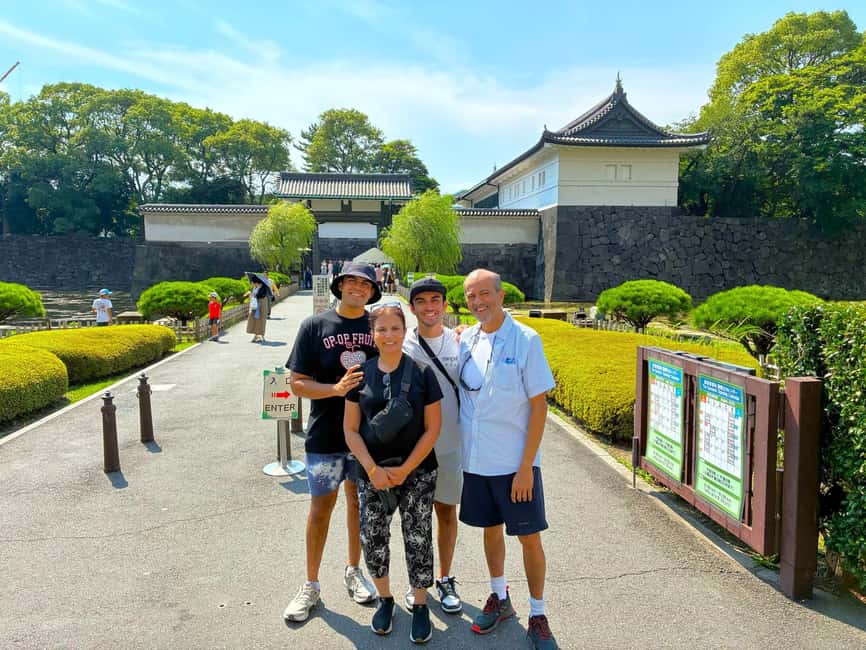
Otemon Gate is one of the most rewarding early stops. It was a major entrance to Edo Castle, and its scale gives you a better sense of how carefully movement was controlled. This was not a simple doorway. A castle gate could slow people down, expose them to guards, and force them through a sequence of controlled spaces.
Next come the Ote-San-no-mon Gate Ruins. The remaining stonework asks you to use your imagination, but that is exactly where a live guide earns the fee. Without context, old stones can look like old stones. With a clear explanation, they become part of a defensive plan used by the shoguns and their retainers.
The Doshin Bansho and Hyakunin Bansho guardhouses add a human scale to the fortress. These were not grand palace halls. They were working posts for guards, including samurai responsible for watching those who approached the inner grounds.
Hyakunin Bansho, translated as the guardhouse of one hundred men, is especially useful for understanding how much personnel a major castle required. The name points to a sizable guard force, and the building helps you think about Edo Castle as a functioning military and political center rather than just a royal garden.
I like this part of the route because it gives you a simple story: moat, gate, checkpoint, guardhouse, inner castle. The stops are close enough to form a coherent walk, and your guide can connect each piece. If the commentary is thin, however, the same sequence may feel like a series of short photo stops.
Honmaru and the vanished castle keep
The route then reaches the Edo Castle Ruins and the site of the Honmaru, the main central compound. Honmaru was the core of the castle, where major political and ceremonial functions took place. The tour does not take you into an active palace building. Instead, you walk through the former castle grounds and learn what once occupied them.
The Tenshu-dai is the key landmark here. This broad stone base supported the castle keep, or tenshu. The keep itself no longer rises above Tokyo, but the platform gives you a sense of its former position and importance.
The tour includes a restoration model of the Edo Castle keep. That model is valuable because the remaining base alone does not show you the full height or visual impact of the original structure. It gives you a way to connect the low stone foundation with the towering castle that once dominated the area.
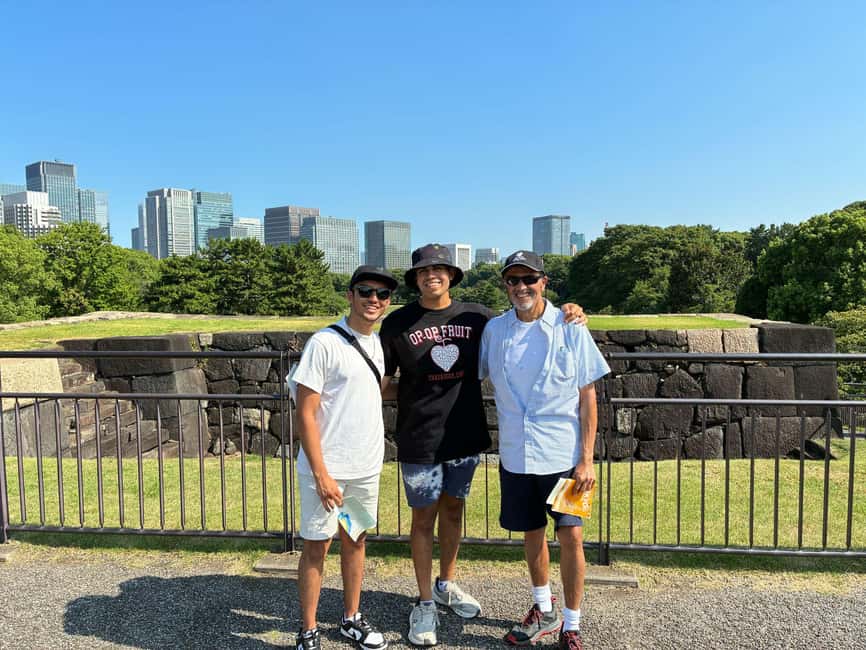
You also get panoramic views from the Tenshu-dai. Do not expect an observation deck with a sweeping Tokyo skyline in every direction, but the raised position gives you a useful look across the surrounding grounds. It is one of the better spots for a photo and a short pause.
This is also the point where expectations matter most. The tour is about ruins, foundations, gardens, and historical interpretation. If you are hoping to enter a lavish palace interior or climb a restored castle tower, you will be disappointed. The Imperial Palace’s palace buildings are not open to the public, and the tour cannot enter the inner grounds.
From castle stonework to garden calm
After the more military parts of the route, the mood changes. The stop listed as 都道府県の木 refers to the prefectural tree display, an outdoor feature that shifts attention from castle defenses to Japan’s regional identity. The tour then continues to Suwa no Chaya, a traditional-style teahouse within the garden setting.
These stops are less dramatic than Otemon Gate or the Tenshu-dai, but they help prevent the experience from becoming a nonstop run of walls and ruins. You get a change of texture and pace, with plants, open paths, and a quieter setting.
The Imperial Palace East Gardens are the main public garden area connected with the former Edo Castle grounds. Their value lies in the combination of access and history. You can walk through a peaceful part of central Tokyo while still seeing the foundations and spatial clues of the shogun’s former seat.
I would pay attention to how the garden and ruins sit together. The garden is not simply a separate attraction added beside the castle. It occupies the same historic ground, so the open lawns, trees, stone walls, and pathways all help you understand the size and layout of the former complex.
A few more Tokyo half-days to weigh up
- Mt Fuji and Hakone 1-Day Bus Tour Return by Bullet Train
★ 5.0 · 26,383 reviews - 1-Day Tokyo Bus Tour
★ 5.0 · 14,250 reviews - Tokyo: TOKYO SKYTREE® Admission ticket
★ 4.5 · 11,192 reviews - Tokyo: teamLab Planets TOKYO Digital Art Museum Entry Ticket
★ 4.6 · 9,779 reviews
Ninomaru Garden and the final return
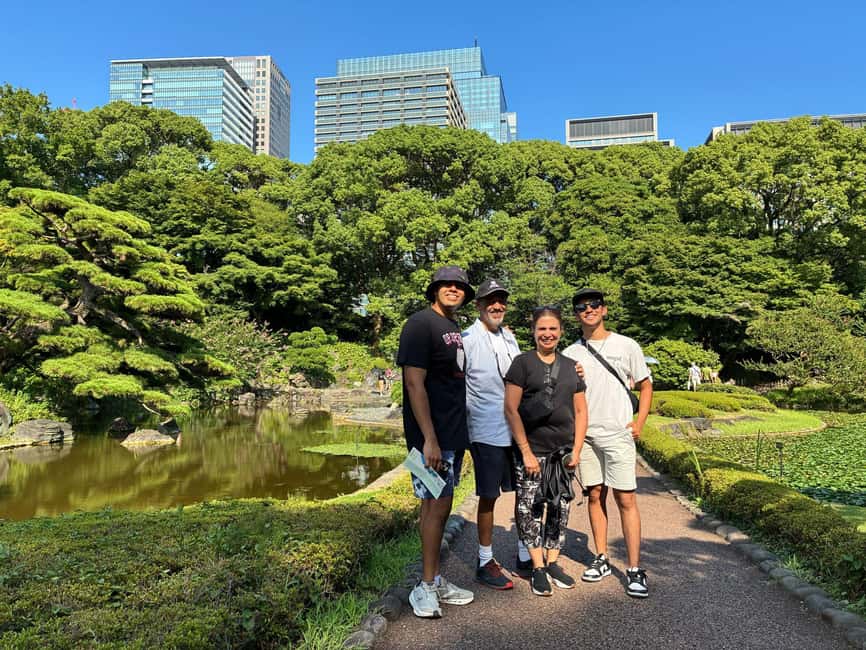
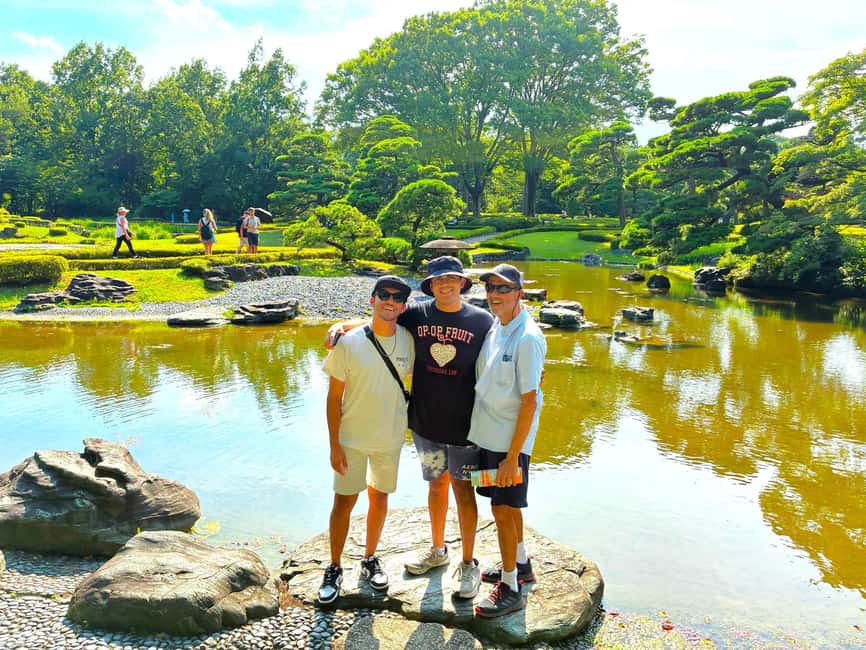
Ninomaru Garden is the gentlest section of the tour. Its pond, landscaping, and koi fish offer a welcome pause after the gates and guardhouses. This is a place to slow down, take photos, and enjoy the setting without needing to keep your eyes on every stone foundation.
The garden also shows a different side of power. Edo Castle was a seat of military government, but its grounds included spaces designed for beauty, ceremony, and private enjoyment. That contrast is one of the tour’s best themes: control and elegance existed side by side.
The group then returns to the Wadakura Free Rest Area. The route is planned as a loop, so you do not need to arrange separate transport between the opening and closing points. Since the walk lasts about two hours, you can still fit it into a busy Tokyo day.
Bring water and a camera. Comfortable shoes are important, even though this is not a strenuous hike. You will move across outdoor paths and historic grounds, and the tour is not suitable for children under six, wheelchair users, or people with mobility impairments. Smoking and flash photography are not allowed.
How much the $37 price is worth
At $37 per person, this is a moderate price for a two-hour guided walk in one of Tokyo’s most important historic areas. Admission to Edo Castle and the Imperial Palace East Gardens is included, along with a live English-speaking guide and a commemorative photo opportunity.
The value depends almost entirely on the guide. A strong guide can explain why the gates were built in stages, how the guardhouses worked, what the Tenshu-dai represented, and how the former castle connects to the Imperial Palace today. That information turns a public garden into a meaningful historical visit.
A less engaging guide changes the calculation. The East Gardens are free to explore on your own, and the major ruins are accessible without joining a paid tour. If you are comfortable reading signs and researching the castle before you arrive, you may prefer a self-guided visit.
For me, the fee makes the most sense if you want structure, have limited time, or prefer asking questions as you go. Small-group and private options are available, so you can choose a more personal format if offered at booking. A private tour should be especially useful if you want to spend more time on shogun history, castle defense, or the imperial connection.
Guide performance is not guaranteed. Mari and Isao have been specifically praised for being friendly, patient, and willing to answer questions. Other feedback points to the risk of a guide saying very little. When you meet your guide, ask early for the kind of history you want. A simple question about the castle’s political role can quickly show whether the tour will be detailed or mostly observational.
Who will enjoy this walk most
I would recommend this experience to first-time visitors who want a compact introduction to Edo Castle. It gives you the essential physical remains, a garden visit, and a basic explanation of the shoguns and emperors without taking half a day.
It is also a good match for people who enjoy seeing history in place. You will not be sitting in a museum looking at objects behind glass. You will walk through gates, look across moats, stand on the old keep base, and see how the castle grounds have changed.
The tour suits adults and older children, but children under six are not accepted. Anyone with limited mobility should choose another activity because wheelchair users and people with mobility impairments are not considered suitable for this route.
You should skip it if your main goal is to enter the Imperial Palace itself. The inner grounds and palace buildings are off limits, since the Imperial Family still resides there. This experience focuses on public gardens and the ruins of the former Edo Castle.
Practical details that make the visit easier
The tour is conducted in English. It lasts two hours, with start times varying by availability. You should arrive at the Wadakura Free Rest Area and wait outside the entrance for the yellow sign.
Food and drinks are not included, and there is no hotel pickup or drop-off. Plan your own way to the meeting point and carry water with you.
The tour offers free cancellation up to 24 hours before the start time, and you can reserve now and pay later. Those terms are useful in Tokyo, where weather, jet lag, and changing day plans can easily affect a short sightseeing stop.
The route includes many brief stops, often ten to fifteen minutes each. That keeps the walk moving, but it also means you should not expect every site to receive a long explanation. If you want a slower, more detailed discussion, ask about the private option.
Should you book the Edo Castle tour?
Book this tour if you want a short, organized introduction to Edo Castle and the Imperial Palace East Gardens, especially if you value a live English-speaking guide. The mix of Otemon Gate, samurai guardhouses, the Tenshu-dai, castle model, and Ninomaru Garden gives you a good range of sights for two hours.
Think twice if you are happy exploring on your own or expect to enter the palace buildings. The grounds are accessible without a guide, and the tour’s value rises or falls with the person leading it.
My practical advice is to book it for your first visit to the area, ask questions from the start, and wear shoes made for walking. You will leave with a clearer picture of where shogun power operated, even though the castle itself survives mainly in stone, gardens, and memory.
FAQ
Where does the Edo Castle tour meet?
Meet outside the Wadakura Free Rest Area, in front of the entrance. The guide will be holding a yellow sign.
How long does the tour last?
The tour lasts two hours.
What language is the tour conducted in?
The live tour guide speaks English.
Is admission included?
Yes. Admission to Edo Castle and the Imperial Palace East Gardens is included.
Can I enter the Imperial Palace buildings?
No. The tour cannot enter the Imperial Palace’s palace buildings or inner grounds. It focuses on the East Gardens and former Edo Castle ruins.
What will I see at Edo Castle?
You will see Otemon Gate, the Ote-San-no-mon Gate Ruins, Doshin Bansho, Hyakunin Bansho, Edo Castle ruins, the Honmaru site, the Tenshu-dai, and a castle keep restoration model.
Are food and drinks included?
No. Food and drinks are not included.
Is the tour suitable for wheelchair users?
No. The experience is not suitable for wheelchair users or people with mobility impairments.
Can I cancel the booking?
Yes. You can cancel up to 24 hours in advance for a full refund. You can also reserve now and pay later.
Just added around Tokyo
- Private Arrival Transfer : Narita International Airport to Central Tokyo City★ 4.5 · 12 reviews
- Narita Airport(NRT): Private Transfer to Tokyo/Yokohama 1-9pax★ 5.0 · 47 reviews
- Private Transfer from Narita Airport to Yokohama Port and City★ 4.5 · 17 reviews
- [Narita Airport Terminals 1, 2] 40-60km Sawara Itako Historic Bike Tour★ 5.0 · 13 reviews
- 3 Day Japan Highlights Tour: Tokyo, Mt.Fuji, Nara, Kyoto, Osaka★ 5.0 · 22 reviews
- Small Town in the Big City: Tasting Tokyo’s Kichijoji★ 5.0 · 195 reviews
- Small Town in the Big City: Tasting Tokyo’s Kichijoji★ 5.0 · 16 reviews
- The 10 Tastings of Tokyo With Locals: Private Street Food Tour★ 5.0 · 48 reviews
Imperial Palace Tours, compared.
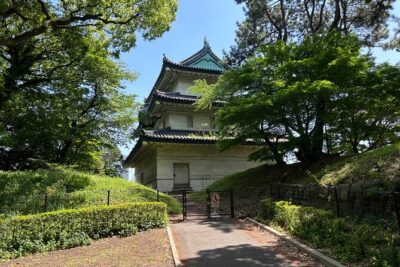
Imperial Palace and Shogun Historical Walking Tour
Read our review →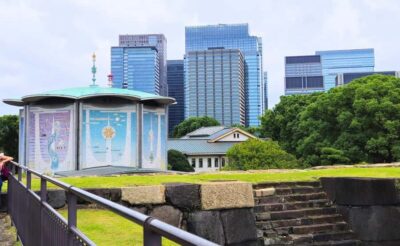

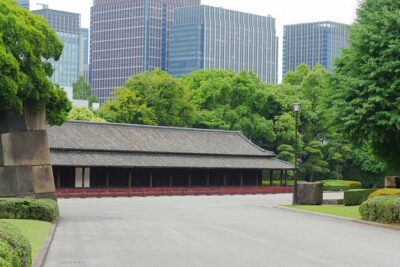
Imperial Palace East Garden and Edo Castle Walking Tour in Tokyo
Read our review →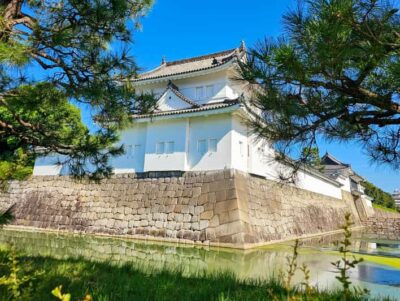
Imperial Palace & Nijo Castle Guided Walking Tour
Read our review →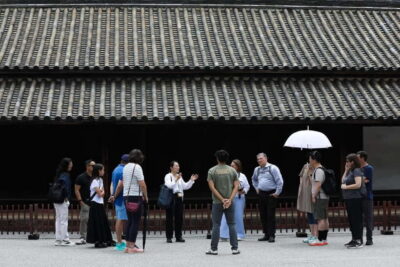
Imperial Palace, Sensō-ji Temple, & Tokyo Tower Tour
Read our review →
Tokyo Castle, Imperial Palace, Shogun & Garden Walking Tour
Read our review →Browse the lists this tour appears in