
Reviewed · KYOTO TOURS
Taste of Nishiki Market Walking Food Tour with Local guide
Kyoto’s food culture makes the most sense when you eat your way through it, one small bite at a time. This three-hour walking tour links Rokkakudo Temple, Yaoyaichi, Daimaru’s basement food hall, Nishiki Market, and Nishiki Tenmangu Shrine, so you get both local flavor and a useful look at daily Kyoto life.
I like the small group of six because a guide can answer questions and adjust the pace or food choices. I also like the mix of samples, from bread and meat buns to wagyu skewers, sashimi, and traditional wagashi. The main caution is timing: the tour is advertised as three hours, but the supplied schedule runs from 10:00 AM to 2:00 PM, so confirm the exact start and finish when booking.
Key points at a glance
- Six to ten tastings: Expect small portions of Japanese snacks, sweets, meat, seafood, and market foods.
- Four distinct food stops: Yaoyaichi, Daimaru’s basement, Nishiki Market, and recommended shops give you more range than a market-only walk.
- A quiet temple break: Rokkakudo Temple comes early, while Nishiki Tenmangu Shrine provides a calm finish.
- Guides who personalize the walk: Kaoru and Rikka are named guides associated with especially personal, helpful tours.
- A very small group: The limit of six makes it easier to ask questions and move through crowded lanes.
- Useful shopping advice: You’ll get suggestions for culinary gifts, restaurants, shops, and foods to seek out later.
Why this Kyoto food walk works
Many food tours stay inside one market. This one gives you a wider picture of how Kyoto eats. You begin in a modern city setting, pass a quiet temple, visit a local produce market, browse a department-store food hall, and then enter Nishiki Market, often called Kyoto’s Kitchen.
That variety matters. A market stall shows you what is ready to eat right now. A department-store basement shows the polished side of Japanese food retail. A shrine and temple remind you that food in Kyoto is tied to custom, season, presentation, and place.
You pay $77 per person, which is fair if you value guidance and several included tastings. You are not simply paying for food. You are paying for someone to point out shops you might walk past, explain what you are eating, and help you make sense of a crowded market.
The value drops if you want a large meal. Six to ten samples can add up, but they are tasting portions, and extra food is not included. Plan on this as a food introduction rather than a full lunch.
The six-person limit is a real advantage. In a narrow market lane, a large group can become a slow-moving obstacle. With a small party, you have a better chance to hear explanations, ask about ingredients, and receive personal recommendations. The guide may also adapt some choices to the group’s interests, as Kaoru did for one booking.
More Food Tours in Kyoto
- Kyoto Night Foodie Tour in Gion (9+ dishes + 6 Sake tastings)
★ 5.0 · 1,762 reviews - Kyoto: Gion Food Tour 13 Dishes at 4 Eateries
★ 5.0 · 408 reviews - Kyoto: Gion & Pontocho Food Tour with 13 Dishes
★ 4.9 · 235 reviews
Meeting at Sanjo Karasuma
The meeting point is Starbucks Coffee Kyoto Sanjo Karasuma Building Store, at 85-1 Mikura-cho, Nakagyo Ward, Kyoto City. It is on the first floor of the KDX Kyoto Karasuma Building.
You should arrive with comfortable shoes and without a suitcase or large bag. The tour is on foot, and market aisles are not designed for luggage. You also need to arrange your own transport to the starting point and away from Nishiki Tenmangu Shrine at the end.
The stated language is English, and the tour has a live guide. The meeting area is in central Kyoto, but you should still allow time to find the exact building and store. A coffee shop is an easy landmark, yet the area can be busy.
Rokkakudo Temple: a calm first stop
The walk begins with Rokkakudo Temple. This is a smart opening because it gives you a quiet place to learn about Kyoto before the food stops begin.
You are not rushing straight into a line of stalls. Instead, the temple sets up the connection between food, local custom, and neighborhood life. A guide can explain why this small religious site matters and help you notice details you might otherwise pass without a glance.
The stop is also practical. After meeting your guide and fellow group members, you get a gentle start before moving into the more crowded commercial streets. If you enjoy a little culture with your breakfast or lunch, this part gives the tour more balance than a simple shopping walk.
The tour information describes Rokkakudo as a peaceful visit, but it does not promise a long temple presentation. Think of it as an introduction rather than a full temple tour.
Yaoyaichi and the taste of seasonal Kyoto
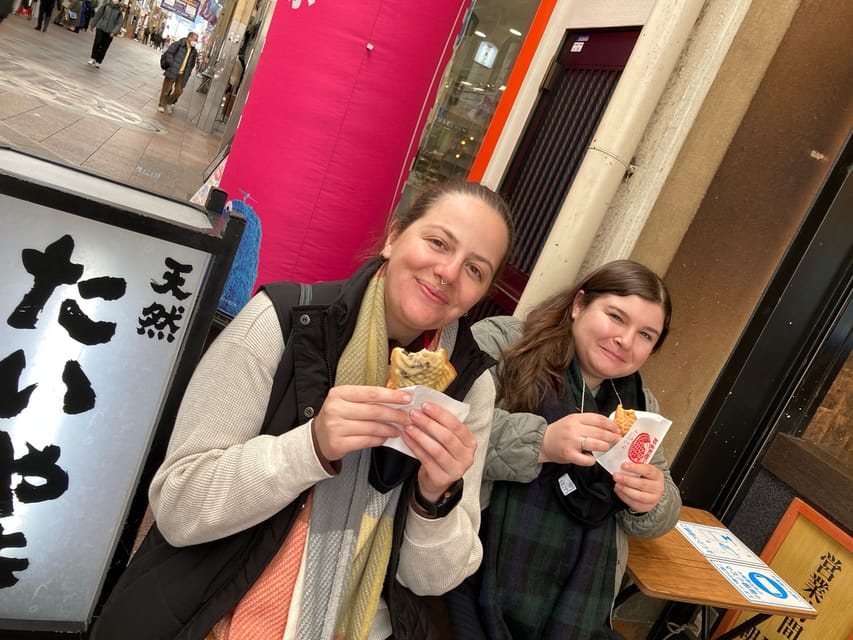
The next stop is Yaoyaichi, a local market known for seasonal produce and unusual ingredients. This is where the tour starts showing you the food behind the finished dishes.
Seasonality is central to Japanese cooking, and a produce market makes that idea visible. You might see ingredients that do not appear often in overseas supermarkets, or learn how local shoppers choose and use them. The guide can also explain how foods are prepared, which gives a useful layer of context to the tasting.
One example listed for Yaoyaichi is bread popular with Japanese locals. That may sound modest, but it is exactly the sort of detail that makes a food walk useful. You are not limited to famous delicacies. You also get a taste of what people actually buy for an everyday snack.
This stop can be especially helpful if you plan to shop for food later. Ask the guide what travels well, what needs refrigeration, and which items make sensible gifts. The tour specifically aims to help you find culinary souvenirs for friends and family.
Same base, a completely different sort of day:
- PERFECT KYOTO 1-Day Bus Tour
★ 5.0 · 13,518 reviews - Kyoto: Fushimi Inari, Kinkakuji, Bamboo Grove 1 Day Bus Tour
★ 4.8 · 4,316 reviews - Kyoto: Tea Ceremony in a Traditional Tea House in Kiyomizu
★ 4.9 · 3,519 reviews - Kyoto Geisha Walking Tour: Gion District & Hidden Gems
★ 4.7 · 3,273 reviews
Daimaru’s basement food hall
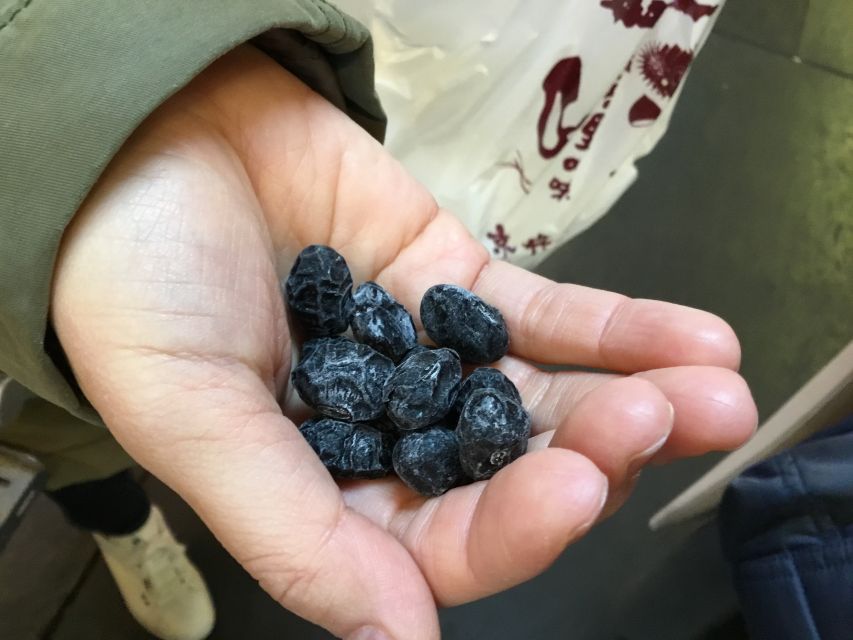
At Daimaru Department Store, the tour heads downstairs to the food hall. In Japan, department-store basements are serious food destinations, not just places to grab a sandwich.
Here you may sample meat buns, known as nikuman, along with wagashi from a wagashi shop with centuries of tradition. These two examples show the range of the stop. The nikuman offers a warm, savory bite. Wagashi brings a more delicate side of Japanese food, with careful shapes, colors, and textures.
A department-store food hall is also a good place to see how presentation affects price and gift appeal. Boxes of sweets and beautifully arranged foods are often intended for sharing or giving. Your guide can point out what is suited to a present and what is best eaten right away.
I like this part because it adds a different kind of food knowledge. Nishiki Market can feel informal and spontaneous. Daimaru shows the orderly, polished side of Kyoto’s culinary scene.
The drawback is that a department-store basement can feel less old-fashioned than the market streets. If your main goal is small stalls and traditional lanes, this stop may seem more commercial. Still, it gives you a fuller picture of how Kyoto residents shop.
Nishiki Market, Kyoto’s Kitchen
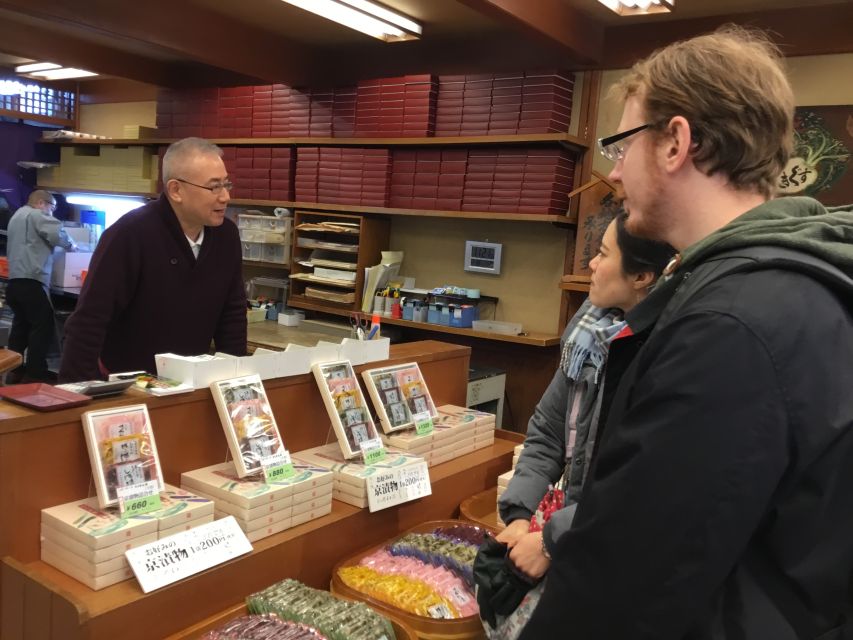
The main food stop is Nishiki Market, a covered shopping street packed with food shops and local specialties. It is one of Kyoto’s best places to browse, but it can be crowded, and that is where a small group and a local guide help.
You may taste fresh sashimi and skewered wagyu beef, among other samples. The exact foods change with shop availability and the preferences of the group, so you should not book expecting a fixed menu. That flexibility is useful, but anyone with a must-try dish should ask the guide early.
Nishiki is best enjoyed slowly. Look at the displays, notice how foods are cut and presented, and watch how the shops handle ingredients. The guide can explain how local foods are made and introduce recommended stores that you may want to revisit later.
The tour also gives you a chance to learn what not to buy on impulse. Some foods are easy to carry. Others are fragile, perishable, or difficult to take home. If you are searching for edible gifts, ask about packaging, storage, and customs rules before purchasing anything.
You should also budget for extra snacks if you are curious. The six to ten included items are only the beginning, and food beyond the provided tastings is your responsibility. That is not a flaw, but it is worth knowing before you arrive hungry and expect a full meal.
Because Nishiki Market is crowded, keep your belongings compact and stay close to the guide. Large bags are not allowed on the tour. Comfortable shoes matter, too, since the experience connects several stops on foot.
Ending at Nishiki Tenmangu Shrine
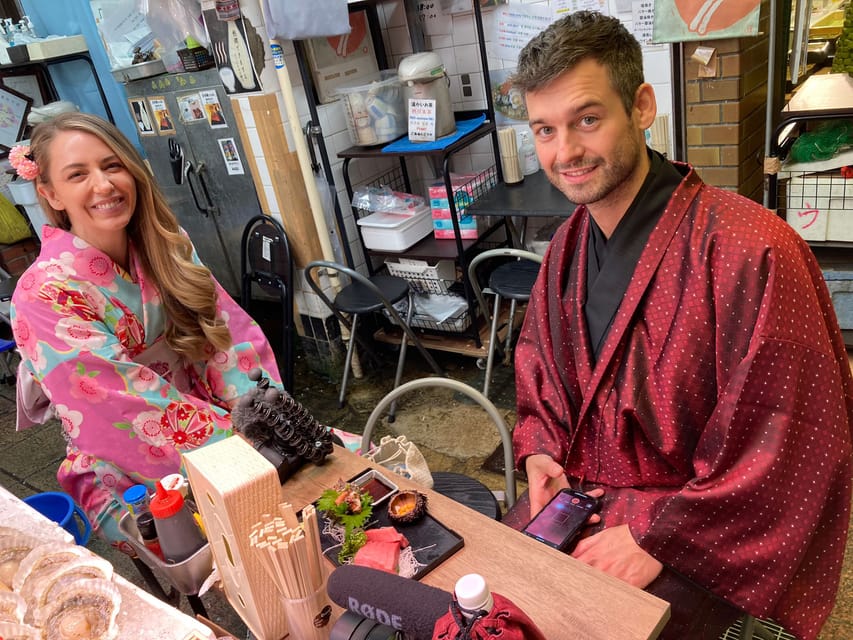
The walk finishes at Nishiki Tenmangu Shrine. After the noise and food activity of Nishiki Market, a shrine is a fitting place to slow down.
This final stop gives the tour a clear rhythm: food, explanation, browsing, then a moment of calm. You can reflect on what you tasted and decide which shops or dishes you want to explore on your own.
The tour ends here rather than returning you to the starting point. Plan your next move in advance. The provider does not include transportation to or from the tour, so you will need to arrange your own onward travel.
What the tastings are really like
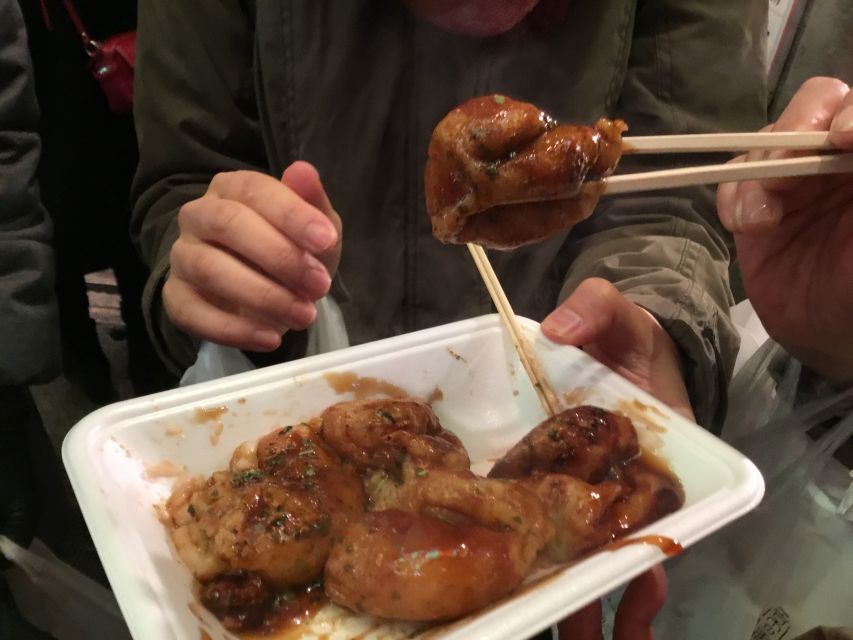
The tour includes six to ten local foods, but the exact selection can vary. Listed examples include:
- Bread popular with Japanese locals at Yaoyaichi
- Nikuman meat buns at Daimaru
- Wagashi from a long-established sweets shop
- Fresh sashimi at Nishiki Market
- Skewered wagyu beef at Nishiki Market
This is a broad range, from familiar comfort food to dishes that may be new to you. The portions are intended for tasting, not for replacing every meal of the day.
Ingredients may include meat, seafood, wheat, and dairy. If you have allergies or dietary restrictions, contact the provider before booking and ask what adjustments are possible. The available information does not promise a fully customized menu, so do not wait until the meeting point to raise a serious food concern.
The guide may also recommend extra shops and foods that are not part of the included meal. That advice can be one of the most useful parts of the experience, especially if you have another day in Kyoto and want to return to a favorite area.
The guide can shape the experience
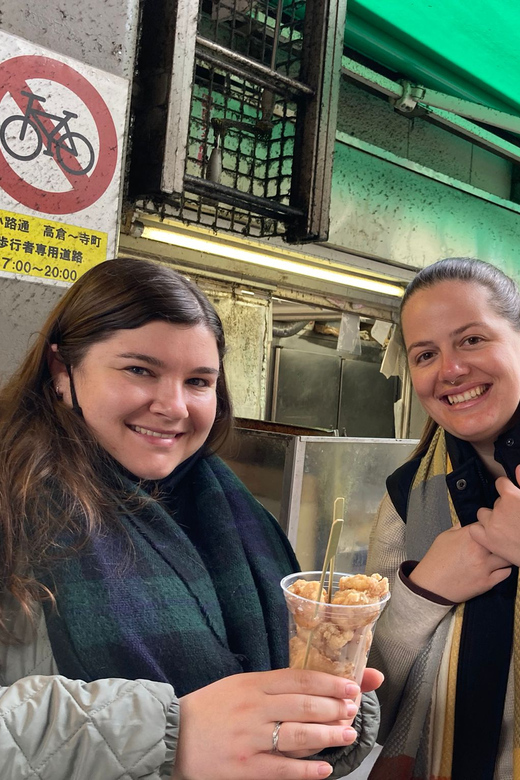
A food tour depends heavily on the person leading it. The named guides connected with this experience include Kaoru and Rikka.
Kaoru is noted for making the walk personal and adjusting it to the group’s interests. Rikka is associated with favorite stores, extra information about Kyoto, and a hidden temple stop. The tour details do not guarantee a particular guide, but these examples show the kind of approach you may receive.
One practical benefit is help with photos. Rikka has offered to take pictures and send them afterward. That can be handy when you want a record of the walk but do not want to spend the whole time holding up your phone.
The strongest praise centers on the guides’ warmth, useful food advice, and ability to explain local history and customs without turning the walk into a lecture. You should come with questions. Ask about restaurants, food etiquette, ingredients, souvenirs, and where locals buy similar items.
Price, pace, and who should book
At $77, this tour makes sense for you if you want an organized introduction to Kyoto food and prefer small tastings over choosing everything alone. Six to ten samples at several stops, plus a guide for three hours, gives you a solid first look at the city’s food scene.
It is also a good fit for a first visit to Kyoto. You will learn where to return, what to order, and how to recognize foods that may otherwise seem unfamiliar.
I would especially recommend it for:
- First-time Kyoto visitors
- Couples or families who like trying many small foods
- Solo visitors who want a small social group
- Shoppers looking for Japanese food gifts
- People who want temples and local culture mixed with eating
I would be more cautious if you have limited mobility. The experience is a walking tour and is not suitable for people with mobility impairments. It may also disappoint anyone seeking a single large, sit-down meal or a completely fixed tasting menu.
The schedule needs checking. The activity is described as three hours, but the supplied timetable begins at 10:00 AM and ends at 2:00 PM, with stops listed at 10:30 AM, 11:30 AM, and 12:30 PM. Confirm the actual start time, finish time, and duration before arranging another booking afterward.
Free cancellation is available up to 24 hours before the tour for a full refund. You can also reserve and pay later, which helps if your Kyoto plans are still shifting.
Should you book this Nishiki Market tour?
Book it if you want more than a quick pass through Nishiki Market. The strongest reason to choose this walk is the combination of four food settings, two religious sites, six to ten tastings, and a group capped at six people.
You should also book if personal guidance matters to you. Guides such as Kaoru and Rikka have made the experience feel tailored, with practical recommendations and help understanding Kyoto’s food customs.
Skip it if you dislike walking, need a guaranteed allergy-safe menu, or want a full meal included. For everyone else, $77 buys a useful introduction to Kyoto’s food culture, plus a list of places and dishes to pursue after the tour ends.
FAQ
How long is the Taste of Nishiki Market Walking Food Tour?
The activity is described as lasting three hours. The supplied schedule lists a 10:00 AM start and a 2:00 PM finish, so confirm the exact timing before booking other plans.
Where does the tour meet?
The meeting point is Starbucks Coffee Kyoto Sanjo Karasuma Building Store, at 85-1 Mikura-cho, Nakagyo Ward, Kyoto City, on the first floor of the KDX Kyoto Karasuma Building.
Where does the tour finish?
The tour ends at Nishiki Tenmangu Shrine. Transportation from the finishing point is not included.
How many foods are included?
You receive six to ten local food tastings. The specific items can change based on shop availability and the group’s preferences.
What foods might I taste?
Examples include local bread, nikuman meat buns, wagashi, sashimi, and skewered wagyu beef. Additional foods are not included in the tour price.
Is the tour offered in English?
Yes. The tour has a live English-speaking guide.
How large is the group?
The tour is limited to six participants.
Can I bring a large bag or luggage?
No. Luggage and large bags are not allowed. Comfortable shoes are recommended because the experience takes place on foot.
More Shopping in Kyoto
- Kyoto: Local Food Tasting Tour at the Nishiki Market
★ 4.7 · 135 reviews - Kyoto: Nishiki Market and Depachika Food Tour with a Local
★ 4.7 · 76 reviews - Kyoto: Nishiki Market Tour with a Local Foodie & Tastings
★ 4.5 · 67 reviews - Nishiki Market Lunch Tour
★ 5.0 · 47 reviews
More Markets in Kyoto
- Nishiki Market Brunch Walking Tour (7 Tastings + Brunch)
★ 5.0 · 1,355 reviews - Kyoto Nishiki Market Food and Culture Walking Tour
★ 5.0 · 412 reviews - Kyoto: Nishiki Market Tea Ceremony with Koto Performance
★ 4.8 · 294 reviews - Kyoto: Nishiki Market Brunch Walking Tour-7 Tastings+Brunch
★ 4.8 · 197 reviews
Just added around Kyoto
- Kyoto: Zen Meditation at a Private Temple with a Monk★ 5.0 · 25 reviews
- Kyoto: Gion Geisha District & Sake-in-Hand Walking Tour★ 5.0 · 37 reviews
- Private Pewter Sake Cup Experience with a Kyoto Artisan★ 5.0 · 31 reviews
- Your Private Vacation Photography Session In Kyoto★ 5.0 · 110 reviews
- Private Guided Traditional Buddhist Cooking in Japan★ 5.0 · 16 reviews
- Kyoto Wagashi(Japanese sweets) Cooking Class near Fushimiinari★ 5.0 · 60 reviews
- Traditional Japanese Music show & Experience Tour in Kyoto★ 5.0 · 57 reviews
- Kyoto:Family-Friendly Kimono & Yukata Experience at WARGO★ 5.0 · 147 reviews
Kyoto Tours, compared.


Fushimi Inari, Kinkakuji, Bamboo Grove 1 Day Bus Tour
Read our review →
Tea Ceremony in a Traditional Tea House in Kiyomizu
Read our review →
Kyoto Geisha Walking Tour: Gion District & Hidden Gems
Read our review →

Gion Magical Night Walking Tour with Geisha Trivia
Read our review →

Gion Geisha District Walking Tour – Stories of Geisha
Read our review →Browse the lists this tour appears in