
Reviewed · BAMBOO GROVE TOURS
Kamakura Bamboo Forest and Great Buddha Private Tour
Kamakura packs temples, shrines, a giant bronze Buddha, and a quiet bamboo grove into one rewarding day from Tokyo. I like the private format, which lets your family or friends set the pace, and the chance to travel by local trains and buses rather than sit in a tour coach. The matcha served beside Hokoku-ji’s roughly 2,000 bamboo stalks is a fine touch.
The main caution is the walking. You cover five major stops in about nine hours, often on foot between public-transport connections. Guide quality can vary: Akira, Kono-san, Noby Kono, and Yumiko have received especially warm praise, while one guest found Kimo San’s English and ability to handle unplanned questions limited.
Key points to know before booking
- Five Kamakura sights in one day: Hasedera, Kotoku-in, Hokoku-ji, Tsurugaoka Hachimangu, and Komachi-dori give you a broad first look at the city.
- Private guiding from Tokyo: Pickup is offered within Tokyo’s 23 wards, and only your own group takes part.
- Public transportation is part of the experience: Train and local transit fares are extra, but your guide helps with navigation.
- The bamboo garden includes matcha: Hokoku-ji combines a short temple visit with a cool, shaded grove and tea service.
- Walking matters: A full day of sightseeing can be tiring, especially in wet weather or if you have knee problems.
- Admissions are separate: Temple and shrine entry fees, food, drinks, and transport to and from the tour are not included in the $176.37 per-person price.
Why this Kamakura day trip works well from Tokyo
Kamakura is close enough to reach from Tokyo, yet it feels like a different chapter of Japan. Its temples, shrines, old military associations, gardens, and shopping lanes give you a useful contrast to Tokyo’s high-rise scale.
This tour makes sense if you want an organized day without joining a large bus group. Your guide meets you at a hotel in one of Tokyo’s 23 wards, then helps you use public transportation to Kamakura and around the town. That matters more than it may sound. You do not need to work out each connection while keeping an eye on the clock, and you can ask questions as you go.
The tour lasts about nine hours. That is enough time to reach the city, visit five key places, and have a short food and shopping stop. It is also a busy day. You should expect steady movement rather than long, lazy temple visits.
The price is $176.37 per person. For a family or group of friends, the private setup can offer fair value because the guide’s attention is shared only among your party. Group discounts are offered, though the exact saving depends on the booking. For one or two people, the price is harder to justify unless you place a high value on personal guiding and help with transit.
More Arashiyama and bamboo walks:
- Kyoto: Fushimi Inari, Kinkakuji, Bamboo Grove 1 Day Bus Tour
★ 4.8 · 4,316 reviews - Osaka/Kyoto:Kinkakuji,Arashiyama,FushimiInariShrine,NaraPark
★ 4.1 · 1,596 reviews - Kyoto/Osaka: Nara, Fushimi Inari Taisha, Arashiyama Bus Tour
★ 4.7 · 1,275 reviews
Hasedera, a flower-filled opening stop
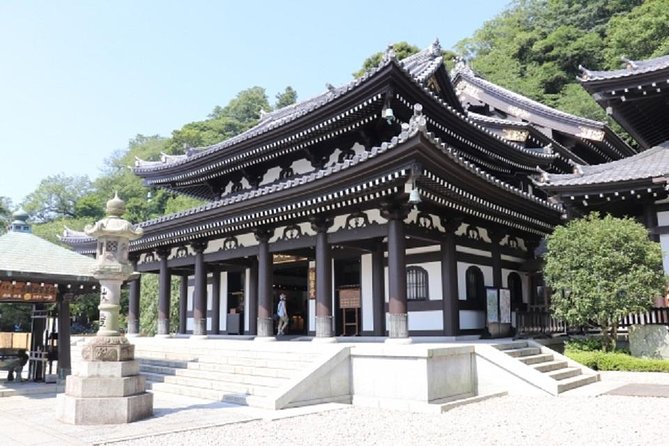
Hasedera is a strong first temple because it gives you more than one type of sight. The grounds are known for seasonal flowers, and the temple has long been associated with gardens and changing color through the year.
You have about one hour here. That is enough for a guided look at the main areas, but not enough to wander every corner at a slow pace. Your guide can explain what you are seeing and point out details that are easy to miss when you visit on your own.
I like starting here because it eases you into Kamakura. Instead of beginning with the city’s most famous object, you first get a sense of its temple grounds and religious setting. The trade-off is that admission is not included, so you should budget separately for entry.
The exact flower display depends on the season. The tour information does not promise a particular bloom, so think of the gardens as a year-round part of the visit, with seasonal changes as a bonus rather than a guarantee.
The Great Buddha at Kotoku-in
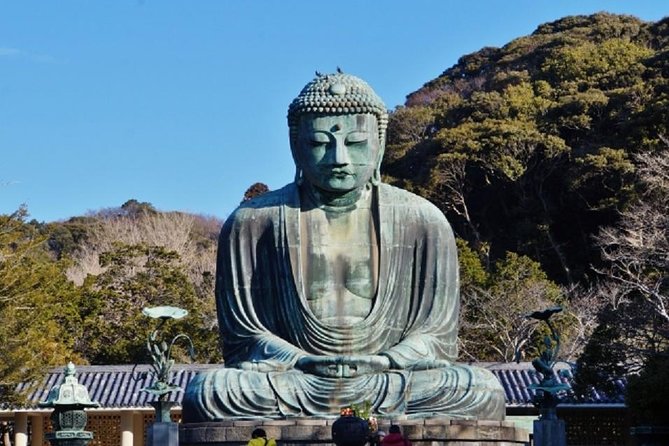
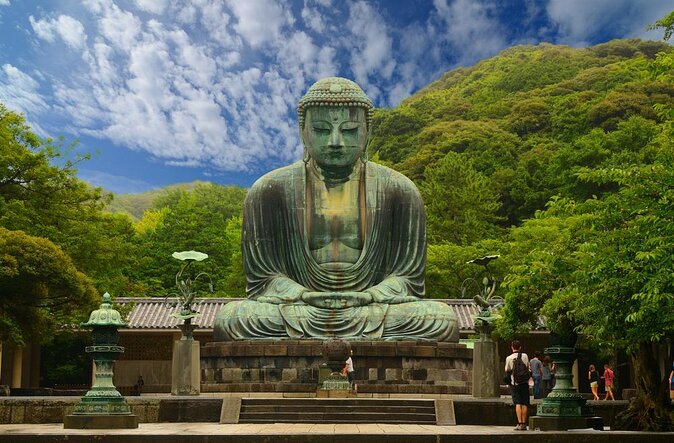
The Great Buddha of Kamakura is the day’s central sight for many people. The bronze Amida Buddha is about 13.35 meters tall and sits outdoors on the grounds of Kotoku-in Temple.
You spend about one hour at Kotoku-in. That gives you time to see the statue properly, hear its background from the guide, and take photographs without reducing the stop to a quick photo break.
This is where a good guide adds real value. The statue is immediately impressive, but its meaning and place in Kamakura’s past are harder to understand from a sign alone. Akira and Kono-san have been praised for clear explanations at the city’s major sights, and one guide, Noby Kono, also helped a group make the most of a tight schedule.
Admission is separate. The Great Buddha is popular, so the private format does not guarantee quiet surroundings, but it does mean you can keep your questions and pace within your own group.
Hokoku-ji and its 2,000 bamboo stalks
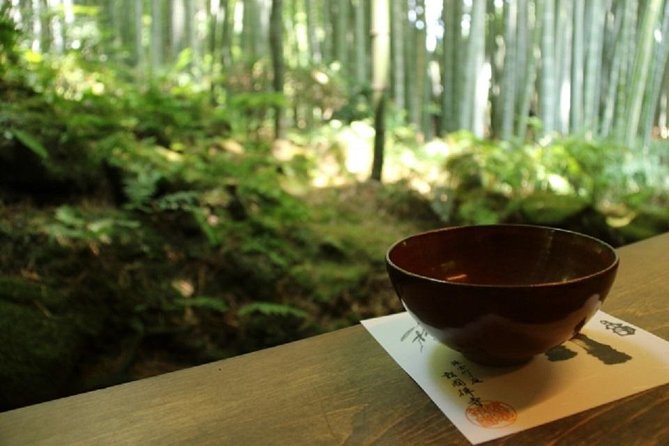
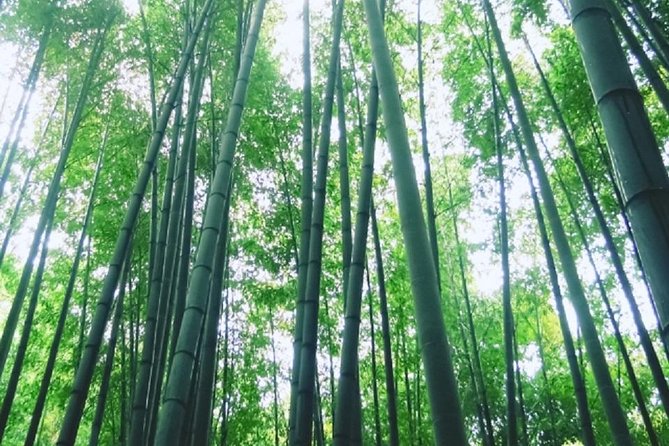
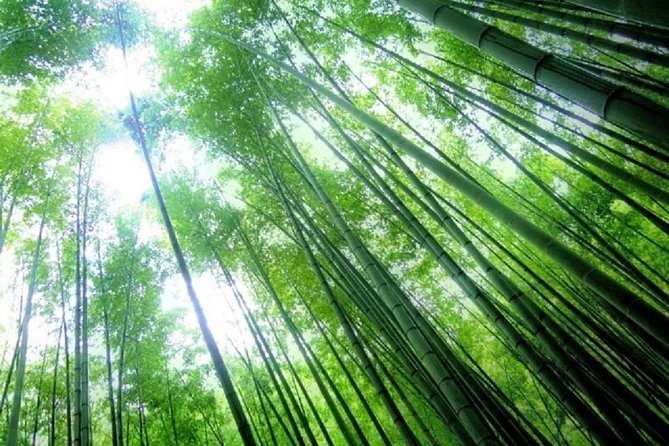
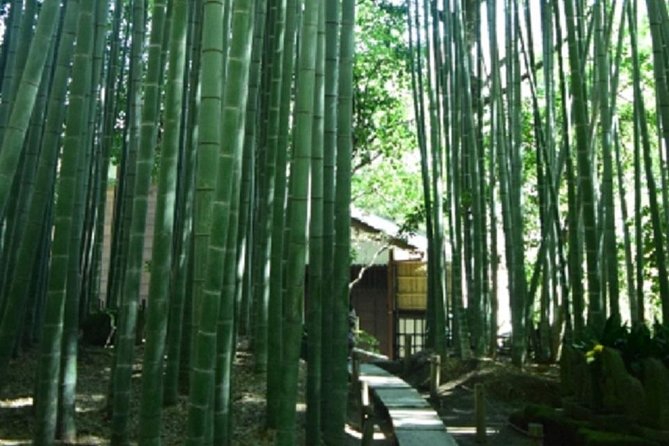
Hokoku-ji is the stop that gives this tour its title, and it is likely to be the most atmospheric part of the day. The temple’s bamboo garden contains about 2,000 stalks, creating a shaded, cool setting that feels far removed from Tokyo.
You have roughly one hour here. The grove itself is not enormous, but its appeal comes from the mood rather than size. Walk slowly, look upward through the bamboo, and give yourself time to notice the change in sound and light.
A cup of matcha while looking into the bamboo garden is included as part of the experience described, but food and drinks generally are not included in the tour price, so confirm the current arrangements when booking. The tea stop adds a useful pause after the morning’s sightseeing.
Hokoku-ji is also known as the Bamboo Temple and is recognized in the Michelin Green Guide as a three-star attraction. That label may help explain its popularity, but you do not need a guidebook ranking to see why the grove works. It is compact, peaceful, and visually distinct from the larger temple and shrine grounds elsewhere in Kamakura.
The main practical point is that admission is extra. You should also expect other people in the grove. A private guide gives you a more personal visit, not private access to the bamboo garden.
A few more Kamakura half-days to weigh up
- Tokyo: Kamakura & Enoshima Day Trip including Temple Tickets
★ 4.5 · 1,375 reviews - From Tokyo: Kamakura & Enoshima 1-Day Bus Tour
★ 4.5 · 189 reviews - Kamakura Historical Walking Tour with the Great Buddha
★ 5.0 · 129 reviews - Kamakura Private Tour: Temples, Nature, and the Great Buddha
★ 5.0 · 121 reviews
Tsurugaoka Hachimangu and Kamakura’s warrior past
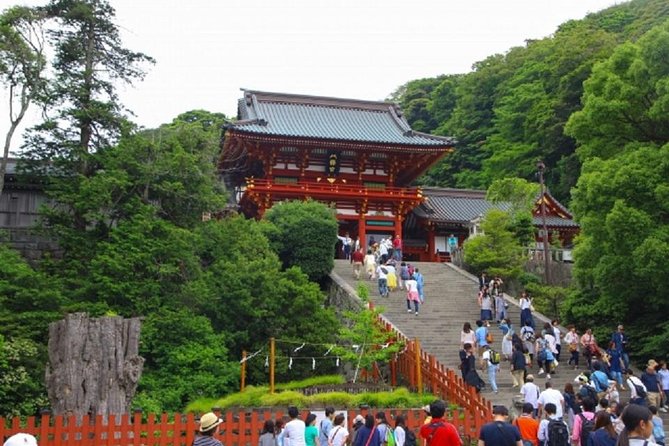
Tsurugaoka Hachimangu is Kamakura’s major shrine and sits in the center of town. It was revered for centuries as a home of gods connected with war, making it an important place for understanding the city’s political and religious role.
The visit lasts about one hour. The scale is different from Hokoku-ji. Here, you get broad shrine grounds, ceremonial spaces, and a strong connection to the city around it.
This is one of the stops where a nationally qualified guide can help. The shrine’s architecture and rituals are easier to appreciate when someone explains what you are meant to notice and how the site fits into Kamakura’s past.
Again, admission is not included, though the tour information lists the shrine visit as part of the route. You should be ready for walking and steps during the day. The supplied information does not give a precise step count or accessibility route, so anyone with knee trouble should ask the operator for current details before booking.
Komachi-dori for a short food stop
Komachi-dori is the least formal stop and a welcome change of pace. This shopping street is lined with places to browse, eat, and pick up unusual small goods.
You get about 30 minutes here. That is enough for a snack, a quick look at the shops, or a short stroll before the day ends. It is not enough for a relaxed meal or serious shopping, so keep your expectations modest.
Food and drinks are not included. That gives you freedom to choose what appeals to you, but you should carry extra money and avoid assuming that this stop includes a full lunch break.
I like the inclusion of Komachi-dori because it adds ordinary town life to a day otherwise centered on religious sites. The tour is not only temples and formal history. You also get a small taste of what Kamakura feels like as a living town.
What the private guide adds
The strongest part of this experience is the guide’s role in connecting the stops. You are not simply being delivered to five famous locations. The guide can explain rituals, history, and what to look for, while also helping you manage the train and local transport system.
Akira has been described as friendly, organized, and strong in English, with detailed explanations at each point of interest. Kono-san has also received praise for helping with public transportation from Tokyo and within Kamakura, keeping the group moving without making the day feel hurried.
Noby Kono has accommodated special requests and even sent photographs that became some of the best images from one group’s day. Yumiko has been praised for clear stories and a dedicated approach. These names are useful when you speak with the operator, but guide assignment is not guaranteed.
You should also keep expectations realistic. One experience with Kimo San included all the expected sights, but communication was difficult and answers outside his prepared material were limited. That does not define every guide, but it is a fair reminder that private tours can vary by person.
Public transportation, timing, and walking
This is not a coach tour. You use public transportation, and the cost of getting to and from the tour is yours. The guide helps with the system, which is a major convenience, but you still need to be ready for stations, platforms, transfers, sidewalks, and movement between sights.
The nine-hour length includes a lot of ground. A past group with a fixed departure from Yokohama Port had limited time and shortened each of the five stops. Another group completed the route in rainy, misty weather and still enjoyed the day, but specifically noted the amount of walking.
The tour is listed as suitable for most people, but that does not mean it is easy-paced. If you have knee problems or tire quickly, consider asking about the walking plan before paying. The route may be possible, but the experience will be less enjoyable if you are spending the final hours worrying about each step.
Wear practical shoes. Bring water and allow room in your budget for transit and snacks. If rain is forecast, carry suitable protection, since the experience requires good weather and may be moved or canceled if conditions are poor.
Is $176.37 per person fair value?
The answer depends on your group. The fee covers a private English-speaking guide and a full day of sightseeing, but not admission tickets, food, drinks, or public transportation. A couple will pay more per person than a family or larger group, while a group that uses a discount may find the total easier to accept.
I see the best value for people staying in Tokyo who want to see Kamakura without planning every train connection and temple sequence themselves. The guide’s help is particularly useful if you want historical explanations rather than only photographs.
The price is less attractive if you are comfortable using Japanese public transportation, already know the city, or prefer to spend half a day at one or two sites. You could save money by arranging a simpler independent visit, but you would give up the convenience of a private guide and the structured route.
The 4.8 out of 5 rating and 100 percent recommendation rate indicate a strong overall record, though the small number of ratings means you should still consider the guide-quality variation and the walking demands.
Who should book this private tour?
I would recommend it for families, friends, first-time visitors to Kamakura, and anyone who wants one efficient day from Tokyo. It is also a sensible choice if you are nervous about Japanese transit or want explanations at each temple and shrine.
It suits people who can walk steadily for much of the day. Strong walkers have managed the five-stop schedule well, even with rain and tight port departure times.
I would hesitate to recommend it to anyone seeking a slow, quiet temple day, a long lunch, or a low-cost outing. It is also not the best choice if mobility is a serious concern unless the operator confirms that the route can be adjusted.
Free cancellation is available up to 24 hours before the start time. Changes or cancellations inside that window are not refunded, and poor weather may lead to another date or a full refund.
Should you book the Kamakura Bamboo Forest and Great Buddha Private Tour?
Book it if you want Kamakura’s major sights in one organized day and value having a guide beside you on public transportation. The combination of Hasedera, the Great Buddha, Hokoku-ji, Tsurugaoka Hachimangu, and Komachi-dori gives you a useful first visit rather than a single-photo stop.
Before booking, confirm the guide language level, ask about the day’s expected walking, and set aside money for admissions and transit. If you are traveling with family or friends, the private price becomes easier to defend. If you are alone or prefer to linger, an independent visit may suit you better.
FAQ
Is hotel pickup included?
Pickup is offered from hotels in Tokyo’s 23 wards. Public transportation to and from the experience is not included in the price.
How long does the tour last?
The experience lasts approximately nine hours.
Is this a private tour?
Yes. Only your own family or group participates, and an English-speaking professional guide is included.
Which places are visited?
The route includes Hasedera Temple, Kotoku-in and the Great Buddha, Hokoku-ji Temple and its bamboo garden, Tsurugaoka Hachimangu Shrine, and Komachi-dori.
Are admission tickets included?
No. Customers pay the admission fees for the sites visited.
Can I cancel for a full refund?
You can cancel at least 24 hours before the start time for a full refund. Poor weather may lead to a different date or a full refund.
Just added around Kamakura
- When Emperors Reigned and Shoguns Ruled★ 5.0 · 43 reviews
- First time in Kamakura? Enjoy a Tour of All Must-sees!★ 5.0 · 15 reviews
- Your Own HANKO Name Seal Activity in Kamakura.★ 5.0 · 24 reviews
- Kamakura 4hr Private Trip with Government-Licensed Guide★ 5.0 · 58 reviews
- Kamakura Walking Tour – The City of Shogun★ 5.0 · 100 reviews
- Exciting Kamakura – One Day Tour from Tokyo★ 5.0 · 40 reviews
- Kamakura Tours Half Day or Full Day Tours with a local guide.★ 5.0 · 12 reviews
- Buddha, Bamboo & Zen – Bespoke Kamakura Private Walking Tours★ 5.0 · 25 reviews
Bamboo Grove Tours, compared.

Fushimi Inari, Kinkakuji, Bamboo Grove 1 Day Bus Tour
Read our review →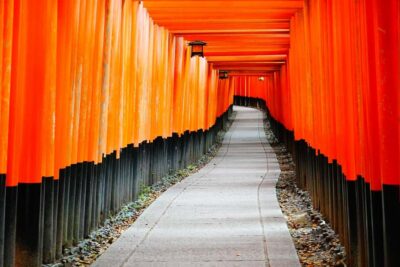
Osaka/Kyoto:Kinkakuji,Arashiyama,FushimiInariShrine,NaraPark
Read our review →
Kyoto/Osaka: Nara, Fushimi Inari Taisha, Arashiyama Bus Tour
Read our review →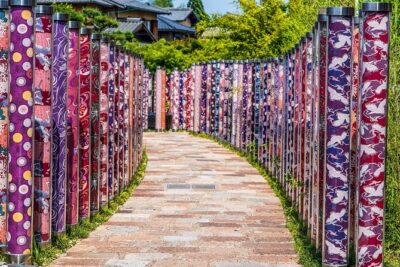
Kyoto Arashiyama Walking Tour: Bamboo, Monkeys, Gardens & Secrets
Read our review →
Arashiyama Bamboo, Temple, Monkeys, or Secret Sake Brewery
Read our review →
Arashiyama Bamboo Forest, Monkeys, Matcha & Temple Tour
Read our review →
Osaka/Kyoto: Arashiyama, Nara & Fushimi Inari Shrine w/Lunch
Read our review →
Nijo, Kinkaku-ji, Arashiyama, Kiyomizu & Fushimi Inari
Read our review →Browse the lists this tour appears in