
Reviewed · KYOTO TOURS
Bento Box Cooking Class
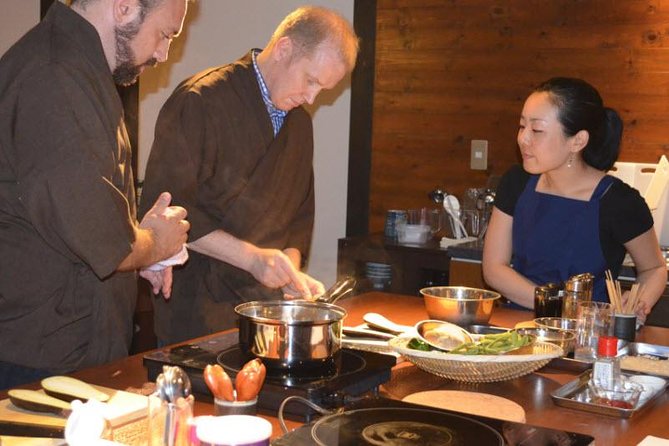
Kyoto’s Bento Box Cooking Class turns an everyday Japanese lunch into a hands-on cultural lesson. You learn why bento matters, watch Japanese chefs demonstrate each technique, then make several dishes yourself before sitting down to eat the finished meal. The cooking is real, not just a demonstration with a quick garnish at the end.
I like the generous range of food and the patient instruction. You may prepare an omelet, tempura, teriyaki chicken, a spinach and sesame salad, sushi, and miso soup in one morning. I also like that you receive the recipes, so the class can continue after Kyoto. The main consideration is timing: the class begins at 9:30 am, and you may be hungry by the time the meal is ready, so eat a light breakfast first.
Key points at a glance
- Several Japanese dishes in one class: Prepare bento staples such as tempura, egg rolls, sushi, teriyaki chicken, and miso soup.
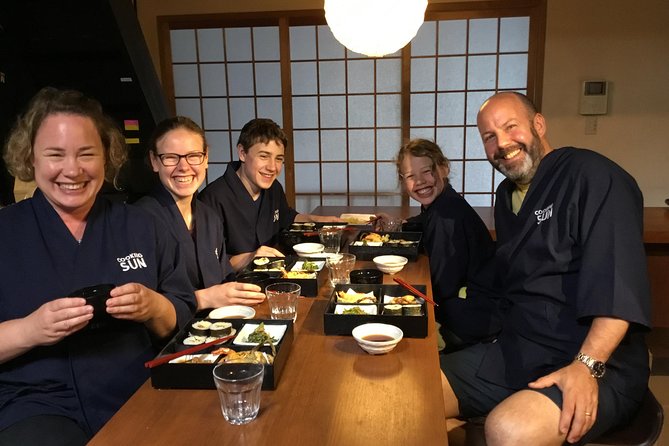
- A small-group format: Bookings are limited to a maximum of eight people, allowing hands-on help from the English-speaking instructor.
- Seasonal cooking: The menu changes every three months to use the best available seasonal ingredients.
- A proper lunch is included: You eat the bento you prepare, rather than taking home an unfinished project.
- Useful take-home recipes: The recipes let you repeat the dishes for friends and family.
- Good for mixed experience levels: Clear demonstrations and individual guidance suit beginners, while experienced cooks can pick up new techniques.
What this Kyoto cooking class actually offers
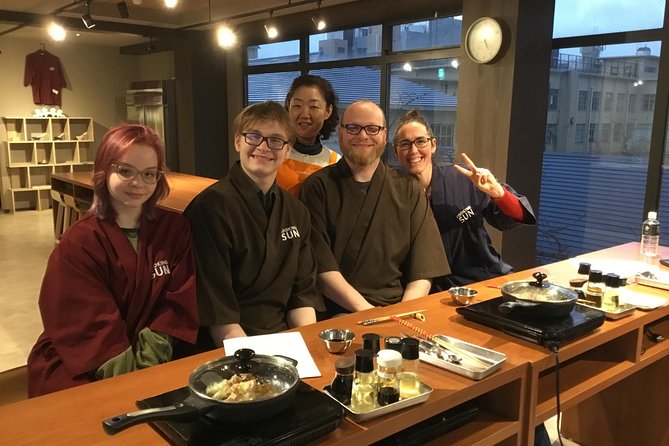
The class takes place at Cooking Sun Kyoto, at 679 Funayacho in Kyoto’s Shimogyo Ward. The meeting point is also the end point, and the morning session starts at 9:30 am. Allow roughly three to three and a half hours from arrival to the final meal, since the duration is described slightly differently in the published details.
The focus is not simply on assembling a pretty lunch box. You get an introduction to the background of bento, watch the instructor demonstrate techniques, and then work through a set of dishes. The exact menu changes every three months, so the food depends on the season of your visit.
That seasonal approach matters. Bento is built around balance, variety, appearance, and convenience, but it is also tied to what is available at a given time. A class that changes its menu can show you a more natural side of Japanese home cooking than a fixed menu would.
All ingredients, an apron, lunch, and an English-speaking cooking instructor are included. Hotel pickup and drop-off are not included, so you need to make your own way to the studio. The meeting point is near public transportation, which makes this easier to fit into a Kyoto sightseeing day.
More cooking classes in Kyoto:
- Ramen Cooking Class at Ramen Factory in Kyoto
★ 5.0 · 1,937 reviews - Kyoto: Ramen Cooking Class at a Ramen Factory with Souvenir
★ 4.9 · 532 reviews - Kyoto: Ramen, Gyoza, and Onigiri Cooking Class
★ 5.0 · 445 reviews
The opening lesson: why bento matters
The class begins with the origins of bento and the idea of convenience in Japanese food culture. The historical introduction reaches back to the 13th century, when the Song Dynasty used the word bento as slang for something convenient.
That background gives the meal more meaning. A bento is not just a box with several small portions. Its appeal comes from how different flavors, colors, textures, and cooking methods fit together in one compact meal. Preparing one helps you see the planning behind a lunch that can look simple at first glance.
I find this opening especially useful if you are eating your way through Japan and want more than a list of ingredients. You learn some of the thinking behind the food: how separate dishes work together and why presentation is part of the meal.
The class then moves into chef demonstrations. The instructors show techniques before you try them, which is helpful for tasks that are unfamiliar to many home cooks. The teaching is conducted in English, and the feedback describes the instructions as clear, patient, and easy to follow.
Making the bento: many dishes, plenty of practice
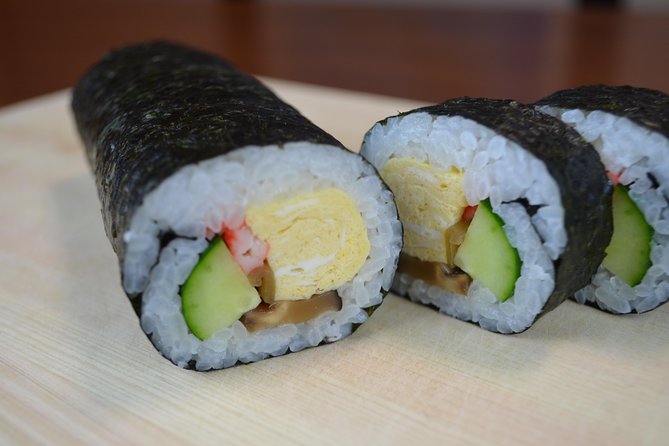
The strongest part of this experience is the amount of cooking packed into one session. The precise menu changes, but the class may include miso soup, tempura vegetables, egg rolls, teriyaki chicken, spinach with sesame, and a sushi roll. Some sessions have included tempura shrimp as well.
The egg roll is a particularly good lesson because it requires more care than simply mixing and frying eggs. Japanese rolled omelets are made in layers, and the class gives you a chance to practice the rolling process with guidance. The finished piece also fits naturally into a bento, where neat shapes and clean portions matter.
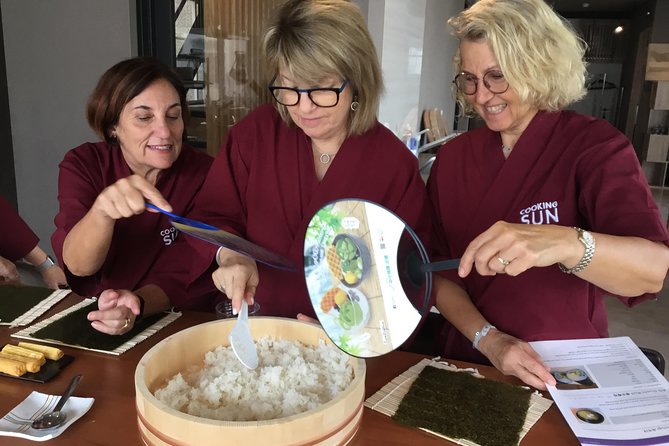
Tempura offers a different lesson. You learn how to prepare and fry vegetables, and in some sessions shrimp, rather than receiving ready-made fried food. Sushi rolling adds another practical skill, with the instructor demonstrating how to form and cut the roll.
The class also introduces small but useful points about Japanese cooking. You might learn tips for making dashi, the stock used in many dishes, or when to use different types of soy sauce. These are the details that can make the recipes more useful at home, since they explain not just what to do but how Japanese cooks build flavor.
One point worth knowing is that ingredients are prepared in advance to keep the class moving. That is sensible for a three-hour lesson with several dishes, but it means you may not chop every ingredient from start to finish. You still cook the key components yourself, yet this is not a full professional kitchen apprenticeship.
Instruction and group size at Cooking Sun Kyoto
The published group limit is eight people per booking, with a maximum of eight participants for the activity. That is a comfortable size for a cooking class because you should have a reasonable chance to see the demonstrations and ask for help.
Some class feedback describes a session with 12 people supervised by three chefs, so the staffing arrangement may vary by date or group setup. The consistent point is that the teaching includes individual supervision rather than leaving you to copy a recipe on your own.
The instructors are described as friendly, relaxed, humorous, and patient. That combination matters in a class involving several unfamiliar tasks. You can make a mistake with the omelet or sushi roll and correct it without feeling rushed.
The teaching also seems suited to a range of cooking backgrounds. Beginners can follow the demonstrations, while people who already cook Asian food may find new ideas in the dashi, sauces, frying, and rolling techniques. Several activities in Kyoto are primarily demonstrations, but this one gives you repeated chances to handle the food yourself.
More hands-on workshops in Kyoto:
- Kyoto: 45-Minute Tea Ceremony Lesson Experience
★ 4.3 · 2,378 reviews - Kyoto : Chopsticks Making Workshop in Gion with Engraving Option
★ 5.0 · 958 reviews - Kyoto: Samurai Sword Class by Experts in Traditional Arts
★ 4.9 · 657 reviews - Ninja 1-hour Hands-on Lesson by Japanese master in Kyoto -Entry
★ 5.0 · 489 reviews
The final bento lunch
Once the cooking is finished, you pack the dishes into your bento and sit down to eat. This is more satisfying than it may sound. After working through several recipes, you can see how a bento balances small portions into a complete meal.
The lunch is included in the price, as are the ingredients. You do not need to buy a separate meal afterward, and the portion can be substantial. One family found there was more food than they could finish, so plan accordingly if you have a small appetite.
The meal also gives you a chance to appreciate the work behind a prepared bento. You may have made several dishes, but a shop-bought box hides that effort. Rolling the egg, preparing tempura, making sushi, and arranging the food helps explain why a carefully made bento can cost more than a quick convenience meal suggests.
Do not skip breakfast completely. The cooking lasts for hours, and you wait until the end to eat what you have prepared. A light meal before the 9:30 am start should make the class more comfortable without spoiling lunch.
Recipes you can use after Kyoto
The recipe handouts are one of the best practical features. You can take the instructions home and try the dishes again for friends and family. That gives the class more lasting value than a single meal or a few photographs.
The recipes may also help you recreate the experience with ingredients available outside Japan, although the supplied information does not promise substitutions or a specific level of detail in the handouts. You should ask questions during the lesson if you want to clarify measurements, sauces, or preparation steps.
I especially like this feature for cooks who want to build a small Japanese repertoire. Learning one bento can lead to several repeatable dishes: a rolled omelet for breakfast, teriyaki chicken for dinner, tempura for a weekend meal, or sesame spinach as a simple side.
Price, timing, and practical value
At $71.35 per person, this is not the cheapest lunch in Kyoto. It is also not merely a meal. The fee covers about three hours of instruction, ingredients, an apron, the food you prepare, and recipe copies. If you would otherwise pay for a separate cooking class and lunch, the combined value is reasonable.
The price makes more sense for you if you enjoy cooking or want an activity that adds context to Japanese food. It is less compelling if you only want to eat a bento quickly, since Kyoto offers many faster and less expensive meals.
The compact format works well during a busy visit. You spend one morning at the studio, finish back at the meeting point, and can continue sightseeing afterward. The tradeoff is the fixed start time. You need to reach 679 Funayacho by 9:30 am, and hotel transport is not part of the experience.
Group discounts are available, which can help families or friends booking together. The activity also uses mobile tickets, making it easy to keep the booking details on your phone.
Specific dietary requirements should be provided when booking. This is important rather than a minor formality because the menu can include ingredients such as seafood, eggs, soy, and other common allergens. One participant with food allergies received careful help, but you should still communicate your needs in advance.
Service animals are allowed, and the studio is near public transportation. The supplied details do not describe every accessibility feature of the kitchen, so contact the provider if you need information beyond service-animal access.
Who should book this class
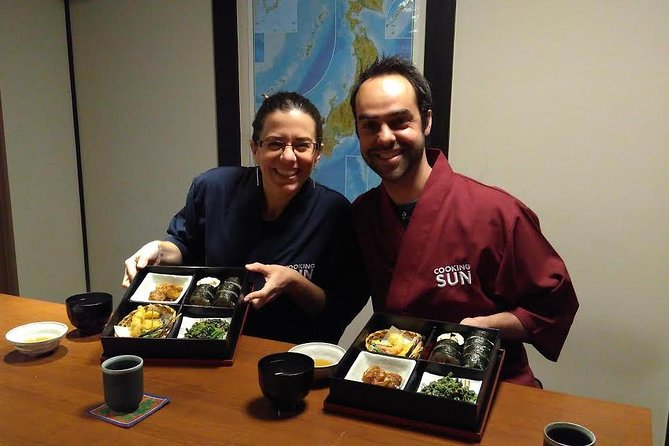
I would choose this class for first-time visitors who want a practical introduction to Japanese food culture. It is also a strong choice for couples, families, and parents traveling with teenagers. The variety keeps the session active, and the final lunch gives everyone a clear reward.
It suits people who enjoy learning by doing. You will not spend the whole morning watching a chef work. You will handle ingredients, practice techniques, and arrange the food yourself.
Experienced cooks can enjoy it too, especially if Japanese food is not part of their usual routine. The class covers multiple styles of preparation in one sitting, and the focus on dashi, soy sauce, tempura, sushi, and egg rolling provides plenty of small lessons.
I would think twice if your schedule is tight around the morning start, if you dislike seafood or eggs, or if you want an advanced course focused on one exact dish. The menu changes seasonally, and the class is designed as a broad introduction rather than a specialist workshop.
Should you book the Bento Box Cooking Class?
Book it if you want a filling, social Kyoto activity that gives you skills to take home. The combination of hands-on cooking, cultural background, seasonal ingredients, and a finished lunch makes the $71.35 fee fair for food lovers.
The best reason to choose it is the range. In one morning, you can learn parts of several Japanese dishes instead of spending the entire class on one recipe. The main cautions are the early start, the potentially large meal, and the need to disclose dietary requirements before arrival.
Free cancellation is available if you cancel at least 24 hours before the local start time. After that point, the amount paid is not refunded, and late changes are not accepted.
FAQ
Where does the Bento Box Cooking Class meet?
The class meets at Cooking Sun Kyoto, 679 Funayacho, Shimogyo Ward, Kyoto, 600-8466, Japan. The activity also ends back at this meeting point.
What time does the class start?
The scheduled start time is 9:30 am.
How long does the cooking class last?
The experience lasts approximately three hours, with the detailed description giving a possible duration of three to three and a half hours.
What food might I prepare?
The menu can include miso soup, tempura vegetables, egg rolls, teriyaki chicken, spinach with sesame, and a sushi roll. Some sessions may also include tempura shrimp. The menu changes every three months according to seasonal ingredients.
Is lunch included?
Yes. You eat the bento you prepare at the end of the class. Ingredients for the cooking, an apron, and an English-speaking instructor are also included.
How many people can join?
The activity has a maximum of eight participants according to the booking details. The number of instructors may vary by session.
Can I cancel for a full refund?
Yes, if you cancel at least 24 hours before the experience start time. Cancellations or changes made less than 24 hours before the start are not accepted for a refund.
Just added around Kyoto
- Kyoto: Zen Meditation at a Private Temple with a Monk★ 5.0 · 25 reviews
- Kyoto: Gion Geisha District & Sake-in-Hand Walking Tour★ 5.0 · 37 reviews
- Private Pewter Sake Cup Experience with a Kyoto Artisan★ 5.0 · 31 reviews
- Your Private Vacation Photography Session In Kyoto★ 5.0 · 110 reviews
- Kyoto Wagashi(Japanese sweets) Cooking Class near Fushimiinari★ 5.0 · 60 reviews
- Private Guided Traditional Buddhist Cooking in Japan★ 5.0 · 16 reviews
- Traditional Japanese Music show & Experience Tour in Kyoto★ 5.0 · 57 reviews
- Kyoto:Family-Friendly Kimono & Yukata Experience at WARGO★ 5.0 · 147 reviews
Kyoto Tours, compared.


Fushimi Inari, Kinkakuji, Bamboo Grove 1 Day Bus Tour
Read our review →
Tea Ceremony in a Traditional Tea House in Kiyomizu
Read our review →
Kyoto Geisha Walking Tour: Gion District & Hidden Gems
Read our review →

Gion Magical Night Walking Tour with Geisha Trivia
Read our review →

Gion Geisha District Walking Tour – Stories of Geisha
Read our review →Browse the lists this tour appears in