
Reviewed · FUSHIMI INARI TOURS
Kyoto Fushimi-Inari Night Walking Tour
Fushimi Inari is one of Kyoto’s most photographed sights, but its famous red gates can feel crowded in daylight. This tour takes you there as evening arrives, when the heat drops, the paths grow quieter, and lanterns and shrine lights change the mood.
I like the small group of no more than 12 and the strong guide presence. Guides such as Jem, Tammy, Caleb, Hiro, and Masaki explain prayer customs, fox symbolism, and details you could easily walk past. The main caution is simple: this is a hill walk, and much of it may be in proper darkness. Wear shoes with a good grip and bring a layer.
Key points at a glance
- Torii gates after dark: See Fushimi Inari in a cooler, quieter setting with atmospheric lighting.
- A short mountain walk: The route leads onto Mount Inari paths, so expect some uphill walking and steps.
- Guides who add context: Jem, Tammy, Caleb, Hiro, Masaki, Vincent, Yessi, and others are praised for clear explanations, stories, and patience.
- Small-group format: A maximum of 12 people makes it easier to ask questions and stay with the group.
- Useful local advice: Some guides share suggestions for dinner, nearby attractions, and places to eat.
- Flexible cancellation: You can receive a full refund when you cancel at least 24 hours before the start time.
Why Fushimi Inari works so well after sunset
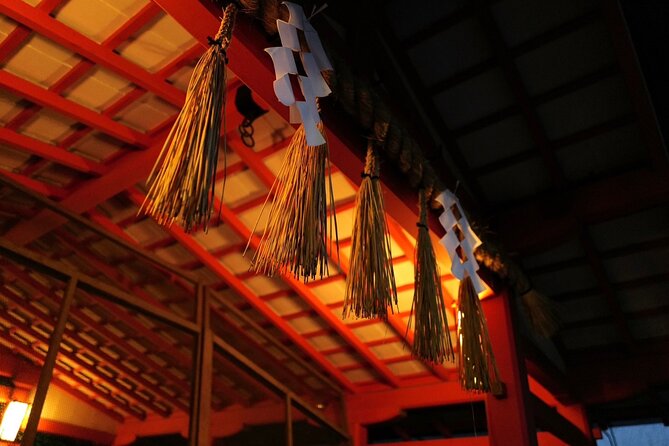
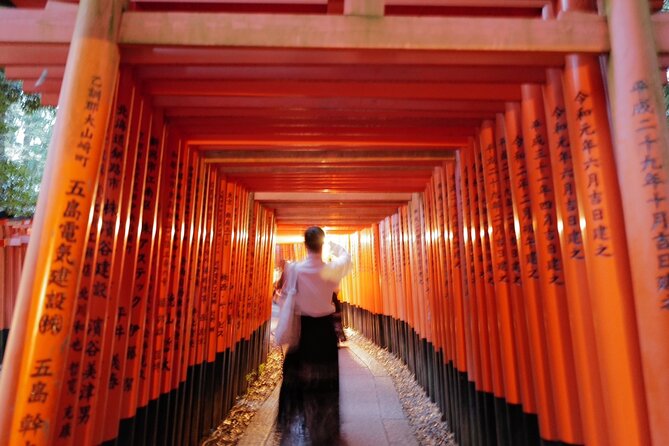
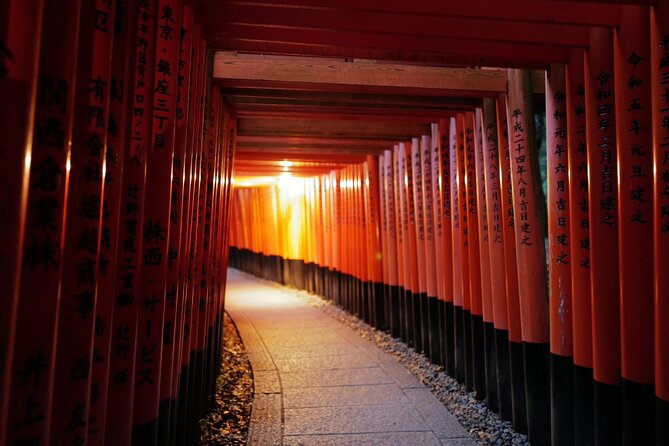
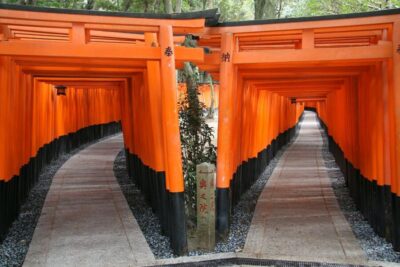
Fushimi Inari Taisha is famous for its long corridors of orange-red torii gates. During the day, those paths often become a steady stream of people taking photos and moving toward the mountain. At night, the same place feels more hushed and focused.
The shrine does not suddenly become empty at dusk. One guide noted that plenty of people were still around at the start, with numbers thinning as the evening went on. That is a useful expectation. This is a crowd-avoidance tour, not a promise of having the entire shrine to yourself.
The change in light is the real attraction. Early evening may give you some remaining daylight, while later departures bring you into the dark mountain paths. The torii gates, stone fox statues, and lit sections of the route take on a different character. You notice the spaces between the gates more. You hear your group’s conversation, your own footsteps, and the sounds of the wooded hillside.
I especially like this timing in Kyoto’s hotter months. Several guides have led tours in August, when an evening visit offers a welcome break from the heat. In winter, the same route calls for layers. The experience changes with the season, but the basic benefit remains: cooler air and fewer people than during the busiest daytime hours.
More ways to walk Fushimi Inari:
- Kyoto: Fushimi Inari, Kinkakuji, Bamboo Grove 1 Day Bus Tour
★ 4.8 · 4,316 reviews - Fushimi Inari Hidden Hiking Tour (Private Option Available)
★ 5.0 · 1,750 reviews - Kyoto/Osaka: Nara, Fushimi Inari Taisha, Arashiyama Bus Tour
★ 4.7 · 1,275 reviews
Meeting the guide at the entrance fox statue
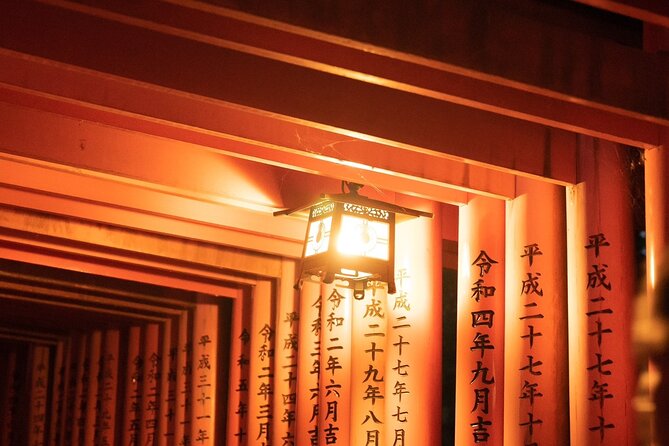
The meeting point is the fox statue at the entrance to Fushimi Inari Taisha, near Inari Station in Fushimi Ward. The address is in the Fukakusa Inarionmaecho area of Kyoto, with postal code 612-0881.
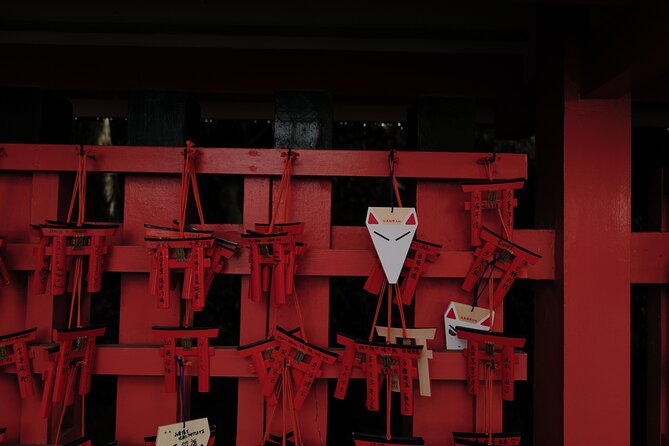
That fox statue is an appropriate landmark. Inari is associated with rice, agriculture, business, and success, and foxes are closely linked with the deity in Japanese shrine tradition. Your guide meets you there before leading the group into the shrine grounds.
Because the area can be confusing, allow enough time to find the entrance and the statue. The tour ends back at the same meeting point, which makes the outing easy to fit into a Kyoto evening. You are not left to find your way from a remote point on the mountain after dark.
The small-group limit matters here. A group of up to 12 people is large enough to provide company but still manageable on a narrow path. It also gives you a better chance to hear explanations and ask about details that catch your eye.
Walking beneath thousands of torii gates
The route begins at the shrine and moves through the famous torii gates toward Mount Inari. Each gate forms part of a long passage, with the color and repeated shapes creating the visual effect that draws people here in the first place.
Your guide puts that view into context. The shrine is dedicated to Inari, connected with rice, agriculture, commerce, health, and good fortune. People come to pray for success, happiness, and well-being, and the route includes more than the headline gates.
Look for the smaller shrines and stone fox statues along the way. Yessi, one of the guides praised for this tour, points out features that are easy to miss and explains that different sites can involve different prayer practices. That kind of detail is one of the best reasons to book a guided walk rather than simply follow the main path with a camera.
The guide also explains how to approach the shrine respectfully. This is not a formal religious service, but learning the basic customs helps you move through the space with more awareness. You get more from the visit when you understand that the gates and offerings are part of an active Shinto site, not just a backdrop for photographs.
The route is described as a small hike. You do not need to be a serious hiker, and most people can take part, but this is not a flat stroll around a city block. The path climbs into the mountain area, and the evening darkness can make footing harder to judge. Comfortable walking shoes are a smart choice.
What your guide adds to the visit
The guide is the main difference between this tour and a self-guided visit. The shrine is easy to recognize but harder to understand in detail, especially when you are seeing several smaller worship areas, fox images, and gate inscriptions in quick succession.
The strongest praise for the guides centers on three things: clear history, entertaining stories, and patient help along the route. Jem is described as organized and good at keeping the group together. Caleb is praised for making explanations easy to follow, including for children, without letting them become long lectures.
Hiro is noted for explaining the shrine’s cultural importance and answering questions in a welcoming way. One useful practical point is that the paths can feel maze-like, particularly at night. Having someone who knows the route can reduce the stress of wondering which way to go.
Masaki receives praise for taking photos, answering questions, and offering suggestions for food and other Kyoto sights. Vincent is described as patient with photo stops, which matters at a place where you will probably want to pause often. Tammy has also been praised for checking the meeting details in advance and for her friendly, careful approach.
The guide assigned to your departure can vary. Names associated with this experience include Jem, Tammy, Caleb, Hiro, Masaki, Vincent, Yessi, Cade, and others. You should book for the evening shrine walk itself rather than expecting one specific person unless the booking details promise that guide.
The best guides keep the balance right. You get enough information to understand Shinto customs and the shrine’s purpose, but still have space to look, walk, and take pictures. That balance is especially valuable at night, when a long speech can interrupt the quiet atmosphere.
More walking tours in Kyoto:
- Kyoto Geisha Walking Tour: Gion District & Hidden Gems
★ 4.7 · 3,273 reviews - Kyoto: Gion Magical Night Walking Tour with Geisha Trivia
★ 4.9 · 2,393 reviews - Kyoto: Gion Geisha District Walking Tour – Stories of Geisha
★ 4.7 · 2,187 reviews - Night Walk in Gion: Kyoto’s Geisha District
★ 4.5 · 2,003 reviews
The mood changes as the light fades
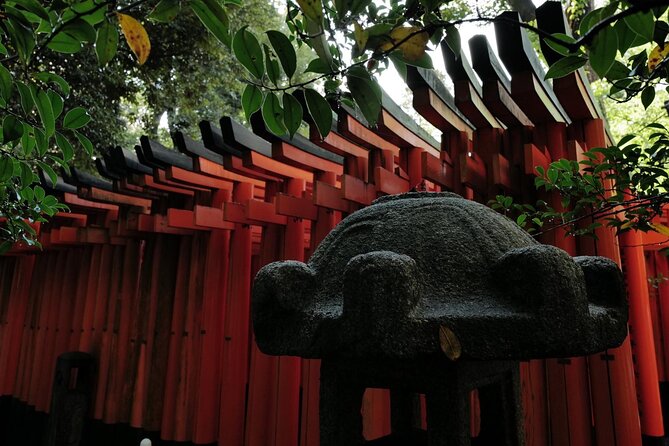
Some departures begin around dusk, while others take place mostly after sunset. That distinction affects the experience more than you might expect.
At dusk, you can see the shrine buildings, gate colors, and surrounding greenery more clearly. You also get the gradual change from late daylight to artificial lighting, which can be excellent for photos. The tradeoff is that the beginning may still have a fair number of people.
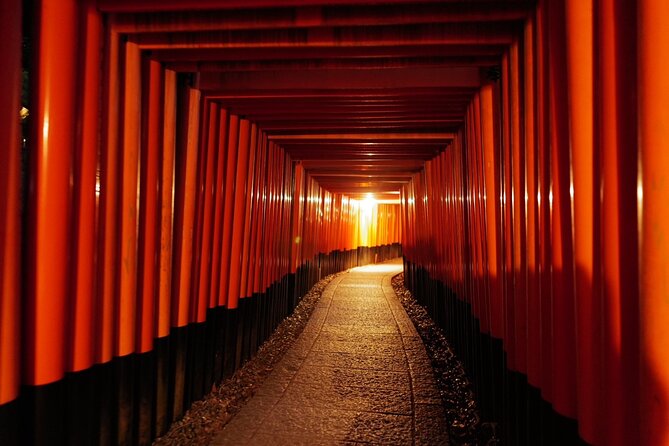
After dark, the shrine feels more atmospheric and less exposed. The paths have lights, but parts of the mountain walk remain dark enough that you should stay close to the guide and watch your footing. A review of the experience makes this point plainly: expect to walk through the gates on mountain paths in the dark, not just stroll around a brightly lit entrance plaza.
Rain does not necessarily cancel the mood. A guide has led the walk for a very small group during wet weather, helping the participants still enjoy the shrine. Even so, rain makes stone paths and steps less comfortable, so appropriate footwear becomes more important.
The lighting is practical rather than a grand evening show. This is still a working shrine and a natural hillside route. You are not visiting a staged attraction with dramatic illumination at every turn. That is part of its appeal, but it also means you should not expect every gate or viewpoint to be brightly lit.
A closer look at the two-hour route
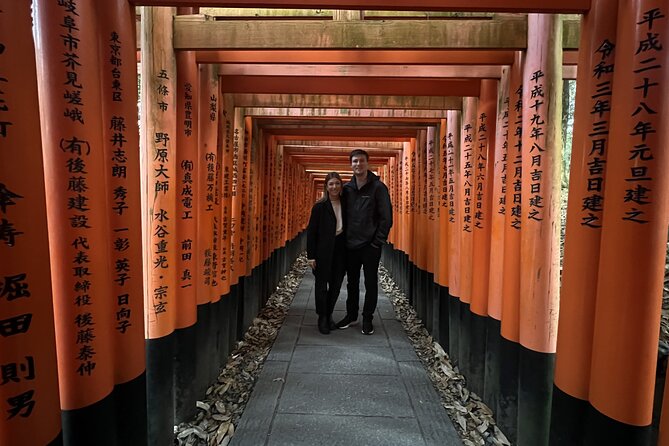
The listed duration is about 90 minutes to two hours, while the shrine portion is described as a two-hour walk. The exact length can depend on the group, the guide, photo stops, and pace.
You begin near the entrance and move into the torii-lined paths. Along the way, the guide explains the shrine’s purpose, the connection between Inari and foxes, and the meaning of different structures and worship areas. The walk includes smaller shrines and stone figures rather than focusing only on the most famous gate corridor.
As you climb, the surroundings become less like a busy sightseeing entrance and more like a wooded mountain route. Scenic viewpoints are part of the appeal, though the exact views and stopping points can vary with timing, weather, and the group’s pace.
The tour returns to the starting point. That makes it practical if you plan dinner afterward near the station or in another part of Kyoto. A guide may also suggest places to eat, though those recommendations are an added courtesy rather than a guaranteed part of the formal itinerary.
The walk is long enough to give you a real sense of the site but short enough to fit into a packed Kyoto schedule. You are not attempting the full mountain experience as an all-day hike. You are getting a guided introduction with enough uphill walking to reach the quieter sections.
Is $43.11 a fair price?
At $43.11 per person, this is not the cheapest way to see Fushimi Inari. Admission to the shrine itself is free, so the price pays for the guide, planning, navigation, explanations, and small-group setting.
I think the value is strongest if this is your first visit to the shrine. The gates are easy to photograph without paying for a tour, but the customs, fox symbolism, smaller shrines, and route can be difficult to interpret alone. At night, navigation has extra value because the paths become less obvious and the lighting is limited.
The price also makes more sense if you want a structured evening activity rather than a quick photo stop. You get up to two hours of guided time, and the group size is capped at 12. That is a more personal setup than a large coach excursion.
The value is weaker if you only want to walk through the first torii corridor, take a few photos, and leave. You can visit the shrine independently and avoid the tour cost. You should also consider your energy level, since the tour involves a small mountain hike and may take place after a full day of sightseeing.
The 100 percent recommendation rate and 5 out of 5 score from 320 reviews point to a very consistent experience, especially around guide quality. I would still focus on the practical fit: you are paying for interpretation and company, not admission or a special ticketed section of the shrine.
Who will enjoy this Kyoto night walk
I would choose this tour for a first-time Kyoto visitor who wants more than a quick look at the torii gates. It is also a good match if you enjoy local stories, cultural background, and asking questions as you walk.
Families can do well here if children are comfortable walking uphill. Caleb has been praised for explaining things in a clear, interactive way that works for kids. Still, the evening timing, darkness, and mountain path may not suit every young child.
It also suits photographers who want a calmer setting. You may still encounter other people, especially early in the evening, but the flow generally thins as the tour continues. Bring patience. The guide may pause for group explanations, and the best images often require waiting for a clear stretch of gates.
You may want to skip it if you dislike uneven walking, need a fully flat route, or prefer exploring alone. The activity is not presented as a private tour, and the group can include people moving at different speeds.
Service animals are allowed, and most people can participate. The supplied information does not give a detailed accessibility assessment, so ask the operator directly if you need specific information about stairs, slopes, or surfaces.
Practical tips for a better visit
Wear walking shoes. This is the most repeated practical point, and it matters more after sunset on a mountain path.
Bring a light layer in cool weather and breathable clothing in summer. Evening conditions can be more comfortable than daytime, but temperatures vary by season.
Arrive at the fox statue with time to spare. The meeting point is specific, and the tour begins at the entrance to Fushimi Inari Taisha. Keep your mobile ticket available for check-in.
Stay with the group once you enter the darker sections. The shrine paths can be confusing, and the guide’s navigation is one of the tour’s real benefits.
Plan dinner after the tour if you want to use the guide’s local suggestions. The activity ends back at the meeting point, so you can make your next plan from there.
If you need to cancel, do it at least 24 hours before the start time for a full refund. Changes or cancellations made later are not accepted for a refund, and the cut-off follows Kyoto local time.
Should you book the Fushimi Inari night tour?
Book it if you want to understand the shrine, not just photograph it. The combination of evening light, fewer people, guide-led explanations, and a manageable group makes this a useful introduction to one of Kyoto’s most famous places.
I would especially recommend it for first visits, summer evenings, families who prefer guided cultural activities, and anyone uneasy about finding the mountain paths alone at night. Guides such as Jem, Tammy, Caleb, Hiro, and Masaki are repeatedly praised for being friendly, clear, organized, and good with questions.
Skip it if your priority is a free, independent visit or if uphill walking and dark paths sound uncomfortable. Fushimi Inari is accessible without a tour, but the guided format gives the gates, fox statues, rituals, and mountain route a clearer purpose.
For $43.11, you are buying understanding and ease rather than admission. For many people, that is exactly what turns a beautiful Kyoto sight into a memorable cultural visit.
FAQ
How long does the Fushimi Inari Night Walking Tour last?
The experience lasts approximately 90 minutes to two hours. The shrine walk itself is described as taking about two hours, depending on pace and stops.
Where does the tour meet?
The meeting point is the fox statue at the entrance to Fushimi Inari Taisha Shrine in Kyoto’s Fushimi Ward, near Inari Station.
Where does the tour end?
The activity ends back at the meeting point.
Is admission to Fushimi Inari included?
Admission to Fushimi Inari Taisha Shrine is free. The tour price covers the guided experience rather than an admission ticket.
How large is the group?
The tour has a maximum of 12 participants.
Does the tour take place fully at night?
The exact atmosphere depends on the start time. Some departures begin at dusk, while others take place mostly after sunset. You should expect dark mountain paths during at least part of the walk.
Is this a difficult hike?
The route includes a small hike on paths leading up Mount Inari. Most people can participate, but walking shoes are recommended.
Should I bring extra clothing?
Bring layers in cooler weather. The evening timing can be more comfortable than daytime in summer, while winter departures can feel cold.
Can service animals join the tour?
Yes. Service animals are allowed.
What is the cancellation policy?
You can cancel for a full refund at least 24 hours before the experience start time. Cancellations or changes made less than 24 hours before the start are not accepted for a refund.
More Evenings Out in Kyoto
- Kyoto Night Foodie Tour in Gion (9+ dishes + 6 Sake tastings)
★ 5.0 · 1,762 reviews - Kyoto Gion Night Walk & Geisha District Guided Tour
★ 5.0 · 786 reviews - Kyoto Ghost Tour: Dark Tales, Urban Legends, Bamboo Forest Night
★ 5.0 · 625 reviews - Kyoto Bar Hopping Night Tour
★ 5.0 · 613 reviews
Just added around Kyoto
- Kyoto: Zen Meditation at a Private Temple with a Monk★ 5.0 · 25 reviews
- Kyoto: Gion Geisha District & Sake-in-Hand Walking Tour★ 5.0 · 37 reviews
- Private Pewter Sake Cup Experience with a Kyoto Artisan★ 5.0 · 31 reviews
- Your Private Vacation Photography Session In Kyoto★ 5.0 · 110 reviews
- Private Guided Traditional Buddhist Cooking in Japan★ 5.0 · 16 reviews
- Kyoto Wagashi(Japanese sweets) Cooking Class near Fushimiinari★ 5.0 · 60 reviews
- Traditional Japanese Music show & Experience Tour in Kyoto★ 5.0 · 57 reviews
- Kyoto:Family-Friendly Kimono & Yukata Experience at WARGO★ 5.0 · 147 reviews
Fushimi Inari Tours, compared.
Fushimi Inari, Kinkakuji, Bamboo Grove 1 Day Bus Tour
Read our review →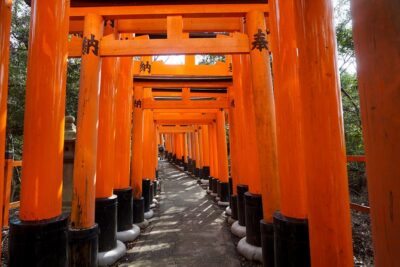
Fushimi Inari Hidden Hiking Tour (Private Option Available)
Read our review →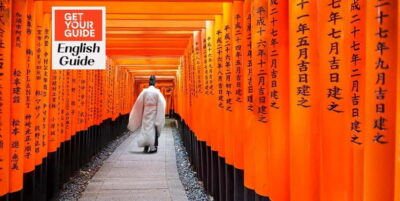
Kyoto/Osaka: Nara, Fushimi Inari Taisha, Arashiyama Bus Tour
Read our review →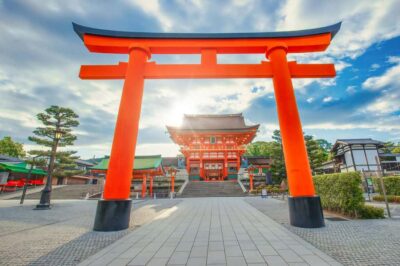
Osaka/Kyoto: Arashiyama, Nara & Fushimi Inari Shrine w/Lunch
Read our review →
Nijo Castle, Kiyomizu & Fushimi Inari Guided Tour
Read our review →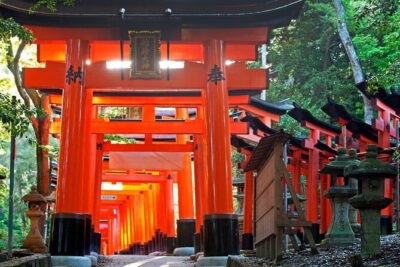
Nijo, Kinkaku-ji, Arashiyama, Kiyomizu & Fushimi Inari
Read our review →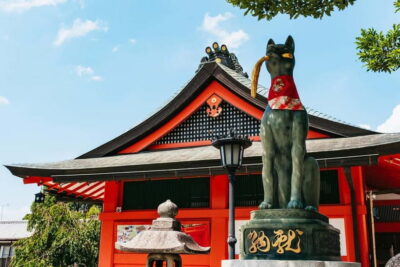
Kyoto Early Bird English Tour: Fushimi-Inari and Arashiyama
Read our review →Browse the lists this tour appears in