
Reviewed · KYOTO TOURS
Private Kyoto Cooking Class with Aki in a Beautiful Wooden House
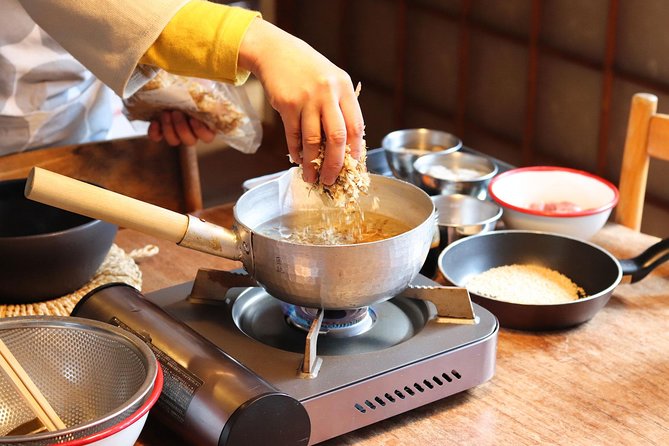
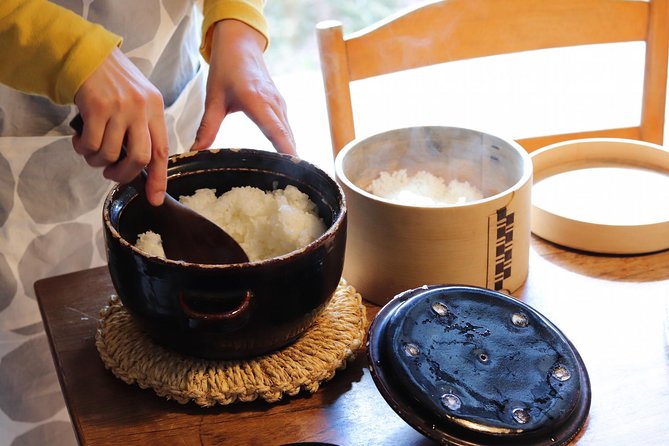
Kyoto has plenty of polished cooking schools, but Aki’s class takes you into a real home kitchen. You’ll prepare seasonal Japanese dishes in a beautiful wooden house, then sit down to eat what you made. The cooking is hands-on, not a quick demonstration from the sidelines.
I especially like the private format, since you can stop Aki and ask about a technique without holding up a large group. I also like the focus on home cooking, including foods such as chikuzenni and braised burdock root that you may not find on a standard restaurant menu. The main consideration is the firm cancellation policy, plus some uncertainty over whether alcoholic drinks are included, so check that detail before paying.
Key points to know
- Aki teaches in her own beautiful wooden home, giving the class a personal setting instead of a commercial kitchen.
- You cook for about an hour, then share a meal made by your group during the remaining time.
- Seasonal home-style dishes change through the year, with possible recipes including chikuzenni, burdock root, and miso soup.
- English recipes and English guidance are provided, making the class practical for cooks at different levels.
- The class is fully private, so the pace and questions can suit your group.
- Dietary needs must be reported at booking, and a vegetarian option is available.
A private Kyoto kitchen instead of a crowded class
This experience is best understood as a meal with a cooking lesson attached, rather than a formal culinary course. You arrive at Aki’s home in Kyoto’s Sakyo Ward for a three-hour visit, with the cooking portion taking about one hour before everyone sits down together.
That balance matters. You get enough kitchen time to learn several methods, but you are not spending the whole morning standing at a counter. The meal gives the class a natural finish and lets you taste the results while the instructions are still fresh.
The private setup is the strongest feature. Your group is the only group participating, so you can ask Aki to repeat a step, explain an ingredient, or slow down when a technique feels unfamiliar. That is a much better arrangement than a crowded class where the instructor must keep moving for everyone.
The setting adds something too. A beautiful wooden house gives the morning a sense of place that a rented studio cannot quite match. You are not only learning recipes. You are seeing how a host presents food, organizes a kitchen, and passes along family cooking methods.
More cooking classes in Kyoto:
- Ramen Cooking Class at Ramen Factory in Kyoto
★ 5.0 · 1,937 reviews - Kyoto: Ramen Cooking Class at a Ramen Factory with Souvenir
★ 4.9 · 532 reviews - Kyoto: Ramen, Gyoza, and Onigiri Cooking Class
★ 5.0 · 445 reviews
Meeting Aki at 10:30 in Sakyo Ward
The class begins at 10:30 am at Ipponmatsu, Shimogamo Matsunokicho, in Kyoto’s Sakyo Ward. The listed address is near public transportation, but hotel pickup and drop-off are not included, so you need to make your own way there and back.
Allow time to find the house. A private home meeting point is not the same as walking into a large shop with a bright sign, and arriving rushed would take some of the pleasure out of the morning. Your confirmation should provide the details you need, and confirmation is sent within 48 hours of booking, subject to availability.
The location also affects how you plan the rest of your day. The activity ends back at the meeting point after roughly three hours, so you can treat it as a morning Kyoto plan. Do not schedule a tight, timed attraction immediately afterward unless you leave generous travel time.
A start at 10:30 works well for many visitors. You do not have to rise before dawn, and you finish around lunchtime with a substantial meal already taken care of. It is less convenient if you want to visit a distant part of Kyoto immediately afterward.
Cooking dishes you may not order in a restaurant
Aki introduces you to local recipes and family techniques that are less visible on restaurant menus. Japanese restaurants often present finished dishes beautifully, but a home class shows you the steps behind familiar flavors.
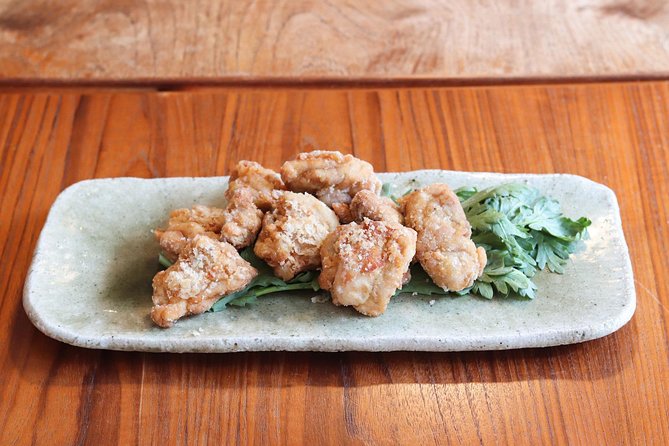
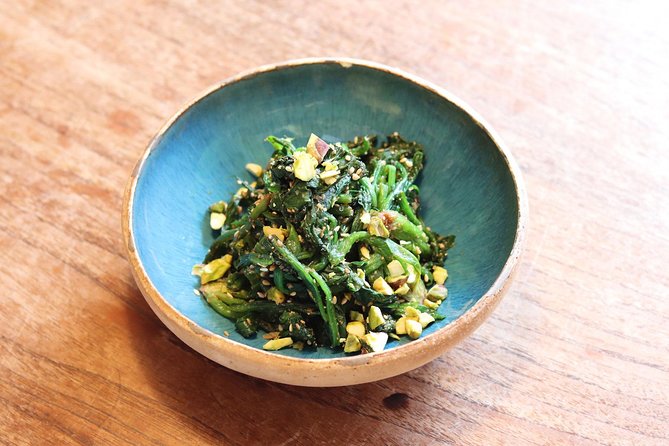
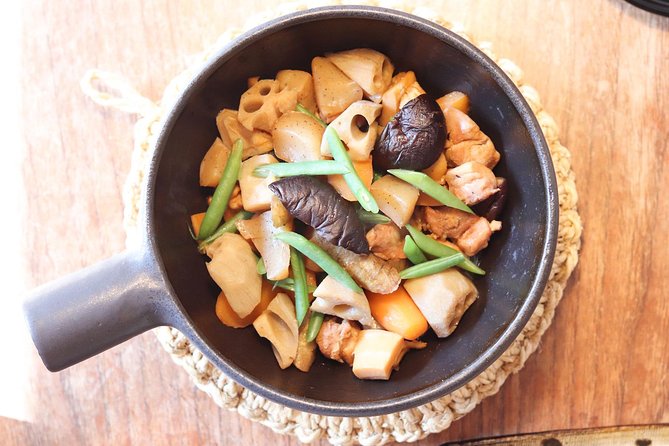
The sample menu includes chikuzenni, a braised dish of chicken and vegetables, braised burdock root, and miso soup. These examples give you a sense of the class: comforting, practical food rather than restaurant theatrics.
Chikuzenni is especially useful for a home cook because braising teaches several basic Japanese ideas at once. You work with vegetables, seasoning, and time, then see how the ingredients come together in a finished dish. Burdock root introduces a vegetable that may be unfamiliar to you, while miso soup connects a very common Japanese food to the small choices that affect its final taste.
The exact menu changes with the season. That is a plus if you care about how Japanese cooking follows the calendar, but it also means you cannot book this class expecting a fixed list of dishes. Ask about the likely menu if a particular ingredient matters to you.
You receive recipes in English, which makes the class more useful after you leave Kyoto. The recipes give you something concrete to take home rather than relying on memory after a busy morning of chopping, stirring, and eating.
About an hour of hands-on work
Aki guides you through the cooking instead of simply preparing the meal for you. The hands-on format means each person in your group can take part in the preparation and cooking, making this a good choice if you want to learn by doing.
The class is not described as advanced, so you should not need professional kitchen skills. At the same time, the private structure allows Aki to answer questions as they arise. You can ask why a particular step matters, how a dish is normally served, or how to adapt a recipe at home.
One useful detail from the experience is Aki’s patient instruction and strong English. That removes a common worry with food classes in Japan: knowing what to do but missing why you are doing it. English recipes add another layer of clarity.
The cooking lasts about an hour, which is long enough to feel involved but short enough to keep the morning relaxed. If you are hoping for several hours of technical knife practice or a professional-level course, this may feel too light. If you want a friendly introduction to Japanese home cooking, the length is more manageable.
More hands-on workshops in Kyoto:
- Kyoto: 45-Minute Tea Ceremony Lesson Experience
★ 4.3 · 2,378 reviews - Kyoto : Chopsticks Making Workshop in Gion with Engraving Option
★ 5.0 · 958 reviews - Kyoto: Samurai Sword Class by Experts in Traditional Arts
★ 4.9 · 657 reviews - Ninja 1-hour Hands-on Lesson by Japanese master in Kyoto -Entry
★ 5.0 · 489 reviews
Sharing the meal you helped prepare
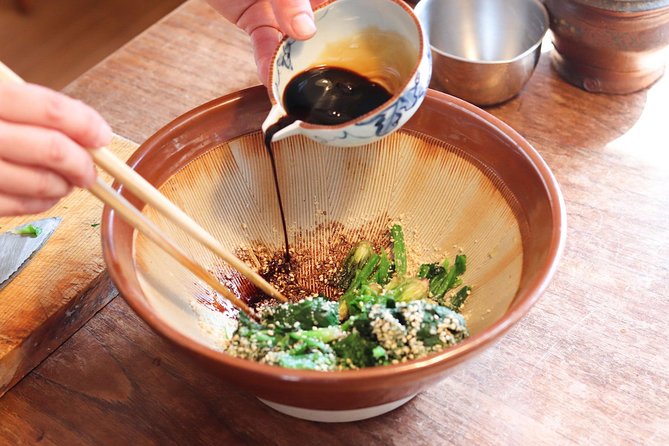
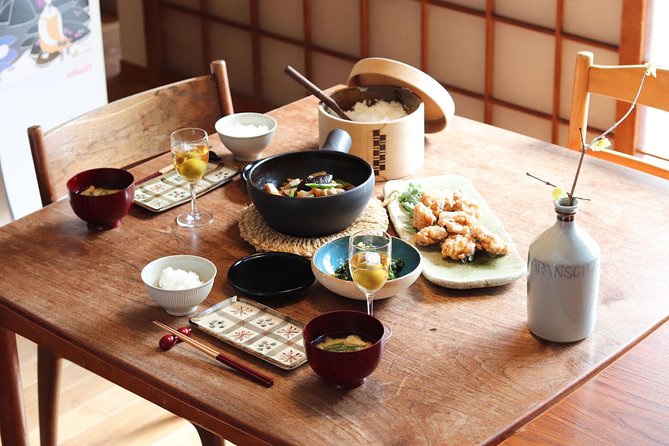
After the cooking, you eat together in Aki’s home. This is where the experience shifts from lesson to conversation. The meal is not an extra snack added at the end. It is the point at which you see how the separate dishes fit together as a Japanese home-style table.
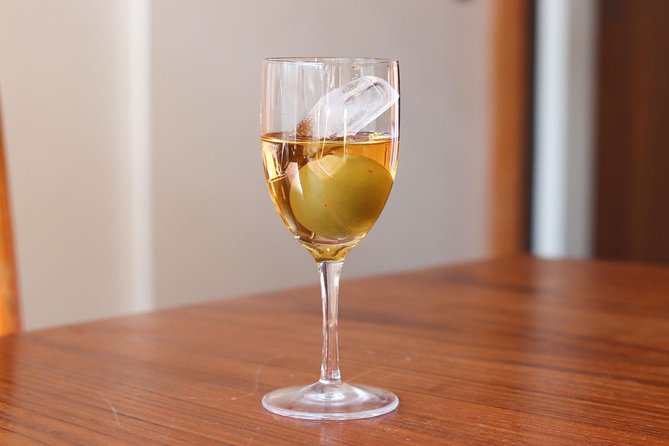
The meal is included in the price, along with non-alcoholic beverages and taxes, fees, and handling charges. The overview also describes alcoholic drinks as included. Since those two descriptions do not match perfectly, I would confirm the drinks policy with the provider before booking if alcohol matters to you.
The quantity may be generous. One account of the class describes enough food for substantial leftovers, so you may want to arrive hungry. The exact amount will depend on the seasonal menu and your group, but this is not presented as a tiny tasting session.
Eating in the same home where you cooked also makes the setting feel more connected. You are not moving from a school kitchen to a separate restaurant. The food, room, host, and conversation all belong to the same visit.
What makes the wooden house important
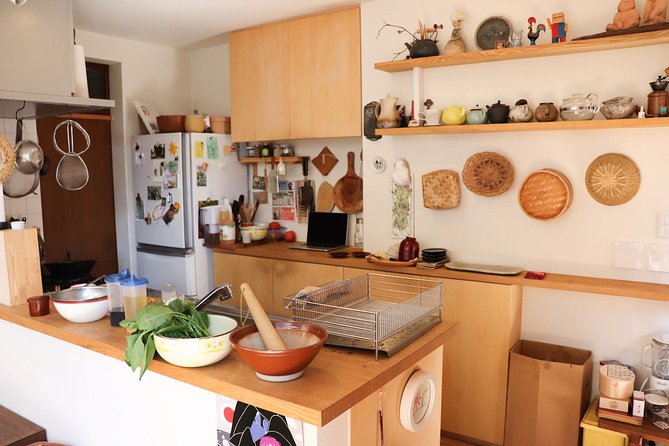
The wooden house is more than a pretty backdrop. It changes the tone of the activity. A private home gives you a closer look at Japanese domestic hospitality, something you cannot get from a restaurant table alone.
You should keep expectations sensible. This is a hosted home visit, not a sightseeing tour of an old building, and no architectural history is promised. The value comes from the atmosphere and the chance to cook in Aki’s own kitchen.
That personal setting also means the class may feel more intimate than a standard food workshop. If you enjoy meeting a local host and hearing practical recommendations, you have room for that kind of exchange. Aki has also offered suggestions for later things to do in Kyoto, which can make the class useful beyond the meal itself.
The setting may appeal most to couples, families, and small groups of friends who want one shared activity. Since only your group participates, you do not have to adjust to strangers’ cooking speeds or food preferences.
Seasonal menus and special diets
The menu varies by season, and you should report allergies, dietary restrictions, or cooking preferences when you book. A vegetarian option is available if requested in advance.
This advance notice matters in a private home. Aki can prepare for your needs only if she knows about them, and Japanese cooking can include ingredients that are not obvious from an English menu description. Be specific about allergies rather than simply saying you prefer to avoid something.
The vegetarian option is confirmed as available, but the information does not list a vegan menu, gluten-free menu, or other specialized alternatives. If you need one of those, contact the provider before booking and get a clear answer.
The seasonal approach is good for anyone who likes food tied to the time of year. It is less suited to someone who wants to choose every dish in advance. You receive variety, but not a guaranteed menu.
Is $95 a fair price?
At $95 per person, the cost is higher than buying lunch in Kyoto. You are paying for more than ingredients. The price covers a private three-hour visit, Aki’s instruction, the hands-on cooking, the meal, non-alcoholic beverages, recipes in English, and the convenience of having the class arranged for you.
For a small group that values personal attention, the price is reasonable. A private class gives you the chance to ask questions freely and work at your own pace, which is where much of the value lies. The meal also saves you from arranging a separate lunch after the class.
The value is weaker if you only want to eat Japanese food or watch someone cook. You could spend less at a restaurant, and you would not need to give up three hours of your day. This experience earns its price through participation, conversation, and the home setting.
It is booked an average of 38 days ahead, so you should plan early, particularly if you have only a few days in Kyoto. That booking pattern suggests limited availability, though it does not guarantee a particular date. Do not wait until the last morning of your trip if this class is important to you.
The cancellation policy deserves care
The cancellation information needs special attention. One note says the experience offers a two-week cancellation policy, while the stated provider policy says the experience is non-refundable and cannot be changed for any reason. Those terms conflict.
I would ask Traveling Spoon to clarify the policy in writing before booking. This is especially important because the class takes place in a private home and may require advance food preparation. Once you are comfortable with the terms, treat the reservation as a firm commitment.
Confirmation arrives within 48 hours, subject to availability. The activity is private, and only your group participates. Service animals are allowed, and the meeting point is near public transportation.
Who will enjoy this class most?
I would recommend it to you if you want a personal introduction to Japanese home cooking rather than a quick food demonstration. It suits people who enjoy asking questions, working with their hands, and sitting down to eat with the host afterward.
It is also a strong choice for families and small groups. The private format avoids the awkwardness of mixing different cooking abilities and food needs with a large class. Aki’s patient instruction and English recipes make it approachable for beginners.
Food-minded visitors will get the most from the seasonal menu. If you want to understand everyday dishes such as miso soup, braised vegetables, and chicken dishes, you will find more practical value here than in a class built around one flashy specialty.
I would hesitate if you need a fixed menu, a short activity, or a professional culinary course. You should also pause if your dietary requirements are complex until the provider confirms what can be prepared. And do not book until you understand the cancellation and drink policies.
Should you book Aki’s Kyoto cooking class?
Book this experience if you want a quiet, personal morning in a Kyoto home, with enough cooking to learn something and enough eating to enjoy the result. The private format, English recipes, seasonal dishes, and generous meal make the $95 price easier to justify than a basic group lesson.
The best reason to choose it is Aki herself and the access her home kitchen provides. You get practical food knowledge, a chance to ask questions, and recipes you can try again later. Confirm dietary needs, drinks, meeting details, and cancellation terms before committing, then arrive ready to cook and eat well.
FAQ
Where does the cooking class take place?
The class takes place at Ipponmatsu, Shimogamo Matsunokicho, in Sakyo Ward, Kyoto, Japan.
What time does the activity start?
The listed start time is 10:30 am.
How long does the cooking class last?
The experience lasts approximately three hours. The cooking portion lasts about one hour, followed by the meal.
Is the cooking class private?
Yes. Only your group participates in this private activity.
Who hosts the class?
The class is hosted by Aki in her home kitchen.
Are recipes provided in English?
Yes. Aki provides recipes in English and guides you through the cooking.
What dishes will you prepare?
The menu changes with the season. Possible dishes include chikuzenni, braised burdock root, and miso soup.
Is a vegetarian option available?
Yes. A vegetarian option is available, but you must request it when booking.
Are drinks included?
Non-alcoholic beverages are included. The overview also refers to alcoholic drinks, so confirm the alcohol policy with the provider before booking.
Is hotel pickup included?
No. Hotel pickup and drop-off are not included. You must travel to and from the meeting point yourself.
Just added around Kyoto
- Kyoto: Zen Meditation at a Private Temple with a Monk★ 5.0 · 25 reviews
- Kyoto: Gion Geisha District & Sake-in-Hand Walking Tour★ 5.0 · 37 reviews
- Private Pewter Sake Cup Experience with a Kyoto Artisan★ 5.0 · 31 reviews
- Your Private Vacation Photography Session In Kyoto★ 5.0 · 110 reviews
- Private Guided Traditional Buddhist Cooking in Japan★ 5.0 · 16 reviews
- Kyoto Wagashi(Japanese sweets) Cooking Class near Fushimiinari★ 5.0 · 60 reviews
- Traditional Japanese Music show & Experience Tour in Kyoto★ 5.0 · 57 reviews
- Kyoto:Family-Friendly Kimono & Yukata Experience at WARGO★ 5.0 · 147 reviews
Kyoto Tours, compared.


Fushimi Inari, Kinkakuji, Bamboo Grove 1 Day Bus Tour
Read our review →
Tea Ceremony in a Traditional Tea House in Kiyomizu
Read our review →
Kyoto Geisha Walking Tour: Gion District & Hidden Gems
Read our review →

Gion Magical Night Walking Tour with Geisha Trivia
Read our review →

Gion Geisha District Walking Tour – Stories of Geisha
Read our review →Browse the lists this tour appears in