
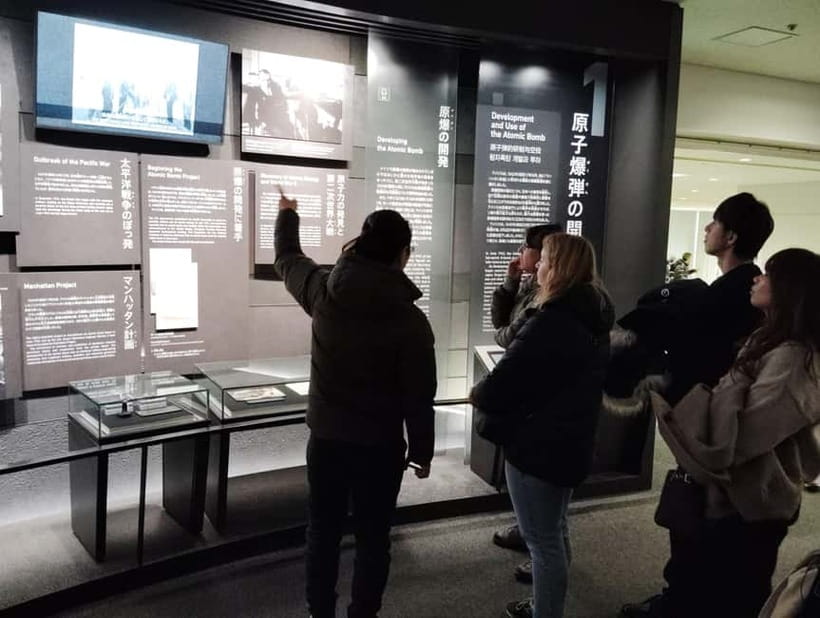
Reviewed · HIROSHIMA TOURS
Hiroshima: Tour of Atomic Bomb Dome & Peace Memorial Museum
Hiroshima’s Atomic Bomb Dome is not an ordinary sightseeing stop. Its exposed steel frame and broken walls sit beside the river as a quiet record of the morning of August 6, 1945. This tour then gives you about two and a half hours inside the Peace Memorial Museum, where personal objects and survivor stories put the human cost ahead of military facts.
I like two things here. First, the local private guide can explain what you are seeing instead of leaving you to read every label alone. Guides including Gordon Michasiw, Emiko, and Rom have offered careful background, with one guide even sharing a family connection to the bombing. Second, the tour allows time for the museum rather than rushing through it.
The hard part is also the point. The exhibits describe burns, radiation injury, death, and discrimination, so this is not a light half-day outing. At $105 per person, you are paying for the guide and museum admission, not meals or drinks, and the value depends on how much context and personal interpretation you want.
Key points to know before booking
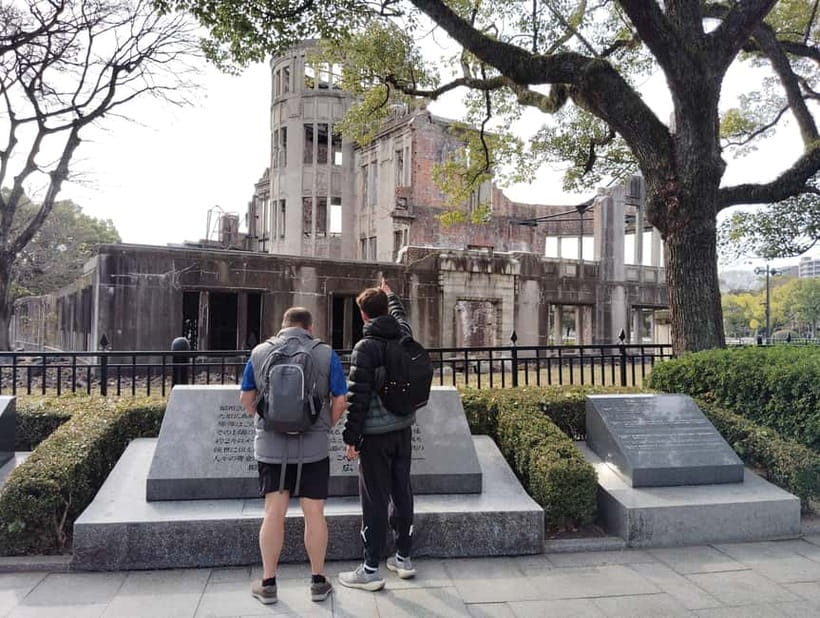
- The Atomic Bomb Dome begins the visit: You get about 20 minutes to see the damaged structure and hear the basic story of the bombing.
- The museum receives most of the time: Plan on roughly 2.5 hours for exhibits, guided explanation, and quiet reflection.
- Private means a more personal pace: The group is private, and the guide can respond to your questions directly.
- English and Japanese are available: Guides include Gordon Michasiw, Emiko, and Rom, depending on the booking.
- Paper cranes may add a personal lesson: One guide used Sadako’s story and paper folding to help explain the meaning of the cranes.
- The tour works well for a day trip: Gordon has met people arriving from Osaka by Shinkansen and helped with local food tips and the walk back to the station.
Why Hiroshima asks for your full attention
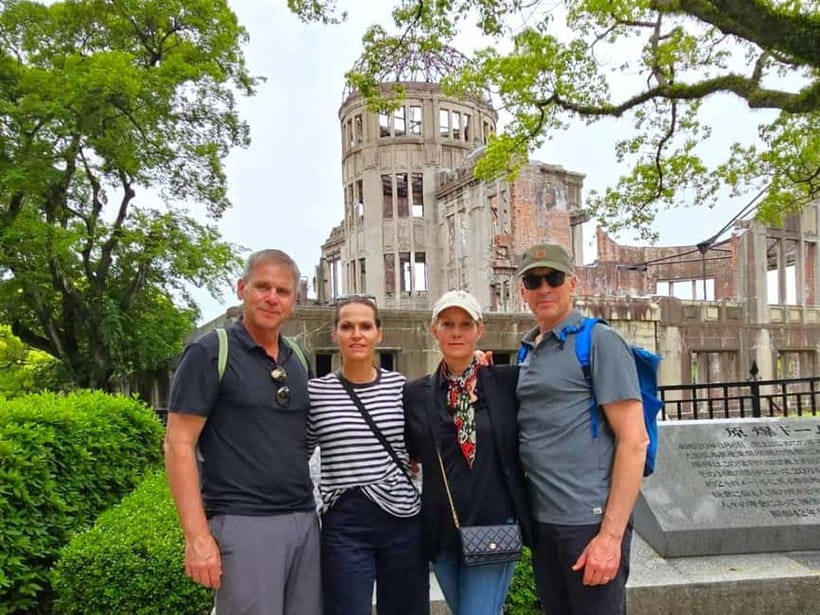
At 8:15 on August 6, 1945, an atomic bomb exploded over Hiroshima. The heat, radiation, and shock waves destroyed buildings and killed more than 100,000 people across an area of about 10 square kilometers centered on the hypocenter.
Those numbers are difficult to picture. The tour helps you move from a broad wartime fact to the lives of people who were in homes, schools, offices, and streets that morning. You will hear about the immediate damage, then about the long suffering caused by burns and radiation. Survivors also faced discrimination, an important part of the story that is easy to miss in a quick independent visit.
The tour does not try to make the subject comfortable. It asks you to think about what happened, why the bomb was used, and how ordinary people carried the effects for years. You should come ready for a serious experience, not a standard city walk with a few historic plaques.
That directness is one reason a guide can matter. At the Dome, you may understand the scale of destruction. In the museum, you begin to understand the cost paid by individual people. A good guide connects those two views without turning the visit into a lecture.
More museums and galleries in Hiroshima:
- Hiroshima; Hiroshima Peace Memorial Museum and Castle Tour
★ 5.0 · 89 reviews - Hiroshima: Atomic Bomb Dome and Peace Memorial Museum 3 hours
★ 5.0 · 20 reviews - Tokyo: teamLab Planets TOKYO Digital Art Museum Entry Ticket
★ 4.6 · 9,779 reviews
Meeting at Hiroshima Port or Otemachi
You have two possible starting points: Hiroshima Port or the 7-Eleven Hiroshima Otemachi 1-chome location. Your exact meeting point depends on the option you book, so check the confirmation rather than heading to the first location you see.
This flexibility can help if Hiroshima is one stop in a larger Japan trip. The port option may suit your route if you are arriving or departing by ferry, while the Otemachi meeting point places you closer to the Peace Memorial area. The supplied details do not specify transportation between the meeting point and the first stop, so confirm the practical arrangement when booking.
The tour lasts three to four hours. That range allows for some variation in meeting, walking, and museum timing. You should still protect the full half-day, especially if you have a train, ferry, or another timed booking afterward.
The experience is offered as a private group. That matters here. You can ask a sensitive question without speaking over a large crowd, and the guide can spend more time on the parts that matter most to you. A private format also tends to feel less hurried, although the overall schedule still includes a fixed museum visit of about two and a half hours.
Seeing the Atomic Bomb Dome up close
The first main stop is the Atomic Bomb Dome, with about 20 minutes for a guided visit and walk. The damaged steel frame and partial walls are the focus. This is a short stop, but it gives you a physical starting point for the day.
The building’s condition makes the event feel immediate. Instead of viewing a distant memorial, you are looking at a structure that remained after the blast. The Dome silently raises the question at the heart of the visit: how did a building survive while so much of the surrounding city was destroyed?
Do not expect this stop to explain every detail of Hiroshima’s wartime story. Twenty minutes is enough for orientation and close observation, not a full lesson. The guide’s role is especially useful here because the site itself cannot tell you how the bombing affected the people nearby or what happened in the years afterward.
I would pay attention to the contrast between the old structure and the present memorial setting. The tour information does not promise a long walk around every monument, so keep your expectations focused on the Dome itself and the explanation provided by your guide.
This first stop also sets the right tone. You are not simply checking a UNESCO World Cultural Heritage Site off a list. The Dome is recognized for its historical importance, but its meaning comes from the lives connected to that ruin.
Spending two and a half hours inside the Peace Memorial Museum
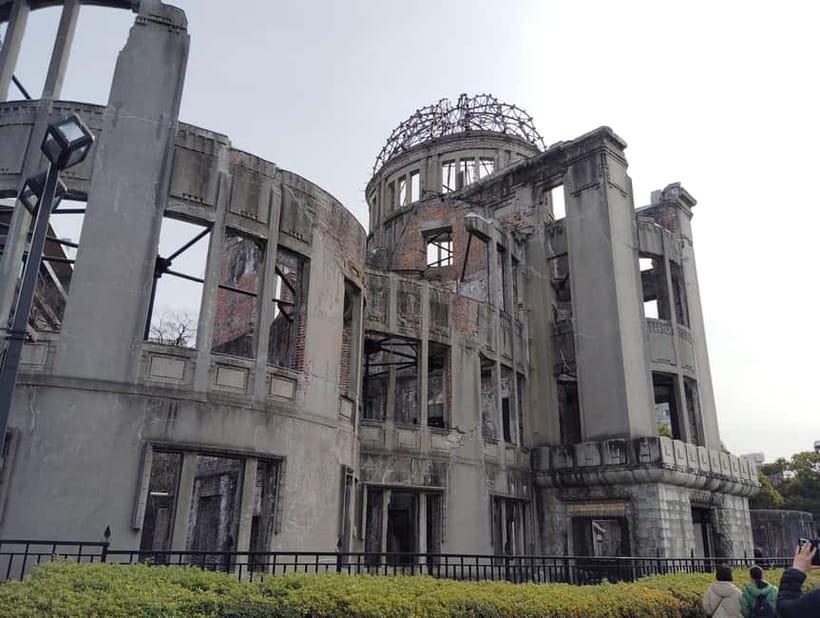
The museum is the main part of the tour. With about 2.5 hours here, you have time to move beyond the Dome’s outline and confront the human impact of the bombing.
The exhibits cover the damage from radiation, heat rays, and shock waves. They also address the people who survived the initial blast but lived with burns, radiation-related suffering, and social discrimination. That wider view is important. Hiroshima’s story did not end when the fires went out.
A long museum visit can be emotionally draining. You may need to pause, slow down, or simply stand quietly at certain displays. That is not wasted time. A private guide can help you take the museum at a sensible pace and explain context when an exhibit leaves you with questions.
The museum admission is included in the $105 price. Food and drinks are not included, so plan to eat before or after the tour rather than expecting a meal during the visit. The provided information does not list a dedicated refreshment break, and the subject itself may make a casual snack stop feel out of place.
I like the balance between the Dome and museum. The Dome gives you a stark visual symbol. The museum supplies the detail: the injuries, objects, stories, and lasting effects that make the event more than a date in a history book.
A few more Hiroshima half-days to weigh up
- Peaceful Hiroshima & Miyajima UNESCO 1 Day Bus Tour
★ 5.0 · 5,309 reviews - Hiroshima: Hiroshima and Miyajima UNESCO Sites 1-Day Tour
★ 4.9 · 2,330 reviews - Hiroshima / Miyajima Full-day Private Tour with Government Licensed Guide
★ 5.0 · 1,298 reviews - Hiroshima Historical Walking Tour – Why A-Bomb was Dropped
★ 4.8 · 893 reviews
Personal stories make the history easier to grasp
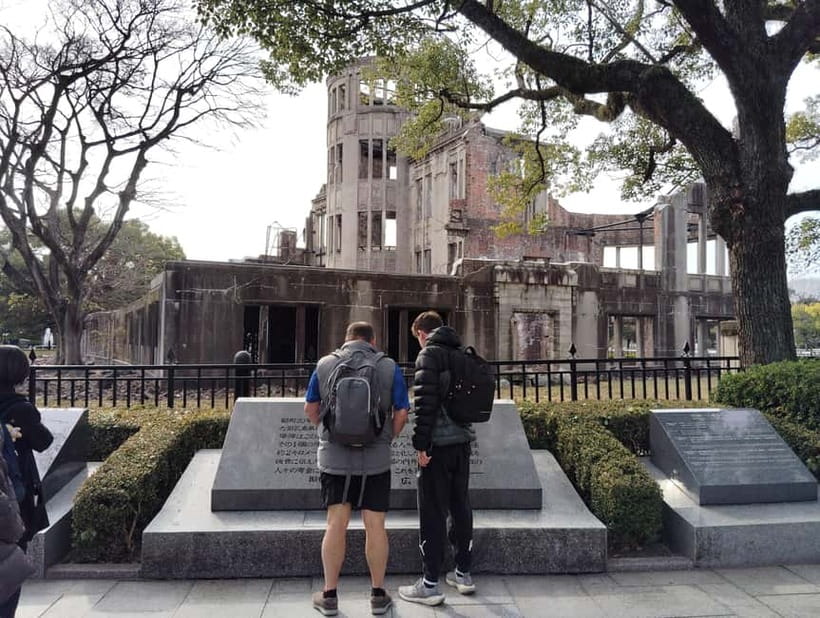
The most praised part of this experience is the guide service. William described his guide as excellent, while Leanne found Gordon Michasiw very informative. Those short comments point to the main benefit of booking a private tour here: you are paying for a person who can shape the visit around your questions.
Gordon has also guided people making a day trip from Osaka. He met them at the Shinkansen station, explained the bombing and wider local history, then walked back with them and offered local food tips. That extra help is useful if you are trying to fit Hiroshima into a tight rail itinerary.
Emiko has been described as relaxed and generous with background information. One couple received a small birthday gift from her, a thoughtful touch that suggests how personal this format can feel. Another guide had an actual family history connected to the bombing, giving the explanation a personal layer that a printed guidebook cannot provide.
Rom has offered a thorough explanation of the events. The exact guide depends on your booking, so you should not assume you will meet a particular person. Still, English and Japanese are both available, and the guide can give you more than a standard audio tour.
One especially memorable detail involves paper birds. A guide helped visitors make paper cranes while explaining Sadako and the meaning those cranes held for a 12-year-old girl. The activity is simple, but it gives your hands something to do while you think about a difficult story. It also connects the museum to a familiar symbol of hope without pretending that hope erases the suffering.
UNESCO recognition without treating the site like a photo stop
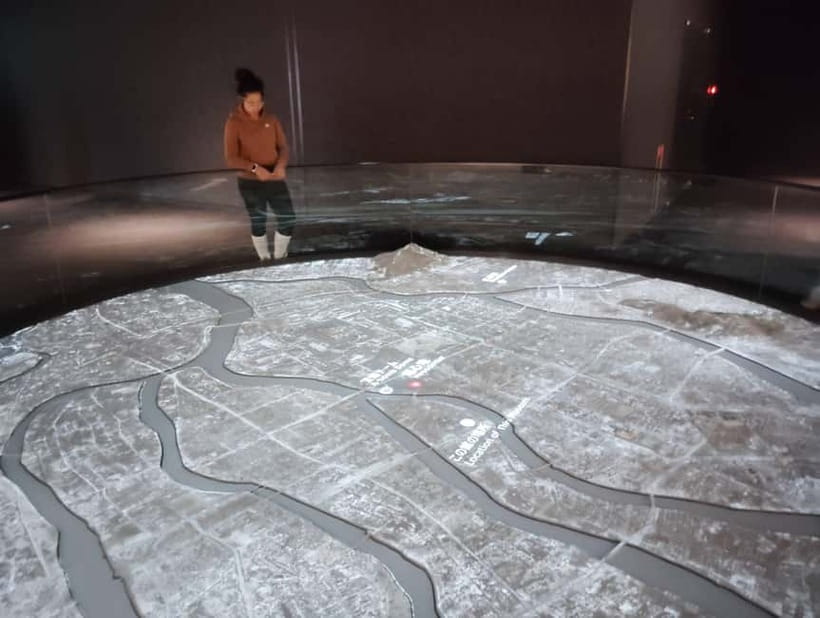
The Atomic Bomb Dome is a UNESCO World Cultural Heritage Site. That label helps explain why the structure is protected, but it should not become the main reason for visiting.
You will get more from the site if you first consider the people who were in Hiroshima that morning. The Dome is not valuable just because it is old or visually striking. Its importance comes from its direct link to the atomic bombing and the warning it carries for the future.
The museum adds another layer to that recognition. Its exhibits turn a globally known event into a record of human experience. You may leave with fewer neat answers than you had at the start, but that is appropriate. The tour encourages thought rather than offering a simple verdict.
I appreciate that the experience does not promise comfort. Many historic attractions soften difficult facts for easy consumption. This one asks you to stay with the subject for several hours.
Is $105 per person a fair price?
At $105 per person, this is not the cheapest way to see the Dome and museum. You can visit the area independently, and the included admissions are limited to the Peace Memorial Museum. Drinks and food are extra.
The value comes from the private guide. You receive a guided visit in English or Japanese, a 20-minute introduction at the Dome, and around 2.5 hours of help inside the museum. If you want someone to explain the sequence of events, answer questions, and connect the exhibits to local stories, the price can be reasonable.
It is especially useful if Hiroshima is new to you, if you have limited time, or if you are traveling from Osaka and want a clear plan. Gordon’s station meeting and return walk show how the guide may help beyond the two main stops, though you should not assume every booking includes those exact arrangements.
The value is lower if you prefer to read alone, move quickly, or spend little time in museums. You are paying for interpretation, not transportation, lunch, or a packed list of extra attractions.
Free cancellation up to 24 hours before the experience and the option to reserve now and pay later make the booking less rigid. Starting times vary, so check availability before planning the rest of your day.
Who will get the most from this tour?
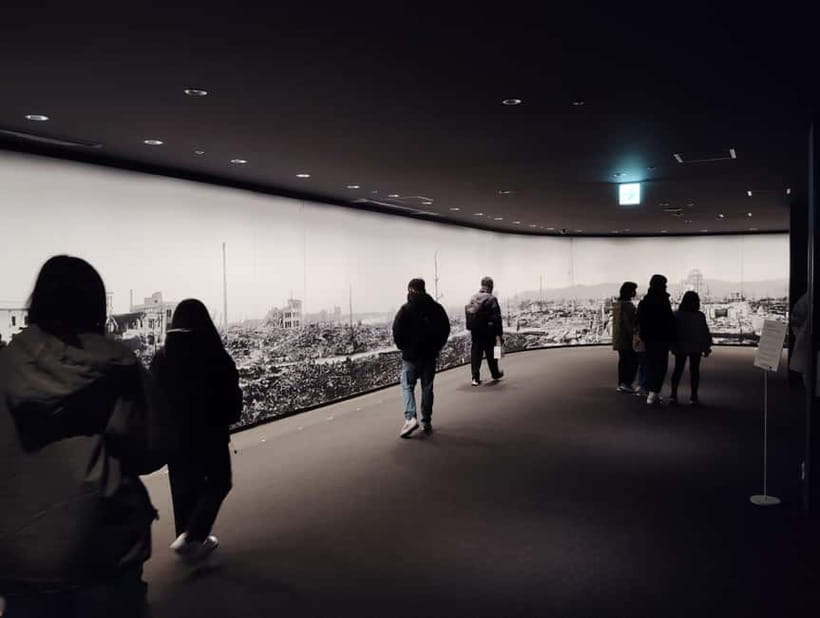
This experience suits you if you want a serious, guided look at Hiroshima rather than a quick stop for photographs. It is a good match for history-minded visitors, first-time visitors to the city, and anyone who wants help processing the museum’s difficult material.
Families may value the paper crane activity, though the emotional content means adults should decide if the museum is right for younger children. The supplied information does not give an age recommendation, so use your own judgment.
The private format can also suit couples or small groups with different levels of background knowledge. A guide can explain basic facts without making someone who has already studied Hiroshima sit through a large group speech.
You may prefer an independent visit if you want to linger silently, skip disturbing displays, or set your own pace. The guided structure gives you focus, but it also means the visit follows a planned route and timing.
Wear comfortable shoes for the walking portions and allow the full three to four hours. The experience has no listed meal or drink inclusion, so handle that before or afterward.
Should you book the Hiroshima Atomic Bomb Dome and museum tour?
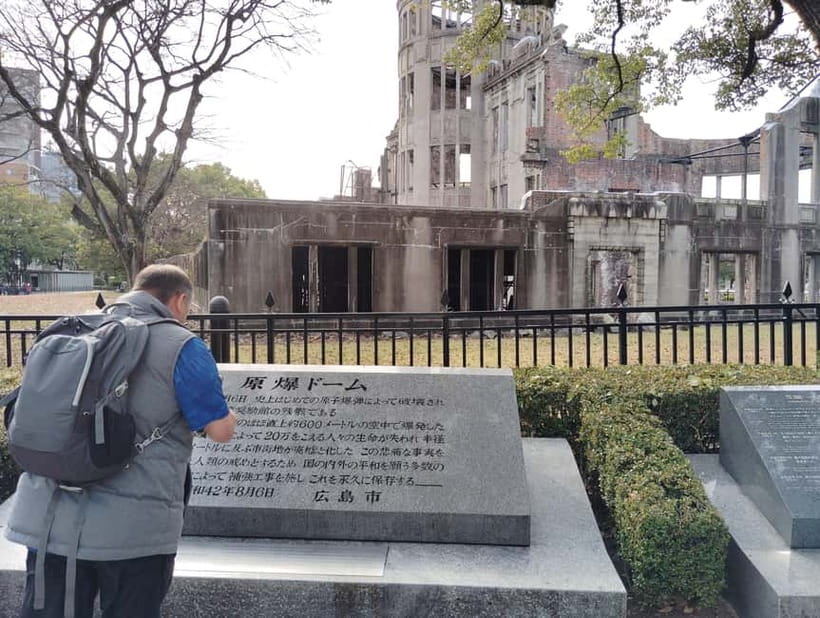
Book it if you want context, careful explanation, and a private setting for one of Japan’s most important historical places. The strongest reason is the guide, especially if you can benefit from local stories, family connections, and help understanding the museum’s personal exhibits.
Skip it if you want a light sightseeing morning or if $105 feels too high for museum admission plus guiding. The subject is painful, and the 2.5-hour museum visit asks for real attention.
For many visitors, I think the private format earns its price. The Dome gives you the image you will remember. The museum gives that image human meaning. A guide such as Gordon, Emiko, or Rom can help you make sense of both without rushing past the hard questions.
FAQ
How long does the Hiroshima tour last?
The tour lasts three to four hours. The Atomic Bomb Dome portion takes about 20 minutes, and the Peace Memorial Museum visit takes about 2.5 hours.
What places does the tour visit?
The tour visits the Atomic Bomb Dome and Hiroshima Peace Memorial Museum.
Is admission to the Peace Memorial Museum included?
Yes. Peace Memorial Museum admission and the guide fee are included.
Are food and drinks included?
No. Food and drinks are not included in the tour price.
What languages are available?
The tour is available with a live guide in English or Japanese.
Is this a private tour?
Yes. The activity is offered for a private group.
Where can I meet the guide?
There are two possible starting locations: Hiroshima Port and 7-Eleven Hiroshima Otemachi 1-chome. The meeting point depends on the option booked.
Where does the tour finish?
The possible drop-off locations are Hiroshima Peace Memorial Museum and Hiroshima Port.
Can I cancel the booking for a refund?
Yes. You can cancel up to 24 hours in advance for a full refund. You can also reserve now and pay later.
Just added around Hiroshima
- The Peace Memorial to Miyajima : Icons of Peace and Beauty★ 4.5 · 31 reviews
- Shore Excursion from Hiroshima Port : Private Tour in Hiroshima★ 5.0 · 17 reviews
- Hiroshima Saijo Sake Tasting Tour with visit to 7 Breweries★ 5.0 · 104 reviews
- Hiroshima & Miyajima All-Inclusive Tour w/Licensed guide Pancho★ 5.0 · 54 reviews
- Hiroshima Country Cycling: Explore Rural Life 1 HR from City★ 5.0 · 22 reviews
- Okunoshima Rabbit Island Cycling Tour with Local Guide★ 4.5 · 17 reviews
- Private Full Day Hiroshima Tour★ 4.5 · 29 reviews
- Hiroshima Private Tour with a Local – Highlights & Hidden Gems★ 4.5 · 24 reviews
Hiroshima Tours, compared.

Peaceful Hiroshima & Miyajima UNESCO 1 Day Bus Tour
Read our review →
Hiroshima and Miyajima UNESCO Sites 1-Day Tour
Read our review →
Hiroshima Historical Walking Tour – Why A-Bomb was Dropped
Read our review →
Hiroshima Peace (Heiwa) Walking Tour at World Heritage Sites
Read our review →
Hiroshima in a Nutshell: Morning Bike Adventure
Read our review →
Hiroshima City 4hr Private Walking Tour with Licensed Guide
Read our review →

Japanesel Archery Experience HIROSHIMA CASTLE SHARAKU
Read our review →Browse the lists this tour appears in