
Reviewed · KYOTO TOURS
Kyoto: 45-Minute Tea Ceremony Lesson Experience
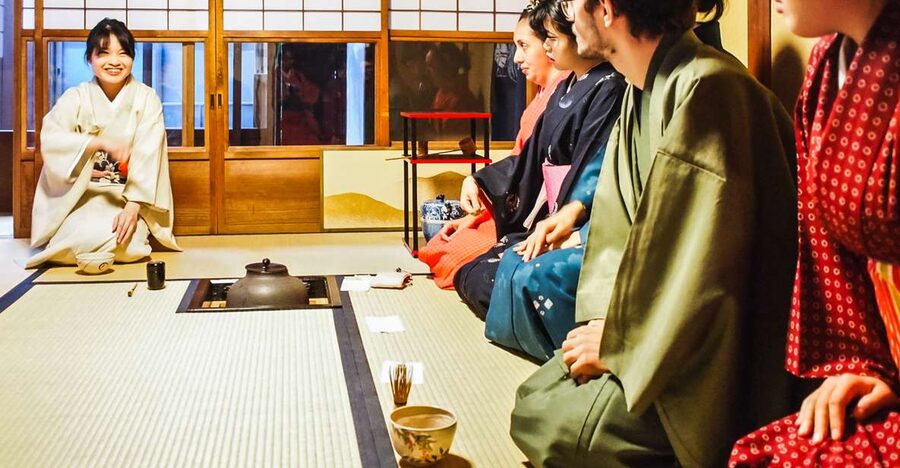
Kyoto’s Tea Ceremony Koto offers something many short cultural activities skip: the full thin tea ceremony, taught much as it would be to Japanese beginners. You sit on tatami, watch a tea master prepare matcha, then make your own tea while learning the meaning behind each movement.
I like the calm, serious setting and the chance to ask questions about tea, utensils, etiquette, and flavor. I also like the price: at $22 per person, two teas, sweets, and hands-on instruction make this one of Kyoto’s better-value cultural lessons. The 45-minute schedule can feel rushed, especially if you arrive late or add the kimono dressing.
Key points
- Urasenke instruction: Your English-speaking host is a licensed tea master from Japan’s largest tea ceremony school.
- Real participation: You do not only watch. You whisk your own matcha and practice the basic rules.
- Near Kinkakuji: The tea house is a one-minute walk from the Golden Pavilion gate and Kinkakuji-Michi bus stop.
- Two atmosphere choices: A standard session teaches the ceremony in daylight, while the candlelight option creates a quieter evening mood.
- Kimono add-on: You can dress in a kimono, take photographs, and see Nishijin textiles, but you must arrive 20 minutes early.
- Traditional sweets included: The sweets balance the tea’s bitterness and form part of the lesson, not just a snack.
A serious tea lesson near Kinkakuji
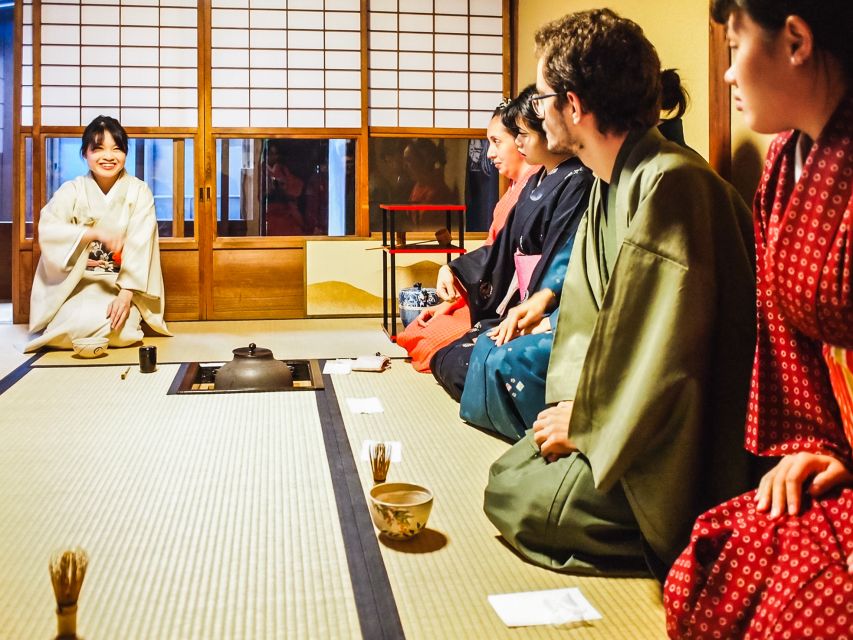
This experience begins with a small but important change of pace. Kyoto can be noisy, crowded, and packed with sights. Here, you remove your shoes if required by the setting, take your place on a tatami mat, and pay attention to a ritual built around patience and precision.
Your host welcomes you in English or Japanese. The host is a licensed instructor from Urasenke, the largest school of tea ceremony in Japan. The exact instructor may vary, although one guide named Joseph has received praise for being friendly and helpful. The main point is the teaching approach: this is presented as a proper beginner’s lesson, not a quick performance designed only for photographs.
That distinction matters. You will be expected to follow basic manners, listen carefully, and keep the room quiet during the ceremony. You are not simply watching a staged show. You are learning how a host prepares tea and how a participant receives it.
The tone is respectful rather than playful. That will suit you if you want a cultural lesson with some substance. If you are looking for a lively, casual activity with constant conversation and picture-taking, this may feel too formal.
More Tea Ceremonies in Kyoto
- Kyoto: Tea Ceremony in a Traditional Tea House in Kiyomizu
★ 4.9 · 3,519 reviews - Kyoto: Tea Ceremony Ju-An at Jotokuji Temple
★ 4.9 · 3,207 reviews - Kyoto: Table-Style Tea Ceremony at a Kyo-Machiya
★ 4.9 · 1,211 reviews
Watching the matcha preparation
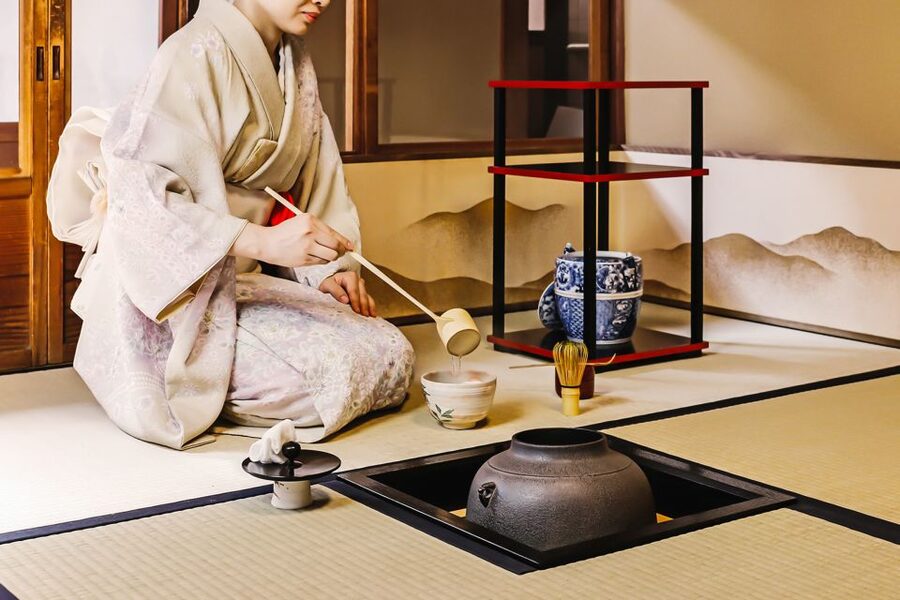
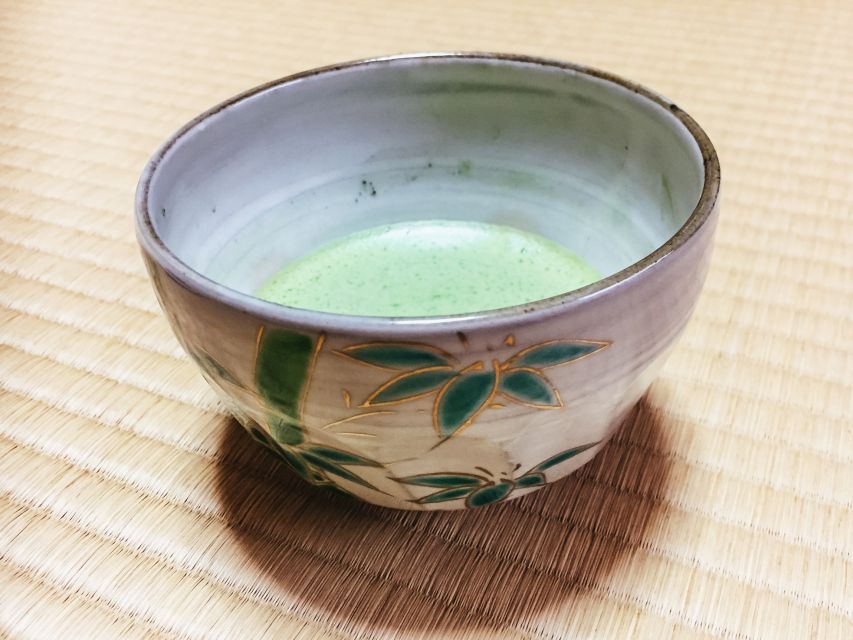
The first part is demonstration. The tea master prepares powdered green tea, or matcha, with controlled movements. Every action has a place, from handling the utensils to presenting the bowl.
The host explains the history and spiritual role of tea ceremony as the preparation unfolds. You learn why the movements are deliberate and how the method of preparation affects the tea’s taste. The value here is in connecting the physical actions to the ideas behind them. The whisking is not just a way to make foam, and the bowl is not just a cup.
This is also where you begin to understand the difference between ordinary tea drinking and chanoyu, the Japanese tea tradition. The ceremony places importance on attention, hospitality, respect, and the temporary nature of each meeting. You do not need prior knowledge of Japanese customs. The basic rules are explained before you take part.
The English instruction has generally been clear and easy to follow. Still, the lesson contains many small details. If you want to ask questions, do so as the host explains each stage rather than saving everything for the last few minutes.
Making your own tea on tatami
The hands-on part is the heart of the activity. After watching the tea master, you prepare matcha yourself according to the ceremony’s rules.
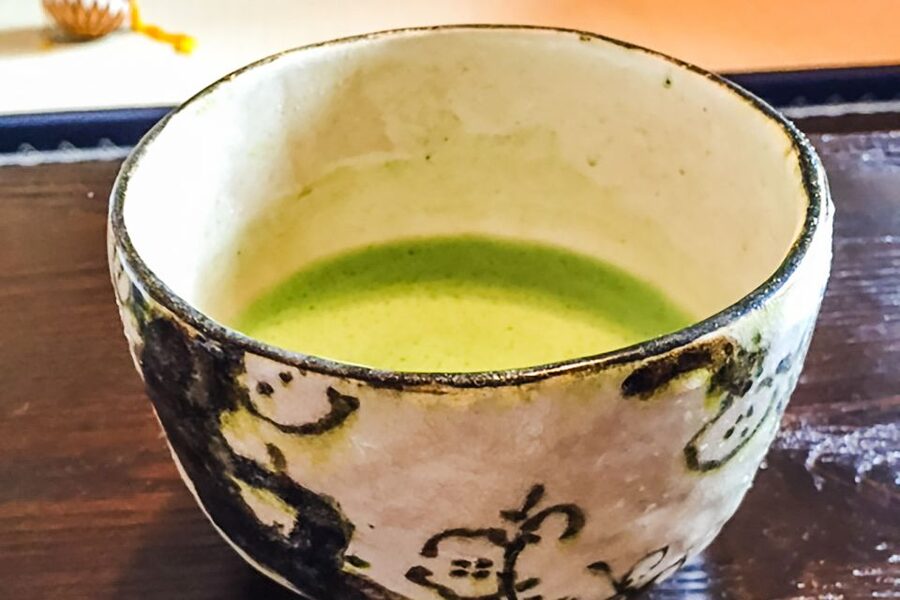
You will learn how to handle the whisk and mix the tea into a frothy drink. The host guides you through the proper manners for preparing and drinking it. You also learn what to say and how to move through the ritual, although this is a beginner lesson rather than professional training.
The best part is that the activity lets you feel the precision involved. It is easy to think that whisking matcha is simple until you try to make a smooth, pleasant bowl while remembering the correct order of actions. The tea master can explain why one preparation tastes different from another, giving you a better sense of matcha beyond its reputation for bitterness.
Two flavors of Japanese green tea are included. One may be matcha, while the session also introduces another green tea flavor, depending on the presentation. The descriptions supplied for this experience do not specify the exact names of both teas, so do not book expecting a fixed tasting menu.
The tea can be strong and bitter, particularly if you are new to matcha. Traditional Japanese sweets help balance it. Several people have found the tea smoother and sweeter than expected, especially when prepared with care. If you normally avoid matcha, this is still a useful chance to try it in the setting where it has its greatest cultural meaning.
Japanese sweets and the meaning of hospitality
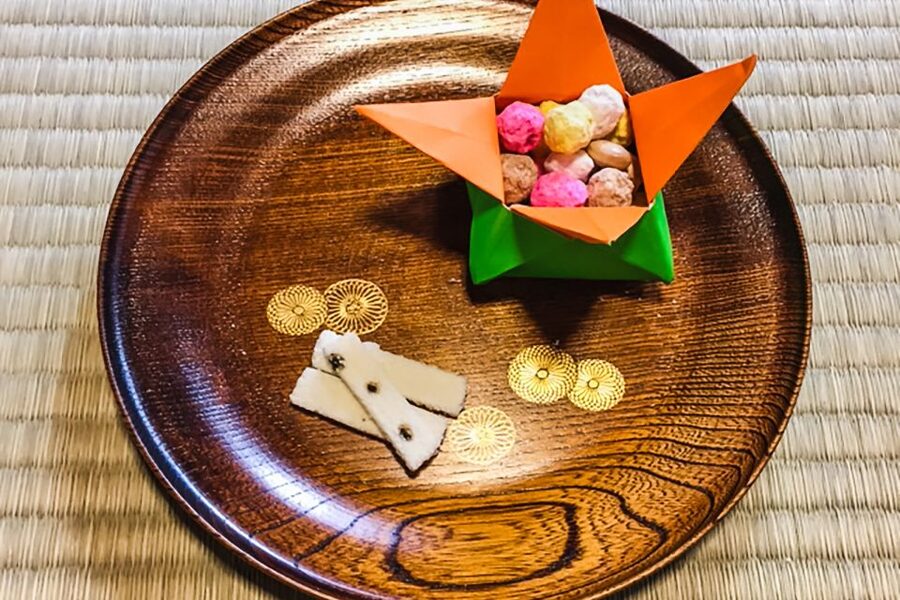
The sweets arrive after or alongside the tea lesson. They are traditionally made Japanese sweets, chosen to work with the flavor of green tea.
Their role is more than refreshment. Japanese tea ceremony often balances bitter tea with sweetness, and the contrast helps you notice the flavor of both. The host can also explain how the sweets are eaten and how they fit into the order of the ceremony.
This small detail makes the lesson more complete. You are not just learning a recipe. You are learning how the host creates a thoughtful experience for the person receiving the tea.
If you have dietary restrictions, the information provided does not list alternative sweets or ingredients. Ask the provider before booking if this is important to you.
Same base, a completely different sort of day:
- PERFECT KYOTO 1-Day Bus Tour
★ 5.0 · 13,518 reviews - Kyoto: Fushimi Inari, Kinkakuji, Bamboo Grove 1 Day Bus Tour
★ 4.8 · 4,316 reviews - Kyoto Geisha Walking Tour: Gion District & Hidden Gems
★ 4.7 · 3,273 reviews - Kyoto: Gion Magical Night Walking Tour with Geisha Trivia
★ 4.9 · 2,393 reviews
Why the no-video rule makes sense
Video recording is not allowed. Photographs are permitted, especially after the ceremony, but you cannot film the session.
That rule may disappoint anyone hoping to record every whisking movement. I see its value, though. Phones can pull you out of the room, and the ceremony depends on quiet attention. Without cameras pointed at the tea master, you have a better chance of noticing the small gestures and hearing the explanation.
You can take photographs once the ceremony ends. The host may help with pictures, and the kimono option gives you a natural opportunity to make a few keepsakes. Plan to put the phone away during the lesson itself.
Adding a kimono and Nishijin textiles
The kimono option costs extra and must be selected when you book. You should arrive 20 minutes before the tea ceremony if you choose it. Adding the outfit at the last minute is difficult because the dressing appointment needs to be arranged in advance.
Several people have found the kimono to be a worthwhile addition, especially for a first visit to Kyoto. The experience also includes examples of kimonos and beautiful woven textiles from Nishijin, the Kyoto district known for textile production.
The dressing is not presented as a long fashion session. One person described the process as quick, while others appreciated the help with putting the kimono on correctly. Set your expectations accordingly. The main activity remains the tea lesson, and the kimono is an extra layer of atmosphere and a chance for photographs.
If you are deciding how to spend your money, the base experience already provides the important cultural content. Choose the kimono if photographs and traditional clothing are a major part of your Kyoto plans, not because you need it to understand the tea ceremony.
There is no dress code for the activity. Comfortable clothing is sensible, since you will sit on the floor unless you request a chair.
Choosing private, public, or candlelight
You can select the format that best fits your group.
The private ceremony is for you and your party alone. It gives the tea master more time to respond to your questions and lets you enjoy a quieter setting. Couples, families, and anyone who prefers a slower, more personal lesson should consider this option. The private format may cost more than the $22 starting price, so check the exact booking price before paying.
The public ceremony places you in a small group with other people. This is the sociable choice and matches the way Japanese beginners may learn together. It is also likely to feel less personal, since the instructor must divide attention among the group.
The candlelight ceremony is an evening session held by traditional candlelight. It aims for the quiet mood of old Kyoto after sunset. This option adds atmosphere rather than extra teaching, but that atmosphere can be very appealing for a special occasion or a family outing. One family chose candlelight with kimonos and found the combination especially memorable.
The 45-minute duration is enough to see a complete demonstration, prepare tea, taste the drinks, and hear the main explanation. It is not enough for a long lecture on every branch of Japanese tea ceremony. I would treat it as a focused introduction, not a full course.
Getting there from Kyoto’s main sights
The tea house is close to Kinkakuji, the Golden Pavilion. It is about a one-minute walk from the Kinkakuji-Michi city bus stop and about one minute from the gate of Kinkakuji itself.
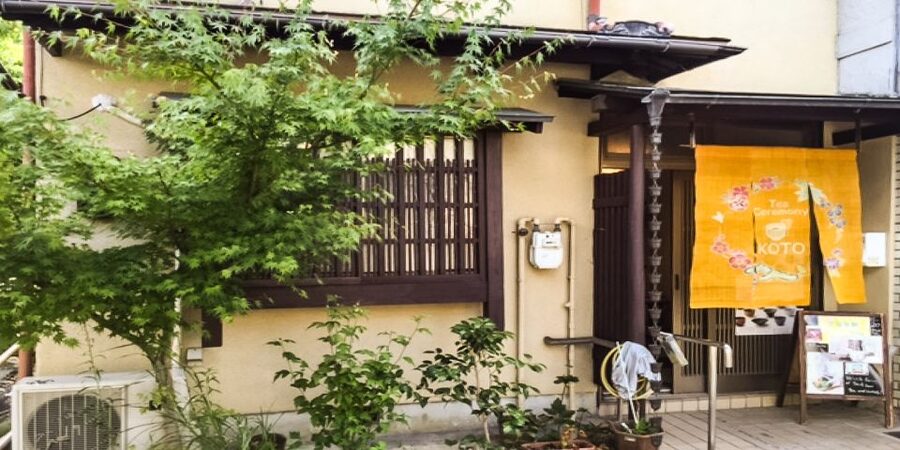
Look beside the bicycle parking area if you are visiting the temple. Enter through the sliding door with the orange curtain at the building. This detail is worth noting because the meeting point may not look like a large tour office.
From Kitaoji subway station, city buses 204 or 205 take about 10 to 15 minutes. The same bus numbers take about 10 to 15 minutes from JR Enmachi. Kyoto buses can run slowly when the city is busy, so leave a little breathing room, particularly if you have booked the kimono add-on.
Do not count on calling a taxi immediately after the session. The local taxi companies may not answer the phone at once. A large taxi stand is directly in front of the activity location and usually opens around 5:30 PM. If your session ends earlier, plan your return by bus or arrange your onward route before arriving.
The location works well with a visit to Kinkakuji. You can see the pavilion first and then walk to the lesson, or schedule the tea ceremony before visiting the temple. Keep an eye on your timing, since the ceremony begins at a fixed time and the lesson starts promptly.
Sitting on the floor and keeping the right pace
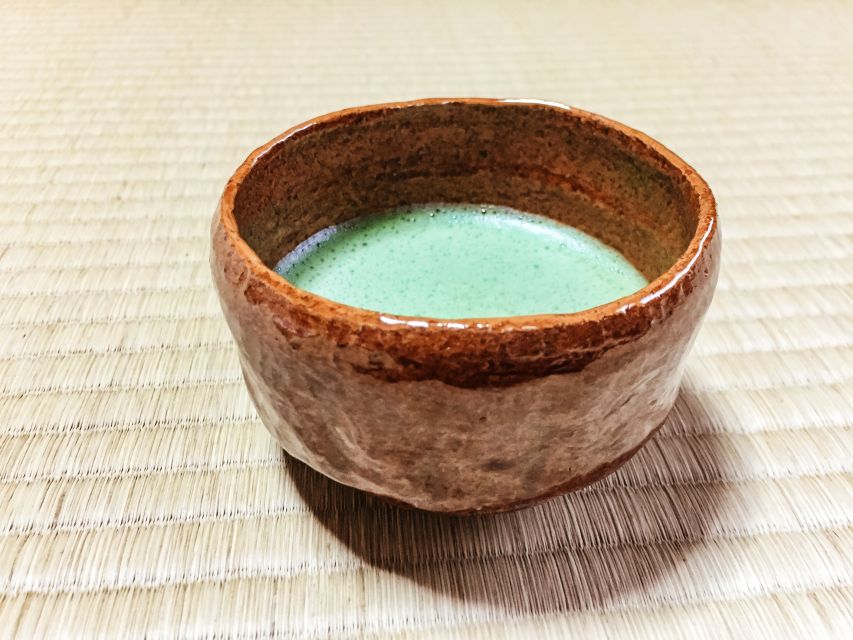
Traditional tea ceremony takes place on tatami, so you should be prepared to sit on the floor. If that may be difficult, tell the provider in advance. Chairs can be provided.
This is a useful accommodation, but the room still follows the customs of a tatami tea house. You should not expect a relaxed lounge setup. Wear clothing that allows you to sit comfortably and avoid arriving with bulky luggage if possible.
Arrive early enough to find the orange-curtained entrance. If you are wearing a kimono, arrive 20 minutes before the start. Several people who arrived a few minutes late were still allowed to join, and one host waited for a group delayed by a bus, but you should not rely on that kindness. Missing the opening explanation means losing part of the lesson, and late entry can interrupt the quiet room.
The provider asks participants to read its guidance on tea ceremony manners before coming. This includes basic do’s and don’ts. Spend a few minutes with that material before your appointment. It will help you avoid an awkward mistake and let you focus on the meaning of the ceremony.
Is $22 good value in Kyoto?
At $22 per person, this is a strong value for a 45-minute cultural activity, especially because the price includes two green tea flavors, traditional sweets, instruction, and hands-on preparation.
The cost covers more than a cup of matcha. You are paying for access to a licensed tea master, a proper tatami setting, and an explanation of etiquette and tradition. Similar cultural activities can cost more once clothing, food, or private instruction is added.
The trade-off is time. You receive a compact lesson, not an unhurried afternoon in a tea house. The ceremony itself is the main event, so the schedule can feel brisk when the session ends and people leave. If you want long conversations, extended photography, or detailed instruction in several schools of tea, choose a private format if available and confirm the added cost.
The candlelight and kimono options also change the value calculation. The base session is enough if your goal is to learn how tea ceremony works. The add-ons make more sense when you want a special evening mood or photographs in traditional clothing.
Who will enjoy this tea ceremony most?
I would recommend it to you if you want a respectful introduction to Japanese culture and prefer learning by doing. It suits couples, families, older relatives, and first-time visitors who want an activity that slows the day down.
The private option is useful for a family with different ages or for anyone who wants to ask many questions. The public session is a good fit if you enjoy meeting other people and do not need one-on-one attention.
The experience is also well suited to people who dislike overly staged tourist entertainment. The no-video rule, quiet tone, and emphasis on correct manners give it a more traditional feel. That seriousness is part of the appeal, but it may not suit young children who need a highly active activity.
Matcha skeptics should not dismiss it. The lesson explains how preparation affects flavor, and the sweets soften the tea’s bitterness. Still, matcha remains green tea, and you should not expect a sweet café drink.
Should you book Tea Ceremony Koto?
Book this if you want to understand what happens inside a Japanese tea ceremony rather than simply watch someone make matcha. The combination of demonstration, explanation, etiquette, sweets, and your own tea preparation gives you a clear introduction at a modest price.
Choose the kimono if photographs matter to you, and choose candlelight if you want a quieter evening setting. Select private instruction when personal attention is more important than saving money.
Skip it if you want a loose schedule, video footage, or a casual activity where talking and moving around are encouraged. For everyone else, this is a thoughtful way to place a calm, hands-on cultural lesson beside a visit to Kinkakuji.
FAQ
How long does the Kyoto tea ceremony experience last?
The tea ceremony lesson lasts 45 minutes.
How much does the experience cost?
The listed price is $22 per person. Private, candlelight, and kimono choices may have different prices, so check the selected option when booking.
Where does the tea ceremony take place?
It takes place near Kinkakuji in Kyoto, about a one-minute walk from Kinkakuji-Michi city bus stop and the Kinkakuji temple gate.
What tea and food are included?
The experience includes two flavors of Japanese green tea and traditional Japanese sweets.
Can I make my own matcha?
Yes. You first watch the tea master prepare matcha, then prepare tea yourself while learning the proper rules and movements.
Is the tea ceremony taught in English?
Yes. The instructors speak English and Japanese. The host is an English-speaking licensed tea master from Urasenke.
Can I wear a kimono?
Yes. A kimono can be selected as an add-on during booking. You must arrive 20 minutes early, and a reservation is required.
Can I take photographs or record video?
Photographs are allowed, especially after the ceremony. Video recording is not allowed.
Can I sit in a chair instead of on the tatami?
Yes, if sitting on the floor may be difficult, inform the provider in advance so a chair can be arranged.
More Workshops in Kyoto
- Ramen Cooking Class at Ramen Factory in Kyoto
★ 5.0 · 1,937 reviews - Kyoto : Chopsticks Making Workshop in Gion with Engraving Option
★ 5.0 · 958 reviews - Kyoto: Samurai Sword Class by Experts in Traditional Arts
★ 4.9 · 657 reviews - Kyoto: Ramen Cooking Class at a Ramen Factory with Souvenir
★ 4.9 · 532 reviews
Just added around Kyoto
- Kyoto: Zen Meditation at a Private Temple with a Monk★ 5.0 · 25 reviews
- Kyoto: Gion Geisha District & Sake-in-Hand Walking Tour★ 5.0 · 37 reviews
- Private Pewter Sake Cup Experience with a Kyoto Artisan★ 5.0 · 31 reviews
- Your Private Vacation Photography Session In Kyoto★ 5.0 · 110 reviews
- Private Guided Traditional Buddhist Cooking in Japan★ 5.0 · 16 reviews
- Kyoto Wagashi(Japanese sweets) Cooking Class near Fushimiinari★ 5.0 · 60 reviews
- Traditional Japanese Music show & Experience Tour in Kyoto★ 5.0 · 57 reviews
- Kyoto:Family-Friendly Kimono & Yukata Experience at WARGO★ 5.0 · 147 reviews
Kyoto Tours, compared.
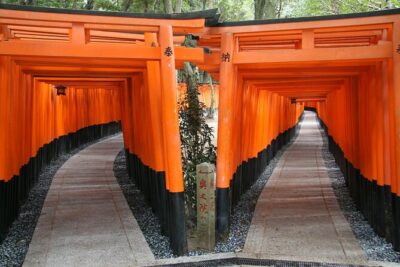
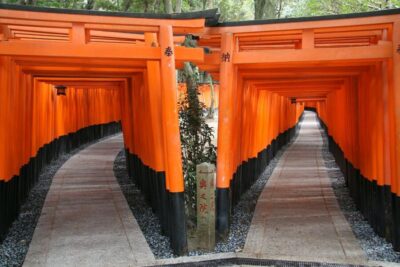
Fushimi Inari, Kinkakuji, Bamboo Grove 1 Day Bus Tour
Read our review →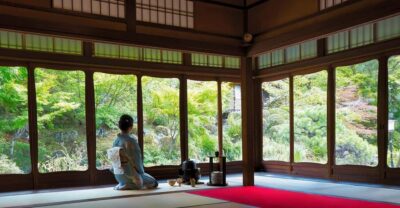
Tea Ceremony in a Traditional Tea House in Kiyomizu
Read our review →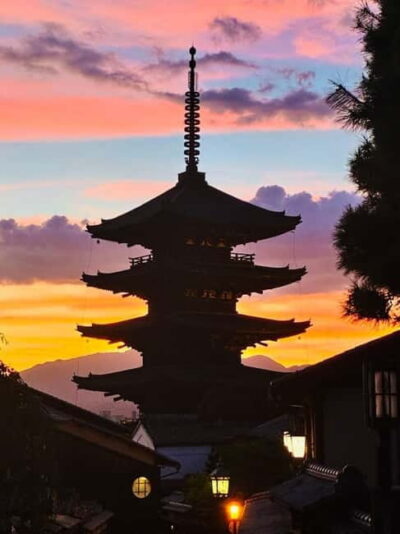
Kyoto Geisha Walking Tour: Gion District & Hidden Gems
Read our review →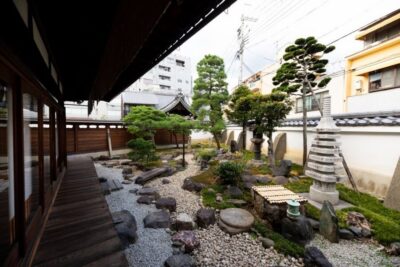
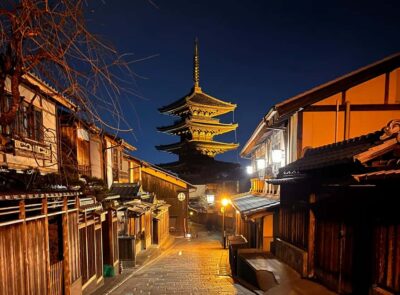
Gion Magical Night Walking Tour with Geisha Trivia
Read our review →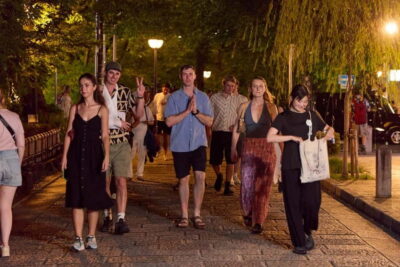
Gion Geisha District Walking Tour – Stories of Geisha
Read our review →
Best of Kyoto: Gion, Geisha, Pagodas & Cobblestones
Read our review →Browse the lists this tour appears in