
Reviewed · KYOTO TOURS
Kyoto Home Cooking Class &Supermarket tour near Fushimiinari
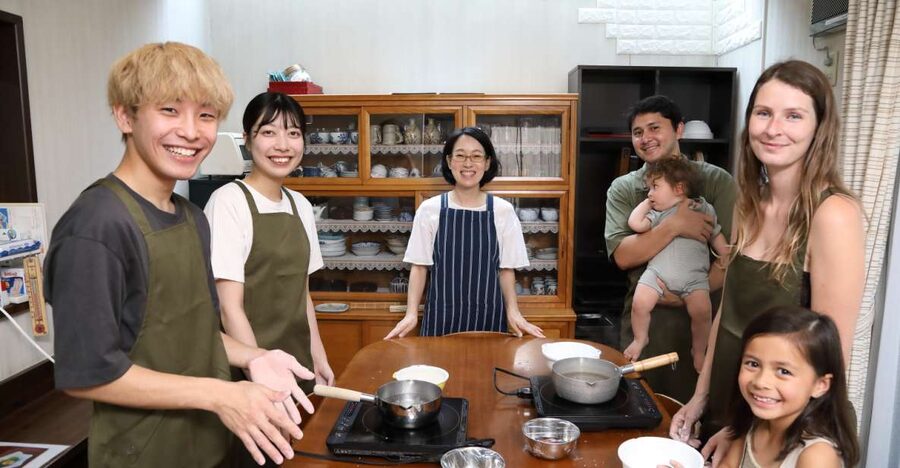
Kyoto’s best food lessons do not always happen in a restaurant kitchen. Here, you enter a traditional Japanese home, look out onto a garden, and learn the building blocks of Japanese cooking from Miho, an English-speaking licensed guide interpreter. You begin with dashi, the soup stock behind many Japanese dishes, then prepare a full lunch before heading to a local supermarket.
I especially like the small maximum of six people, which gives Miho time to correct your technique and answer questions. I also like the supermarket visit, because it turns a pleasant meal into useful shopping knowledge you can take home. The main consideration is the $127 price, which is not cheap for a four-hour class, and the experience is not suitable for children under six or wheelchair users.
Key points at a glance
- Begin with dashi: Learn how Japanese soup stock shapes the flavor of everyday dishes.
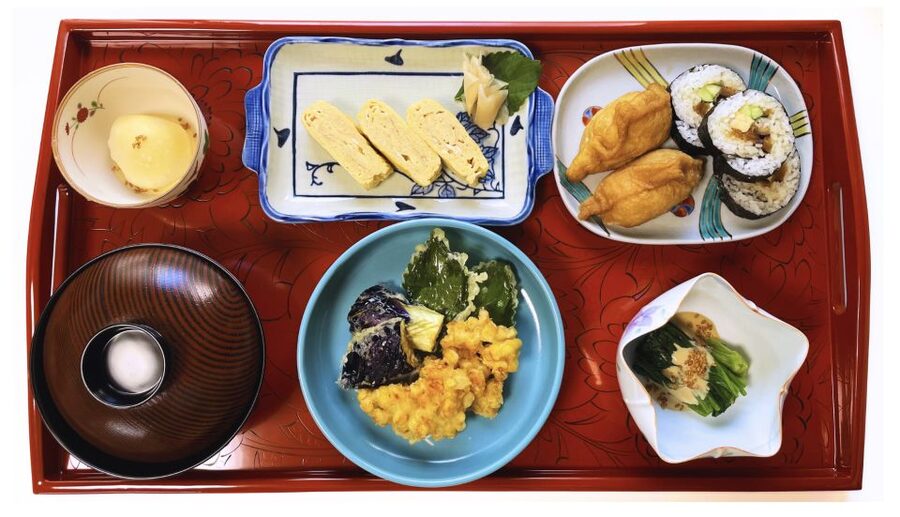
- Cook a full Japanese meal: Prepare about five dishes, with past menus including sushi, tempura, miso soup, rolled omelet, salad, and dessert.
- Eat in a traditional home: Enjoy the meal in a Japanese room with garden views rather than in a standard cooking school.
- Shop like a local: Walk through a nearby supermarket with your instructor and learn which Japanese ingredients to buy.
- Small English-speaking group: The class is limited to six people and conducted entirely in English.
- Useful take-home skills: You receive recipes so you can repeat the dishes for family and friends.
A Kyoto cooking class that feels like lunch at a friend’s home
The setting does much of the work here. Instead of arriving at a polished commercial studio, you enter an authentic Japanese room with views of a garden. The mood is personal and domestic, closer to being invited to lunch by a Japanese friend than attending a formal demonstration.
That matters because Japanese food is tied closely to ordinary home life. You do not simply hear about ingredients or watch a chef work from a distance. You see how several dishes fit together as one meal, then sit down and eat what you prepared.
Miho is the instructor most often identified with the class. She teaches in English, gives clear directions, and works at a pace that allows you to follow along. The class is also open to non-English speakers according to the activity details, but the advertised instruction language is English, so you should confirm your needs before booking if language support is important.
The group limit of six is one of the strongest practical features. Cooking classes can become frustrating when you are sharing one work surface with a large crowd. Here, you should have a better chance to ask how to handle an ingredient, check whether your technique is right, and understand why a step matters.
More cooking classes in Kyoto:
- Ramen Cooking Class at Ramen Factory in Kyoto
★ 5.0 · 1,937 reviews - Kyoto: Ramen Cooking Class at a Ramen Factory with Souvenir
★ 4.9 · 532 reviews - Kyoto: Ramen, Gyoza, and Onigiri Cooking Class
★ 5.0 · 445 reviews
Starting with dashi, the foundation of Japanese flavor
The first lesson focuses on dashi, Japanese soup stock. This is a smart place to begin because dashi appears in many types of Japanese cooking, particularly soups and seasoned dishes. Once you understand it, Japanese food becomes less mysterious. You start to recognize how a few carefully chosen ingredients can create depth without heavy sauces.
The class uses vegetarian dashi, making the experience suitable for vegetarian and vegan participants. You should notify the provider about your dietary needs in advance, especially if you want a menu adjusted beyond the standard vegetarian stock.
Miho demonstrates some techniques before you start cooking. This helps you see the intended texture and method before attempting the work yourself. The focus is not only on getting lunch onto the table. You also learn small decisions that are useful at home, such as how ingredients are prepared and how different parts of a meal come together.
The precise menu changes with the season. You may prepare around five dishes, while past sessions have included more. Dishes described from previous classes include sushi, tempura, miso soup, Japanese rolled omelet, salad, mochi, and other dessert items.
That variety is a plus, but it also means you should not book expecting one fixed menu. The seasonal changes are part of the point. Japanese home cooking follows the calendar, and the menu may introduce you to ingredients you would not otherwise notice.
Preparing several dishes instead of watching a single recipe
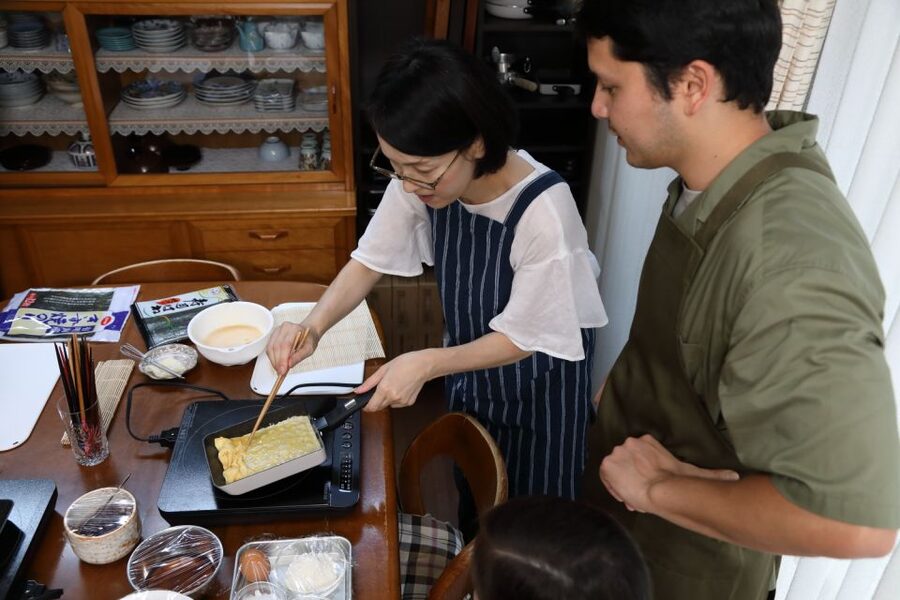
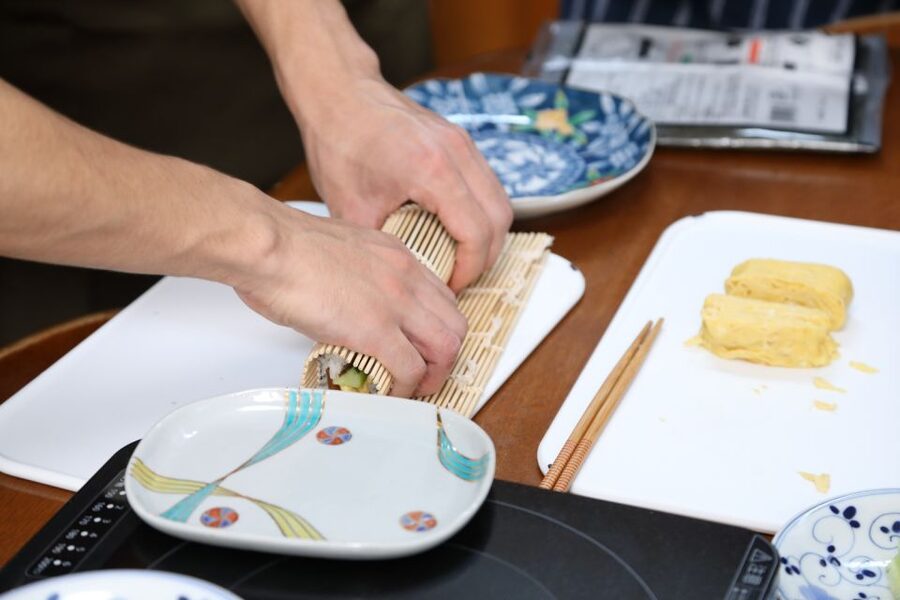
This is a hands-on class. You prepare the food yourself or work with a partner after watching the demonstrations. The result is a meal with several elements rather than one isolated recipe.
A Japanese rolled omelet, for example, gives you a chance to practice a technique that looks simple but can be awkward at first. Sushi, tempura, miso soup, salad, and dessert each call for different skills, so the session has a good mix of preparation styles. You are not spending four hours repeating one task.
The number of dishes can make the class feel generous, but it also means the pace may be active. If you prefer slow instruction on one specialist dish, this may not be the right format. If you want a broad introduction to home cooking, the range works well.
The instructor’s role is important here. Miho is described as patient, direct, and careful with her explanations. She also adapted the menu for a family with three young children, which suggests some flexibility for family groups, though children aged 12 and below must participate with a guardian.
You should bring socks. That small request is easy to overlook, but it fits the traditional home setting. Wear comfortable clothing and come ready to take part rather than simply observe.
Lunch with garden views in a traditional Japanese room
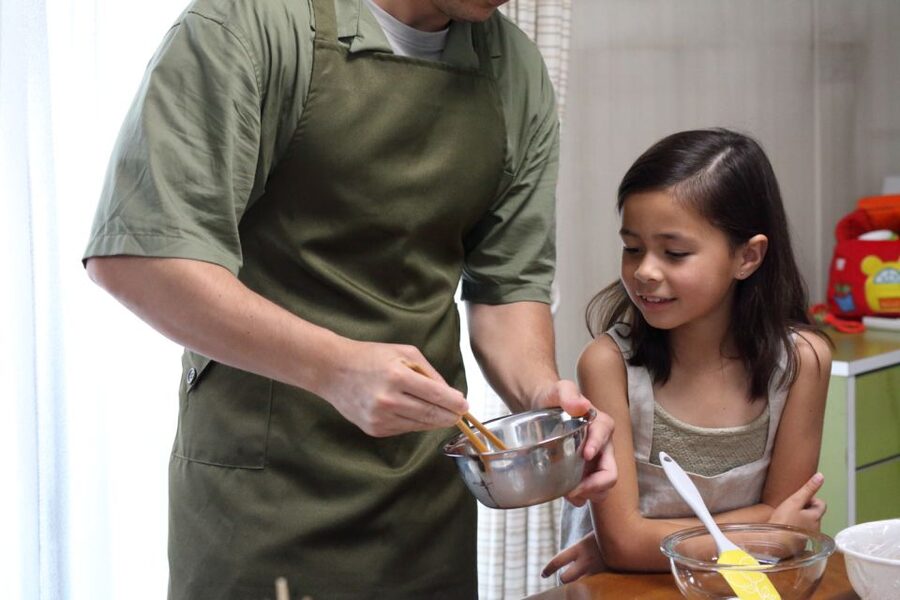
After cooking, you sit down with the other participants and eat the dishes you made. The meal takes place in the Japanese room with a garden view, which gives the class its strongest sense of place.
This is more than a pleasant backdrop. Eating in the same home where you cooked helps you understand the food as part of daily Japanese life. You can also judge the results right away, which makes the cooking advice easier to remember. A soup stock lesson has more meaning when you taste how it affects the finished meal.
The room may feel very different from the dining spaces you use at home. You should be comfortable with a traditional Japanese environment and follow the host’s instructions about footwear and seating. The requirement to bring socks is a useful clue about the house rules.
Past menus have produced a full feast rather than a light snack. The meal can include savory dishes, soup, vegetables, and dessert, though the exact combination depends on the season. Lunch is included in the price, along with all seasonings and ingredients.
I would not treat this as a substitute for a restaurant meal if your main goal is fine dining. The value is in preparing the food, understanding the ingredients, and eating in a private home. The meal is the reward for your work, not the only product being sold.
More hands-on workshops in Kyoto:
- Kyoto: 45-Minute Tea Ceremony Lesson Experience
★ 4.3 · 2,378 reviews - Kyoto : Chopsticks Making Workshop in Gion with Engraving Option
★ 5.0 · 958 reviews - Kyoto: Samurai Sword Class by Experts in Traditional Arts
★ 4.9 · 657 reviews - Ninja 1-hour Hands-on Lesson by Japanese master in Kyoto -Entry
★ 5.0 · 489 reviews
The supermarket visit turns recipes into real shopping skills
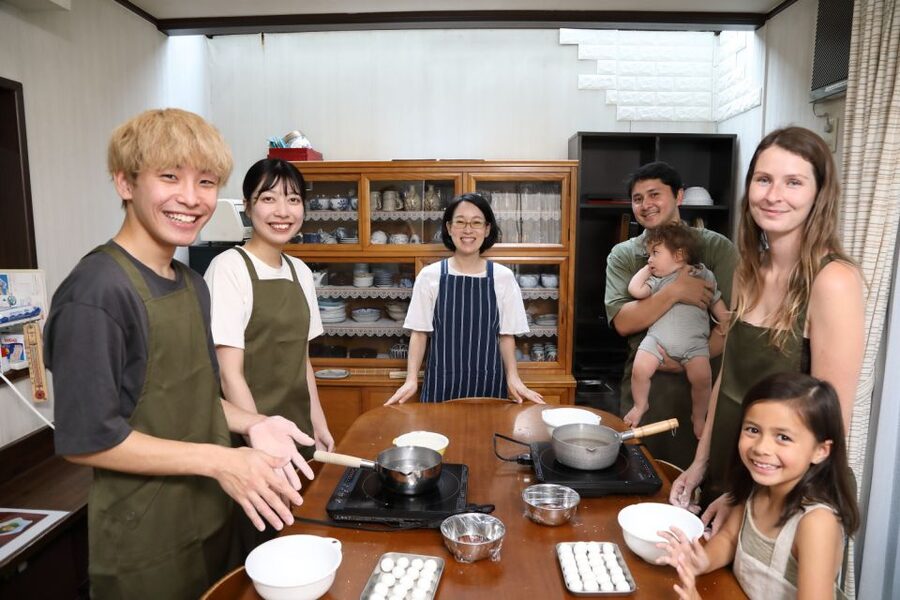
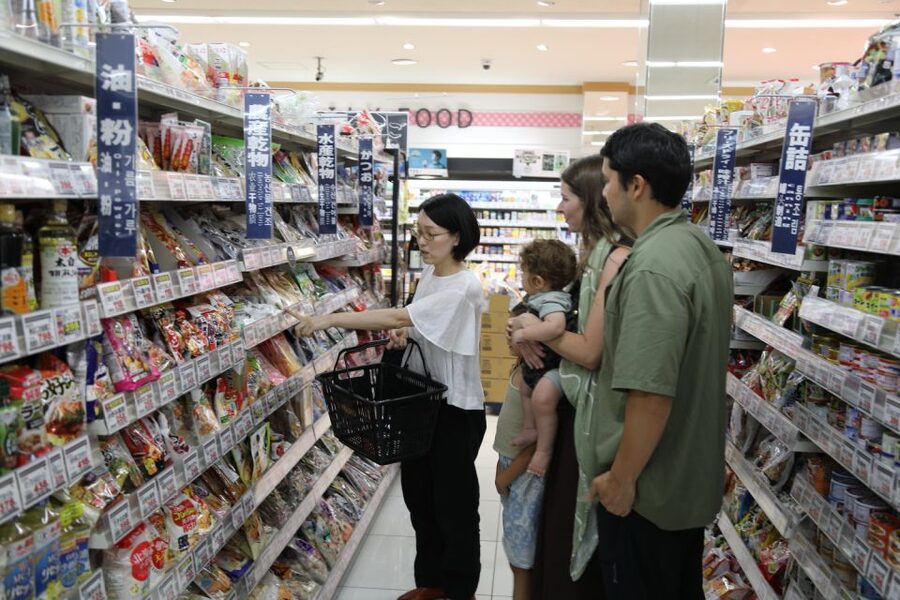
After lunch, you visit a local supermarket with the instructor. This is a particularly useful part of the experience because Japanese grocery shelves can be hard to read, even when you know what kind of ingredient you want.
Miho explains the products and helps you identify ingredients used in the class. The tour covers more than the items needed for your recipes, so you can gain a wider sense of Japanese produce, seasonings, and packaged foods. You may then buy ingredients to repeat the dishes for family and friends at home.
The supermarket also gives you practical context that a cooking demonstration cannot. You see how ingredients are presented in Japan and learn what to look for after leaving Kyoto. The class includes recipes, but the shopping lesson helps you use them.
There is one limit: the supplied details do not specify the supermarket’s name or the exact walking time. You should allow the full four hours for the cooking, meal, and shopping visit rather than planning another tight activity immediately afterward.
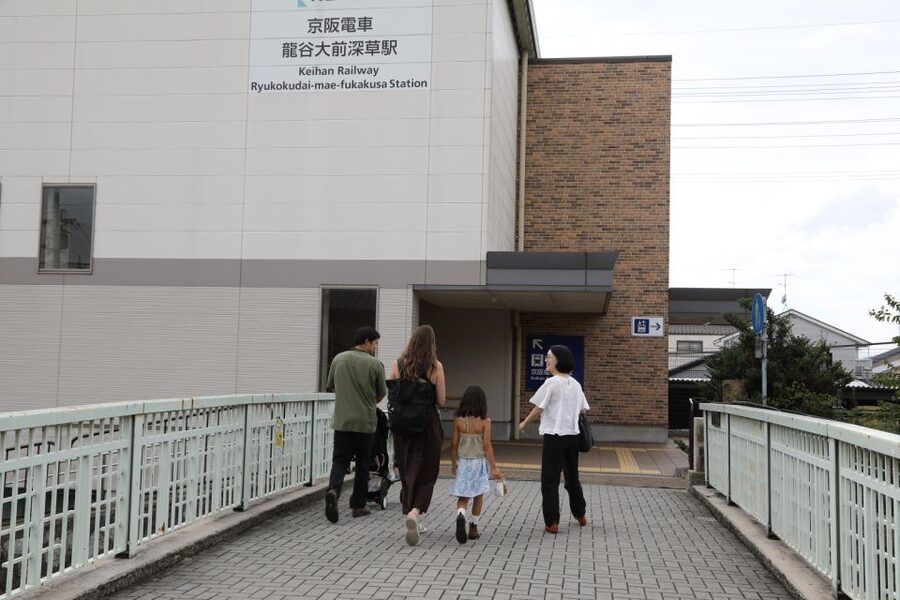
The location near Fushimi Inari makes this easy to pair with sightseeing in the area. Still, do not assume you will have time to rush straight to the famous shrine during the class. The experience is designed as a complete four-hour activity, and the food preparation deserves your attention.
What the $127 price really covers
At $127 per person, this is a fairly substantial spend for a four-hour activity. The price becomes easier to justify if you value several experiences at once: a small English-speaking class, a complete lunch, all ingredients and seasonings, a traditional home setting, a guide-led supermarket visit, and recipes for later use.
A cheaper cooking demonstration might show you one dish in a larger group. This class gives you hands-on practice with several dishes and an instructor who can respond to your questions. The supermarket visit adds something many cooking classes leave out.
The value is strongest for people who plan to cook Japanese food after returning home. If you only want a meal and a few holiday photos, $127 may feel high. If you want to understand dashi, learn useful techniques, and know what to buy in a Japanese supermarket, the cost covers more than lunch.
The small group also changes the calculation. With no more than six participants, you are paying for personal attention as well as food. Solo participants can join and still have a social experience, while couples and families can work together.
Cancellation is flexible: you can cancel up to 24 hours in advance for a full refund, and reserve now while paying later. Hotel pickup and drop-off are not included, and gratuity is separate.
Who will get the most from this class
I would recommend this experience to home cooks who want practical recipes rather than a passive cultural talk. It suits people who enjoy learning by doing and who want to recreate a Japanese meal after returning home.
It is also a good choice for:
- Couples looking for a relaxed food activity near Fushimi Inari
- Solo visitors who want a small social class
- Families with children aged six and older, provided children aged 12 and below have a guardian
- Vegetarians and vegans, after notifying the provider in advance
- Visitors curious about ordinary Japanese homes and grocery shopping
- People who want recipes and ingredient guidance they can use later
You should think twice if you dislike group cooking, have limited mobility, or want a very slow class devoted to one recipe. The activity is not suitable for wheelchair users or children under six.
Practical details before you book
Plan on four hours from start to finish. Starting times vary, so check availability when choosing your date.
The class is conducted in English and limited to six participants. The instructors are licensed guide interpreters, which means the teaching includes clear explanations as well as cooking help.
Bring socks, and tell the provider about vegetarian or vegan requirements before the class. The menu changes with the season, so ask about the likely dishes if a particular recipe matters to you.
You will receive recipes for the dishes prepared during the session. That is one of the most useful inclusions because the class can continue in your own kitchen after your trip.
Should you book the Kyoto Home Cooking Class?
Book it if you want a personal introduction to Japanese food that connects cooking, home life, and shopping. The traditional room, garden view, small group, and supermarket visit give it more substance than a standard recipe lesson.
The best reason to choose it is practical. You learn how dashi works, prepare several dishes, eat the meal, and then see how to find the ingredients in Japan. Miho’s patient, clear teaching is especially helpful if you are new to Japanese cooking.
Skip it if $127 is beyond your food-activity budget, if you need wheelchair access, or if you want a fixed menu. For everyone else, especially curious cooks and food-focused visitors near Fushimi Inari, this is a well-rounded four hours with skills you can carry home.
FAQ
Where does the cooking class take place?
The class takes place near Fushimi Inari in Kyoto, in a traditional Japanese home with garden views.
How long does the experience last?
The experience lasts four hours, including cooking, lunch, and the local supermarket visit.
How many people can join the class?
The group has a maximum of six participants.
Is the class taught in English?
Yes. The class is conducted in English, and the instructors are licensed guide interpreters.
What food will I prepare?
You will prepare about five dishes, though the menu may change by season. Past dishes have included sushi, tempura, miso soup, rolled Japanese omelet, salad, mochi, and dessert.
Will I eat the food I prepare?
Yes. After cooking, you sit with the other participants and enjoy lunch in the traditional Japanese room.
Is the class suitable for vegetarians and vegans?
Yes. The class uses vegetarian dashi and can welcome vegetarian and vegan participants. Notify the provider in advance about your dietary needs.
Are ingredients and lunch included?
Yes. Lunch, all seasonings, and all ingredients are included.
Should I bring anything?
Bring socks. Children aged 12 and below must participate with a guardian.
Is the activity suitable for young children or wheelchair users?
Children under six are not permitted, and the activity is not suitable for wheelchair users.
Just added around Kyoto
- Kyoto: Zen Meditation at a Private Temple with a Monk★ 5.0 · 25 reviews
- Kyoto: Gion Geisha District & Sake-in-Hand Walking Tour★ 5.0 · 37 reviews
- Private Pewter Sake Cup Experience with a Kyoto Artisan★ 5.0 · 31 reviews
- Your Private Vacation Photography Session In Kyoto★ 5.0 · 110 reviews
- Private Guided Traditional Buddhist Cooking in Japan★ 5.0 · 16 reviews
- Kyoto Wagashi(Japanese sweets) Cooking Class near Fushimiinari★ 5.0 · 60 reviews
- Traditional Japanese Music show & Experience Tour in Kyoto★ 5.0 · 57 reviews
- Kyoto:Family-Friendly Kimono & Yukata Experience at WARGO★ 5.0 · 147 reviews
Kyoto Tours, compared.


Fushimi Inari, Kinkakuji, Bamboo Grove 1 Day Bus Tour
Read our review →
Tea Ceremony in a Traditional Tea House in Kiyomizu
Read our review →
Kyoto Geisha Walking Tour: Gion District & Hidden Gems
Read our review →

Gion Magical Night Walking Tour with Geisha Trivia
Read our review →

Gion Geisha District Walking Tour – Stories of Geisha
Read our review →Browse the lists this tour appears in