
Reviewed · KYOTO TOURS
Gyoza Cooking Class in Kyoto: Traditional Japanese Dumplings
Gyoza may have Chinese roots, but this Kyoto class shows how the dumpling became a favorite Japanese comfort food. You choose a filling, make wrappers from scratch, fold your own dumplings, and cook them with help from an English-speaking instructor such as Hama, Maya, Ryo, or Yo. The setting is a traditional Kyoto townhouse, not a restaurant table.
I like two things right away: you learn a skill you can repeat at home, and you get more than a cooking lesson through the short look at Japanese food and samurai culture. The optional samurai armor photos add a playful Kyoto memory, though the $118.19 price is high for a 90-minute class and will make the most sense if you value the hands-on activity and cultural extras.
Key Points to Know
- Make the entire dumpling: You prepare filling, roll wrappers from scratch, fold the gyoza, and cook them.
- Expect about 10 to 12 gyoza: Several class accounts describe that approximate serving per person, so arrive hungry.
- English instruction: Hama, Maya, Ryo, and Yo are named instructors connected with especially warm class experiences.
- Personal work space: Family groups have described the class as hands-on, with an individual station for each person.
- Samurai add-on: After cooking, you can optionally put on samurai armor for photographs.
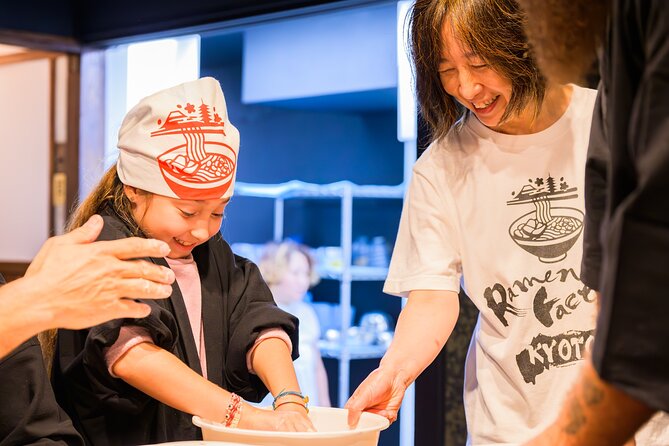
- Take-home extras: An apron or headband may be provided as a souvenir, and you can request the recipe if you forget to collect it.
Making Gyoza in a Kyoto Townhouse
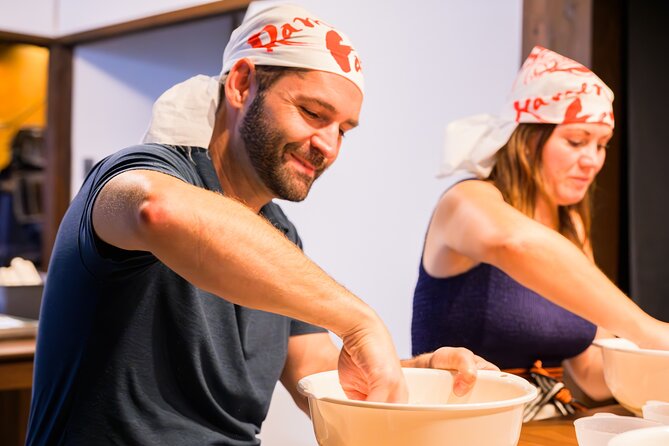
The appeal here is simple: you do not just eat gyoza, you make them from the beginning. The class takes place at 230-1 Kamimyōkakujichō in Kyoto’s Nakagyo Ward, inside a traditional townhouse. That setting gives the activity a more local feel than a standard cooking studio, while keeping the lesson close to public transportation.
The class lasts about 1 hour and 30 minutes, though some participants have found the full experience closer to two hours. I would keep your schedule slightly open afterward, especially if you want time for photographs or questions.
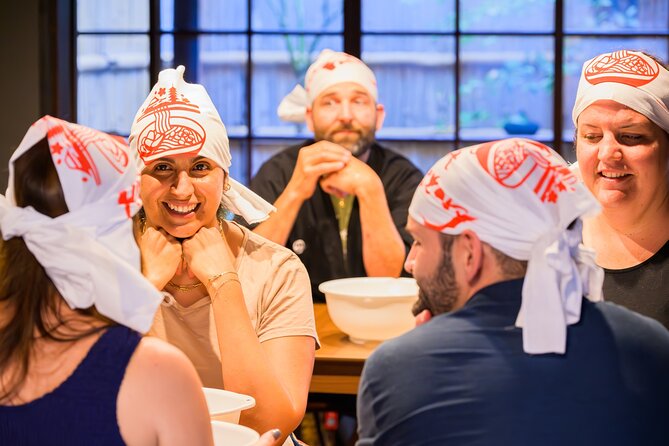
You receive the cooking tools and work with an English-speaking instructor. The class is not private by default, and the maximum group size is 20 people. That is large enough for some lively energy, but the reported personal work stations help keep the lesson practical rather than purely demonstrative.
More cooking classes in Kyoto:
- Ramen Cooking Class at Ramen Factory in Kyoto
★ 5.0 · 1,937 reviews - Kyoto: Ramen Cooking Class at a Ramen Factory with Souvenir
★ 4.9 · 532 reviews - Kyoto: Ramen, Gyoza, and Onigiri Cooking Class
★ 5.0 · 445 reviews
Choosing a Filling and Preparing the Mixture
Your first meaningful choice is the filling. The class lets you choose your favorite filling, which makes the lesson more useful for cooks with different tastes. It also gives you a chance to think about what you would make at home later.
The available information does not specify every filling option, so do not book expecting a particular ingredient unless you confirm it directly. The important point is that you take part in the preparation rather than simply receiving a preassembled dumpling.
This step is useful for families and mixed-age groups. One account describes two parents and a 10-year-old enjoying the activity, while another specifically recommends it for older children and teens. The work is active, but the instructions are designed to be easy to follow.
Making Wrappers From Scratch
Many quick cooking activities hand you ready-made wrappers. This one includes making the gyoza wrappers from scratch, which is one of the best reasons to choose it over a simple food tasting.
You get a better sense of the dumpling as a whole: filling matters, but so does the wrapper’s thickness, size, and ability to hold together. The instructor guides you through the process in English, and some class descriptions mention paper practice before making the final folds. That small teaching aid can help if your first attempt looks more like a folded envelope than a neat crescent.
Do not worry about producing restaurant-perfect shapes on your first try. The point is to learn the method and enjoy the results. You may also discover that the folding stage takes more care than expected, particularly if you are cooking with children.
Folding and Cooking 10 to 12 Dumplings
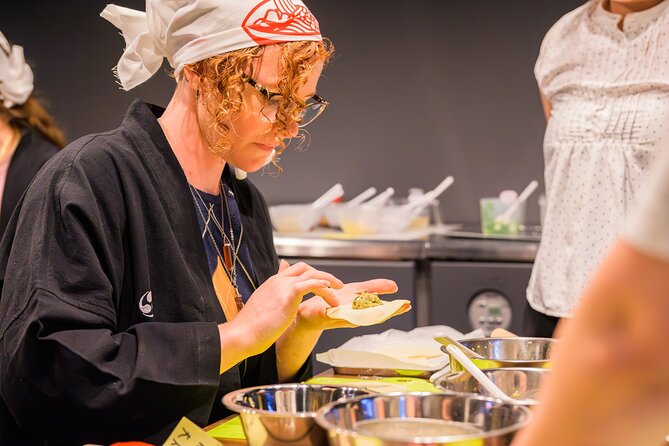
Once the wrappers and filling are ready, you learn the art of wrapping gyoza. This is the part that turns a basic recipe into a hands-on Japanese food lesson. You portion the filling, bring the wrapper together, and create the folds that help seal each dumpling.
Several class experiences describe making around 10 to 12 gyoza per person. That is a useful amount: enough to practice, enough to make a satisfying meal, and not so much that the class becomes repetitive.
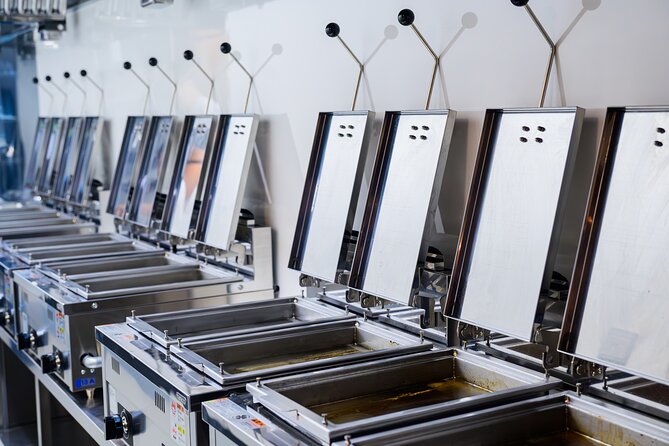
The dumplings are cooked using a professional baking machine. The equipment helps the instructor control the cooking process, so you are less likely to lose a batch to a hot pan or uneven timing. Still, listen closely during this part. Good gyoza depend on proper cooking, and watching the machine work is not the same as learning every stovetop technique you might use at home.
You eat the dumplings after cooking, so plan this as a light meal rather than a pre-dinner snack. One direct tip from the class experience is worth taking seriously: go hungry.
More hands-on workshops in Kyoto:
- Kyoto: 45-Minute Tea Ceremony Lesson Experience
★ 4.3 · 2,378 reviews - Kyoto : Chopsticks Making Workshop in Gion with Engraving Option
★ 5.0 · 958 reviews - Kyoto: Samurai Sword Class by Experts in Traditional Arts
★ 4.9 · 657 reviews - Ninja 1-hour Hands-on Lesson by Japanese master in Kyoto -Entry
★ 5.0 · 489 reviews
Food Stories and Samurai Culture
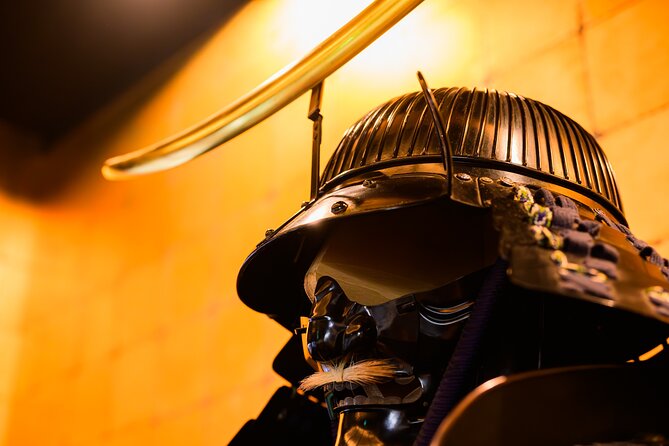
The class also includes information about gyoza, Kyoto, Japanese history, and samurai culture. The dumpling lesson gives this material a natural place in the activity. You are learning how a dish that began in China developed into a distinctly Japanese favorite, while doing the work yourself.
The cultural talk is not presented as a separate museum lecture. Instead, it fits around the cooking. That makes it easier to follow, particularly for children and first-time visitors who might not want a long formal presentation.
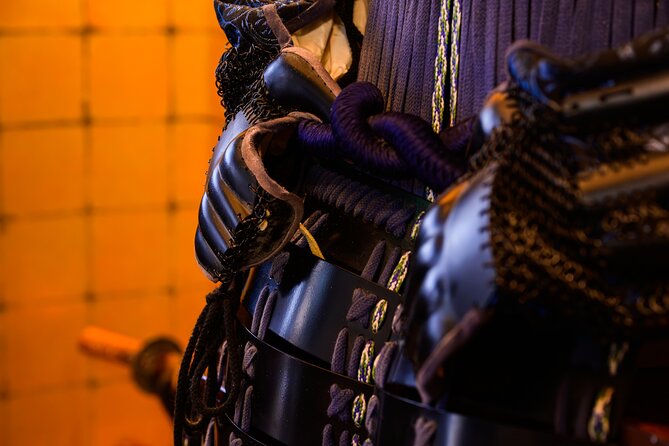
After the cooking, you have the option to dress in samurai armor and take photographs. This is a lighthearted extra, not the central reason to book the class. If you want a serious historical costume experience, this may not meet that goal. If you want a memorable family picture or a funny travel image after making dumplings, it adds value without changing the core activity.
The Instructors Make a Practical Difference
The named instructors matter because this is a small skill lesson, not a self-guided recipe session. Hama is described as making the process easy and fun, and one family class praised the clear historical facts alongside the cooking. Maya is associated with clear English and a friendly teaching style. Ryo is noted for being personable and good with older children and teens, while Yo is described as friendly in an ideal cooking setting.
In a class like this, the instructor controls the pace. A patient guide can make wrapper-making and folding feel simple. A rushed guide could leave beginners behind. The available feedback points strongly toward clear, approachable teaching, but your exact instructor depends on the date and schedule.
Some evening sessions may be very small. One person booked the 6:00 p.m. class and ended up with a private lesson. That is not something you should assume will happen, but it shows that group size can vary. A private or nearly private class would make the price easier to justify, while a full group of 20 would offer a more social atmosphere but less one-on-one time.
What You Take Home Besides Dinner
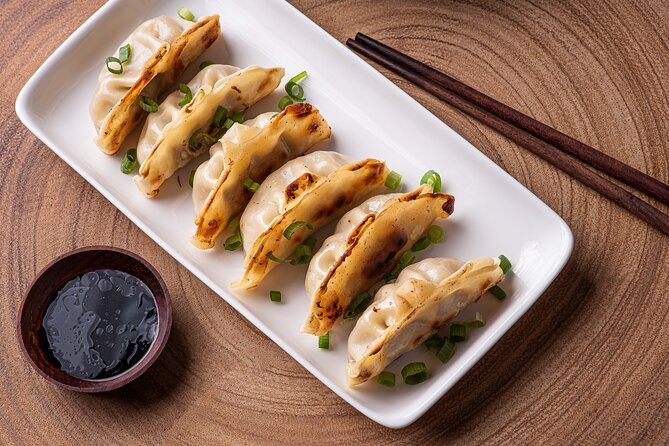
The strongest practical feature is the skill. You can repeat the recipe for friends and family after returning home, which gives this class more staying power than a meal that disappears as soon as you leave.
A take-home apron is also mentioned, and some participants received an apron and headband. Since the precise souvenir arrangement is not fully detailed, treat the apron as a likely class extra rather than the reason to book. If you forget to collect the recipe, you may be able to request it afterward. I would ask before leaving so you have the instructions in hand.
This makes the activity a good fit for people who want a usable memory of Kyoto. Photos fade into the camera roll. A recipe you cook for friends can bring the trip back to your kitchen.
Is $118.19 a Fair Price?
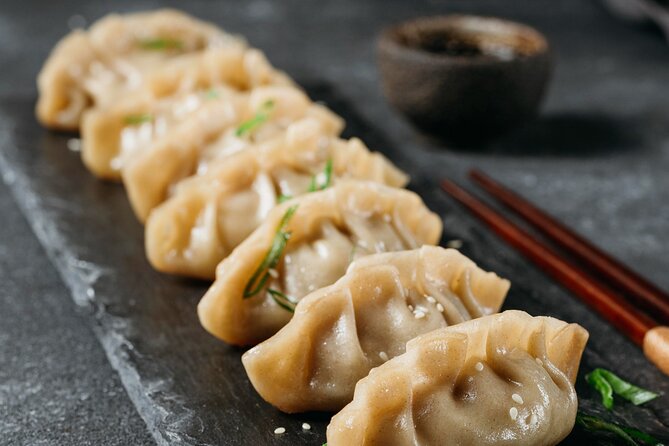
At $118.19 per person, this is not a budget meal. You are paying for roughly 90 minutes of instruction, tools, ingredients, an English-speaking guide, the townhouse setting, and the chance to make and eat your own dumplings. The optional samurai photos and possible apron add to the experience.
The price looks strongest when you receive close instruction, especially in a small group or private session. It also works better for families who want a shared activity instead of separate sightseeing. For a solo visitor on a tight budget, a restaurant meal of gyoza will cost far less.
I would compare this with the value of your time in Kyoto. You are not simply purchasing food. You are buying a structured activity that keeps everyone involved, including people who might not enjoy a long temple visit. If the class gives you a recipe, a souvenir, new cooking skills, and a shared memory, the price can be reasonable. If your main goal is to eat inexpensive gyoza, it is too costly.
Who Will Enjoy This Most?
I would recommend the class to:
- Families with older children and teens who enjoy making things
- Couples looking for a relaxed evening activity
- Solo visitors who like meeting an instructor and working with food
- First-time cooks who want clear guidance
- Food lovers who prefer learning a recipe to only taking photos
- Visitors who want a small cultural activity in a traditional Kyoto setting
It may be less suitable if you need a very short activity, dislike group cooking, or want a formal samurai history program. The class includes cultural information, but cooking remains the main event.
The activity ends back at the meeting point, so you do not need to arrange a separate return transfer. Private transportation is not included. The location is near public transportation, but you should still allow time to find the townhouse and arrive ready to start.
Booking and Cancellation Details
You receive confirmation at booking, and the activity accepts a mobile ticket. The maximum group size is 20 people. Since the class can sometimes be much smaller, the experience may feel different depending on the date and number of bookings.
Free cancellation is available if you cancel at least 24 hours before the local start time. Cancellations or changes made inside that window are not refunded or accepted, so do not book it tightly against another fixed Kyoto plan.
Should You Book This Kyoto Gyoza Class?
Book it if you want to work with your hands, eat what you make, and take home a skill rather than just another photograph. The traditional townhouse, English instruction, named guides such as Hama and Maya, and optional samurai armor give the class more character than a basic dumpling demonstration.
I would be careful about the price if you are mainly looking for dinner. But for a family, a couple, or a food-focused solo visitor, the class offers a clear payoff: you make roughly 10 to 12 gyoza, learn the process from wrapper to cooking, hear some Kyoto and samurai stories, and leave with a souvenir and a recipe you can use again.
FAQ
How long does the gyoza cooking class last?
The listed duration is approximately 1 hour and 30 minutes. Some class experiences have lasted about two hours, so it is wise to leave a little extra time in your schedule.
Where does the class begin and end?
The meeting point is 230-1 Kamimyōkakujichō, Nakagyo Ward, Kyoto, 604-0025, Japan. The activity ends back at the same meeting point.
Is the class taught in English?
Yes. An English-speaking instructor leads the class. Named instructors connected with the experience include Hama, Maya, Ryo, and Yo.
How many people can join the class?
The maximum group size is 20 people. The actual group may be smaller, and one evening booking resulted in a private class.
Is samurai armor included?
You have the option to dress in samurai armor and take photos after the cooking class. The armor activity is optional.
Can I cancel for a full refund?
Yes, if you cancel at least 24 hours before the experience start time, based on local time. Cancellations or changes made less than 24 hours before the start are not refunded or accepted.
Just added around Kyoto
- Kyoto: Zen Meditation at a Private Temple with a Monk★ 5.0 · 25 reviews
- Kyoto: Gion Geisha District & Sake-in-Hand Walking Tour★ 5.0 · 37 reviews
- Private Pewter Sake Cup Experience with a Kyoto Artisan★ 5.0 · 31 reviews
- Your Private Vacation Photography Session In Kyoto★ 5.0 · 110 reviews
- Private Guided Traditional Buddhist Cooking in Japan★ 5.0 · 16 reviews
- Kyoto Wagashi(Japanese sweets) Cooking Class near Fushimiinari★ 5.0 · 60 reviews
- Traditional Japanese Music show & Experience Tour in Kyoto★ 5.0 · 57 reviews
- Kyoto:Family-Friendly Kimono & Yukata Experience at WARGO★ 5.0 · 147 reviews
Kyoto Tours, compared.


Fushimi Inari, Kinkakuji, Bamboo Grove 1 Day Bus Tour
Read our review →
Tea Ceremony in a Traditional Tea House in Kiyomizu
Read our review →
Kyoto Geisha Walking Tour: Gion District & Hidden Gems
Read our review →

Gion Magical Night Walking Tour with Geisha Trivia
Read our review →

Gion Geisha District Walking Tour – Stories of Geisha
Read our review →Browse the lists this tour appears in