
Reviewed · HIROSHIMA TOURS
Hiroshima: Best of Hiroshima Guided Bike Tour
Hiroshima’s sights are spread across a flat, manageable city, and a bicycle lets you connect them with less effort than walking and less waiting than taking buses. This 3.5-hour ride brings the city’s wartime past, samurai-era setting, and peaceful gardens into one clear route. I especially like the gentle riverside approach to Peace Memorial Park and the way the tour reaches places that are awkward to connect by car.
I also like the small group limit of eight and the choice of regular bikes, step-throughs, e-bikes, and child-sized bikes. The main consideration is the weather: this is an outdoor ride, so heat, rain, or cold can affect the experience, and the tour may be canceled in poor conditions.
Key points about the Hiroshima bike tour
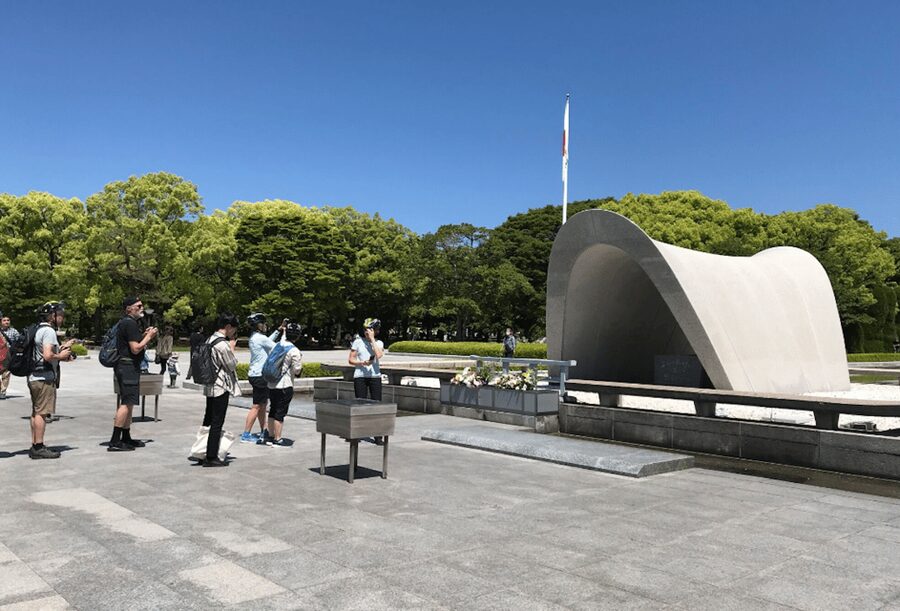
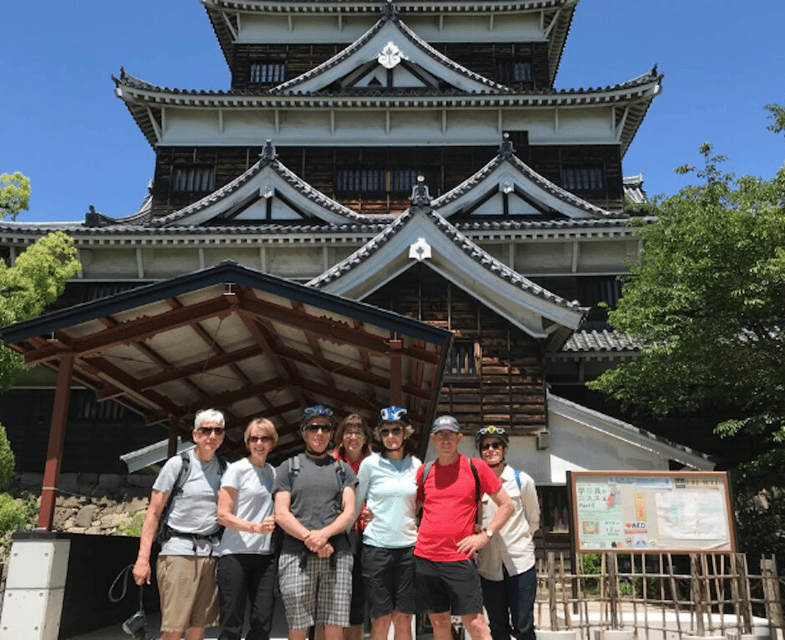
- A thoughtful route through five major sights: Peace Memorial Park, the Atomic Bomb Dome, Gokoku Jinja, Hiroshima Castle, and Shukkei-en Garden.
- A genuinely easy ride: The route is flat, with a relaxed pace and frequent stops for stories, questions, and photos.
- Personal guiding makes a difference: Guides including Awais, Aimee, Miyu, James, Ehsan, and Melissa have been praised for clear English, local stories, and respectful handling of Hiroshima’s past.
- A useful small-group size: With no more than eight people, the guide can help with bike fitting, questions, and pictures.
- Good equipment is part of the deal: Trek bikes, helmets, bottled water, and Shukkei-en admission are included.
- Strong value for a half-day: At $70 per person, you get transport by bike, an English-speaking guide, several landmark stops, and garden entry in one booking.
Why cycling works so well in Hiroshima
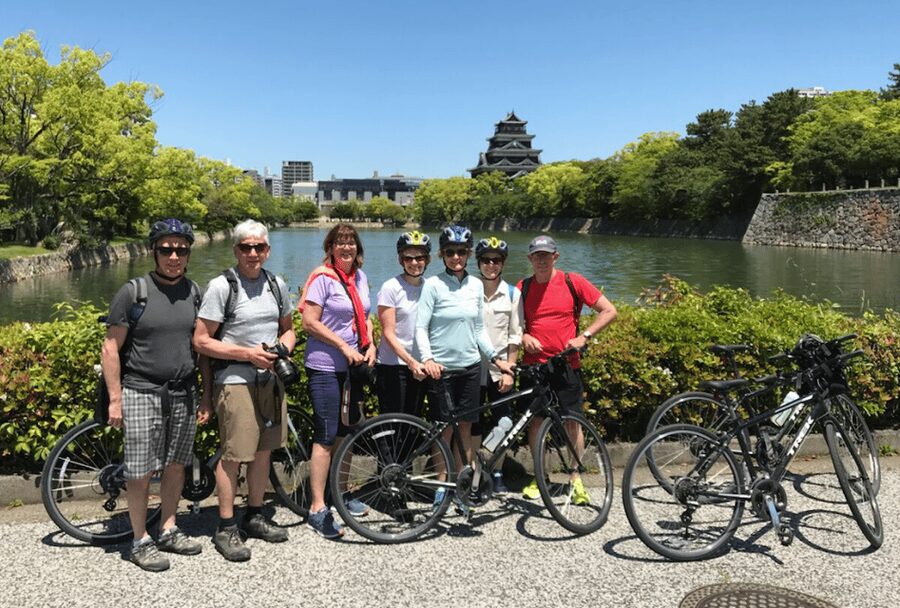
Hiroshima is a city you can explore on foot, but its sights are not all packed into one compact square. The Peace Memorial Park lies southwest of Hiroshima Castle, while Gokoku Jinja and Shukkei-en Garden add important stops farther north and east. You can walk between them, but the distance adds up, especially in summer.
The bicycle solves that problem without turning the outing into a workout. The route is described as completely flat, and the ride is paced for sightseeing rather than speed. One reported route length is about 10 kilometers, spread across roughly 210 minutes with regular pauses. I would expect more time off the saddle than on it.
The ride also gives you a better sense of Hiroshima as a living city. You are not simply being delivered from monument to monument. You move beside the rivers, pass through open public spaces, and see how the city functions today. Several riders found this more refreshing than covering the same ground on foot or by public transport.
The route is mainly away from busy roads, which helps less-confident cyclists relax. Still, you should be comfortable riding a bicycle and following a guide through a city. This is easy cycling, not a stationary sightseeing experience.
More bike days around Hiroshima:
- Hiroshima in a Nutshell: Morning Bike Adventure
★ 5.0 · 524 reviews - Hiroshima 2hr Peace Cycling Tour with Local Guide
★ 5.0 · 321 reviews - Hiroshima: Peace Cycling Tour with Local Guide
★ 4.8 · 286 reviews
Getting fitted at Cycle Hiroshima HQ
The meeting point is Cycle Hiroshima HQ, marked by a large Cycle Hiroshima sign at the front. The tour begins with a short orientation and bike fitting, so arrive ready to spend a few minutes getting the saddle and bike size right.
That small step matters. A poor fit can turn an easy ride into an uncomfortable one, while a correctly adjusted bike makes the flat route feel even simpler. One solo rider specifically advised arriving early for the fitting. You should wear comfortable clothes and shoes, and avoid bringing anything that makes riding awkward.
The standard fleet includes Trek bikes in several sizes. Step-through bikes are available, along with e-bikes and child-sized bikes. The supplied information rules out children under 12, despite the availability of child-sized bikes, so check the age requirement carefully before booking.
A helmet and bottled water are included. The equipment has received repeated praise for being clean, comfortable, and well maintained. You do not need to arrange a separate bike rental, which improves the value of the $70 price.
Riverside riding to Peace Memorial Park
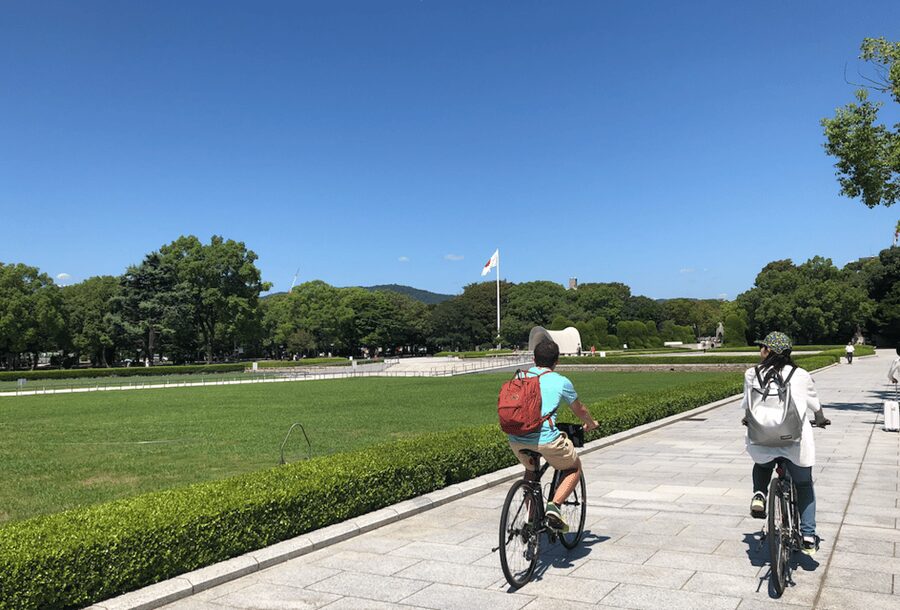
The opening ride follows the river toward Peace Memorial Park. This is a smart beginning because it eases you into the city before asking you to absorb its most serious subject.
Your guide can set the historical frame during the ride and then pause at selected sites in and around the park. The pace allows time for questions, photographs, and quiet observation. Several guides have also been praised for continuing the explanation between the formal stops, which helps connect the separate monuments into one story.
The subject here is heavy. Hiroshima is not presented as a quick checklist of attractions. Guides such as Miyu, Aimee, and Melissa have been singled out for sharing family or local perspectives alongside the historical facts. That personal element can make the events of August 6, 1945 feel less remote, but a good guide must also handle the topic with care.
The strongest guiding comments have centered on respect, clear explanations, and the ability to present more than one point of view. Ehsan, Awais, James, Ihsan, and others have been praised for answering questions patiently and keeping the tone thoughtful without making the ride gloomy from start to finish.
The Atomic Bomb Dome and the meaning of the park
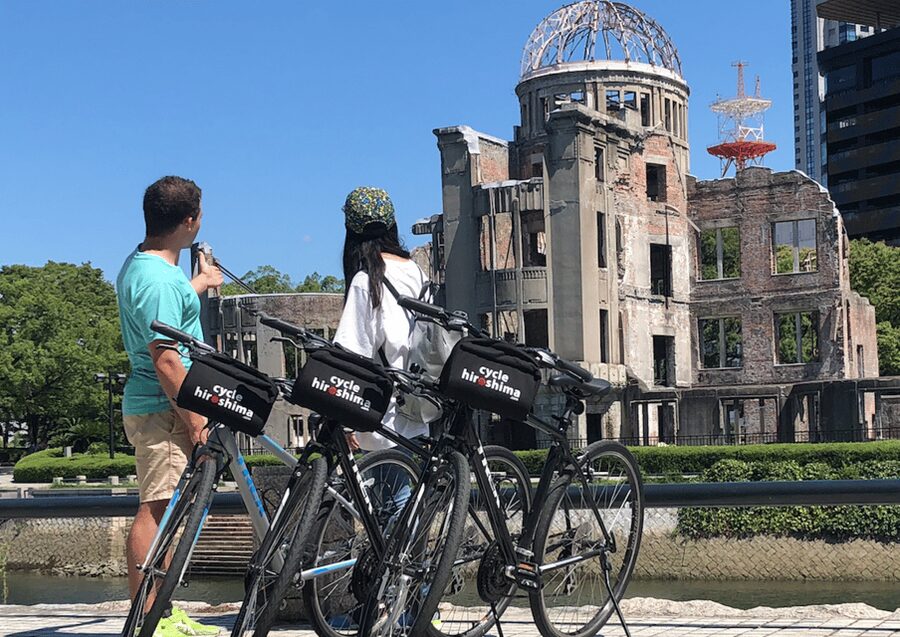
The Atomic Bomb Dome is the tour’s most recognizable stop. The preserved structure is a UNESCO World Heritage Site and one of the central symbols of Hiroshima’s transformation into a City of Peace.
You will have time to look closely, take photographs, and listen to the guide explain what happened around the building in 1945. The bicycle format is helpful here because you arrive as part of a small group, then move on when the explanation and viewing time are complete. It avoids the stop-start feeling of a bus tour while still giving you a clear interpretation.
Peace Memorial Park includes several monuments connected to the bombing and its victims. The supplied information specifically notes the story of Sadako and the paper cranes, a detail that has stayed with some riders long after the tour. These stories give a human scale to an event that can otherwise feel too large to grasp.
You should not expect a museum visit as part of this bike tour. The focus is on outdoor monuments, the park, and the guide’s explanation. If you want an extensive indoor examination of the bombing, you will need to visit Hiroshima Peace Memorial Museum separately. The bike tour works well as an introduction or as a way to understand the wider setting before or after that visit.
A few more Hiroshima half-days to weigh up
- Peaceful Hiroshima & Miyajima UNESCO 1 Day Bus Tour
★ 5.0 · 5,309 reviews - Hiroshima: Hiroshima and Miyajima UNESCO Sites 1-Day Tour
★ 4.9 · 2,330 reviews - Hiroshima / Miyajima Full-day Private Tour with Government Licensed Guide
★ 5.0 · 1,298 reviews - Hiroshima Historical Walking Tour – Why A-Bomb was Dropped
★ 4.8 · 893 reviews
Gokoku Jinja, a quieter change of mood
After Peace Memorial Park, the route heads north to Gokoku Jinja. This is described as Hiroshima’s most popular Shinto shrine, and it gives the tour a useful change of mood after the solemnity of the park.
The shrine stop adds a religious and cultural layer to the day. You are no longer looking only at Hiroshima through the lens of 1945. Instead, the route begins to show the city’s continuing traditions and the places people use in ordinary life.
The cycling connection between the park and shrine is part of the appeal. Rather than treating the shrine as an isolated attraction, the guide places it within the city’s geography. You get a sense of how the central districts relate to one another, something that is harder to pick up when you travel only by taxi or bus.
The available details do not specify how long you remain at the shrine or which particular features the guide discusses. Expect an outdoor stop with explanation and time for pictures, rather than a long formal ceremony or extended religious visit.
Hiroshima Castle and the samurai-era setting
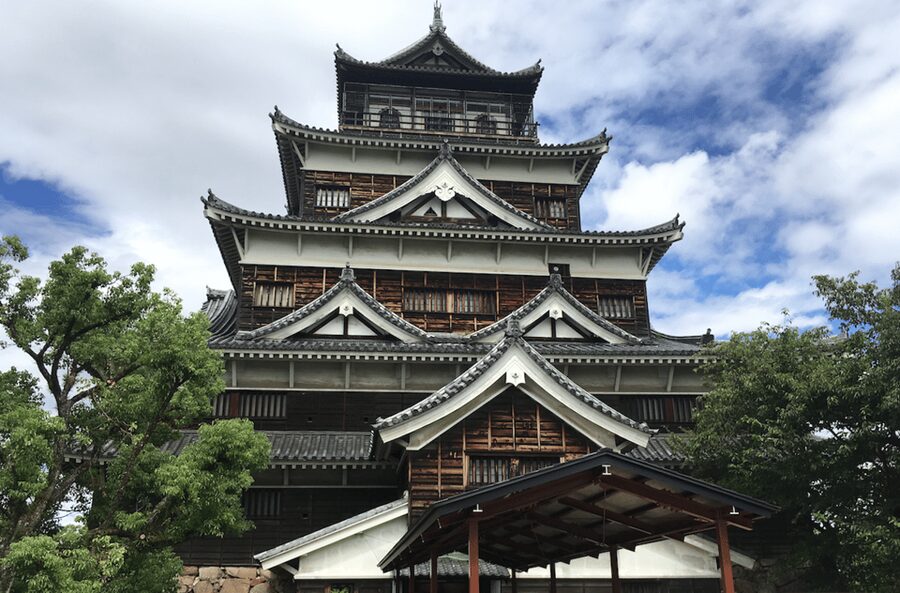
From Gokoku Jinja, the tour continues through the grounds of Hiroshima Castle. This stop takes you back before the atomic bombing, to the city’s samurai-era past.
The castle grounds are valuable because they widen the story of Hiroshima. A visit focused only on the bombing can make the city seem defined by one date. The castle helps place Hiroshima within a longer Japanese history, before the modern city and before its role as a symbol of peace.
Cycling through the grounds also gives you a different view than simply arriving at a castle entrance by public transport. You move through the surrounding space with the guide, then pause for context and photographs. The route remains flat, so this is not a strenuous climb to a hilltop fortress.
Keep your expectations measured. The listed experience emphasizes the grounds and a glimpse into the days of the samurai. It does not promise a detailed interior castle tour or extended museum time. If the castle is your main interest, plan another visit for a closer look rather than treating this stop as a full castle study.
Shukkei-en Garden closes the ride on a calm note
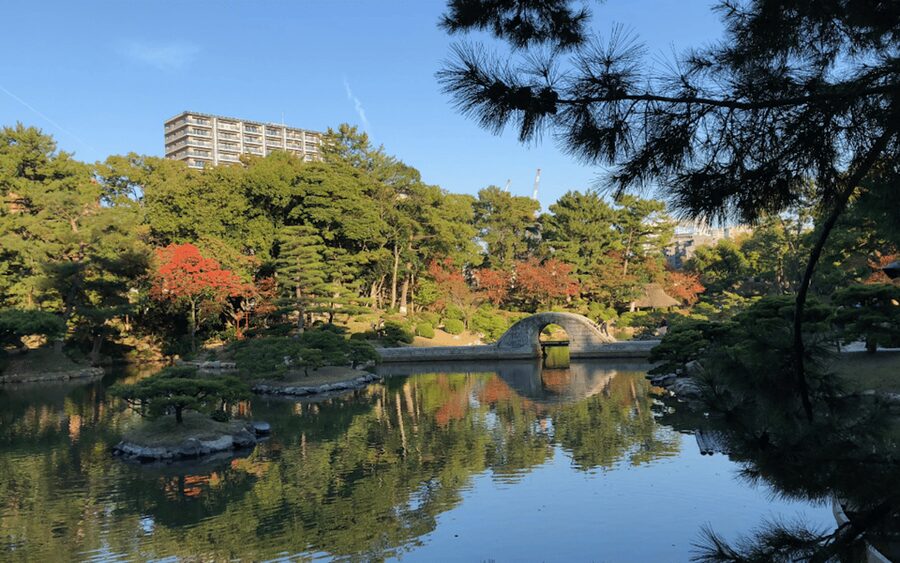
The final major stop is Shukkei-en Garden, built during the Edo Period and regarded as one of the finest traditional gardens in western Japan. Admission is included, which is important because the garden is not just a quick photo stop at the edge of the route.
Ending here is a fine piece of planning. After the difficult subject matter of Peace Memorial Park and the historical weight of the castle, the garden gives you time to slow down. Its traditional design offers a quiet finish and a chance to see another side of Hiroshima.
The garden is also a practical value point. A separate visit would require its own admission and planning, while this tour folds it into the route. You may not have as much unstructured time as you would on a dedicated garden visit, but you get an efficient introduction without giving up an entire afternoon.
One rider called the garden a particular treat, and another felt that ending there was perfect. I can see why. The sequence moves from remembrance, to shrine, to castle, to garden, giving the ride a clear emotional and historical arc.
What the guides add to the ride
The guide is the most important variable in this experience. The English-speaking team includes Awais, Aimee, Miyu, James, Ehsan, Ihsan, Melissa, Hasan, Sage, Ali, Alex, Patrick, and others. The strongest praise has focused on clear storytelling, patience, humor, and local or family connections to Hiroshima.
Awais has been repeatedly praised for explaining the bombing, monuments, and recovery in careful detail. Aimee has been noted for friendly, respectful guiding, regular breaks, and local recommendations. Miyu has shared personal family stories, while Ehsan has been praised for presenting different perspectives and encouraging thoughtful questions.
These details matter because the stops themselves are easy to find. The guide’s job is to explain why they matter, how they connect, and what you may miss if you simply arrive, take a picture, and leave.
The small-group limit helps. A maximum of eight people gives the guide room to check that everyone is comfortable, answer individual questions, and offer to take photos. One group even received extra time when nobody needed to leave promptly, though you should treat that as a pleasant possibility rather than a promise.
Heat, rain, and riding comfort
The weather is the main practical risk. The tour requires good weather and may be canceled if conditions are poor, with a different date or full refund offered. There is no need to force an outdoor ride through heavy rain, but flexible plans are useful.
Summer can be hot. A June ride covering about 10 kilometers included several stops because of the heat, and an August group appreciated frequent breaks. Bottled water is provided, but I would still dress lightly, use sun protection, and take the pauses seriously.
A rainy day does not automatically ruin the outing. One spring group rode in poor weather and still enjoyed the experience, while another found the guide kept spirits up during a rainy tour. Even so, wet roads, cold temperatures, or strong rain can reduce comfort, so check the forecast before committing to a tight schedule.
The route is flat, but the tour is not suitable for everyone. It excludes children under 12, pregnant women, people under 140 centimeters, and people with back, heart, or other pre-existing medical conditions. If you have any concern about cycling, ask the operator before booking.
Is $70 a fair price?
At $70 per person, this is not the cheapest way to move around Hiroshima. You could walk through the Peace Memorial Park for free, use local transport, and pay separately for Shukkei-en Garden. That approach saves money if you are happy to research the sites and manage the route yourself.
The tour earns its price through convenience and interpretation. You get a quality bike, helmet, water, an English-speaking guide, a small group, and admission to Shukkei-en. Most important, you connect five important areas in half a day without spending your energy navigating between them.
I see the best value for someone with limited time in Hiroshima. The ride gives you a strong first look at the city, and you can return later to the Atomic Bomb Dome, Peace Memorial Park, castle, or garden that deserves more time.
The price is less compelling if you already know Hiroshima well, prefer long museum visits, or dislike guided schedules. You will not stop for alcoholic drinks, and hotel pickup and drop-off are not included. You must reach Cycle Hiroshima HQ yourself.
Who should book this ride?
I would choose this tour if you want historical context but also need a practical way to cover ground. It suits couples, solo visitors, and small groups who can ride comfortably and appreciate a guide who pauses often rather than racing through the city.
It is especially useful on a short Hiroshima stay. The itinerary gives you the city’s central landmarks, a shrine, a castle setting, and a traditional garden in one outing. It also saves your feet for an evening meal or a separate museum visit.
Families should check the age rule closely. The experience is not suitable for children under 12, and the minimum height is 140 centimeters. E-bikes are available, but the flat route means most riders will not need one unless they prefer the extra assistance.
FAQ
How long is the Hiroshima guided bike tour?
The tour lasts 210 minutes, or about three and a half hours.
What sights does the tour visit?
The route includes Peace Memorial Park, the Atomic Bomb Dome, Gokoku Jinja, the grounds of Hiroshima Castle, and Shukkei-en Garden.
Is the cycling route difficult?
The route is completely flat and follows a relaxed pace. It is suitable for anyone who can ride a bike, though you should be comfortable cycling as part of a guided group.
What kind of bikes are available?
The operator provides Trek bikes in different sizes, as well as step-through bikes, e-bikes, and child-sized bikes. A helmet is included.
Is admission to Shukkei-en Garden included?
Yes. Entry to Shukkei-en Garden is included in the tour price.
What happens if the weather is bad?
The tour requires good weather. If it is canceled because of poor conditions, you can choose another date or receive a full refund.
Should you book the Hiroshima bike tour?
Book it if you want a respectful, well-paced introduction to Hiroshima and would rather ride between the main sights than walk or wait for buses. The combination of Peace Memorial Park, the Atomic Bomb Dome, Hiroshima Castle, and Shukkei-en Garden gives you far more than a single-theme outing.
I would skip it only if you need a long museum visit, cannot ride comfortably, or have a schedule that cannot handle weather changes. For most fit visitors aged 12 and over, the flat route, good bikes, small group, and strong English guiding make $70 a sensible half-day investment.
Just added around Hiroshima
- The Peace Memorial to Miyajima : Icons of Peace and Beauty★ 4.5 · 31 reviews
- Shore Excursion from Hiroshima Port : Private Tour in Hiroshima★ 5.0 · 17 reviews
- Hiroshima Saijo Sake Tasting Tour with visit to 7 Breweries★ 5.0 · 104 reviews
- Hiroshima & Miyajima All-Inclusive Tour w/Licensed guide Pancho★ 5.0 · 54 reviews
- Hiroshima Country Cycling: Explore Rural Life 1 HR from City★ 5.0 · 22 reviews
- Okunoshima Rabbit Island Cycling Tour with Local Guide★ 4.5 · 17 reviews
- Private Full Day Hiroshima Tour★ 4.5 · 29 reviews
- Hiroshima Private Tour with a Local – Highlights & Hidden Gems★ 4.5 · 24 reviews
Hiroshima Tours, compared.

Peaceful Hiroshima & Miyajima UNESCO 1 Day Bus Tour
Read our review →
Hiroshima and Miyajima UNESCO Sites 1-Day Tour
Read our review →
Hiroshima Historical Walking Tour – Why A-Bomb was Dropped
Read our review →
Hiroshima Peace (Heiwa) Walking Tour at World Heritage Sites
Read our review →
Hiroshima in a Nutshell: Morning Bike Adventure
Read our review →
Hiroshima City 4hr Private Walking Tour with Licensed Guide
Read our review →

Japanesel Archery Experience HIROSHIMA CASTLE SHARAKU
Read our review →Browse the lists this tour appears in