
Reviewed · HIROSHIMA TOURS
Hiroshima: History and Hidden Gems Tour
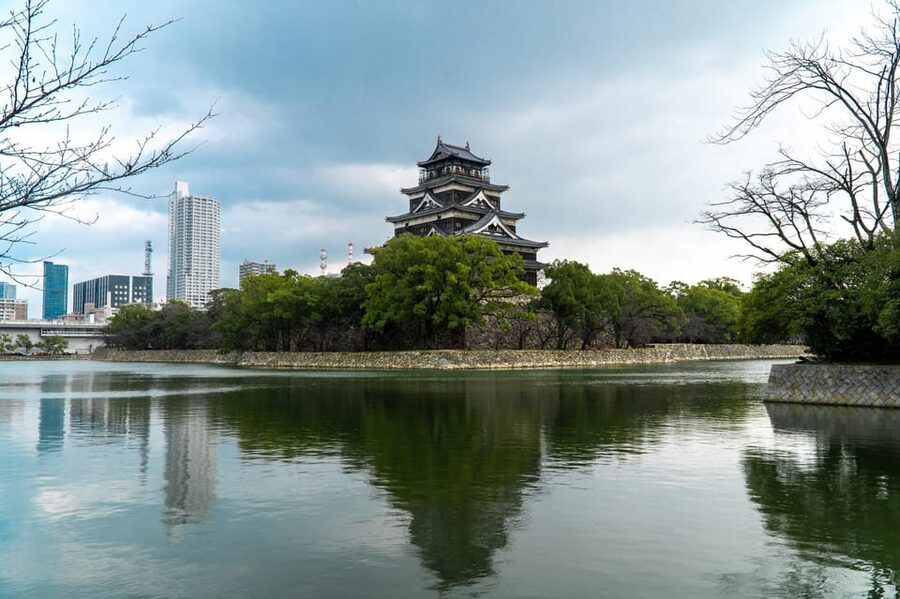
Hiroshima’s story is best understood on foot, where the Peace Memorial Park connects the museum, monuments, bridge, and Atomic Bomb Dome into one powerful sequence. This three-hour tour adds lesser-seen corners and then moves toward Hiroshima Castle and Shukkeien Garden, giving you both the city’s wartime story and its older cultural character.
I like the way guide Awais combines clear historical explanation with practical care, including shelter during heavy rain, sensible pacing, and useful suggestions for the rest of your day. I also like the flexible route: you can spend longer on the museum, shorten it, or adjust the walk to suit your group.
The main consideration is time. Three hours can cover a lot, but the museum alone deserves quiet attention, and the full route involves plenty of walking. The tour may also run beyond the stated time if you stop often or add the castle and garden.
Key points to know before booking
- A serious, carefully paced Peace Park visit: The route links the museum with the National Peace Memorial, Children’s Peace Monument, Burial Mound, Korean Atomic Bomb Victims Cenotaph, Aioi Bridge, and Atomic Bomb Dome.
- A guide who explains difficult material well: Awais presents Hiroshima’s wartime history and present-day meaning in clear English, with time for questions.
- More than a museum tour: The walk includes older Hiroshima sights, including Hiroshima Castle and Shukkeien Garden.
- Flexible for weather and ability: The route can be adjusted for rain, tired feet, different interests, or a shorter museum visit.
- Good value for a first visit: At $57 per person, you are paying for an English-speaking guide who helps connect separate sights into one understandable story.
- Plan for walking: Comfortable shoes, sunscreen, a hat, and weather-ready clothing will make a real difference.
Why this Hiroshima walk works
Many people visit Hiroshima’s museum and park alone, then leave with a pile of solemn facts but no clear sense of how the places connect. This tour gives you a human guide beside you as you move from one memorial to the next.
That order matters. You begin at the Hiroshima Peace Memorial Museum, then continue through the surrounding park and its monuments before reaching the Atomic Bomb Dome. The result is not just a list of stops. You see how Hiroshima remembers the dead, honors survivors, and presents its message of peace to the world.
Awais is the named guide for this experience, and the strongest feature of the tour is his ability to explain difficult material without turning it into a lecture. His English is described as fluent and easy to follow, and he welcomes questions about the war, the bombing, Japanese culture, and Hiroshima today.
I especially value the personal flexibility. If you have already visited part of the park, you can spend more time elsewhere. If the museum feels like too much in one sitting, you can shorten that section and continue outside. That kind of adjustment is useful in Hiroshima, where your energy and emotions may change as the morning progresses.
More off-the-list walks in Hiroshima:
- Hiroshima: Hidden Gems and Highlights Private Walking Tour
★ 4.8 · 27 reviews - Hiroshima Private Tour with a Local – Highlights & Hidden Gems
★ 4.5 · 24 reviews - Kyoto Geisha Walking Tour: Gion District & Hidden Gems
★ 4.7 · 3,273 reviews
Starting at the Peace Memorial Museum
The tour begins at the Hiroshima Peace Memorial Museum, an appropriate place to set the context. You can expect a guided introduction to the city and the events that shaped it, followed by time to see the museum itself.
This is not light sightseeing. The exhibits include personal accounts and the stories of people who died or survived the atomic bombing. You should allow yourself room to pause. A guide can explain dates, locations, and broader events, but no one can rush you through the personal material without losing something important.
The tour is advertised with skip-the-ticket-line access, which can save time at a busy attraction. Still, your exact time inside will depend on the group, your questions, and how much of the museum you want to examine.
One practical point: the activity information clearly includes the historical tour and English-speaking guide, while individual booking details should be checked for any admission arrangements. A past participant understood museum and garden entry to be included, but do not rely on that assumption without confirming the terms shown when you book.
Walking through Peace Memorial Park
From the museum, the route moves outdoors through Hiroshima Peace Memorial Park. This gives you time to process the museum while seeing the city’s memorial spaces in their wider setting.
The park includes several important stops:
- The Hiroshima National Peace Memorial
- The Children’s Peace Monument
- The Atomic Bomb Memorial Burial Mound
- The Korean Atomic Bomb Victims Cenotaph
- Aioi Bridge
- The Atomic Bomb Dome
Each place carries a different purpose. The Children’s Peace Monument brings attention to young victims and to the lasting effects of the bombing. The Korean Atomic Bomb Victims Cenotaph broadens the story beyond Hiroshima’s local population, reminding you that people from outside Japan were also caught in the attack.
The Burial Mound is another stop that can easily be missed if you walk through the park without guidance. The route includes it as part of the wider memorial story, rather than treating the famous dome as the only important sight.
Aioi Bridge helps you understand the geography of the area. The bridge is one of the recognizable points in the park, and seeing it alongside the surrounding memorials makes the route easier to follow. The Atomic Bomb Dome then provides the image most closely associated with Hiroshima, but the guide’s explanation gives it meaning beyond a photo stop.
The tour includes scenic views along the way, but this is not a casual park stroll. You are walking through a place of mourning and remembrance. Awais’s patient, compassionate approach is important here, especially for families or anyone who wants historical explanation without political grandstanding.
Seeing the Atomic Bomb Dome in context
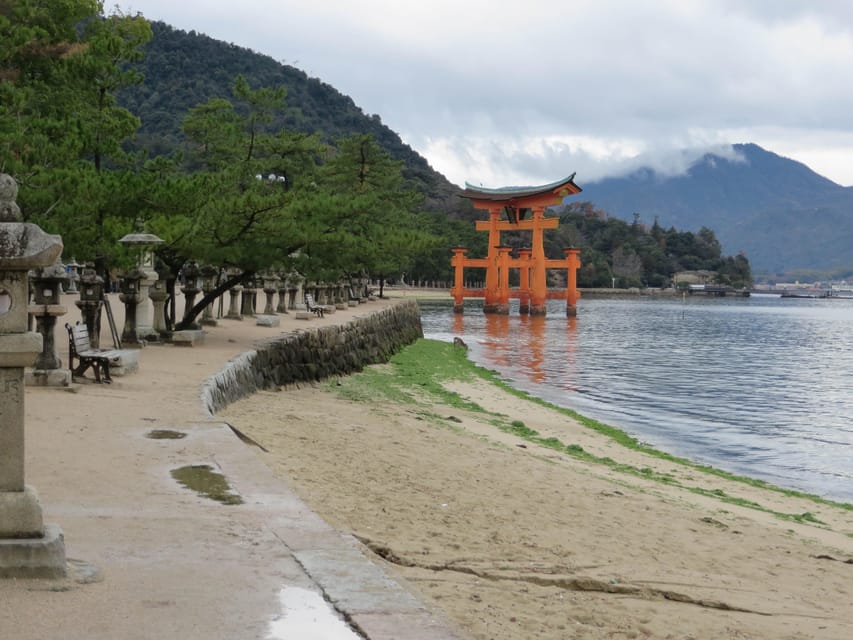
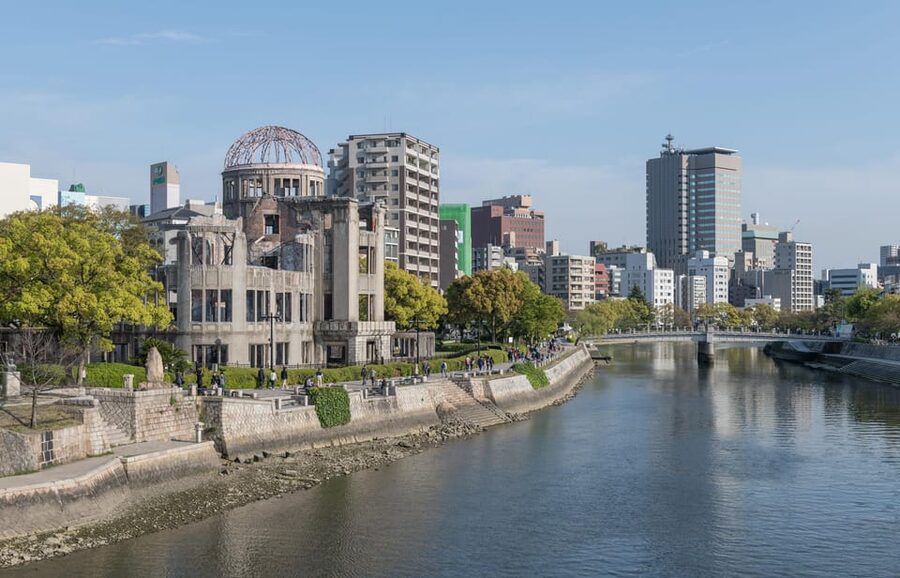
The Atomic Bomb Dome is likely to be one of the most memorable stops. Its damaged structure has become a symbol of Hiroshima and a warning about nuclear destruction.
On your own, it is easy to photograph the dome, read a sign, and move on. With a guide, you can connect it to the rest of the park and to the city before and after 1945. The tour also returns to the Atomic Bomb Memorial Burial Mound in its sequence, showing that Hiroshima’s remembrance is spread across many sites, not concentrated in one famous building.
This section suits people who want more than a checklist. You can ask questions as you walk, and the guide can adjust the amount of detail to your interests. Several participants found the route especially useful because it included smaller memorials they might otherwise have passed without noticing.
More history-led days in Hiroshima:
- Hiroshima Historical Walking Tour – Why A-Bomb was Dropped
★ 4.8 · 893 reviews - Hiroshima Peace (Heiwa) Walking Tour at World Heritage Sites
★ 5.0 · 872 reviews - Miyajima Half-day Trip Historical Walking Tour
★ 5.0 · 284 reviews - Hiroshima: History of Hiroshima Group Walking Tour
★ 4.8 · 266 reviews
Moving from wartime memory to Hiroshima Castle
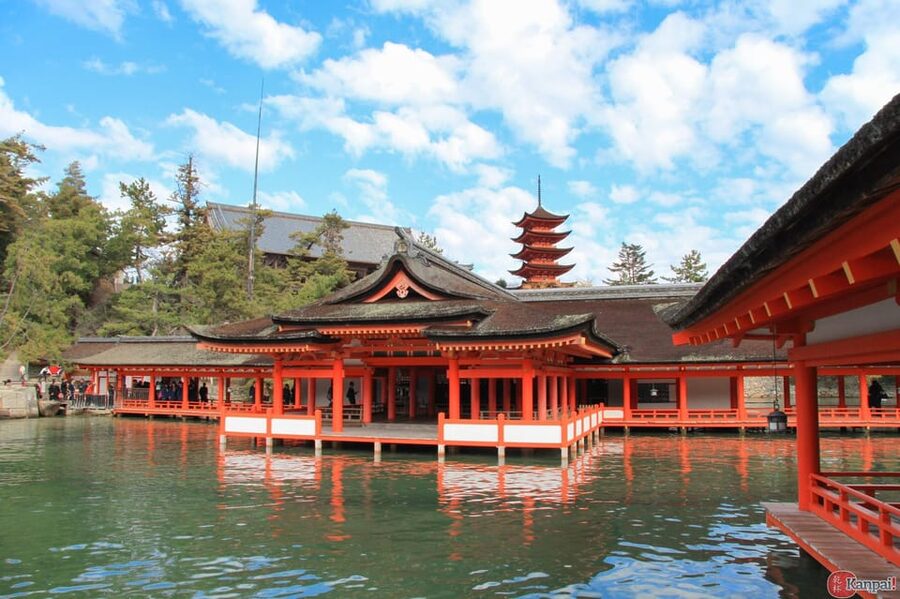
The experience is called a history and hidden-gems tour because it reaches beyond the Peace Park. Hiroshima Castle offers a sharp change of mood and subject.
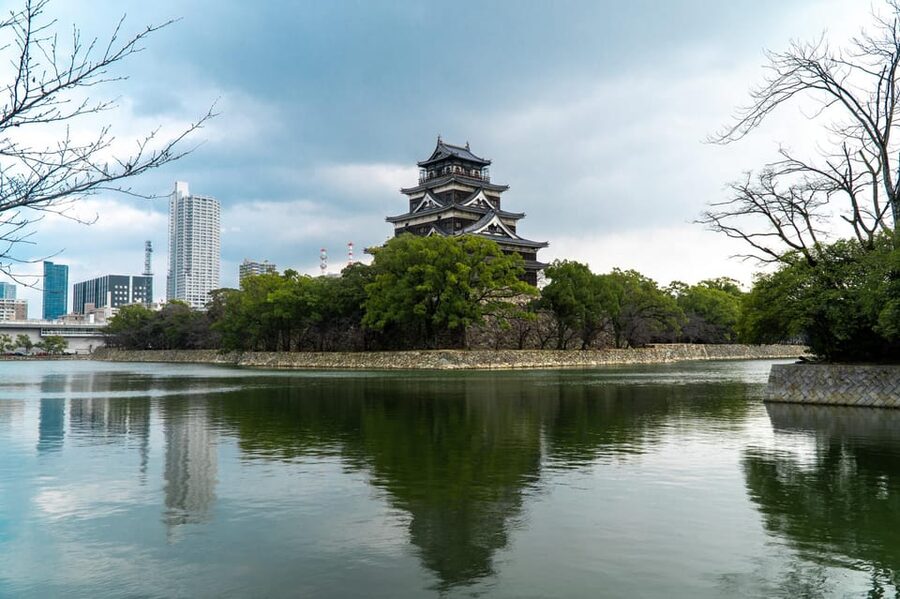
The castle is one of the city’s best-known historic buildings, and its setting helps you see Hiroshima as more than the site of one terrible event. The experience information says you can go inside to view its displays rather than waiting outside in line. The castle section is especially useful if you want older Japanese history alongside the modern peace message.
The exact amount of time here can vary. A three-hour schedule is tight if you want a long museum visit, the complete Peace Park route, the castle interior, and the garden. Some groups have spent longer than planned, while others have shortened one section to fit their schedule.
If Hiroshima Castle is a priority, tell Awais at the start. The tour is designed to adapt, but it cannot give every location unlimited time.
Shukkeien Garden, a quiet change of pace
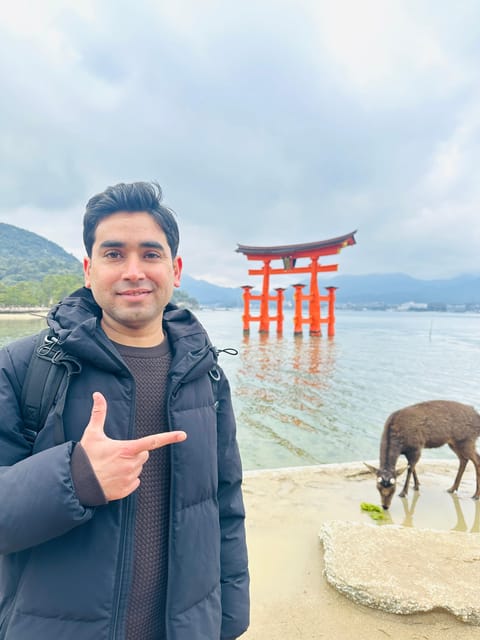
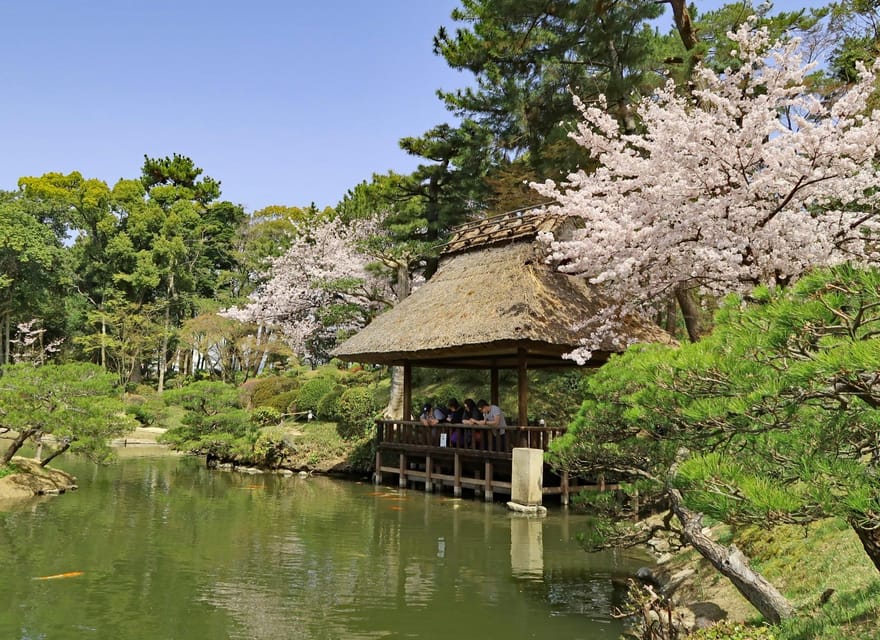
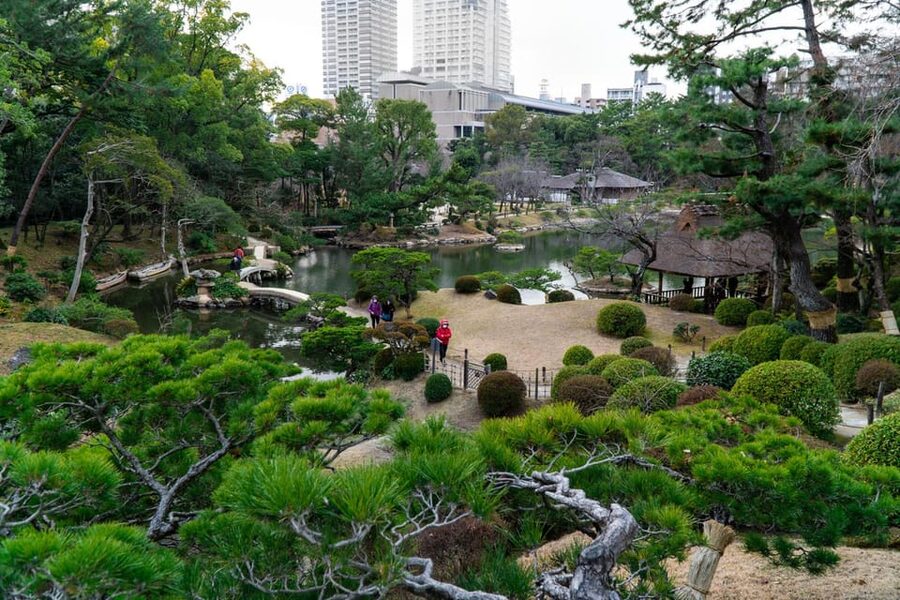
Shukkeien Garden is described as a sixteenth-century garden and one of Hiroshima’s oldest. It offers a very different way to understand the city, through Japanese garden design, changing views, and careful architecture.
I like this addition because it prevents the tour from becoming only a wartime memorial visit. After the intense material of the museum and park, the garden gives you a calmer place to consider Hiroshima’s older identity and its present-day recovery.
The garden was a highlight for some people, particularly those who enjoy architecture and landscaped spaces. You can expect your guide to point out features that may not mean much at first glance and to explain how the garden connects to the city’s past.
Again, time is the issue. Shukkeien Garden appears among the possible end points, with drop-off at either the garden or the Peace Memorial Museum. If you want to explore the garden slowly, treat the three-hour duration as a minimum guide rather than a hard promise.
A flexible route that responds to real conditions
The route is not rigid, and that is one of its best practical features. Awais has adjusted tours for heavy rain, shortened museum visits, changed the route for people who had already seen the Hall of Remembrance, and offered taxi options for those who did not want to walk the entire distance.
That flexibility does not mean the tour lacks structure. The sequence still moves logically from the museum to the park, memorials, dome, castle, and garden area. It simply allows the guide to change the balance.
Bring comfortable shoes. You should also carry a hat, sunscreen, and clothing suited to the forecast. Rain can make the exposed park less pleasant, although the guide has been attentive about finding shelter and helping people stay comfortable.
The activity is marked wheelchair accessible, but the route includes several outdoor stops and a fair amount of movement. If you use a wheelchair or have limited stamina, contact the provider ahead of time and discuss which sections you most want to see.
How much walking and time should you expect?
The advertised duration is three hours. That is enough for a strong overview, but not necessarily enough for a leisurely visit to every stop.
You will walk through the museum area, Peace Memorial Park, and nearby city streets. Several people appreciated the walking pace, while others noted that the experience lasted longer than three hours when the guide stayed to answer questions or show additional sights.
Think of the tour as an orientation and interpretation service, not a slow museum day. You will get more from it if you arrive ready to walk and accept that some places may receive only a short explanation.
If your schedule is strict, mention that before setting off. The guide has shown a willingness to finish on time or shorten sections, but you should not plan another tight appointment immediately afterward.
The $57 price and what you receive
At $57 per person, this is not the cheapest way to walk around Hiroshima. You can enter the park on your own and read the signs without paying for a guide.
The value comes from the connections. Awais can explain why a modest monument matters, put the bombing into historical context, answer questions in real time, and point out places you might otherwise miss. For a first visit, that can make the difference between seeing Hiroshima and understanding it.
The price also makes more sense if you are traveling with a partner or small group and want a personalized route. Several bookings effectively became private or near-private walks when only a few people joined. That can make it easier to ask sensitive questions and adjust the pace.
Admission details deserve a quick check before payment. The advertised inclusions are the Hiroshima historical tour and an English-speaking guide, while the activity also promotes skip-the-line access. Confirm whether museum, castle, or garden entry is included in your specific booking.
Free cancellation up to 24 hours before the start and a reserve-now, pay-later option add useful flexibility. Those terms matter in Japan, where weather and train plans can change quickly.
Who should book this experience?
I would recommend it to first-time visitors who want a clear introduction to Hiroshima’s memorial sites. It is also a good fit if you prefer conversation and explanation to reading every sign alone.
History-minded visitors will get the most from it, but you do not need specialist knowledge. The guide explains the basics and makes room for questions about culture, architecture, and modern Hiroshima.
Families with older children and teenagers may appreciate the flexible pacing. The subject is serious, so parents should decide how much museum material is suitable for their children.
This is less ideal if you dislike walking, want a completely silent museum visit, or already know Hiroshima very well. Independent visitors who prefer to set their own pace may find the $57 guide fee unnecessary, especially if they plan to spend half a day inside the museum alone.
Booking tips for a better morning or afternoon
Choose weather-appropriate clothing and arrive ready for outdoor walking. Summer heat, rain, and tired feet can all affect the experience, so tell Awais early if you need more breaks.
If you have already visited one of the memorial sites, say so. The route can be reshaped around what still matters most to you.
Ask about the castle and Shukkeien Garden at the beginning, particularly if they are high on your list. A three-hour walk has limits, and the guide needs to know where you want to spend your time.
Finally, leave space after the tour for lunch, further museum time, or additional city exploring. Awais often provides suggestions for the rest of the day, and the route itself may take longer if you stop for questions or photos.
Should you book the Hiroshima History and Hidden Gems Tour?
Book it if you want Hiroshima’s major memorials explained in a thoughtful order, with a guide who can adapt to your interests, weather, and walking pace. The combination of the Peace Memorial Museum, park monuments, Atomic Bomb Dome, castle, and Shukkeien Garden gives you a fuller view of the city than a memorial-only visit.
At $57, the tour earns its price through interpretation and flexibility, not through transport or luxury. You will walk a lot, face difficult subject matter, and may need more than three hours if you want to linger.
For a first Hiroshima visit, I think it is a strong choice, especially if Awais is your guide. If you already have a detailed plan and prefer complete independence, visit the sites on your own and spend the money on extra museum time instead.
FAQ
Where does the tour begin?
The tour begins at the Hiroshima Peace Memorial Museum. You can also choose a different meeting point by arranging it with the provider.
How long does the tour last?
The advertised duration is three hours. It may take longer if you spend extra time at the museum, ask many questions, or add more time at the castle and Shukkeien Garden.
What language is the tour offered in?
The tour is conducted in English by a live English-speaking guide.
Which major sites are included?
The route includes the Hiroshima Peace Memorial Museum, Peace Memorial Park, Hiroshima National Peace Memorial, Children’s Peace Monument, Atomic Bomb Memorial Burial Mound, Aioi Bridge, Korean Atomic Bomb Victims Cenotaph, and Atomic Bomb Dome. Hiroshima Castle and Shukkeien Garden are also part of the planned experience.
Is the tour wheelchair accessible?
The activity is listed as wheelchair accessible. Because the route includes outdoor walking and several stops, discuss your needs with the provider in advance.
Is admission included in the price?
The stated inclusions are the Hiroshima historical tour and English-speaking guide. Skip-the-ticket-line access is advertised, but you should check your booking details for specific museum, castle, or garden admission arrangements.
What should I bring?
Bring comfortable shoes, a hat, sunscreen, and clothing suited to the weather.
Can the itinerary be changed?
Yes. The guide can adjust the route for weather, walking pace, previous visits, group interests, and the amount of time you want to spend in the museum.
Can I cancel the booking?
You can cancel up to 24 hours in advance for a full refund. A reserve-now, pay-later option is also available.
Just added around Hiroshima
- The Peace Memorial to Miyajima : Icons of Peace and Beauty★ 4.5 · 31 reviews
- Shore Excursion from Hiroshima Port : Private Tour in Hiroshima★ 5.0 · 17 reviews
- Hiroshima Saijo Sake Tasting Tour with visit to 7 Breweries★ 5.0 · 104 reviews
- Hiroshima & Miyajima All-Inclusive Tour w/Licensed guide Pancho★ 5.0 · 54 reviews
- Hiroshima Country Cycling: Explore Rural Life 1 HR from City★ 5.0 · 22 reviews
- Okunoshima Rabbit Island Cycling Tour with Local Guide★ 4.5 · 17 reviews
- Private Full Day Hiroshima Tour★ 4.5 · 29 reviews
- Cultural Activities :Kimono, tea ceremony, Calligraphy and Amulet★ 5.0 · 44 reviews
Hiroshima Tours, compared.

Peaceful Hiroshima & Miyajima UNESCO 1 Day Bus Tour
Read our review →
Hiroshima and Miyajima UNESCO Sites 1-Day Tour
Read our review →
Hiroshima Historical Walking Tour – Why A-Bomb was Dropped
Read our review →
Hiroshima Peace (Heiwa) Walking Tour at World Heritage Sites
Read our review →
Hiroshima in a Nutshell: Morning Bike Adventure
Read our review →
Hiroshima City 4hr Private Walking Tour with Licensed Guide
Read our review →

Japanesel Archery Experience HIROSHIMA CASTLE SHARAKU
Read our review →Browse the lists this tour appears in