
Reviewed · KYOTO TOURS
Kyoto: Private Tour with Local Licensed Guide
Kyoto rewards a good plan, and this private walking tour gives you one without forcing you into somebody else’s schedule. You can spend four to eight hours with a licensed local guide, choosing classic sights such as Fushimi Inari, Kiyomizu-dera, and Kinkakuji, or ask your guide to shape the day around your interests.
I like the one-to-one attention and the practical help with buses, trains, walking routes, food, and customs. I also like the range of guides. Kazuo, Yuka, Akira, Noriko, Haru, and others have been praised for clear English, thoughtful pacing, and the ability to adjust plans as the day unfolds.
The main catch is simple: this is a walking tour, not a private car tour. Transport between far-flung sights costs extra, entrance fees are extra, and trying to cram Fushimi Inari, Arashiyama, Kinkakuji, and southern Higashiyama into one day can leave you seeing Kyoto through a blur of train windows.
Key points to know before booking
- Choose two to six sights: A four-hour tour usually covers two or three places, six hours covers three or four, and eight hours covers four to six.
- Pick your guide and route after booking: Your guide contacts you to discuss the plan, and the day can be shaped around temples, food, shopping, gardens, or quieter areas.
- Expect public transport and walking: No vehicle is included. Buses, trains, and local taxis may be used, with fares paid separately in Japanese yen.
- The guides are nationally licensed: Each guide holds Japan’s government certification for tour guides and interpreters.
- The route can change for practical reasons: Guides such as Noriko and Tatsuyo have adjusted plans to avoid traffic or heavy crowds.
- It works best for small private groups: The maximum group size is seven, with hotel or requested station pickup available on foot when practical.
Why a private Kyoto day can save you time
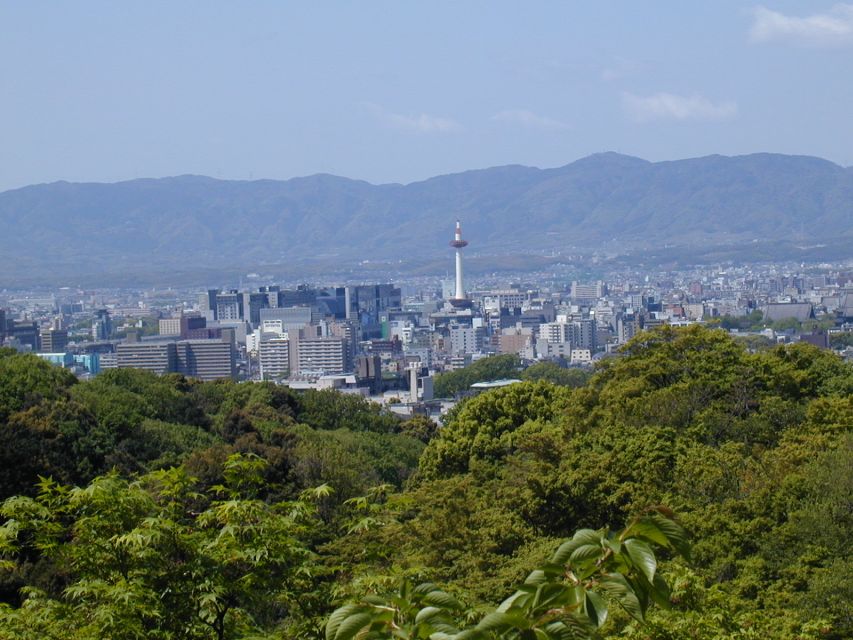
Kyoto’s famous sights are spread across the city. Fushimi Inari is in the southeast. Kinkakuji is in the northwest. Arashiyama lies farther west, while Gion and Kiyomizu-dera sit east of the Kamo River.
On paper, these places look easy to connect. In real life, the city’s buses can be slow, train lines do not go everywhere, and a wrong turn can cost half an hour. A local guide helps you choose a route that fits the clock instead of simply handing you a long wish list.
That practical help is one of the strongest reasons to book. Kazuo has planned complicated transport for a full day, while Ken helped a group work out which bus or train to take and saved them time at each stop. Joji even met a group at the station, helped with train times, and made sure they caught the right train afterward.
You still need to pay for transport, but you are paying for local judgment. For a first Kyoto visit, that can be worth more than a slightly cheaper self-guided day that loses time to navigation.
The private format also lets you set the pace. You can stop for photos, take a coffee break, ask about a custom, or spend longer at a place that catches your interest. Several guides have adjusted plans for children, older family members, rainy weather, and different walking abilities.
More Licensed Guide Tours in Kyoto
- Kyoto 6hr Private Tour with Government-Licensed Guide
★ 5.0 · 1,369 reviews - Kyoto 4hr Private Tour with Government-Licensed Guide
★ 5.0 · 629 reviews - Private Kyoto Tour with Licensed Guide & Vehicle (Max 15 persons)
★ 5.0 · 417 reviews
Picking between four, six, and eight hours
The four-hour option is a good introduction, but you need to keep the route compact. Two or three nearby sights work well. Kiyomizu-dera, Higashiyama, and Gion make a natural half-day, as do Nijo Castle, Nishiki Market, and Pontocho.
A six-hour tour gives you a more useful slice of Kyoto. You might pair Fushimi Inari with Tofuku-ji, or combine Kinkakuji with Ryoan-ji and Ninna-ji. You can also spend time in southern Higashiyama without racing from one landmark to the next.
Choose eight hours if Kyoto is a main purpose of your trip or if you want four to six stops. Even then, be realistic. A long list spread across the city means more transport and less time at each site. I would rather see four places thoughtfully than collect eight entrance stamps.
Contact your guide with a short priority list before the day. Put your must-see site first, then add two or three preferences. Guides such as Mizu, Naoki, Michi, and Noriko have been praised for discussing plans in advance and changing them to suit the group.
An early start is especially sensible for popular places. Tomy recommended starting early to gain time before crowds grow, and Fushimi Inari was already packed at 9:30 in the morning for one group. The exact best start time depends on your route, but early planning matters in Kyoto.
Fushimi Inari and the famous red gate corridor
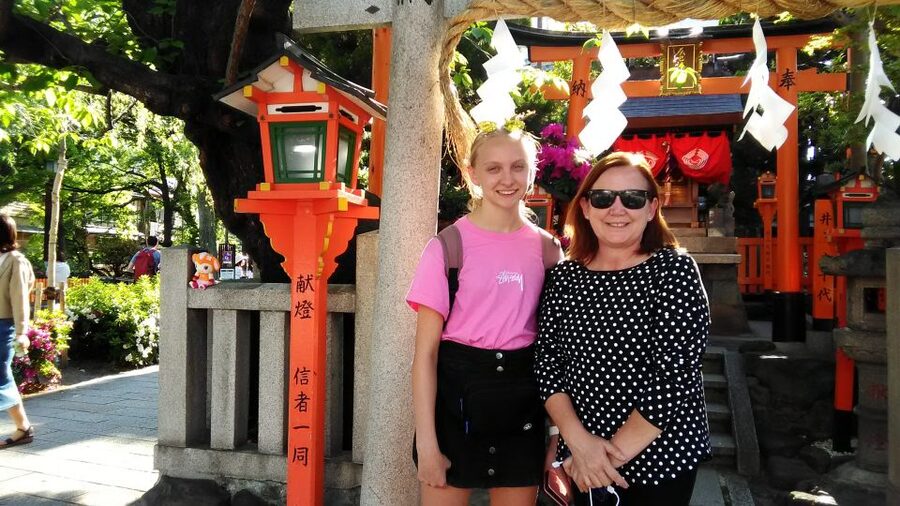
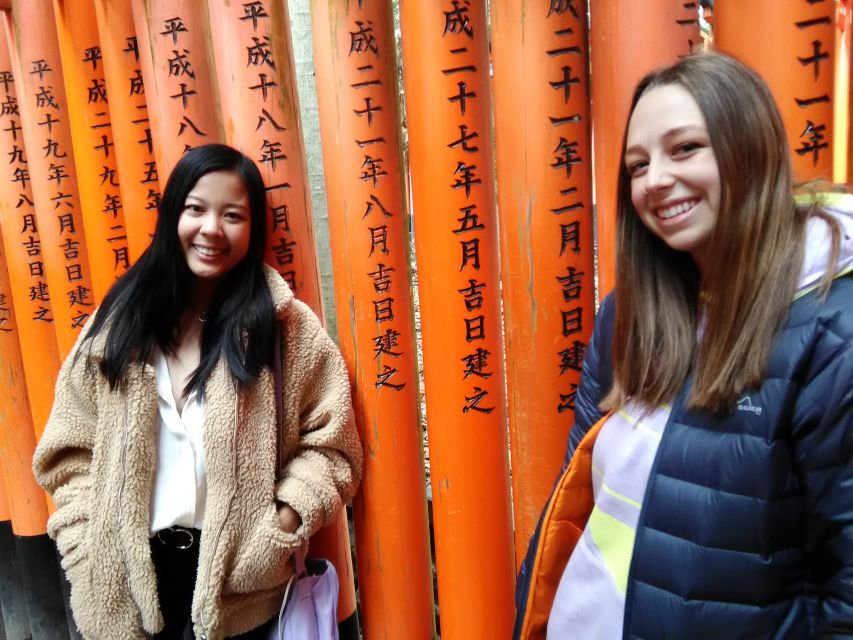
Fushimi Inari-taisha is one of Kyoto’s signature sights. Its long corridor of orange-red torii gates climbs through the wooded slopes behind the shrine, creating the mysterious scene many people recognize from photographs and the film Memoirs of a Geisha.
A guide can explain what the gates represent and show you how the shrine works, rather than leaving you with a pretty walk and no context. Michi, for example, has taught visitors how to pray at shrines and how to have a fortune told.
The key practical point is that Fushimi Inari is not a quick photo stop if you start walking uphill. You can enjoy the lower gate corridor in a shorter visit, but a longer walk takes more time and energy. Discuss your walking plans before the tour, especially if you have children or an older family member.
Pairing Fushimi Inari with nearby Tofuku-ji makes more sense than crossing town immediately. Tofuku-ji is another important temple area, and the two sites fit naturally into a southeastern Kyoto route.
Kiyomizu-dera, Higashiyama, and Gion
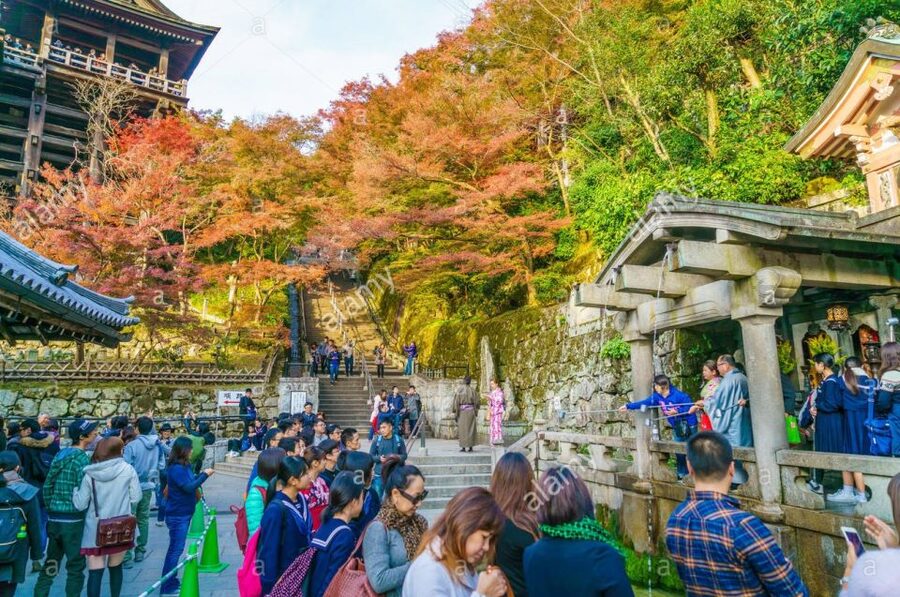
Kiyomizu-dera is a strong choice for a first visit because it gives you both a major temple and a broad view across Kyoto. The large wooden veranda is the visual highlight, but the approach is part of the experience too.
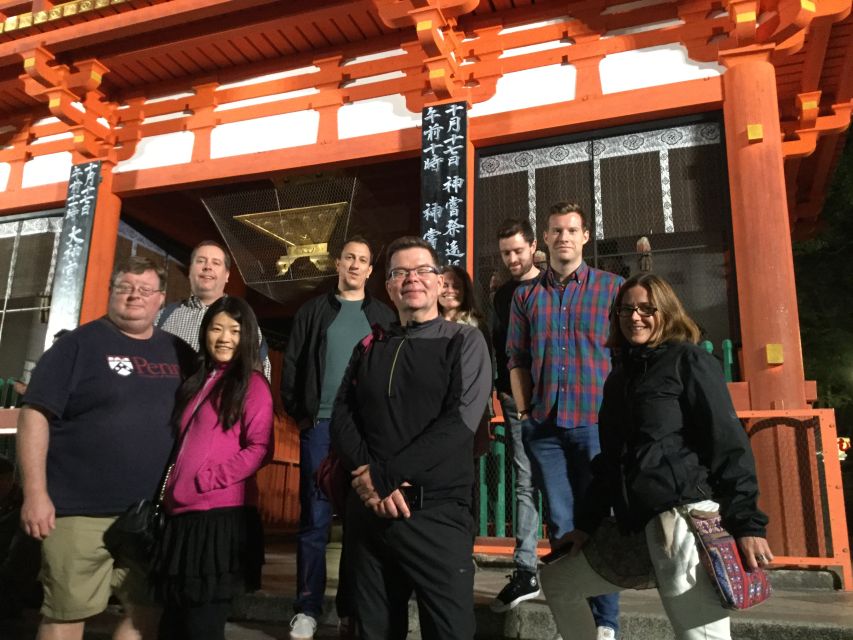
From the temple, you can walk through Higashiyama toward Gion. The route is lined with Kyoto-style shops selling souvenirs, sweets, and other local items. It is attractive, easy to browse, and usually more enjoyable when you have time to stop instead of being pushed along.
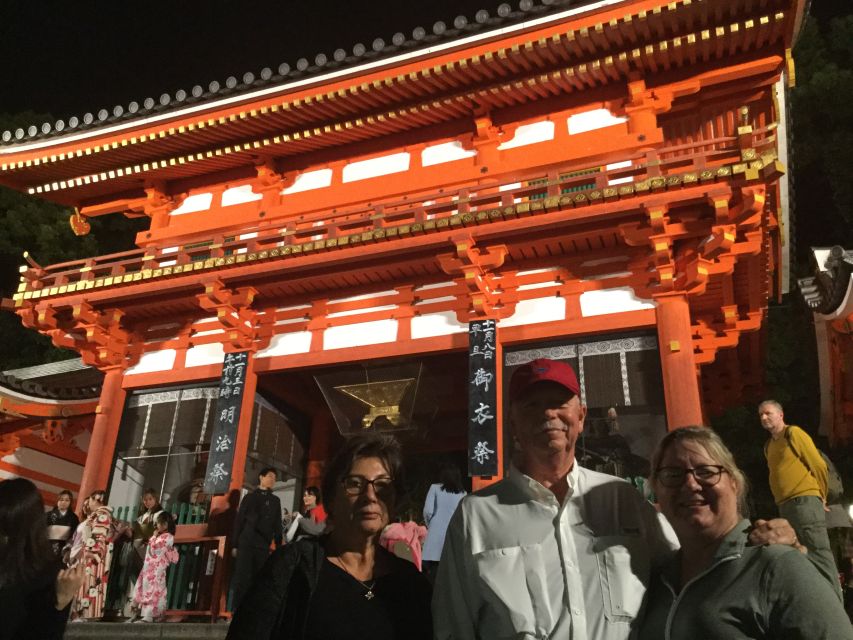
Gion adds a different mood. You can stroll through the traditional district, ask your guide about local customs, and finish with a snack or meal recommendation. One guide helped arrange a sushi restaurant in Gion, while Yasu finished a day with a personal ramen suggestion.
Keep in mind that this area involves slopes, stone streets, and a fair amount of walking. The route is suitable for many visitors, and the activity is wheelchair accessible, but you should still tell the guide about mobility needs when planning the day.
Maruyama Park also fits naturally with this eastern Kyoto route. Pontocho, across the river, is another useful addition if you want evening dining or a look at one of Kyoto’s narrow restaurant lanes.
More licensed-guide days in Kyoto:
- Nara 8hr Private Tour – Kyoto DEP. with Licensed Guide
★ 5.0 · 115 reviews - Kyoto 8hr Private Tour with Government-Licensed Guide
★ 5.0 · 51 reviews - Kyoto Arashiyama & Sagano Bamboo Private Tour with Government-Licensed Guide
★ 5.0 · 49 reviews - Kyoto Early Morning Private Tour with Government-Licensed Guide
★ 5.0 · 23 reviews
Kinkakuji, Ryoanji, and northwest Kyoto
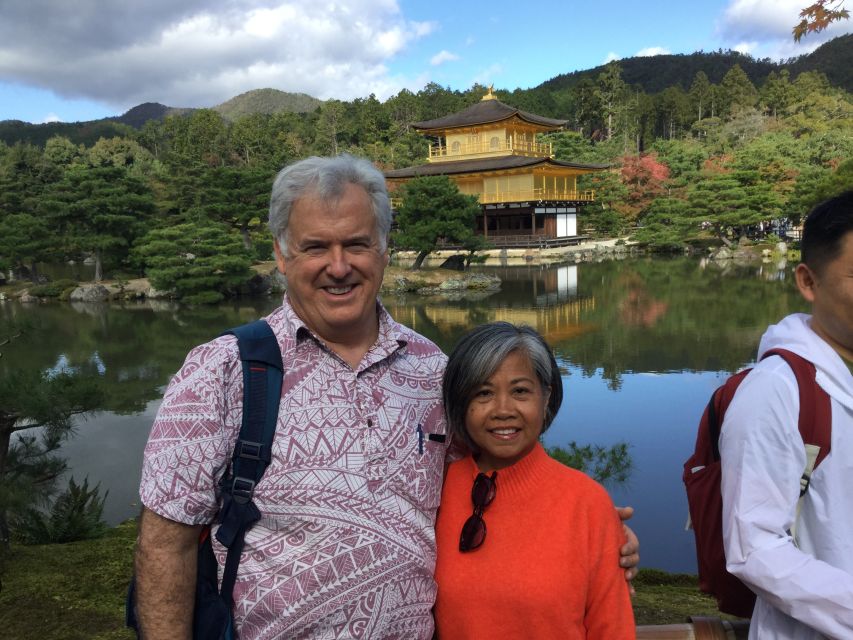
Kinkakuji, the Temple of the Golden Pavilion, is Kyoto’s most instantly recognizable temple. Its gold-covered reliquary hall reflects in the pond, with hills behind it. The setting gives you a powerful image, but the visit is fairly structured: you follow the garden path, stop at viewing points, and continue with the flow of people.
A guide adds value by explaining the building’s religious and historical role and pointing out details you might otherwise pass without noticing. The site can be crowded, so do not expect a quiet private viewing.
Ryoan-ji is a useful companion because its famous rock garden offers a very different experience. Instead of a grand building or long shrine path, you get a restrained space that rewards sitting, looking, and asking questions.
Ninna-ji can also fit this part of the city, while Nijo Castle works better as a separate central Kyoto choice. The six-hour format is often enough for three or four sites in this area, depending on your pace and transport.
For a calmer route, ask about Ginkakuji, Nanzenji Suirokaku, or the Kyoto Imperial Palace. They give you alternatives to the most photographed stops. Tatsuyo adjusted a six-hour plan several times to avoid crowds and include less-visited temples, which is exactly the sort of flexibility this format allows.
Arashiyama and the western temple route
Arashiyama is not one attraction but a large sightseeing area. The Bamboo Forest Street is the famous draw, while Togetsukyo Bridge, Tenryu-ji, Okochi Sanso Garden, Jojakkoji, Nisonin, Gioji, and the two Nenbutsu-ji temples offer more choices.
The benefit of a private guide here is help with selection. You cannot sensibly cover every listed site in a short visit. A guide can help you decide if you want the bamboo walk, a temple garden, a bridge view, or quieter temple grounds.
Arashiyama takes time to reach from central Kyoto, so I would give it a half-day or full-day focus rather than combine it with Fushimi Inari. Trying to do both in four or six hours is a poor bargain unless you only want a brief look at each.
Tenryu-ji and Okochi Sanso Garden are good options if gardens matter to you. Togetsukyo Bridge gives you a scenic stopping point. If you prefer temple architecture and smaller religious sites, Jojakkoji, Nisonin, Gioji, Adashino Nenbutsu-ji, and Otagi Nenbutsu-ji offer a longer western route.
The choices also include Daikaku-ji and Katsura Imperial Villa, though access and timing should be discussed with the guide before you commit to them. Your guide can tell you what fits the allotted hours and transport plan.
Markets, castles, palaces, and local neighborhoods
Nishiki Market is the obvious choice for food, shopping, and a taste of central Kyoto life. You can browse stalls, sample snacks, and ask your guide what you are looking at. It is not a formal meal, and some visitors may find the narrow market walkway crowded.
Nijo Castle gives you a strong look at Kyoto’s political past and works well for travelers who want more than temples. Kyoto Imperial Palace offers another historic setting in the city center. Pontocho and Gion are better for restaurants and evening atmosphere.
The list also reaches beyond central Kyoto. Toji, Byodoin Temple, Shugakuin Imperial Villa, Kibune River, and Yoshimine-dera each create different route demands. Byodoin in Uji, for example, should not be treated as a quick add-on to a packed central Kyoto schedule.
I like that the tour does not force every group into the same famous circuit. You can focus on religion, architecture, gardens, food, shopping, photography, or a mix. Just be clear about your priorities before the guide begins planning.
What the guides add beyond directions
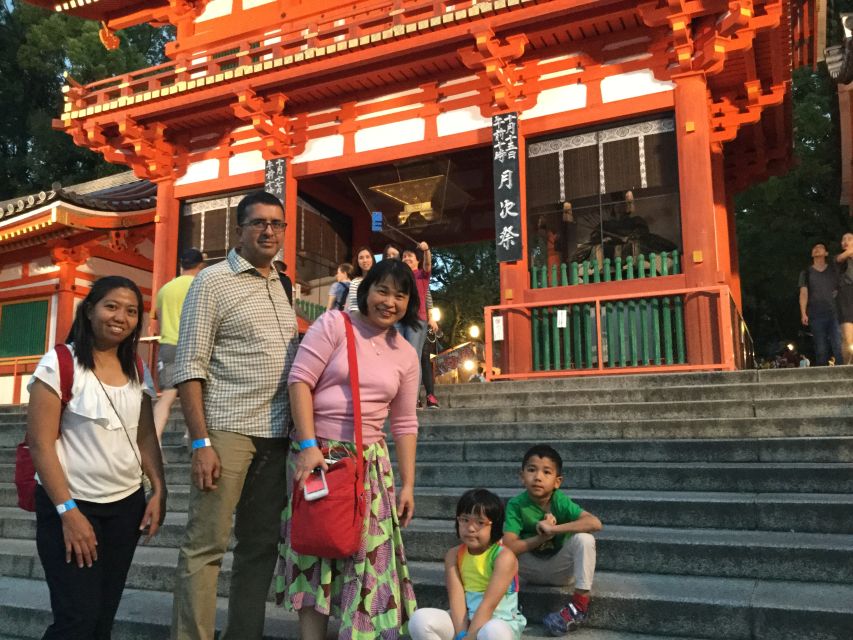
The best part of this experience is not simply finding the right bus. It is having someone explain why a place matters and how to behave there.
The guides hold Japan’s national Tour Guide-Interpreter certification, which requires study of Japanese culture and history. That does not mean every guide will teach in the same style, but the certification gives you a solid baseline.
The individual guides bring different strengths. Kazuo has been praised for detailed planning, strong English, and stories prepared for specific stops. Yuka has been described as warm, patient, and attentive to family needs. Akira has provided clear site information and modern cultural context.
Noriko has adjusted routes to avoid traffic and crowds. Haru has been praised for careful organization and fitting requested sights into the available time. Yuri brought a handmade book, wrote Japanese for a group, and explained each destination patiently.
These details matter because a private tour depends heavily on the person assigned to you. You can request a style or interest, but a particular guide may not always be available. Send useful information in advance: your walking comfort, must-see places, food interests, children’s ages, and any mobility concerns.
Price, extra costs, and the real value
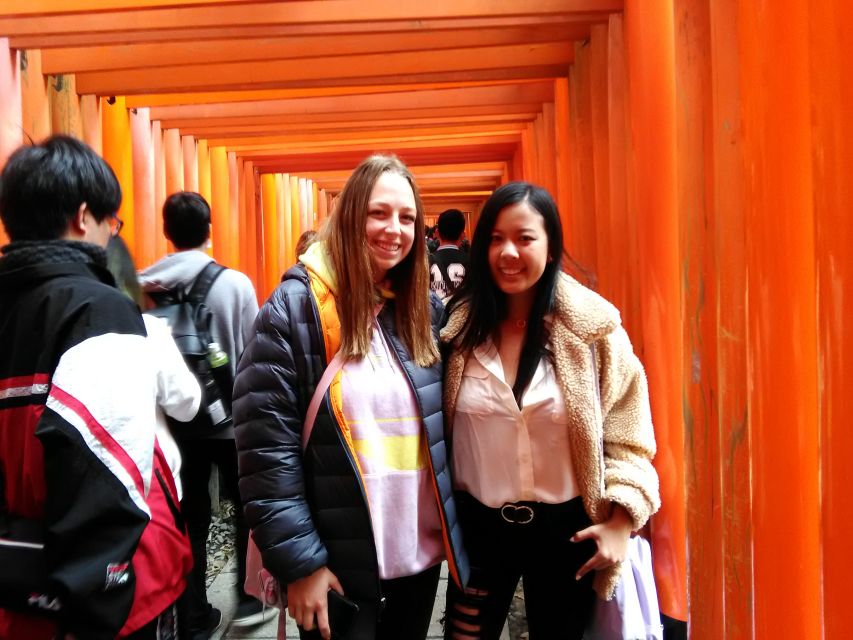
At $106 per person, the price is easiest to judge by group size and tour length. For one person, it is a substantial guiding fee. For a private group of two to seven, the cost becomes more reasonable, especially on a six or eight-hour day.
The fee covers your private guide and personalized walking tour. It does not cover food, drinks, entrance fees, or transport. You should carry Japanese yen for buses, trains, or taxis. A private vehicle is not included, though one can be arranged separately with at least five days’ notice.
The value is strongest if you have limited time, feel unsure about Kyoto’s transport, or want cultural explanations rather than a quick checklist of sights. It is weaker if you enjoy planning routes yourself and prefer to visit one or two places slowly without a guide.
A guide can also save money indirectly by preventing bad route choices, but do not treat that as guaranteed savings. You still pay admissions and fares, and a private tour is not a budget sightseeing bus.
Comfort, weather, and booking details
The tour runs rain or shine, so bring suitable clothing and shoes. Since the day includes walking and may include temple approaches, markets, slopes, and transit connections, comfort matters more than dressing up.
Pickup is included from your accommodation on foot when it is within a reasonable distance. Your guide can also meet you at a requested train station. The guide waits in the hotel lobby or station ten minutes before the scheduled pickup time.
The tour is private, limited to seven people, and available in English or Japanese. It is listed as wheelchair accessible, but the exact route should be discussed ahead of time because Kyoto’s historic areas do not all offer the same surfaces or access.
Your booking is not final until the guide contacts you. Most guides make contact within seven days, and the provider reaches out to confirm the logistics. You can cancel up to 24 hours before the start for a full refund, and reserve now while paying later.
Who should book this Kyoto tour
I would choose this tour for a first visit, a short stay, or a family group that wants help managing a full sightseeing day. It is also a smart choice if you want to combine famous sights with food advice, shopping, shrine customs, or less visited temples.
It suits curious visitors who ask many questions and people who want a route adjusted around their energy. The private setting makes it easier to stop for photos, take a break, or change plans when the weather or crowds turn against you.
I would skip it if you want a fixed-price experience with transport and admissions included. I would also think twice if your plan is only one central temple and a nearby neighborhood. In that case, self-guided sightseeing may be simpler and cheaper.
Should you book it?
Book this private Kyoto tour if you want a local guide to make sense of a complicated city and shape the day around you. Choose six hours for a balanced first look, four hours for one compact area, and eight hours for a serious sightseeing day.
Send a realistic priority list, start early when possible, and keep transport money in yen. With those expectations, the combination of licensed guidance, flexible routing, and small-group attention offers strong value, especially for two or more people sharing the cost.
FAQ
How long is the Kyoto private tour?
You can choose a four, six, or eight-hour tour. A four-hour visit generally covers two to three places, six hours covers three to four, and eight hours covers four to six.
Which Kyoto sights can I choose?
The options include Fushimi Inari, Nijo Castle, Gion, Nishiki Market, Kiyomizu-dera, Kyoto Imperial Palace, Pontocho, Higashiyama, Ginkakuji, Nanzenji Suirokaku, Tofuku-ji, Toji, Kinkakuji, Ninna-ji, Shugakuin Imperial Villa, Kibune River, Ryoan-ji, Arashiyama, Katsura Imperial Villa, Daikaku-ji, Tenryu-ji, Yoshimine-dera, Togetsukyo Bridge, Bamboo Forest Street, Okochi Sanso Garden, Jojakkoji, Nisonin, Gioji, Adashino Nenbutsu-ji, Otagi Nenbutsu-ji, Byodoin, and Maruyama Park.
Is transportation included?
No. This is a walking tour, and public transport or local taxis may be used between sites. Transport costs are paid separately, so carry Japanese yen.
Is a private vehicle included?
No private vehicle is included. You can contact the provider to arrange one, but private vehicles must be booked at least five days ahead.
Can the tour be customized?
Yes. You can tell the guide which sites and interests matter to you, and the route can be adjusted for your preferences, walking needs, weather, traffic, and crowd levels.
Is the tour available in English?
Yes. Live guiding is available in English and Japanese. All guides hold Japan’s nationally licensed Tour Guide-Interpreter certification.
Just added around Kyoto
- Kyoto: Zen Meditation at a Private Temple with a Monk★ 5.0 · 25 reviews
- Kyoto: Gion Geisha District & Sake-in-Hand Walking Tour★ 5.0 · 37 reviews
- Private Pewter Sake Cup Experience with a Kyoto Artisan★ 5.0 · 31 reviews
- Your Private Vacation Photography Session In Kyoto★ 5.0 · 110 reviews
- Private Guided Traditional Buddhist Cooking in Japan★ 5.0 · 16 reviews
- Kyoto Wagashi(Japanese sweets) Cooking Class near Fushimiinari★ 5.0 · 60 reviews
- Traditional Japanese Music show & Experience Tour in Kyoto★ 5.0 · 57 reviews
- Kyoto:Family-Friendly Kimono & Yukata Experience at WARGO★ 5.0 · 147 reviews
Kyoto Tours, compared.
Fushimi Inari, Kinkakuji, Bamboo Grove 1 Day Bus Tour
Read our review →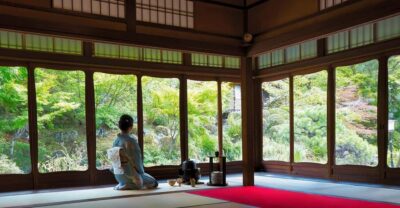
Tea Ceremony in a Traditional Tea House in Kiyomizu
Read our review →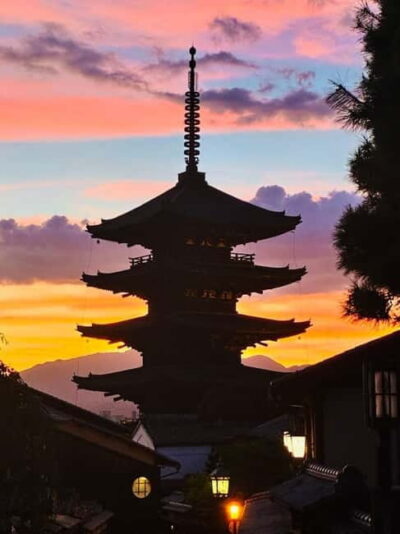
Kyoto Geisha Walking Tour: Gion District & Hidden Gems
Read our review →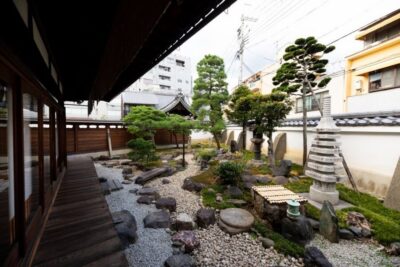
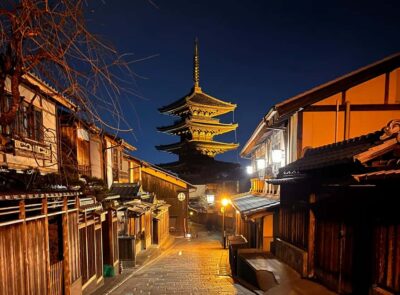
Gion Magical Night Walking Tour with Geisha Trivia
Read our review →
Gion Geisha District Walking Tour – Stories of Geisha
Read our review →Browse the lists this tour appears in