
Reviewed · KYOTO TOURS
Near Fushimiinari: Kyoto Home Cooking Class & Supermarket tour
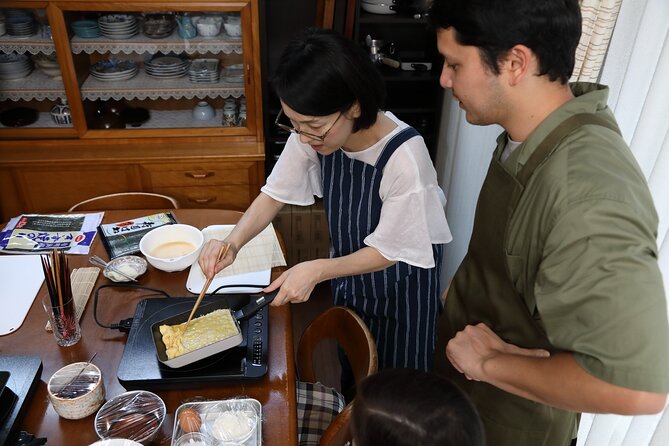
The best part of this Kyoto experience is that you do not simply watch a chef work. In Miho’s traditional Japanese home, you learn about dashi, prepare roughly five dishes yourself, then sit down to eat in a tatami room with a garden view. The short supermarket visit afterward turns a pleasant meal into something you can repeat at home.
I like the small maximum of six people, which leaves room for questions and hands-on work. I also like the practical supermarket tour, since Japanese labels and unfamiliar ingredients can make even a simple grocery trip confusing. The main consideration is the price, about $118.92 per person, which is a serious sum for a four-hour class and lunch.
Key points to know
- Learn dashi first: The class begins with Japan’s basic soup stocks, which are used in many everyday dishes.
- Cook about five dishes: You receive demonstrations, then prepare food alone or with a partner.
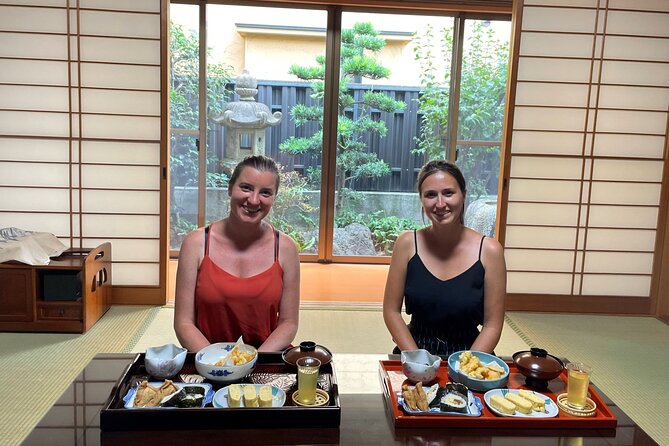
- Eat in a traditional room: Lunch is served on tatami with a view of a Japanese garden.
- Shop for what you cooked: A roughly 30-minute supermarket visit shows you where to find the same ingredients.
- Miho teaches in clear English: The instructors are licensed guide interpreters, so explanations cover both cooking and food customs.
- Keep the group intimate: No more than six people take part, a useful size for asking questions.
A Kyoto cooking class inside a real Japanese home
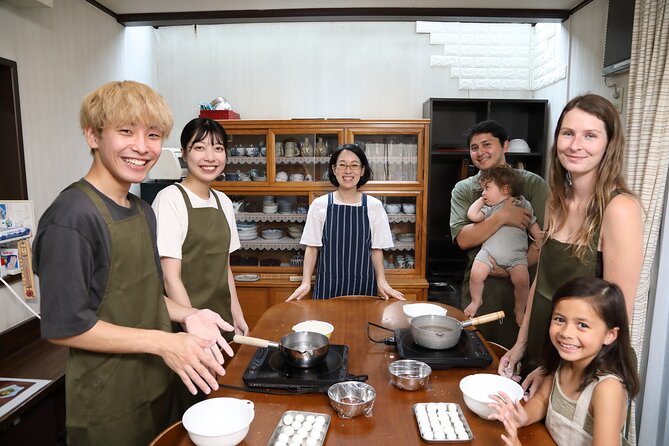
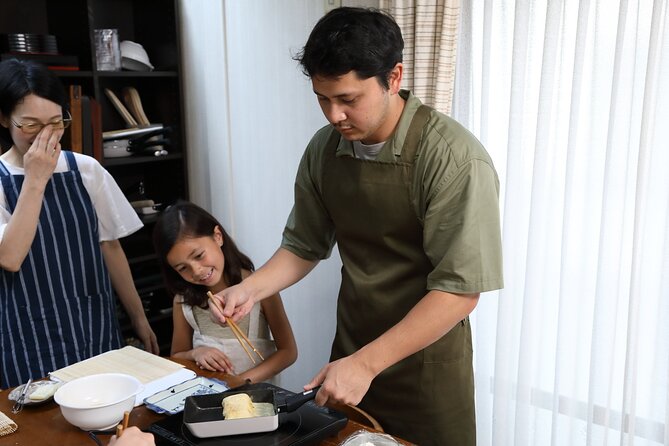
This class takes place at 38-4 Fukakusa Watamoricho in Fushimi Ward, close to Fushimi Inari Shrine. The setting matters. You are not in a large teaching kitchen designed for crowds, but in a local home with a traditional room, tatami flooring, a tokonoma display area, and a garden view.
That setting gives the class a cultural layer that a standard restaurant lesson cannot provide. You see how the meal fits into a Japanese domestic space, then move into the kitchen to prepare it. The experience is still structured, but it feels personal rather than staged for a large audience.
Miho is the instructor most closely associated with the class. She teaches in English and is described as friendly, clear, and patient. Since the instructors are licensed guide interpreters, you can expect explanations about Japanese food and customs as well as instructions about cutting, seasoning, and cooking.
The meeting time is 9:30 a.m., and the activity lasts about four hours. That makes it a morning-to-early-afternoon plan, with lunch as the centerpiece. It also fits neatly before or after more sightseeing around Fushimi Inari, though you should allow time to reach the meeting point and avoid booking another fixed appointment immediately afterward.
More cooking classes in Kyoto:
- Ramen Cooking Class at Ramen Factory in Kyoto
★ 5.0 · 1,937 reviews - Kyoto: Ramen Cooking Class at a Ramen Factory with Souvenir
★ 4.9 · 532 reviews - Kyoto: Ramen, Gyoza, and Onigiri Cooking Class
★ 5.0 · 445 reviews
Why dashi is the right place to begin
The first lesson focuses on dashi, the soup stock used throughout Japanese cooking. This is a smart starting point because dashi is not just one recipe. It is a building block that helps explain the flavor of miso soup, simmered foods, and other Japanese dishes.
For you, the value is less about memorizing a single formula and more about learning why Japanese food can taste full and savory without heavy sauces. The class introduces different kinds of dashi, giving you a useful base for understanding the dishes that follow.
The exact dishes can vary, but the class has included miso soup, sushi, spinach salad, tempura, and mochi. That is a lively mix of techniques. You may work with soup stock, rice, vegetables, batter, and dessert in one morning, rather than spending four hours on a single elaborate dish.
The range also helps you judge the class realistically. This is an introductory home-cooking lesson, not professional culinary training. You will learn useful methods and flavor principles, but the pace must cover several dishes within the available time.
Cooking five dishes with a partner or on your own
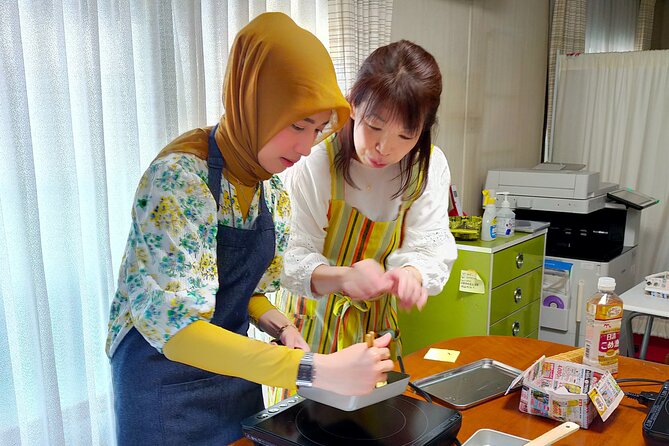
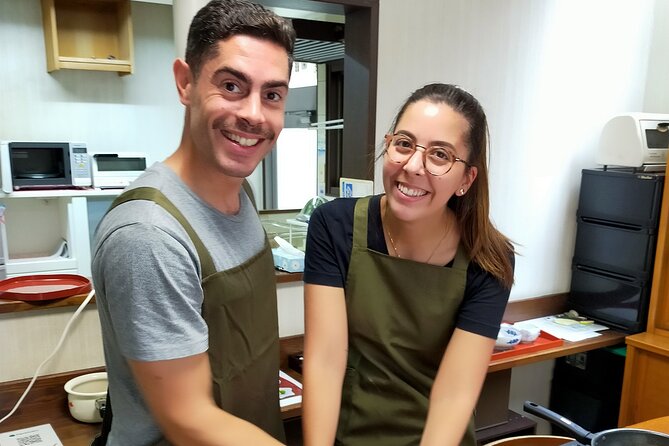
After the demonstrations, you prepare about five dishes either independently or with another participant. The instructor shows you how a dish is made, then guides you as you work. A small group of six or fewer is especially helpful here, since cooking mistakes are easier to spot and questions do not have to compete with a crowd.
You should expect hands-on participation rather than a passive demonstration. The class is designed to teach techniques you can use later, and recipes are provided so you can recreate the meal for family and friends.
Some dishes are particularly well suited to this format. Miso soup teaches the role of dashi and seasoning. Sushi introduces rice and simple assembly. Tempura gives you a look at batter and frying. Spinach salad shows how a few ingredients can be shaped by Japanese seasoning. Mochi adds a fun finish, and one class format has included mochi ice cream.
The food sounds varied, but do not expect a restaurant tasting menu. The aim is simple, authentic home cooking. That is a strength if you want practical food for your own kitchen. It may feel less exciting if your main goal is advanced knife work or highly refined presentation.
Vegetarians can be accommodated, according to the experience details. If this matters to you, raise it when booking so the instructor has clear information before the class. Drinks are not included, so plan to purchase those separately if you want something beyond the included meal.
Lunch on tatami beside a Japanese garden
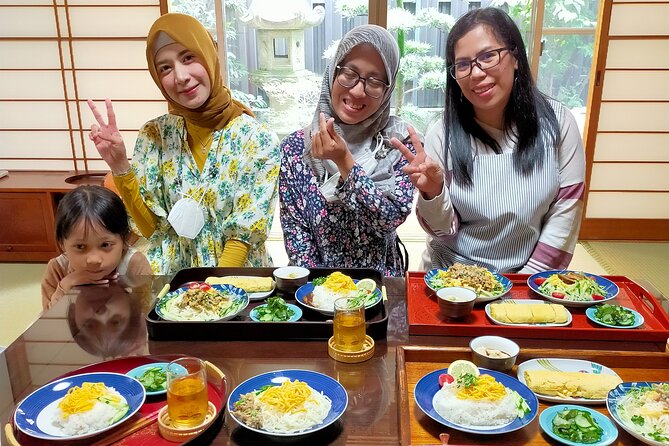
Once the cooking is finished, you eat the dishes together in the traditional room. Sitting on tatami and looking toward the garden changes the pace of the morning. You are no longer rushing from one task to the next. The meal becomes a chance to discuss the food and compare what you have prepared.
This is one of the more memorable elements for me because the room gives context to the cooking. The food is not detached from Japanese daily life. You see it served in a domestic setting, with the kind of calm atmosphere that many visitors hope to find in Kyoto.
The meal is included in the price, along with ingredients, seasonings, taxes, and the English-speaking instructor. You will need to pay separately for drinks and gratuity. Since the class includes lunch rather than only a lesson, it can replace one paid meal during the day, though that alone does not make the cost inexpensive.
The wording around the meal can be a little confusing because some descriptions refer to dinner, while the scheduled start is 9:30 a.m. Plan on a lunch experience. The class begins in the morning and returns to the meeting point after the supermarket visit.
More hands-on workshops in Kyoto:
- Kyoto: 45-Minute Tea Ceremony Lesson Experience
★ 4.3 · 2,378 reviews - Kyoto : Chopsticks Making Workshop in Gion with Engraving Option
★ 5.0 · 958 reviews - Kyoto: Samurai Sword Class by Experts in Traditional Arts
★ 4.9 · 657 reviews - Ninja 1-hour Hands-on Lesson by Japanese master in Kyoto -Entry
★ 5.0 · 489 reviews
A 30-minute supermarket lesson that earns its place
After lunch, you walk to a local supermarket for about 30 minutes. This may sound like a small add-on, but it is one of the most useful parts of the experience.
Japanese supermarkets can be difficult to read at first. Packaging, cuts of fish, types of miso, soup-stock products, and unfamiliar vegetables are not always obvious to someone visiting from abroad. Miho explains the ingredients used in class and helps you identify what to buy.
The timing also makes sense. You have just cooked the food, so you can connect each ingredient with the dish where it appeared. If you want, you can buy supplies to make the recipes at home.
This visit is not a full market tour or a long food-shopping excursion. Thirty minutes is enough for orientation, not for browsing every aisle. Still, it adds practical value that many cooking classes leave out. You leave with a better idea of what to look for, rather than only a recipe and a pleasant memory.
The traditional setting is part of the value
At about $118.92 per person, this is not a budget meal or a quick demonstration. I would judge the price by the complete package: roughly four hours, lunch, ingredients, seasonings, instruction, a traditional home setting, recipes, and the supermarket visit.
The strongest value comes if you want several things at once. You receive cultural background, active cooking time, a meal, and help navigating Japanese ingredients. A private lesson would normally offer more individual attention, but this class keeps the group to six, which gives you a good middle ground between personal instruction and a chance to meet other people.
Solo visitors may find the format especially useful. The shared meal and small group create natural opportunities to talk without the forced feeling of a large social tour. Couples and families can also enjoy it, especially if they want an activity that includes food but is more involved than eating at a restaurant.
The price is harder to justify if you are mainly looking for lunch. Kyoto offers many less expensive meals, and the class does not include hotel transport or drinks. You are paying for access to the home setting, instruction, recipes, and guidance through the supermarket.
Getting there and planning your morning
The meeting point is near public transportation and close to Fushimi Inari Shrine. The exact address is 38-4 Fukakusa Watamoricho, Fushimi Ward, Kyoto, 612-0022. Check your route carefully and allow extra time, since arriving late could cut into the cooking portion.
The activity begins at 9:30 a.m. and ends back at the meeting point. That return is convenient if you are using the class as part of a Fushimi Inari day. You can visit the shrine before or after, but avoid assuming you can complete a long shrine visit and still arrive relaxed for the class.
You receive confirmation at booking, and the ticket is mobile, so you can keep the booking on your phone. Free cancellation is available if you cancel at least 24 hours before the start time. Changes or cancellations inside that window are not accepted for a refund. The experience also requires good weather, with a different date or full refund offered if poor conditions cause cancellation.
The supermarket portion is the part most affected by weather, but the activity is presented as a weather-dependent experience overall. Keep that in mind when building a tightly scheduled Kyoto itinerary.
Who will get the most from this experience
I would choose this class if you want to understand Japanese food from the inside out. It suits people who enjoy learning by doing, especially those who want recipes and techniques they can use after returning home.
It is also a good match for:
- Solo visitors who want a small, social activity
- Couples seeking a cultural experience near Fushimi Inari
- Families who want children or relatives to take part in meal preparation
- Home cooks curious about dashi, miso, sushi, tempura, and mochi
- Vegetarians who arrange their dietary needs in advance
- Visitors who find Japanese supermarkets confusing
I would think twice if you dislike sitting on tatami, want a luxury dining experience, or prefer a fast tour with little participation. The class is about home cooking, not high-end cuisine. You also need to be comfortable spending much of the morning in one home kitchen.
The English instruction is a major advantage. Miho’s clear explanations make it easier to ask about techniques and ingredients, and the format is intended to work for English and non-English speakers. Still, the class is conducted in English, so you should be comfortable following spoken instructions in that language.
What makes the experience memorable
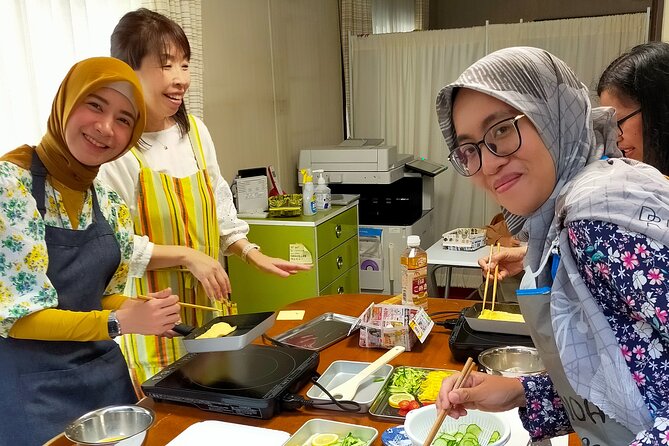
The most praised elements are consistent: Miho’s warm teaching style, the clarity of her explanations, the clean traditional house, and the chance to cook several dishes rather than watch from the side. The supermarket guidance receives special attention because it solves a real problem for visitors.
I also like that the class does not stop at food preparation. You learn how the meal fits into a Japanese home, eat in a room with a garden view, and then see the ingredients in their everyday shopping environment. Those links make the experience feel grounded.
The recipes are important, too. A cooking class can be enjoyable for one morning and then disappear from your memory. Recipes give you a way to repeat the dishes and share them with friends or family. The class has also included useful small details, such as mochi preparation, that add variety without turning the morning into a formal culinary course.
Should you book the Kyoto home cooking class?
Book it if you want a hands-on introduction to Japanese home food and value personal instruction more than a low-cost meal. The small group, traditional house, English-speaking guidance, recipes, and supermarket stop make this a fuller experience than a basic cooking demonstration.
Skip it if $118.92 feels too high for lunch and a class, or if you want advanced culinary training. For the right person, though, the supermarket visit and the chance to cook with Miho are what make the cost easier to understand. Schedule it early in your Kyoto stay if you want time to use the shopping advice and recipes during the rest of your trip.
FAQ
Where does the cooking class begin?
The class begins at 38-4 Fukakusa Watamoricho, Fushimi Ward, Kyoto, 612-0022, Japan.
What time does the experience start?
The scheduled start time is 9:30 a.m.
How long does the experience last?
The experience lasts approximately four hours.
How many people can join the class?
The activity has a maximum of six participants.
Is lunch included?
Yes. Lunch, cooking ingredients, seasonings, and all fees and taxes are included.
Are drinks included?
No. Drinks are not included in the price.
Is the class taught in English?
Yes. The class is conducted in English, and the instructors are licensed guide interpreters.
Is the supermarket visit included?
Yes. A local supermarket tour of about 30 minutes is included, and you may buy ingredients there if you wish.
Just added around Kyoto
- Kyoto: Zen Meditation at a Private Temple with a Monk★ 5.0 · 25 reviews
- Kyoto: Gion Geisha District & Sake-in-Hand Walking Tour★ 5.0 · 37 reviews
- Private Pewter Sake Cup Experience with a Kyoto Artisan★ 5.0 · 31 reviews
- Your Private Vacation Photography Session In Kyoto★ 5.0 · 110 reviews
- Private Guided Traditional Buddhist Cooking in Japan★ 5.0 · 16 reviews
- Kyoto Wagashi(Japanese sweets) Cooking Class near Fushimiinari★ 5.0 · 60 reviews
- Traditional Japanese Music show & Experience Tour in Kyoto★ 5.0 · 57 reviews
- Kyoto:Family-Friendly Kimono & Yukata Experience at WARGO★ 5.0 · 147 reviews
Kyoto Tours, compared.


Fushimi Inari, Kinkakuji, Bamboo Grove 1 Day Bus Tour
Read our review →
Tea Ceremony in a Traditional Tea House in Kiyomizu
Read our review →
Kyoto Geisha Walking Tour: Gion District & Hidden Gems
Read our review →

Gion Magical Night Walking Tour with Geisha Trivia
Read our review →

Gion Geisha District Walking Tour – Stories of Geisha
Read our review →Browse the lists this tour appears in