
Reviewed · IMPERIAL PALACE TOURS
Tokyo: Imperial Palace, the history of Japan (ENGLISH GUIDE)
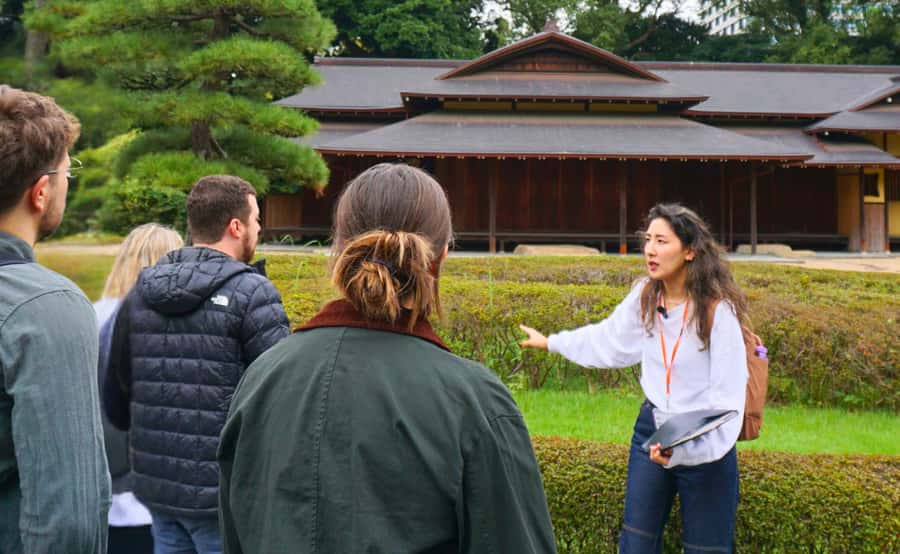
The most interesting part of this Imperial Palace walking tour is that you are not simply looking at trimmed gardens. You are walking across the former base of Edo Castle, the seat of power for more than 350 years. The castle itself is gone, but its gates, stone foundations, gardens, and surviving traces give the site real weight.
I like the tour’s focus on history made easy to follow, and I like the chance to see special koi found only here. The small-group feel can make a big difference, too. One guide, Nicolas, is a French-Japanese host who answers questions about mythology, language, and daily life as well as the palace.
The main thing to check before booking is the language. Although the experience title refers to an English guide, the supplied tour details list French as the guide language. The tour also visits the eastern gardens, not the inner palace, so you should book it for Edo Castle history and outdoor scenery rather than access to the Imperial family’s private grounds.
Key points at a glance
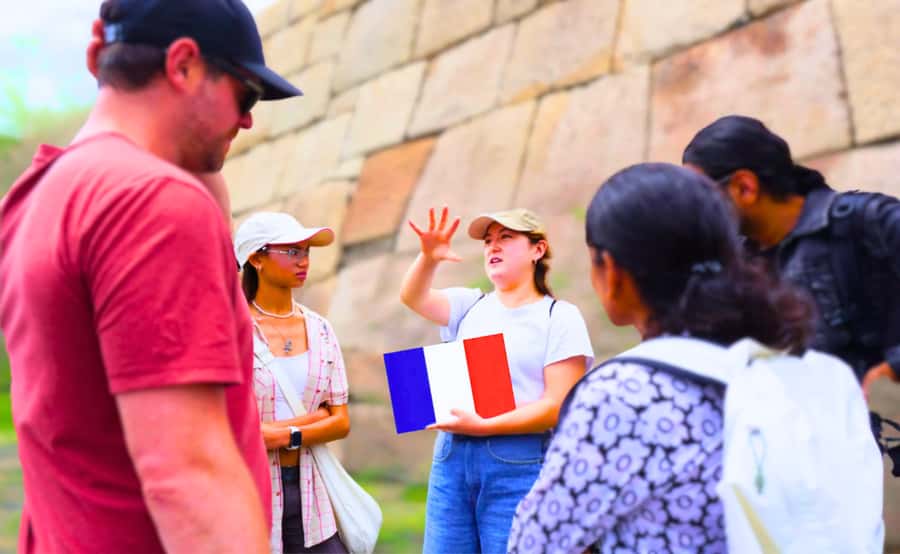
- Walk through the former Edo Castle grounds: See the area that served as the base of Edo Castle more than 350 years ago.
- Find the castle that is no longer there: Your guide explains why the main castle disappeared and shows you a miniature structure of the former palace.
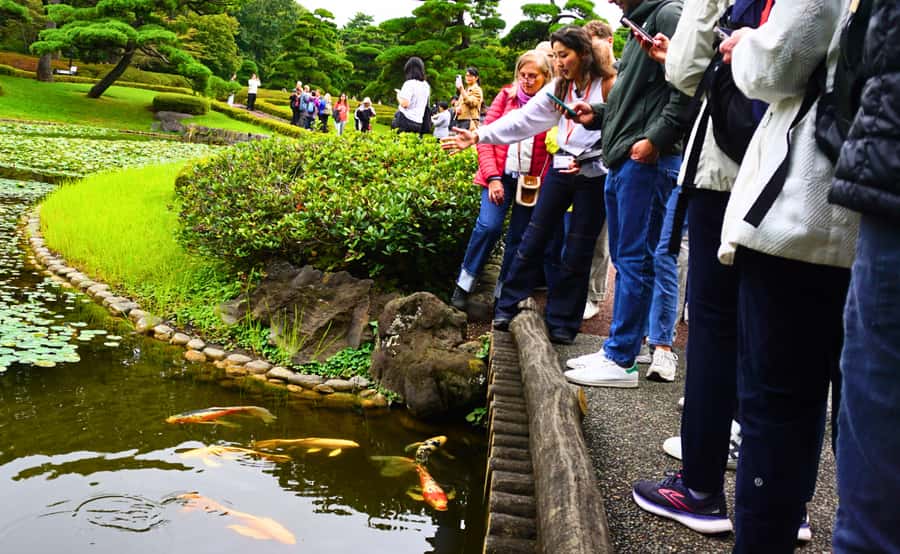
- See rare palace koi: The grounds are home to a distinctive breed of koi that can only be found here.
- Connect local details to Japan’s past: Learn about former soldiers’ barracks, trees from different Japanese prefectures, the imperial family, mythology, and the country’s changing identity.
- Meet near Tokyo Station or Otemachi Station: The starting point is Wadakuramon Fountain Park, beside Starbucks and the fountain.
- Pay $40 for a guided historical walk: That is fair value if you want context, not just a quiet garden stroll, but less appealing if you prefer to explore alone.
Why Edo Castle matters more than the modern palace
Tokyo’s Imperial Palace can seem like a broad green pause in the middle of a huge city. The eastern gardens make the past easier to see. Beneath the calm paths and carefully kept plantings are the former grounds of Edo Castle, a center of political power during the era of the shoguns.
That setting gives the tour a useful storyline. You are not learning isolated facts about a garden. You are following the growth of a fortified castle town into modern Tokyo, then connecting that change to the Japan you see today.
The tour description promises an explanation of how Japan evolved into its present form. That is a large subject for one walking tour, so you should expect an introduction rather than a full national history course. Still, a guide can make the site meaningful by explaining how the palace, military buildings, rulers, and imperial family fit together.
I especially like this kind of visit early in a Tokyo trip. It gives you a basic framework for understanding the capital. Later, temples, museums, neighborhoods, and railway stations can feel less like separate sights and more like parts of a long story.
More Imperial Palace visits:
- Tokyo: Imperial Palace and Shogun Historical Walking Tour
★ 5.0 · 2,251 reviews - Tokyo: Imperial Palace Japanese History Walking Tour
★ 4.9 · 987 reviews - Tokyo: Imperial Palace and Shogun Walking Tour
★ 4.9 · 935 reviews
Meeting at Wadakuramon Fountain Park
Your meeting point is practical, but you need to arrive prepared. Take the train to Tokyo Station or Otemachi Station, then allow five to ten minutes to walk to Wadakuramon Fountain Park. The guide waits near the Starbucks by the fountain and holds a Sunrise Adventure sign.
This is an easy place to find once you are in the park, but Tokyo Station is large. I would not leave the hotel at the stated meeting time. Give yourself enough time to get off the train, follow station signs, and reach the fountain without rushing.
The tour has a strict late-arrival rule. If you are not there within ten minutes of the meeting time, the group may leave without you. That matters in Tokyo, where a wrong station exit can cost several minutes.
The activity ends back at the same meeting point. That makes it simple to continue sightseeing around Tokyo Station, head back to your hotel, or connect with another train afterward.
Entering through Otemon, the great main gate
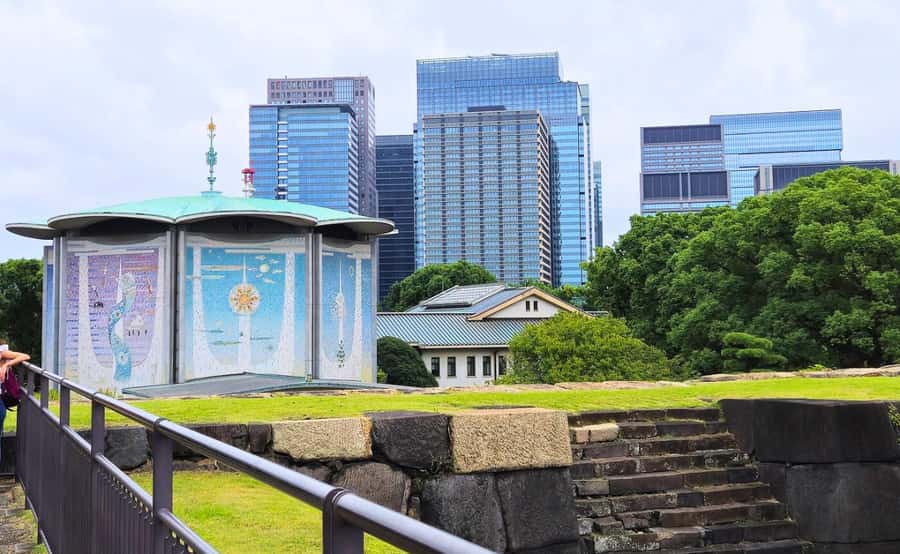
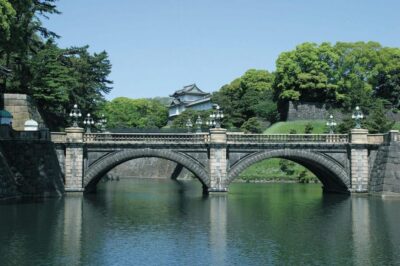
From the meeting point, you walk with the guide toward Otemon, the large main gate of the palace grounds. The gate provides the natural opening chapter to the tour. It is more than a passage into a park. It marks the change from modern Tokyo to the old castle precinct.
Once inside, the pace is a walking tour rather than a formal museum visit. The guide leads you through the grounds, stopping to explain what remains and what has vanished. That format works well here because the most important parts of Edo Castle are often not obvious to an untrained eye.
You will want comfortable shoes and clothing suited to the weather. The tour takes place in good weather or bad, so rain, heat, and cold are your responsibility. There is no indoor substitute mentioned in the tour details.
The rules are straightforward. Smoking, drones, alcohol, drugs, littering, and skateboards are not allowed. A drone would be especially unsuitable around an important palace site, and the no-smoking rule helps preserve the calm of the gardens.
Seeing the palace ruins and miniature structure
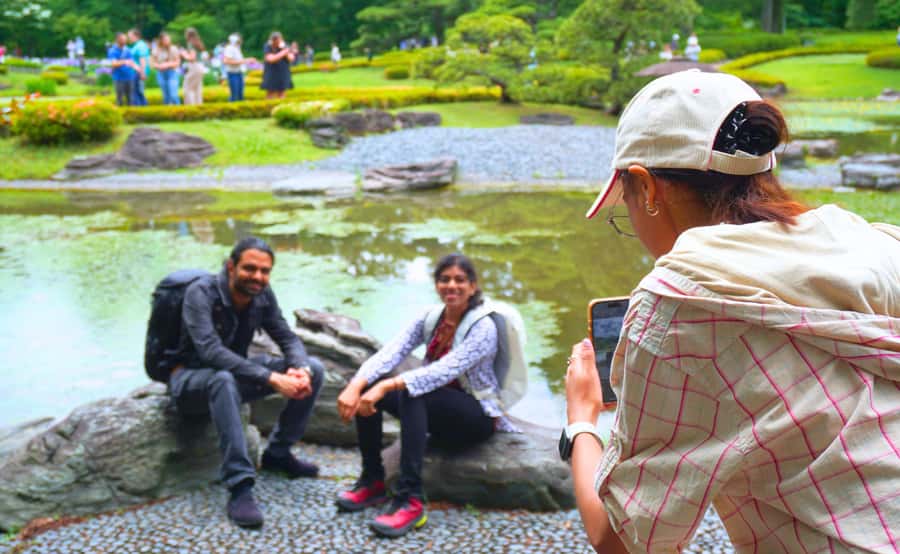
The main castle no longer exists, and this is one of the tour’s most useful points. Instead of pretending the missing structure is still there, the guide explains why it disappeared and helps you read the surviving remains.
You will have a chance to see palace ruins and the former base of Edo Castle. A miniature structure of the former palace also helps fill in the picture. That small model may be especially useful if you have trouble imagining a large wooden castle from foundations and open space.
The value here comes from interpretation. Stone walls and old foundations can look abstract when you visit alone. With a guide, you can pause at the right spots and understand what each remnant meant, how the castle was arranged, and why the grounds look as they do today.
Do not expect a complete castle interior or a reconstructed palace. The appeal is the contrast between what remains and what has disappeared. If you want intact rooms, elaborate interiors, or a dramatic restored fortress, this is not that kind of stop.
More history-led days in Tokyo:
- Yanaka Walking Tour: Historic and Traditional District of Tokyo
★ 5.0 · 530 reviews - Tokyo: Shinjuku Historical Walking Tour & Secret Backstreets
★ 5.0 · 530 reviews - Mt. Fuji Heritage Tour: Traditional Villages, Lakes & Shrine
★ 4.5 · 509 reviews - From Tokyo: Nikko World Heritage Site Private Full-Day Trip
★ 4.9 · 243 reviews
Former soldiers’ barracks and the working castle
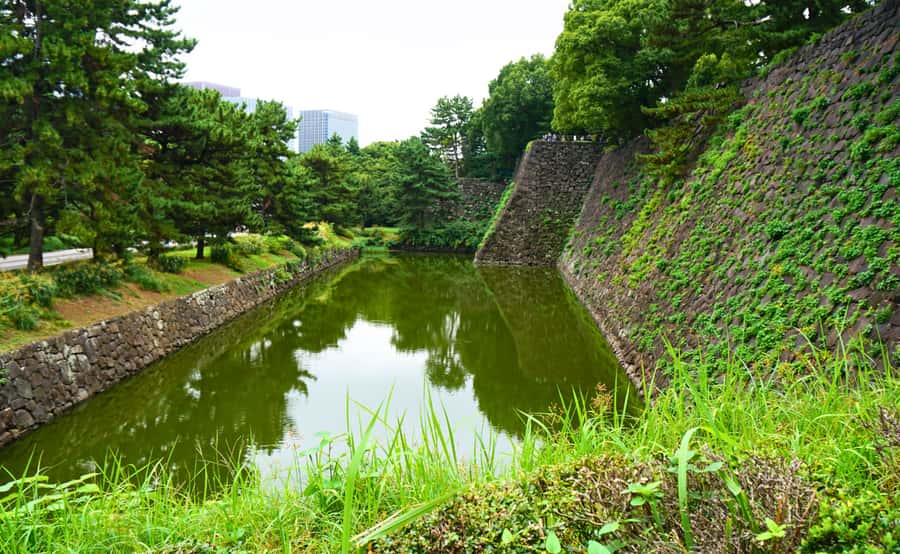
The tour also covers the former soldiers’ barracks. This detail helps move the story beyond rulers and grand buildings. A castle was a working institution, with people guarding it, maintaining it, and carrying out daily duties.
That makes the grounds feel less like a royal garden and more like a functioning power center. You get a sense of the people and systems behind the official image of the palace.
The description does not promise access inside the barracks, so think of this as a historical stop within the walking route. Your guide points out the relevant area and explains its role.
This is one reason a guided visit can be worth the $40 price. You are paying for the links between the sites, not only for entry to a garden. If you already know Edo-period history well and enjoy reading signs at your own pace, you may find the added cost less necessary.
The special koi and regional trees

The koi are an unusual feature of the visit. The tour points out a breed that can only be found here, giving you a small, memorable detail to look for among the larger historical themes.
I like this combination. A tour made up only of dates and political changes can become tiring. The fish give you something immediate and visual, while the guide’s explanation places them within the character of the palace grounds.
You will also see trees from different prefectures of Japan. This is a quiet but meaningful detail. Japan is not one uniform place, and regional trees bring a sense of the country into the palace gardens.
The garden setting provides good photo opportunities, too. The tour is designed to include spots where you can take pictures of the gardens, old walls, water, trees, and palace remains. Keep your camera ready, but do not let photography replace the explanations. The best pictures will mean more when you know what you are looking at.
A guide who can handle questions beyond the palace

The strongest part of the experience is likely to be the guide’s ability to connect the site with wider questions about Japan. Nicolas, described as a French-Japanese guide, has answered questions about Japanese mythology, the language, Japan in general, and the imperial family.
That range matters because a palace visit naturally raises questions. You may wonder how the old political order changed, how the imperial family fits into modern Japan, or why certain traditions remain important. A guide who can move between the site and those broader subjects makes the walk feel more personal.
The group can be small. One reported arrangement had only five people, which allowed easy conversation and plenty of questions. Group size is not guaranteed in the supplied details, so do not book expecting a private tour. Still, the format appears suited to discussion rather than a large, anonymous crowd.
The guide is listed as French-speaking, not English-speaking, in the practical tour details. If you need English, confirm the language before paying. This is the single most important booking question because a history tour loses much of its value if you cannot follow the explanations.
How much value do you get for $40?
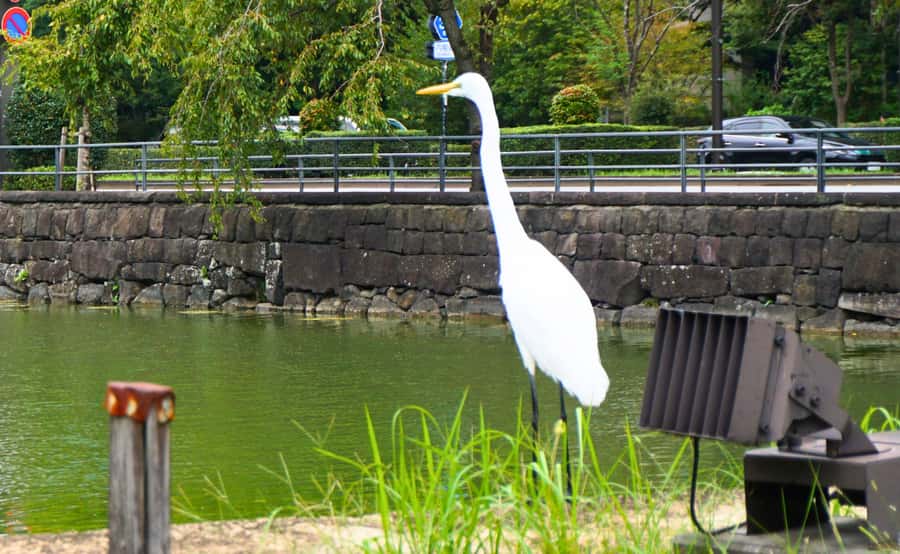
At $40 per person, this is not the cheapest way to walk through the palace gardens. You can see the grounds without paying for a guide, so the price only makes sense if you want the history explained as you go.
I consider the price reasonable for someone who wants a structured introduction to Edo Castle, especially if Japanese history is new to you. The guide adds value by identifying palace remains, explaining the missing castle, pointing out the former barracks, and answering questions that signs may not cover.
The value is also stronger for visitors who enjoy conversation. The experience can become more than a fixed script when you ask about mythology, language, regional culture, or the imperial family. Nicolas’s friendly style, including spending extra time with the group after the visit, suggests the social side can be part of the appeal, though you should not assume that an after-tour meal is included.
The price is harder to justify if you want only photographs, a quiet garden walk, or entry into the inner palace. The inner palace is specifically not included. You are paying for a historical walking tour of the eastern grounds.
The booking terms are flexible: you can reserve and pay later, and cancellation is allowed up to 24 hours before the activity for a full refund. That helps if your Tokyo plans are still shifting.
Who should book this palace walk?
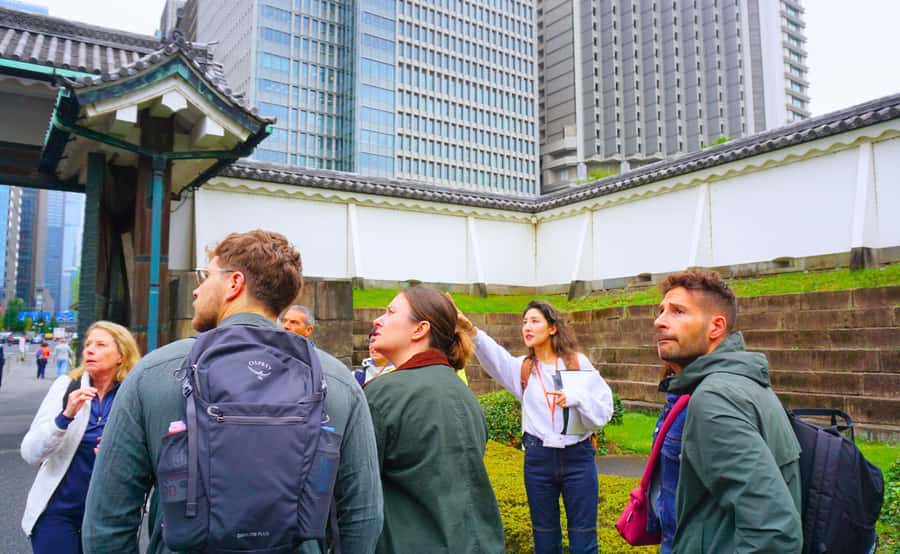
I would recommend this experience to you if you fall into one of these groups:
- You want a clear starting point for understanding Japanese history.
- You enjoy asking questions rather than listening to a fixed lecture.
- You are interested in castles, political power, the shoguns, or the imperial family.
- You want garden scenery and historical remains in the same visit.
- You prefer a small, friendly walking group.
- You are comfortable with the guide language after confirming it.
Families with older children may also find the koi, castle model, gates, and ruins easier to enjoy than a long museum visit. The tour gives young visitors physical things to look at while the guide supplies the story.
I would be more cautious if you have limited mobility, since the supplied details do not explain the walking surface, route length, or accessibility. Ask the provider before booking if those points matter to you.
You should also skip it if your main goal is to enter the inner palace. This activity does not include that access, and the eastern gardens should not be treated as a substitute for a private palace visit.
Practical advice before you go
Wear shoes suitable for a walk through outdoor grounds. Dress for the forecast, and bring rain protection if needed because the tour runs in poor weather.
Arrive early at the fountain. Tokyo Station and Otemachi Station are close to the meeting point, but navigating a large station can be slower than the map suggests. Look for the Starbucks and the fountain, then find the guide holding the Sunrise Adventure sign.
Confirm the language before booking. The tour title says English guide, but the detailed information says French guide and lists French as the available language. That mismatch should be settled directly with Sunrise Adventure.
Bring questions. The tour appears strongest when you use the guide as a local point of contact. Ask about the castle’s disappearance, the imperial family, Japanese mythology, or the meaning of the trees and koi. You may get more from the walk than someone who simply follows along silently.
Keep your expectations realistic about the palace itself. You will see the eastern gardens, ruins, former castle grounds, barracks, a miniature structure, and outdoor views. You will not enter the inner palace.
Should you book the Imperial Palace history tour?
Book it if you want context, conversation, and castle history in an easy Tokyo walk. The combination of Edo Castle remains, gardens, rare koi, regional trees, and a guide who can discuss Japan beyond the immediate site gives the experience more substance than a simple photo stop.
The best match is a visitor who enjoys history but does not want a formal lecture. The small-group setting and the chance to ask Nicolas or another guide direct questions can make the visit warm and flexible.
Before you commit, confirm the language. If the tour is available in the language you need, $40 is fair for a guided introduction to one of Tokyo’s most important historical places. If you need English specifically and only French is available, choose another tour rather than hoping the language issue will work itself out.
FAQ
Where does the tour start?
The tour starts at Wadakuramon Fountain Park, near the Starbucks by the fountain. The park is a five to ten minute walk from Tokyo Station or Otemachi Station.
Where does the tour end?
The activity ends back at the same meeting point near Wadakuramon Fountain Park.
Is the inner Imperial Palace included?
No. The tour visits the eastern gardens and former Edo Castle grounds, but it does not include access to the inner palace.
What language is the tour offered in?
The detailed tour information lists French as the guide language and identifies the guide as French-speaking. The experience title refers to an English guide, so confirm the available language before booking.
What happens if I arrive late?
If you do not arrive within ten minutes of the meeting time, the group may start the tour without you.
Can I cancel for a full refund?
Yes. You can cancel up to 24 hours before the activity for a full refund.
Just added around Tokyo
- Private Arrival Transfer : Narita International Airport to Central Tokyo City★ 4.5 · 12 reviews
- Narita Airport(NRT): Private Transfer to Tokyo/Yokohama 1-9pax★ 5.0 · 47 reviews
- Private Transfer from Narita Airport to Yokohama Port and City★ 4.5 · 17 reviews
- [Narita Airport Terminals 1, 2] 40-60km Sawara Itako Historic Bike Tour★ 5.0 · 13 reviews
- 3 Day Japan Highlights Tour: Tokyo, Mt.Fuji, Nara, Kyoto, Osaka★ 5.0 · 22 reviews
- Small Town in the Big City: Tasting Tokyo’s Kichijoji★ 5.0 · 195 reviews
- Small Town in the Big City: Tasting Tokyo’s Kichijoji★ 5.0 · 16 reviews
- The 10 Tastings of Tokyo With Locals: Private Street Food Tour★ 5.0 · 48 reviews
Imperial Palace Tours, compared.
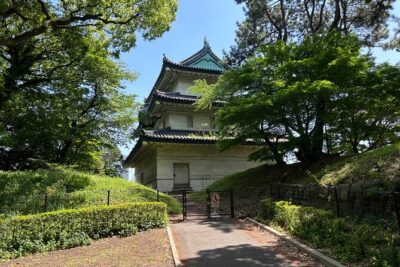
Imperial Palace and Shogun Historical Walking Tour
Read our review →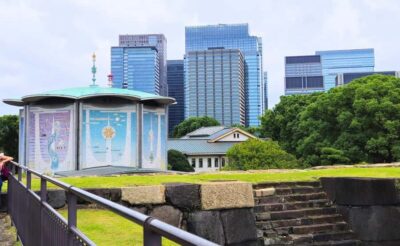

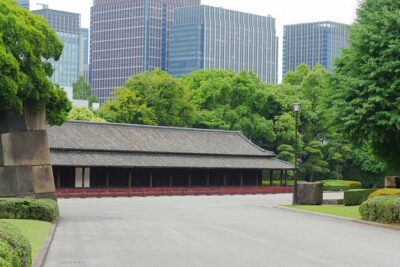
Imperial Palace East Garden and Edo Castle Walking Tour in Tokyo
Read our review →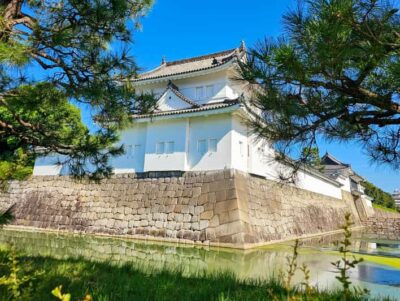
Imperial Palace & Nijo Castle Guided Walking Tour
Read our review →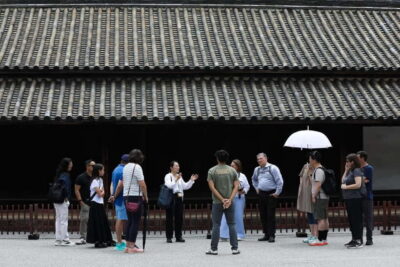
Imperial Palace, Sensō-ji Temple, & Tokyo Tower Tour
Read our review →
Tokyo Castle, Imperial Palace, Shogun & Garden Walking Tour
Read our review →Browse the lists this tour appears in