
Reviewed · KYOTO TOURS
Authentic Ninja Weapon Forging Experience in Kyoto
Atelier NIN lets you do more than pose with a plastic ninja prop. You heat steel in an 800°C furnace, hammer it while sparks fly, shape it with a belt sander, and finish a real handmade shuriken or kunai. The work is carefully guided, but you still leave with something you helped make.
I like the hands-on steelwork, which gives this activity more weight than a standard craft class. I also like the mix of making and storytelling: you learn why the weapons were used, hear about ninja techniques, and engrave a kanji character on your finished piece.
The main caution is value. At about $151.92 per person, this is a costly two-and-a-half-hour activity, and one participant felt the actual forging involved only a few hammer blows. The experience is best for people who care about the process, the setting, and the unusual souvenir, not just the finished object.
Key Details Before You Book
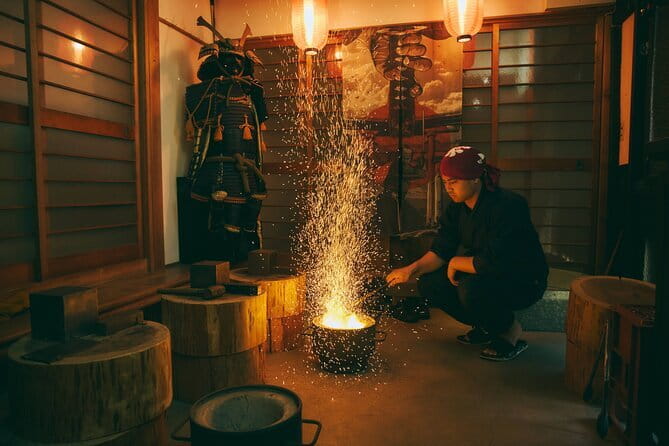
- You work with hot steel at 800°C: The central forging step feels like real blacksmith work, with staff handling safety and technique.
- You choose your weapon: Pick from three shuriken styles or a kunai. The kunai may require an extra 3,000 yen.
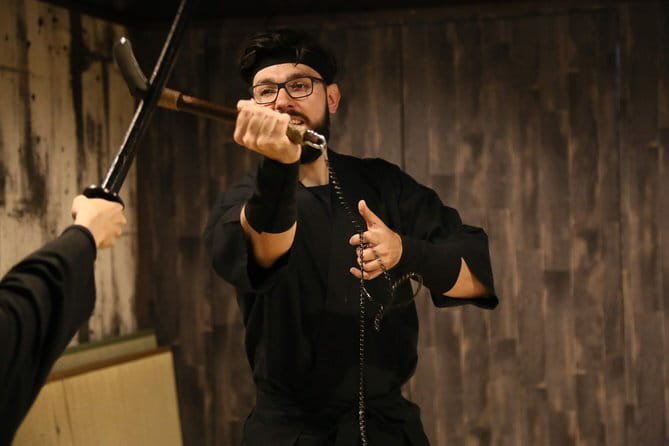
- You wear traditional work clothes: A black samue and head-wrapped tenugui make the session feel like a small ninja workshop.
- You personalize the finished piece: Staff engrave a kanji character, then you blacken and polish the metal.
- You take home a boxed souvenir: A clean box and bag are provided, and the finished weapon can be placed in checked baggage according to the practical experience shared by participants.
- The studio is outside central Kyoto: The meeting point is in Yase, so allow extra care for directions and consider a taxi app.
A Real Workshop, Not Just a Ninja Photo Stop
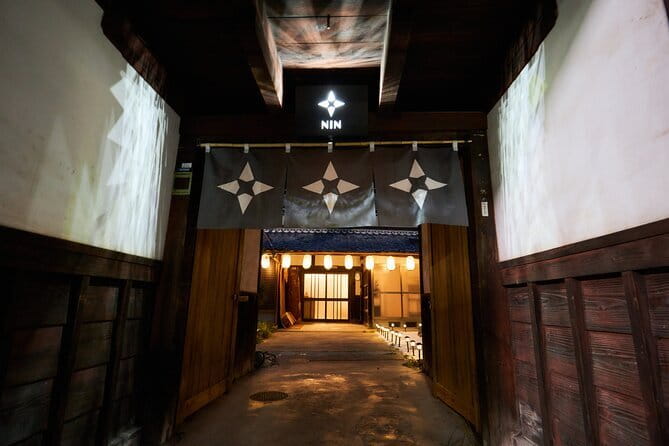
The appeal here is simple: you make an object with a story attached to it. Kyoto has no shortage of temples, gardens, tea rooms, and polished cultural demonstrations. This activity gives you something more physical. You stand at a workbench, handle tools, and see a plain piece of metal change shape.
That does not mean you become a swordsmith in 150 minutes. The staff prepare and guide parts of the work, and the amount of independent hammering can vary. One critical account described the activity as fairly controlled, with only a handful of hammer strikes for the photo. It is fair to think of this as a guided introduction to weapon forging, not a full blacksmith apprenticeship.
That distinction matters when you judge the price. You are paying for instruction, equipment, a supervised hot-metal activity, the staff’s time, and a finished keepsake. If you mainly want a cheap souvenir, this will feel expensive. If you want a memorable activity that connects craft, ninja culture, and a physical object, the cost makes more sense.
More Samurai and Ninja Experiences in Kyoto
- Kyoto Samurai Experience
★ 5.0 · 1,294 reviews - Kyoto: Kendo and Samurai Experience with Uniform and Gear
★ 4.9 · 815 reviews - Kyoto: Samurai Sword Class by Experts in Traditional Arts
★ 4.9 · 657 reviews
Suiting Up in Samue and Tenugui
The session begins with a change into samue, traditional work clothing associated with craftspeople and manual work. You also wrap a tenugui around your head. It is a small step, but it changes the mood right away.
I like this kind of detail because it gives the workshop a clear sense of place without turning the experience into a costume show. You are dressed for the role of a craft worker, not simply handed a souvenir headband for a quick picture.
The uniforms are provided for use during the activity. Wear clothes underneath that you can move in, and choose shoes suitable for standing and working around tools. The available information does not promise a full change-room setup or specify footwear rules, so it is sensible to keep your outfit practical.
The workshop welcomes beginners. You do not need metalworking experience, and the instructors demonstrate each technique before you try it. English instruction has been described as adequate, though one participant found some directions vague at times. If you are unsure, ask the staff to show the movement again rather than guessing around hot metal or powered equipment.
Choosing Between Shuriken and Kunai
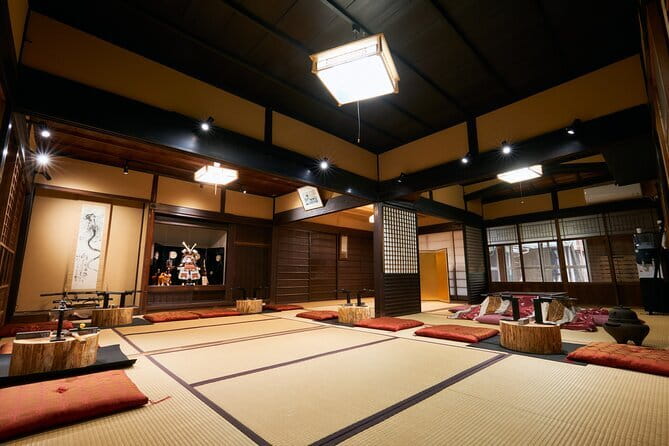
You choose one weapon before the main work starts. The options include three shuriken styles and one kunai. Each has a different shape and feel in the hand.
A shuriken is the familiar star-shaped ninja weapon, and the three styles give you some choice without making the decision overwhelming. If you want the classic ninja image and a compact display piece, a shuriken is the straightforward pick.
The kunai has a different look and a more recognizable tool-like form. Several people singled out kunai making as a favorite part of the session. It may cost an additional 3,000 yen, so check the current price before you commit. That extra charge is important because it changes the total from the advertised per-person rate.
I would choose based on the final object you want to display at home. The staff can explain the differences and the historical purpose of the weapons. You are not just selecting a shape at random, you are choosing the object that will carry your name and kanji engraving.
Heating Steel in an 800°C Furnace
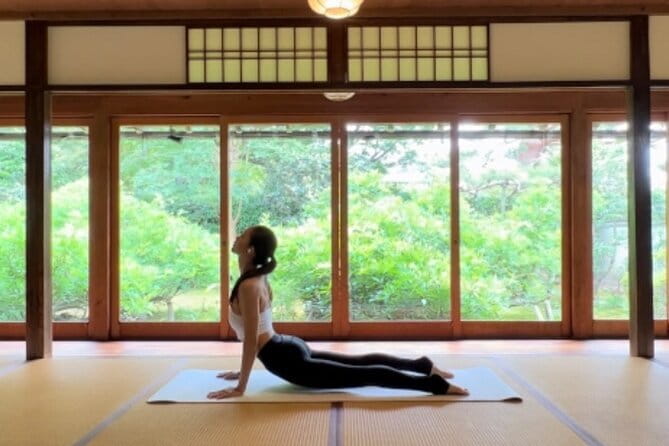
The heart of the experience is the furnace. Your steel is heated to about 800°C before you work it with a hammer. At this stage, the metal changes from an ordinary strip or blank into something that can be shaped.
You will see the glow, hear the hammering, and feel the force needed to move the steel. This is the part that makes the experience more than a themed craft class. Staff control the dangerous elements and guide your hand position, timing, and strikes.
Do not expect to spend the entire session pounding away at a furnace. The work is supervised, and the staff may step in to keep the piece safe and symmetrical. That is sensible, especially in a group activity with as many as 25 people.
The actual amount of hammering appears to be one point of variation. Many people find the process active and fun, while at least one person felt the forging was too brief and mostly set up for photographs. Go in expecting a meaningful taste of the process, with professional help, rather than complete control over every stage.
More samurai and ninja sessions in Kyoto:
- Skip the lines Basic Ticket at SAMURAI NINJA MUSEUM KYOTO
★ 4.5 · 632 reviews - Ninja 1-hour Hands-on Lesson by Japanese master in Kyoto -Entry
★ 5.0 · 489 reviews - Kyoto: Ninja Weapon Forging Experience
★ 4.8 · 478 reviews - Kyoto: Samurai Kenbu Traditional Sword Dancing Show
★ 4.5 · 426 reviews
Shaping the Blade With a Belt Sander
After forging, you refine the metal with a professional belt sander. This turns the rough shape into a cleaner, more finished weapon.
Here, your care matters. You may work on the edges, symmetry, or surface under instruction. One participant specifically appreciated help making a kunai more symmetrical. That is the sort of practical assistance you want from the staff, since an uneven shape can be hard to correct once metal has been removed.
The workshop offers files and hammers as part of the equipment, and staff can provide easier sharpening options for people who do not have much stamina. That makes the activity more manageable for families and for anyone who is not used to manual work.
Still, you should expect some standing, gripping, sanding, and repeated tool use. The stated fitness level is moderate. Young people can take part, and a family with children aged 12 and 15 enjoyed the activity, but an adult should judge each child’s comfort around heat, noise, and machinery.
Adding Kanji and a Dark Finish
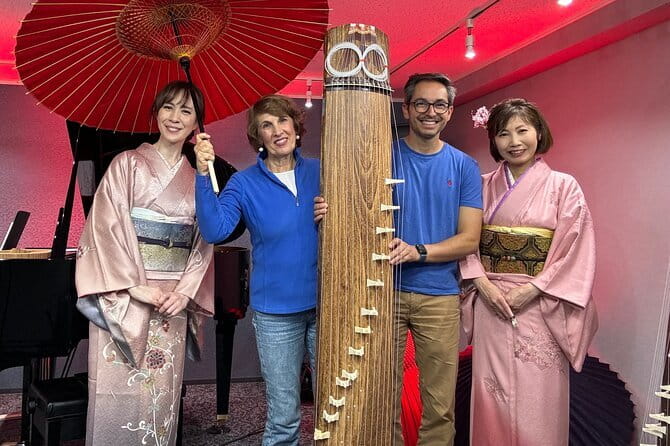
Once the weapon has its shape, you choose a kanji character for engraving. Staff engrave it onto the piece, giving your souvenir a personal mark.
This step adds more value than a generic workshop stamp. Your weapon becomes tied to the day, your choice of character, and the shape you forged. Ask about the meaning of the kanji before selecting one so you know exactly what you are taking home.
The metal is then treated with a special solution that protects it and gives it a dark finish. This blackened surface fits the traditional ninja image and helps the object look like a finished tool rather than a piece of workshop scrap.
The final polish brings out the surface and completes the presentation. You will have taken the piece through several stages: heating, hammering, sanding, engraving, blackening, and polishing. Some steps are more hands-on than others, but the sequence gives the activity a satisfying sense of progress.
The Ninja History Session
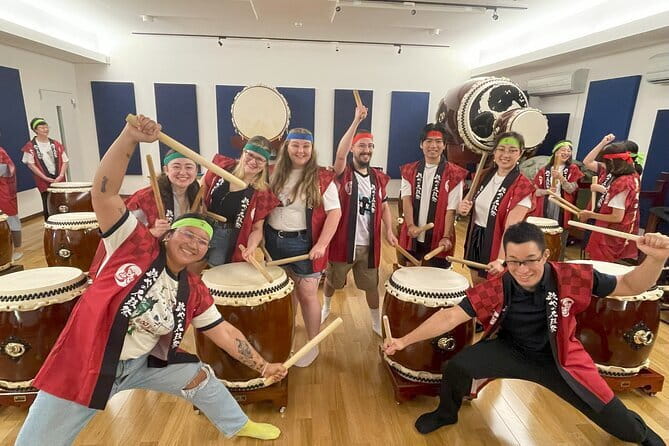
The workshop also includes an explanation of ninja weapons, their uses, and related techniques. This is useful because the activity could otherwise become simple metal shaping with a ninja label.
The history talk gives context to the object in your hand. You learn about the difference between the weapon types and why their forms mattered. The session is especially helpful for families and first-time visitors who know ninja culture mainly through films, games, or popular images.
The tone appears lively rather than academic. The staff are energetic and friendly, with Taka receiving particular praise for his help and enthusiasm. The people running the workshop keep the process moving and make room for action photographs while you work.
The quality of the explanation may depend on the group and the pace of the day. One person found instructions unclear at points, so do not hesitate to ask for a repeat demonstration. That small effort can make the difference between feeling involved and simply following motions.
What the $151.92 Price Really Buys
At $151.92 per person, this is one of the more expensive hands-on activities you can add to a Kyoto itinerary. The price is easier to justify if you count the full package: a 2-hour-30-minute session, access to specialist tools, protective instruction, uniform rental, staff-guided forging, engraving, finishing, and a box and bag for the completed weapon.
The souvenir is also different from the usual Kyoto purchase. You are not buying a factory-made ninja star from a shop. You are taking home an object that passed through your own hands, even though the staff guide and assist with important stages.
The value drops if you expect to make every part alone. The heated work and sharpening require control, and the group size can reach 25 people. A large group may mean a more organized, step-by-step format rather than long personal instruction at every station.
The optional kunai charge also deserves attention. If you choose it, add 3,000 yen to the total. I would confirm the weapon choice and supplement before booking so there is no surprise at the studio.
Getting to Studio NIN in Yase
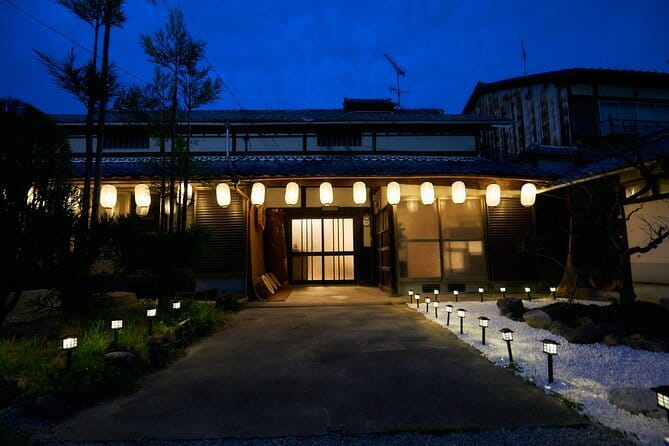
The meeting point is studio NIN at 168-1 Yasenosechō, Sakyo Ward, Kyoto, postal code 601-1254. It is near public transportation, but the location is off the usual sightseeing route.
That matters because you should not treat this as an activity you can casually squeeze between two central Kyoto sights. Allow time to reach Yase and pay close attention to the directions. Some instructions have been described as vague, and one practical suggestion is to have a taxi app ready.
The experience begins and ends at the same meeting point. Private transportation is not included. Since the activity lasts about two and a half hours, plan your day around the workshop rather than assuming you can arrive late or rush off immediately afterward.
The setting away from central Kyoto can be a plus. You are not in a busy tourist corridor, and the studio feels more like a working destination. But the extra travel time is part of the real cost of the experience, even if it is not shown in the ticket price.
Who Will Enjoy This Most
I would recommend this to you if you want an active cultural activity and like taking home something with a story. It works particularly well for families with older children, couples, and friends who want a break from temple visits and formal sightseeing.
It also suits people who enjoy making things but have no previous metalworking experience. The staff provide tools such as hammers and files, rent the work uniforms, and guide you through each stage. You do not need to arrive with craft skills.
The activity is less suitable if you want a quiet, polished demonstration or a cheap souvenir. It can be noisy, physical, and hands-on. You may also find the pace a little controlled if you already have serious blacksmithing experience.
The group limit is 25 people. That is not a tiny private class, though the experience can still feel personal when staff are helping with shaping, sharpening, and safety. If individual attention is your top priority, ask the provider about the expected group size for your chosen time.
Taking the Weapon Home
A clean box and bag are provided, which makes the final handover easy. The box protects the piece and gives you a proper way to carry it through the rest of your Japan trip.
Practical packing matters. A participant successfully placed the finished weapon in checked baggage for the flight home. You should still confirm the current airline and destination rules before flying, since baggage requirements can differ. Do not assume a handmade weapon belongs in carry-on luggage.
The boxed souvenir is one of the strongest reasons to choose this activity over a short cultural demonstration. It gives you a physical reminder of Kyoto that is personal and unusual. You can display it at home, but remember that it is a weapon-shaped object, so check local rules if you are unsure about storage or transport.
Cancellation and Basic Planning
You receive confirmation when you book. Free cancellation is available up to 24 hours before the start time for a full refund. Cancellations or changes made within 24 hours are not accepted for a refund, and the cut-off follows local Kyoto time.
The activity has a mobile ticket and returns you to the starting point. Bring the booking details on your phone, arrive with enough time to locate the studio, and keep your schedule flexible after the workshop in case the day runs at its stated approximate length.
The rating is 4.9 from 43 ratings, with 98 percent recommending it. That points to a strong overall experience, but the single serious criticism is useful: you should not book this expecting uninterrupted personal forging from raw steel. The workshop is guided and partly staged for safety and flow.
Should You Book the Ninja Forging Experience?
Book it if you want a rare Kyoto souvenir you help create, especially if you are tired of passive sightseeing. The furnace, tools, kanji engraving, black finish, and energetic staff give the session a clear personality. Taka and the other instructors help beginners feel at ease, and the activity can work well for families and groups of friends.
Think twice if $151.92 feels high for a guided workshop, or if you expect a long, independent blacksmith session. The hammering may be limited, directions may occasionally need clarification, and the studio requires extra planning because it sits outside the main sightseeing zone.
For the right person, this is a memorable two-and-a-half hours and a far more personal keepsake than a shop-bought ninja prop. Choose your weapon carefully, confirm the possible kunai surcharge, prepare for a moderate amount of physical work, and leave room in your checked baggage.
FAQ
Where does the ninja weapon forging experience take place?
It takes place at studio NIN, 168-1 Yasenosechō, Sakyo Ward, Kyoto, 601-1254, Japan.
How long does the experience last?
The activity lasts approximately 2 hours and 30 minutes.
How much does the experience cost?
The listed price is $151.92 per person. A kunai may require an additional 3,000 yen.
Which weapons can I make?
You can choose from three shuriken styles or one kunai.
Do I need previous blacksmithing experience?
No. Previous experience is not required, and skilled craftsmen guide you through the work.
What clothing is provided?
A samue work uniform and a tenugui head wrap are rented for the activity.
What stages are included in the workshop?
You heat, hammer, shape, sand, engrave, blacken, and polish the metal. You also receive information about ninja weapons, history, and techniques.
Can I take the finished weapon home?
Yes. A clean box and bag are provided. The finished item can be packed for transport, and checked baggage has been used successfully for the trip home.
What is the cancellation policy?
You can cancel up to 24 hours before the start time for a full refund. Cancellations or changes made less than 24 hours before the start time are not refunded or accepted.
Just added around Kyoto
- Kyoto: Zen Meditation at a Private Temple with a Monk★ 5.0 · 25 reviews
- Kyoto: Gion Geisha District & Sake-in-Hand Walking Tour★ 5.0 · 37 reviews
- Private Pewter Sake Cup Experience with a Kyoto Artisan★ 5.0 · 31 reviews
- Your Private Vacation Photography Session In Kyoto★ 5.0 · 110 reviews
- Private Guided Traditional Buddhist Cooking in Japan★ 5.0 · 16 reviews
- Kyoto Wagashi(Japanese sweets) Cooking Class near Fushimiinari★ 5.0 · 60 reviews
- Traditional Japanese Music show & Experience Tour in Kyoto★ 5.0 · 57 reviews
- Kyoto:Family-Friendly Kimono & Yukata Experience at WARGO★ 5.0 · 147 reviews
Kyoto Tours, compared.


Fushimi Inari, Kinkakuji, Bamboo Grove 1 Day Bus Tour
Read our review →
Tea Ceremony in a Traditional Tea House in Kiyomizu
Read our review →
Kyoto Geisha Walking Tour: Gion District & Hidden Gems
Read our review →

Gion Magical Night Walking Tour with Geisha Trivia
Read our review →

Gion Geisha District Walking Tour – Stories of Geisha
Read our review →Browse the lists this tour appears in