
Reviewed · HIROSHIMA TOURS
Hiroshima: City and Miyajima Bike and Boat Tour
Hiroshima’s most moving sights and Miyajima’s orange Shinto buildings make an unusually strong pairing, and this tour links them by bike, train, ferry, and foot in one long day. You begin with the city’s wartime memory, then shift to the island’s religious past and wooded setting.
I like the flat cycling route, which lets you cover Peace Park and the A-bomb Dome without a hard workout. I also like the small group size, capped at eight, and the way lunch, water, bike equipment, train travel, and the ferry are folded into the price. The main drawback is the packed 450-minute schedule. You get a broad introduction, not hours of free time at each stop.
Key points at a glance
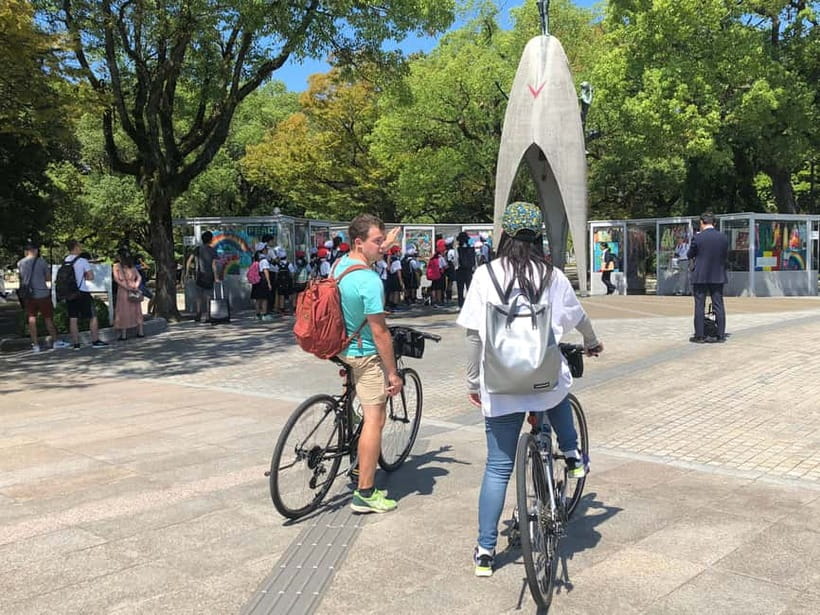
- Peace Park by bicycle: Ride a flat route through Hiroshima’s most important memorial area with an English-speaking guide.
- A clear change of mood: Move from the city’s atomic-bomb history to Miyajima’s wooded religious setting.
- Hiroshima Castle included: Add the city’s feudal past, a useful counterpoint to the modern memorial story.
- Train and ferry are part of the day: You do not need to arrange these transfers separately.
- Trek bikes for different riders: The fleet includes several sizes, step-through models, and child-sized bikes.
- Small-group support: With no more than eight people, guides can help slower riders and answer questions in detail.
Why this combination works so well
Many Hiroshima outings focus almost entirely on the Peace Park. That is understandable, but Hiroshima is more than one chapter of 20th-century history. This tour gives you a wider frame: the city before the bombing, the memorial work that followed, and Miyajima’s older religious identity.
The change from bicycle to train, ferry, and walking also keeps the day varied. You are not sitting on a coach for hours, and you are not cycling the whole distance to Miyajima. The first section uses a bike where it is most useful, then public transport carries you to the island.
I especially like that the cycling is described as completely flat and suitable for anyone who can ride a bike. The pace is intended for sightseeing, not sport. One account describes slower riders being well supported, which matters if your group has mixed ability.
The group limit of eight is another real advantage. It gives the guide room to answer questions, adjust the pace, and explain difficult subjects without turning the day into a lecture delivered to a crowd. Guides named in the feedback include Ishan, Aimée-Linh, Melissa, Sage, and Aimee. Their styles differ, but the strongest praise centers on preparation, humor, enthusiasm, and careful answers.
More bike days around Hiroshima:
- Hiroshima in a Nutshell: Morning Bike Adventure
★ 5.0 · 524 reviews - Hiroshima 2hr Peace Cycling Tour with Local Guide
★ 5.0 · 321 reviews - Hiroshima: Peace Cycling Tour with Local Guide
★ 4.8 · 286 reviews
Riding through Peace Park and the A-bomb Dome
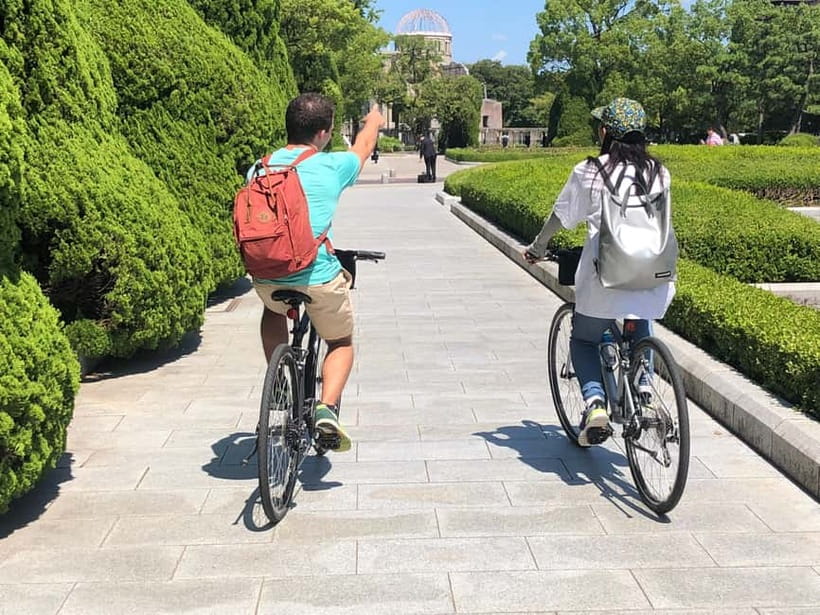
The day begins on two wheels around Peace Park and the A-bomb Dome. This is not a casual sightseeing loop. The places you pass carry enormous weight, and the guide’s commentary is central to making sense of what you are seeing.
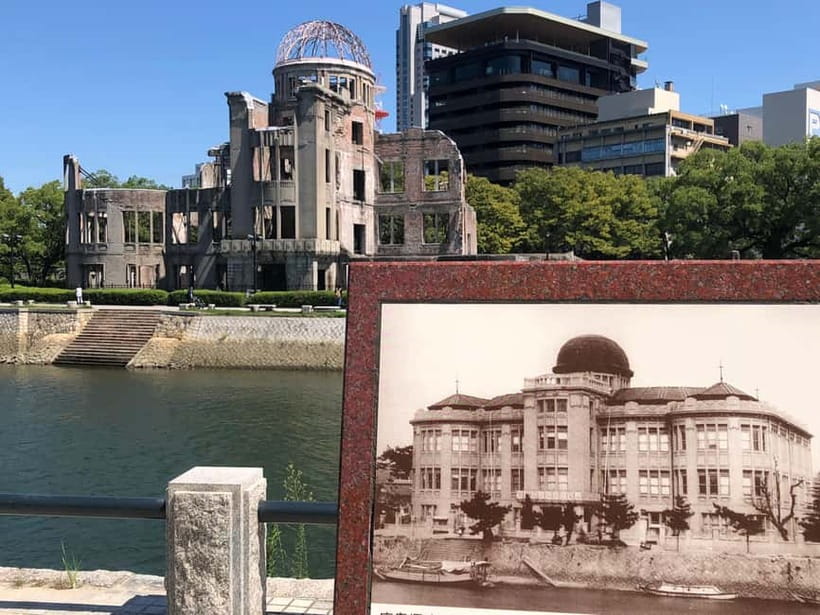
The A-bomb Dome is one of Hiroshima’s most recognizable structures, but a quick photograph cannot explain its meaning. A guide can connect the building to the bombing, the city’s memorial work, and the human cost behind the site. Several guides were praised for explaining both the horror of the atomic explosion and Hiroshima’s effort to remember it while building a more positive future.
That balance is important. A good visit here should not turn tragedy into a spectacle. It should give you space to think while supplying enough historical background to understand why the park is arranged as it is and why the A-bomb Dome remains such a powerful symbol.
Cycling is practical here because it lets you cover more ground than walking while keeping you close to the surroundings. You can stop, listen, and continue without the enclosed feel of a vehicle. The route is slow and flat, so the bicycle serves as transport rather than exercise.
Still, expect an emotionally serious opening. If you prefer to approach the Peace Park quietly on your own, a guided tour may feel more structured than a solo visit. For many people, though, the guide’s explanation helps turn a famous sight into a meaningful place.
Hiroshima Castle and the city before 1945
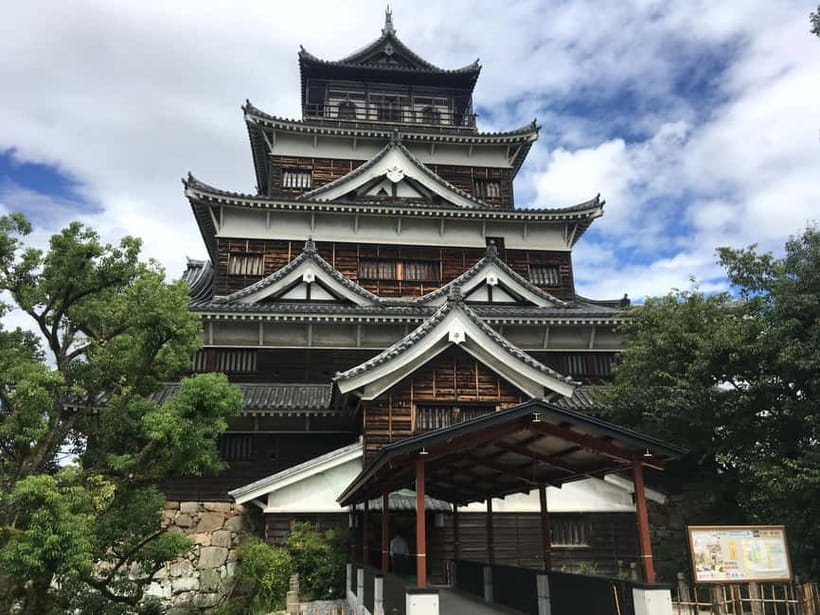
The stop at Hiroshima Castle gives the day a needed historical turn. The castle represents Hiroshima’s feudal past, long before the city became known around the world for the atomic bombing.
This stop matters because it breaks the habit of viewing Hiroshima only through 1945. The city had political power, military connections, and centuries of local history before the modern era. The guide’s commentary can place the castle within that earlier story and help you see Hiroshima as a living city rather than only a memorial destination.
The castle visit is also a good bridge between the cycling portion and the journey to Miyajima. You are still learning about the city, but the subject shifts from wartime memory to older Japanese history. One guide was specifically praised for covering the pre-Meiji period as well as the bombing and Hiroshima Castle.
Do not expect a long, unhurried castle exploration based on the information provided. This is one part of a full-day route, and the bigger goal is contrast. You see Hiroshima’s feudal identity, then continue toward an island whose history is closely tied to religious practice.
Taking the train and ferry to Miyajima
After the city portion, you travel by train to board the ferry for Miyajima. Both transfers are included, which makes the day easier to manage and protects you from having to work out the connection yourself.
The change in transport is part of the experience. You leave the built-up city and approach an island known for greenery and orange Shinto structures. The ferry ride creates a clean break between the two halves of the tour, although the schedule still depends on the starting time and transport connections available that day.
Because hotel pickup and drop-off are not included, you need to make your own way to the starting point and return from the endpoint. That is a small but important planning detail. Keep your day bag light, since you will be cycling, using public transport, and walking.
The ferry ticket is included, but no separate ferry timing is provided here. Check the available start time before booking, especially if you have a train to catch later or other plans that evening. A 450-minute tour lasts about seven and a half hours, so this is best treated as your main Hiroshima activity for the day.
A few more Hiroshima half-days to weigh up
- Peaceful Hiroshima & Miyajima UNESCO 1 Day Bus Tour
★ 5.0 · 5,309 reviews - Hiroshima: Hiroshima and Miyajima UNESCO Sites 1-Day Tour
★ 4.9 · 2,330 reviews - Hiroshima / Miyajima Full-day Private Tour with Government Licensed Guide
★ 5.0 · 1,298 reviews - Hiroshima Historical Walking Tour – Why A-Bomb was Dropped
★ 4.8 · 893 reviews
Miyajima’s religious identity and Itsukushima Shrine
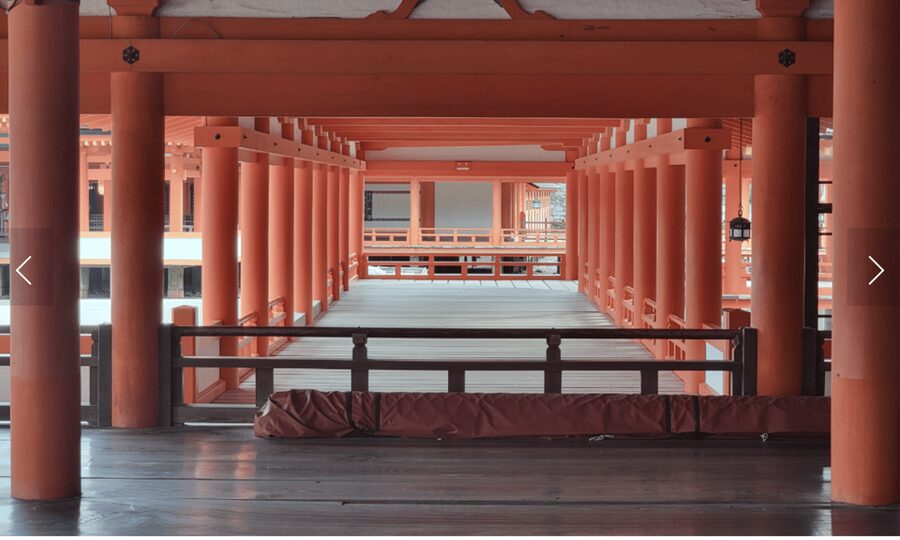
Miyajima supplies the day’s strongest visual contrast. After Peace Park and Hiroshima Castle, you reach an island with lush greenery, scenic lanes, and orange Shinto buildings. The setting feels markedly different from central Hiroshima, even though the two places are joined in one outing.
The walking tour explains how Miyajima developed as a religious center. That context makes the visit more than a photo stop. You begin to understand why the island’s shrines and religious buildings occupy such an important place in its identity.
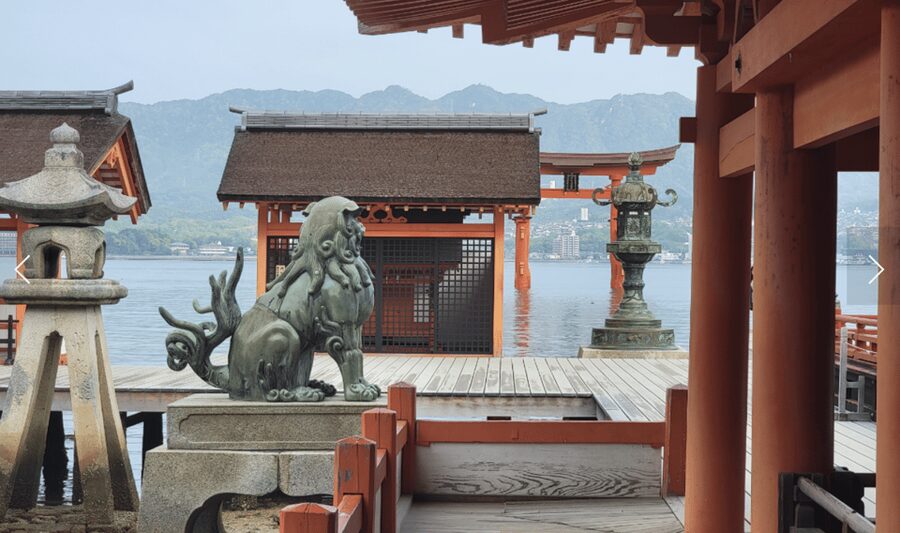
Itsukushima Shrine is included, and the tour gives you a chance to explore the island’s picture-friendly lanes and viewing spots on foot. The orange structures against the greenery provide some of the day’s most memorable images. Bring a camera, as the practical advice suggests, but try not to let photography replace the explanation of what you are seeing.
The island section is likely to be the most relaxed part of the day, but it is not an entirely free afternoon. You follow a guided walking route and share the time with the group. If you want long, independent visits at every shrine, shop, or lane, you may find the schedule limiting.
The payoff is range. In one day you see the memorial core of Hiroshima, a reminder of its feudal past, and an island shaped by religious tradition. That breadth is the main reason to choose this tour instead of booking only a Peace Park visit.
Bikes, comfort, and the physical demands
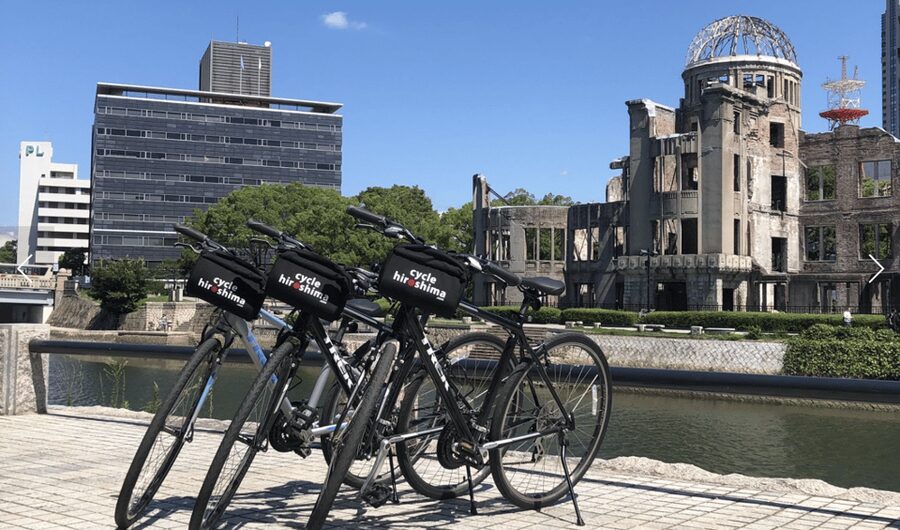
The cycling itself is gentle. The route is completely flat, and the tour is designed for anyone who can ride a bike. You receive a bike and helmet, with Trek bicycles available in different sizes. Step-through bikes and child-sized bikes are also offered, which makes the equipment more flexible than a standard one-size fleet.
You should still bring comfortable clothes and shoes. The day combines riding, train travel, a ferry, and a walking tour, so footwear that works for more than one activity is the sensible choice.
The tour is not suitable for people who cannot ride a bike, wheelchair users, or pregnant women. Those restrictions should guide your decision before booking. The flat route removes hills, but it does not remove the need to balance and pedal.
Rain is handled with some flexibility. If the weather is poor, the operator contacts you with the option of switching to a walking tour around Peace Park or receiving a full refund. Make sure the operator can reach you, and do not assume that Miyajima will remain part of a rainy-day alternative unless you receive that information directly.
Guide quality and the value of a small group
The guide is the difference between a simple route through famous places and a useful day of interpretation. The strongest guide feedback highlights enthusiasm, humor, preparation, and the ability to answer many questions without losing the group’s rhythm.
Ishan was praised for both knowledge and energy, while Aimée-Linh was described as combining history with humor. Melissa received particular credit for explaining the difficult story of the bombing and the hopeful side of Hiroshima’s remembrance. Sage was praised for giving detailed background during wet weather while helping the group stay mostly dry.
One account also noted a guide staying beyond the expected time to help the group. That is not something you should assume will happen, but it suggests the small-group format can allow a more personal experience than a large scheduled tour.
A group of eight is small enough for conversation but large enough to have a social feel. You will not get complete solitude, and the day’s pace must suit the whole group. The benefit is that a guide can notice a slow rider, respond to questions, and keep the route manageable.
Lunch, price, and what the $138 covers
At $138 per person, this is not the cheapest way to see Hiroshima. The price makes more sense when you count what is included: a guided bike tour, bike and helmet, English commentary, Hiroshima Castle, train and ferry transfers, a guided Miyajima walk, Itsukushima Shrine, lunch, and water.
You are paying for a full day of transport and coordination as well as the guide. The train and ferry are not difficult to use independently, but combining them with two major destinations takes planning. The small group also adds value if you care about questions and individual attention.
The tour is less good value if you already know Hiroshima well, own a bicycle, and are comfortable arranging Miyajima transport yourself. It is also not ideal if you want to spend most of the day inside museums or at the Peace Memorial Museum, since that museum is not listed as an included stop.
For a first visit, I see the price as reasonable if you want a structured overview in one day. You get the city and island contrast without needing to solve the route on your own. Lunch and water are useful extras, especially on a long schedule, but the main value comes from the guide and the range of places covered.
You should provide the heights of everyone in your group before the tour, along with any dietary restrictions. That information helps the operator prepare the right bikes and lunch arrangements.
Who should book this Hiroshima day tour?
I would choose this tour if you have one main day in Hiroshima and want historical context rather than a list of disconnected photo stops. It suits active sightseers who can ride a bike, appreciate a steady pace, and want both the city and Miyajima.
It is particularly useful for first-time visitors who want help handling public transport and the ferry. The route gives you a practical introduction to several sides of Hiroshima, with a guide available to explain the difficult parts.
You may want another plan if you dislike group schedules, need wheelchair access, cannot ride, are pregnant, or want extensive free time on Miyajima. A self-guided day could also cost less, though you would give up the included equipment, lunch, and live commentary.
Should you book it?
Book this tour if you want maximum variety in one day and value a guide who can connect Hiroshima’s wartime memory, feudal past, and religious traditions. The flat ride, small group, flexible bike sizes, included ferry, and strong guide feedback make it an easy choice for many first-time visitors.
Think twice if your priority is slow independent exploration or a specialist museum visit. For everyone else, the city-to-island progression is the real strength: serious, thoughtful Hiroshima first, then the greener and more visually calm Miyajima.
FAQ
How long does the tour last?
The tour lasts 450 minutes, which is about seven and a half hours.
What language is the tour conducted in?
The live tour guide speaks English.
How many people are in the group?
The group is limited to eight participants.
Is the cycling route difficult?
The cycling route is completely flat and is suitable for anyone who can ride a bike.
What kind of bicycles are available?
The tour provides Trek bikes in a range of sizes, along with step-through bikes and child-sized bikes.
Are bikes and helmets included?
Yes. A bike and helmet are included.
Is transportation to Miyajima included?
Yes. Train and ferry transfers to Miyajima are included, and the ferry ticket is part of the tour.
Is lunch included?
Yes. Lunch and water are included.
Is hotel pickup and drop-off provided?
No. Hotel pickup and drop-off are not included.
What happens if it rains?
The operator will contact you and offer either a walking tour around Peace Park or a full refund. Make sure you are reachable before the tour.
Who should not book this tour?
The tour is not suitable for pregnant women, people who cannot ride a bike, or wheelchair users.
Can I cancel for a full refund?
You can cancel up to 24 hours in advance for a full refund. You can also reserve now and pay later.
Just added around Hiroshima
- The Peace Memorial to Miyajima : Icons of Peace and Beauty★ 4.5 · 31 reviews
- Shore Excursion from Hiroshima Port : Private Tour in Hiroshima★ 5.0 · 17 reviews
- Hiroshima Saijo Sake Tasting Tour with visit to 7 Breweries★ 5.0 · 104 reviews
- Hiroshima & Miyajima All-Inclusive Tour w/Licensed guide Pancho★ 5.0 · 54 reviews
- Hiroshima Country Cycling: Explore Rural Life 1 HR from City★ 5.0 · 22 reviews
- Okunoshima Rabbit Island Cycling Tour with Local Guide★ 4.5 · 17 reviews
- Private Full Day Hiroshima Tour★ 4.5 · 29 reviews
- Hiroshima Private Tour with a Local – Highlights & Hidden Gems★ 4.5 · 24 reviews
Hiroshima Tours, compared.

Peaceful Hiroshima & Miyajima UNESCO 1 Day Bus Tour
Read our review →
Hiroshima and Miyajima UNESCO Sites 1-Day Tour
Read our review →
Hiroshima Historical Walking Tour – Why A-Bomb was Dropped
Read our review →
Hiroshima Peace (Heiwa) Walking Tour at World Heritage Sites
Read our review →
Hiroshima in a Nutshell: Morning Bike Adventure
Read our review →
Hiroshima City 4hr Private Walking Tour with Licensed Guide
Read our review →

Japanesel Archery Experience HIROSHIMA CASTLE SHARAKU
Read our review →Browse the lists this tour appears in