
Reviewed · TSUKIJI FISH MARKET TOURS
Tokyo Sushi Making Class in Tsukiji with Professional Chef
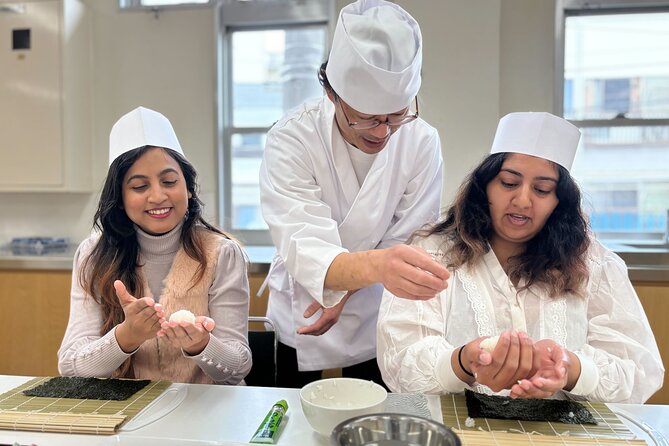
The best part of this 90-minute Tsukiji sushi class is that you do not simply watch a chef work. You handle the rice, fish, and rolling mat yourself, then sit down to eat five nigiri and one rolled sushi that you made minutes earlier. The fish-cutting demonstration adds a useful look at the craft behind the counter.
I like the small, hands-on format, which makes this a good fit for beginners and families. I also like the setting: a traditional Japanese-style classroom in a local building near the Tsukiji market, with ingredients and utensils sourced from the market area. The main consideration is the third-floor classroom, reached only by stairs, and the class may run past its planned end time.
Key points to know before booking
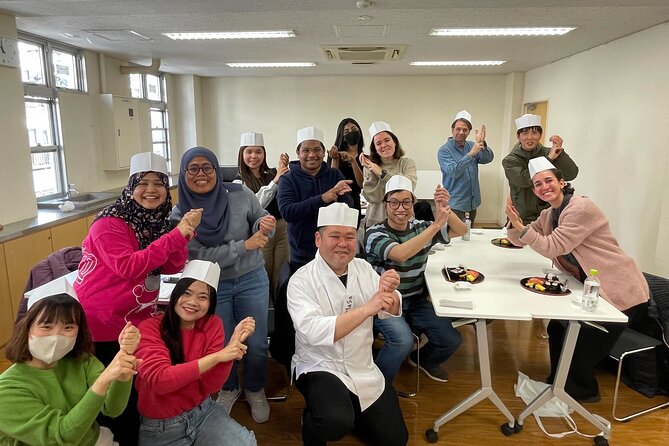
- Five nigiri plus one roll: You prepare a generous tasting-sized lunch and eat your own work.
- A real fish-preparation demonstration: The sushi master explains the steps involved in preparing fish and introduces the Japanese knives used.
- English support throughout: An English-speaking host helps interpret the chef’s instruction and keeps the class easy to follow.
- A classic Tsukiji setting: The classroom is in a traditional building near Tsukiji Fish Market, Tsukiji Jogai Market, and the Nippon Fish Port Market.
- Good for first-timers and families: Children from about 7 to 12 have taken part, and complete beginners are welcome.
- A compact activity: At about 1 hour 30 minutes, it fits neatly into a Tokyo sightseeing day.
Why this Tsukiji class works so well
Sushi can look simple until you try to shape it. A small mound of rice, one slice of fish, and a dab of wasabi require more care than most first attempts suggest. This class gives you a friendly introduction without asking you to spend half a day in a cooking school.
The session is led by a professional sushi master with help from an English-speaking host. Names vary by session, but instructors and assistants mentioned by participants include Chef Tanaka, Chef Kate, Yuko, Yoko, Yugo, Kanon, Emma, Nao, Miky, and AJ. The important point is the two-part teaching setup: the chef demonstrates the technique, while the host makes sure the instructions are clear.
You learn by doing. The chef shows you how the fish is prepared, explains the knives, and then guides you through nigiri and rolled sushi. Staff help when your rice shape goes astray or your roll needs a little rescue. That makes the class approachable even if you have never made sushi before.
The class also gives you a better sense of what sushi actually is. It is not just raw fish placed on rice. Rice temperature, pressure, shape, cutting technique, knife care, wasabi, and the balance between fish and rice all matter. You will not become a professional sushi chef in 90 minutes, but you will leave with a clearer idea of why skilled sushi takes practice.
More Sushi Making Classes in Tokyo
- Sushi Making Tokyo Roll and Authentic Japanese Sushi Class
★ 5.0 · 3,971 reviews - Tokyo: Roll and Authentic Sushi Making Class in Asakusa
★ 4.9 · 1,957 reviews - Tokyo: Sushi Making Class in a Happi Coat near a Famous Spot
★ 4.9 · 1,377 reviews
Starting near Tsukiji’s market streets
You make your own way to the meeting point at 4-chōme-16-2 Tsukiji, in Chuo City. The activity is near public transportation and finishes at the same meeting point, so you do not need to arrange a taxi or follow a guide across Tokyo afterward.
The location matters. Tsukiji’s inner wholesale market moved to Toyosu, but the outer market remains a popular place for food shops, small restaurants, and market stalls. The class sits close to Tsukiji Jogai Market and the Nippon Fish Port Market, so you can pair it with a walk through the market area before or after your lesson.
I would allow extra time before the class to find the building. The classroom is described as a local, traditional-style space rather than a large modern cooking studio. That gives the experience a more everyday Tokyo feel, but it also means you should pay close attention to the meeting instructions and not expect a prominent attraction entrance.
The classroom is on the third floor, and there are only stairs. If stairs are difficult for you, this is a serious point to consider before paying. The group can include as many as 20 people, although the space is described as intimate and particularly comfortable for smaller groups.
Watching the chef prepare the fish
The first major teaching moment is a fish disassembly demonstration. The chef takes you through the steps used to prepare fish for sushi, rather than treating the finished slice as something that simply arrives on a plate.
You also learn about Japanese knives. Knife work is central to sushi preparation, and the demonstration helps explain why the cut matters. The angle, thickness, and direction of a slice affect both texture and appearance. Even if you never buy a sushi knife, this part gives you a useful look at the precision behind a traditional sushi counter.
This is also where the class feels more substantial than a quick food activity. You are not only making a roll for a photograph. You are seeing part of the preparation process and hearing about the tools used by the chef.
The demonstration may be especially interesting if you enjoy markets and food craft. It is not described as a full fish-butchery course, so keep your expectations sensible. The main purpose is to show you the process and prepare you for the sushi-making section.
Making five nigiri and one rolled sushi
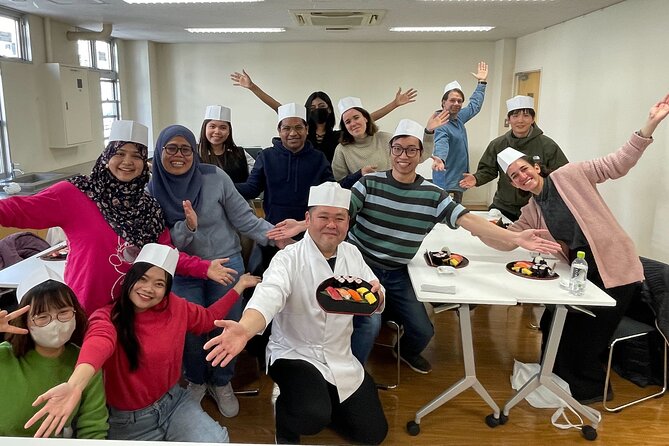
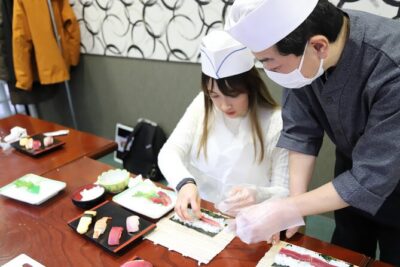
After the demonstration, the chef explains the different types of sushi and shows the correct steps for making nigiri and rolled sushi. You then prepare five different nigiri pieces and one maki-style roll.
Nigiri is the familiar hand-shaped sushi made with rice and a topping. The challenge is pressing the rice firmly enough to hold its shape without crushing it. You also need to place the fish neatly and use the right amount of wasabi. The chef and assistants guide you step by step, so you do not have to guess your way through the process.
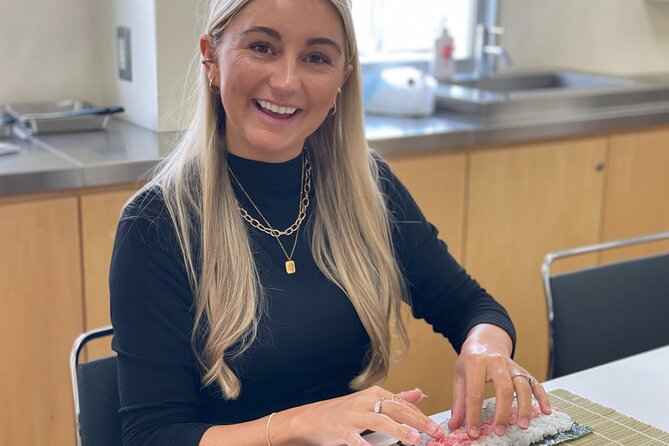
The rolled sushi gives you a second technique. You work with the rolling mat and learn how to distribute the ingredients before forming the roll. Beginners often find the rolling stage less tidy than it looks in a restaurant, which is part of the fun. Your finished piece may not have the exact symmetry of the chef’s version, but you will understand how the shape is made.
Proper sushi utensils and tableware are provided. The ingredients are fresh and sourced from the market area. You do not need to bring equipment, buy supplies, or worry about finding unusual ingredients in a Japanese supermarket.
The class has enough practical work to keep you involved, but it is not so long that the technique becomes tiring. Families in particular may appreciate the pace. Children can focus on shaping and rolling, and making the food themselves can encourage them to try sushi or sashimi they might otherwise avoid.
More sushi classes in Tokyo:
- Tsukiji Fish Market Guided Tour and Sushi Making with Pro Chef
★ 5.0 · 775 reviews - Tokyo: Tsukiji Fish Market Sushi Making Class with Pro Chef
★ 4.9 · 506 reviews - Tokyo: Sushi Making Class
★ 4.9 · 390 reviews - Tokyo Tsukiji Fish Market Tour and Sushi Making Lesson
★ 5.0 · 390 reviews
Eating your own sushi for lunch
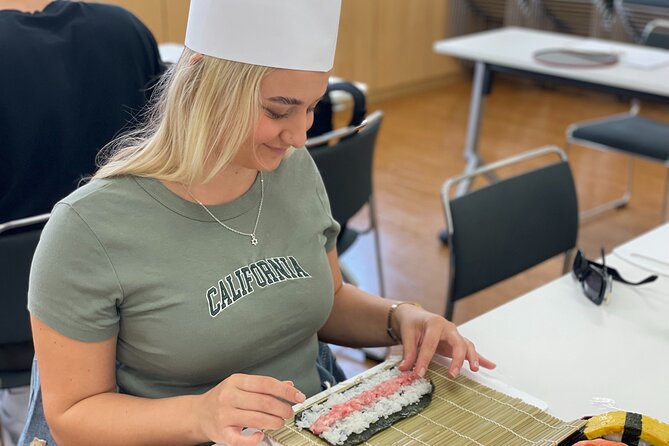
The reward arrives quickly. You eat the sushi you have just prepared, including the five nigiri and one roll. This is lunch, not just a tiny sample at the end of a cooking lesson, so I would arrive with some appetite.
While you eat, the sushi master prepares another piece for you. Fresh wasabi is also served. That gives you a useful comparison between your beginner’s work and sushi made by someone with professional training.
The food value is one reason the price feels reasonable. At $49.74 per person, you are paying for instruction, fresh ingredients, a professional chef, an English-speaking host, equipment, and a prepared meal. A normal sushi lunch might cost less, especially if you choose a simple restaurant, but it would not include the fish demonstration or the chance to make the food yourself.
The meal is also a good way to understand the lesson. You notice the difference between a loose roll and one that holds together. You see why rice quantity matters. You get to enjoy the results without waiting for another meal later in the day.
Do not expect unlimited food, extra drinks, or a full restaurant tasting menu. Extra food and drinks are not included. The included portion is the sushi you make, five nigiri and one roll, plus the additional preparation from the chef.
What makes the English instruction useful
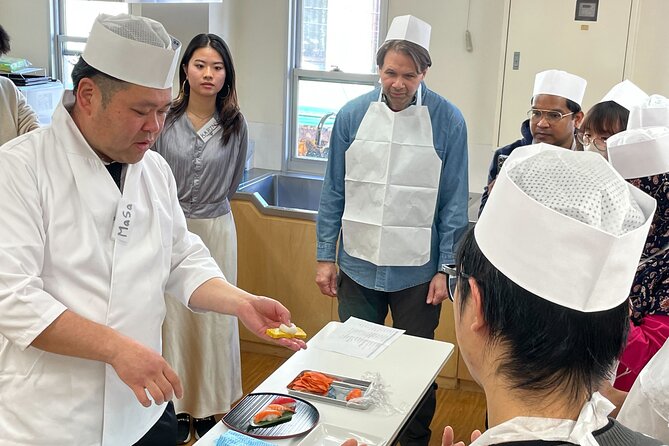
The English-speaking host is an important part of the experience. Sushi instruction depends on small physical details, and a quick translation of the general idea is not enough. The host helps explain what the chef is doing and makes it easier to follow each step.
Several instructors received specific praise for being clear, warm, and helpful. Yuko and Yoko assisted with translation, while Yugo was described as an energetic guide and assistant. Chef Tanaka and Chef Kate were also frequently singled out for their patient demonstrations and practical help. Staff names may differ on your date, but the teaching arrangement remains the same.
The class is designed for beginners, not professional cooks. You can ask for help, and staff assist with shaping, cutting, and rolling. That reduces the pressure to get everything right on the first attempt.
The atmosphere also suits people who are new to sushi itself. You do not need extensive knowledge of Japanese food. The chef explains different sushi types and gives context about sushi’s development in Edo, the old name for Tokyo. This history is brief and connected to the food in front of you, rather than presented as a separate lecture.
How to fit it into a Tokyo day
The short duration is a practical advantage. At about 1 hour 30 minutes, the activity can fit between a morning market visit and an afternoon in Ginza, Asakusa, or another central Tokyo district.
You should not schedule an appointment immediately afterward. The stated ending time is approximate, and the activity may go beyond the planned finish. Give yourself a reasonable buffer, especially if you have a timed museum entry, train reservation, or dinner booking.
Because you make your own way to the meeting point, transport planning is simple. There is no hotel pickup or drop-off, and no transportation to other attractions is included. That is a drawback if you want a fully escorted tour, but it is an advantage if you prefer to control your Tokyo route.
The class itself ends back at the meeting point. That makes it easy to continue eating your way through Tsukiji’s outer market, browse food shops, or head elsewhere without returning to a distant hotel.
Families, food beginners, and sushi fans
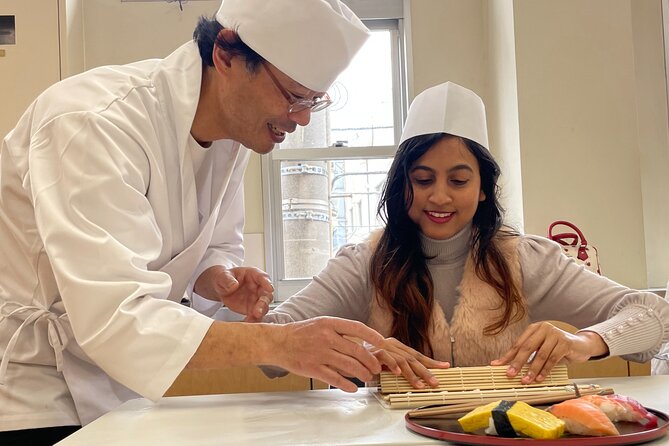
This is a strong family activity. Children between 7 and 12 have taken part, and the hands-on work gives younger participants something concrete to do. The class can also help cautious eaters try unfamiliar fish because they have helped prepare the meal themselves.
I would also recommend it to adults who like food but do not cook much. The instructions are broken into manageable steps, and the chef provides help when needed. You get an experience you can remember and perhaps repeat at home with the right ingredients.
Experienced sushi fans will enjoy the fish preparation and knife discussion, but the making section is introductory. If you already prepare nigiri regularly, you may want a longer and more technical course. This class is best seen as an accessible introduction with a market setting and a meal included.
The activity is also a sensible rainy-day choice. The classroom is indoors, and the session does not depend on good weather. You can still combine it with the covered and shop-lined parts of Tsukiji, though conditions outside may affect how long you want to browse the market.
Important practical details before you reserve
The activity has free cancellation if you cancel at least 24 hours before the local start time. Cancellations or changes made less than 24 hours ahead are not refunded or accepted, so check your Tokyo schedule before booking.
Tell the provider about food allergies when you reserve. Allergy requests may be accommodated, but they are not guaranteed. Halal and kosher requests cannot be accommodated, and kosher service is specifically unavailable.
The classroom requires stairs to the third floor. This experience is best for people who have no trouble with stairs. The maximum group size is 20, though the room may feel more personal with a smaller class.
The meeting point is in Tsukiji, and the activity does not include hotel transport. Bring a phone with the mobile ticket available, and leave extra time to reach the address. If you have a fixed plan after the class, tell the provider in advance and still leave a buffer.
Should you book this Tsukiji sushi class?
I would book this experience if you want a short, practical introduction to sushi and you like the idea of eating what you make. The combination of a fish-cutting demonstration, five nigiri, one roll, English assistance, and a Tsukiji location gives you more substance than a simple restaurant meal.
It is especially well suited to families, first-time sushi makers, curious food lovers, and anyone looking for a compact indoor activity. The price is fair for the instruction, ingredients, equipment, and lunch, though it is not the right choice if you need a halal or kosher meal, cannot use stairs, or want advanced chef training.
Arrive hungry, allow extra time around the 90-minute schedule, and plan to explore Tsukiji before or after. If those details work for you, this is an easy way to turn lunch into a useful Tokyo memory.
FAQ
How long does the sushi-making class last?
The class lasts approximately 1 hour 30 minutes.
Where does the activity meet?
It starts at 千社額棟4-chōme-16-2 Tsukiji, Chuo City, Tokyo 104-0045, Japan.
Where does the activity finish?
The class ends back at the meeting point.
What sushi will I make?
You will make five different nigiri sushi pieces and one rolled sushi.
Is lunch included?
Yes. You eat the sushi you make during the class.
Is an English-speaking guide included?
Yes. An English-speaking host and a professional sushi master lead the activity.
Is hotel pickup included?
No. You make your own way to the Tsukiji meeting point, and hotel pickup and drop-off are not included.
Can the class accommodate food allergies?
You should report allergies when making your reservation. The provider will try to accommodate allergy-related requests, but accommodation is not guaranteed.
Can I book this activity if I need halal or kosher food?
No. Halal and kosher requests cannot be accommodated.
Does the classroom have stairs?
Yes. The classroom is on the third floor of a traditional Japanese building and can only be reached by stairs.
What is the cancellation policy?
You can cancel for a full refund up to 24 hours before the local start time. Cancellations and changes made less than 24 hours before the start are not accepted or refunded.
More Workshops in Tokyo
- Tokyo Shinjuku Chopsticks Making Class
★ 5.0 · 1,763 reviews - Chopstick Making Workshop in Ginza
★ 4.8 · 1,366 reviews - Ramen & Gyoza Cooking Class in Tokyo with Local Supermarket Visit
★ 5.0 · 823 reviews - Matcha Making Class in Tokyo with Authentic Japanese Sweets Set
★ 5.0 · 744 reviews
More Fish Market Tours
- Tokyo Tsukiji Fish Market Food and Culture Walking Tour
★ 5.0 · 3,184 reviews - Tokyo: Tsukiji Fish Market Food and Walking tour
★ 5.0 · 1,724 reviews - Tokyo: Tsukiji Fish Market Guided Walking Tour
★ 4.9 · 1,397 reviews - Tokyo: Tsukiji Fish Market Food and Culture Walking Tour
★ 4.7 · 757 reviews
Just added around Tokyo
- Private Arrival Transfer : Narita International Airport to Central Tokyo City★ 4.5 · 12 reviews
- Narita Airport(NRT): Private Transfer to Tokyo/Yokohama 1-9pax★ 5.0 · 47 reviews
- Private Transfer from Narita Airport to Yokohama Port and City★ 4.5 · 17 reviews
- [Narita Airport Terminals 1, 2] 40-60km Sawara Itako Historic Bike Tour★ 5.0 · 13 reviews
- 3 Day Japan Highlights Tour: Tokyo, Mt.Fuji, Nara, Kyoto, Osaka★ 5.0 · 22 reviews
- Small Town in the Big City: Tasting Tokyo’s Kichijoji★ 5.0 · 195 reviews
- Small Town in the Big City: Tasting Tokyo’s Kichijoji★ 5.0 · 16 reviews
- The 10 Tastings of Tokyo With Locals: Private Street Food Tour★ 5.0 · 48 reviews
Tsukiji Fish Market Tours, compared.
Tokyo Tsukiji Fish Market Food and Culture Walking Tour
Read our review →
Tsukiji Fish Market Guided Tour and Sushi Making with Pro Chef
Read our review →Tsukiji Fish Market Food and Culture Walking Tour
Read our review →
Tsukiji Fish Market: Street Food & Culture Walking Tour
Read our review →
Tsukiji Fish Market Small-Group Food Walking Tour
Read our review →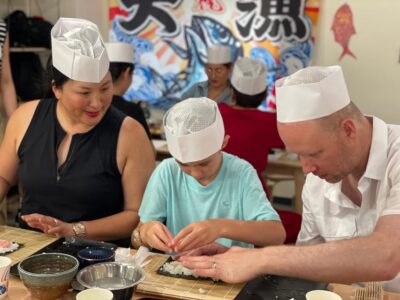
Tsukiji Fish Market Sushi Making Class with Pro Chef
Read our review →Browse the lists this tour appears in