
Reviewed · KYOTO TOURS
Kyoto Geisha Walking Tour: Gion District & Hidden Gems
Gion’s greatest attraction is not a single temple or photo stop. It is the chance to walk through Kyoto’s old entertainment quarter as lanterns come on, wooden teahouses close their doors, and Geiko or Maiko may hurry to an appointment. The atmosphere is the main event, and a good guide helps you understand what you are seeing instead of treating the district like a stage set.
I like two things here. First, the tour explains geisha culture in plain English, including its origins, traditions, and place in modern Kyoto. Second, it adds quieter lanes, preserved machiya houses, and useful restaurant and shopping suggestions to the famous streets. The main consideration is that seeing a Geiko or Maiko is not guaranteed, and two hours of walking can feel long in cold weather or for anyone with limited mobility.
Key points before you book
- Two hours in Gion: A brisk introduction to the district, with several historic streets, temples, and photo stops.
- Geiko and Maiko sightings: You may see elegantly dressed performers traveling to appointments, but this is an opportunity, not a promise.
- Several major sights: The route includes Hokan-ji Pagoda, Kennin-ji Temple, and Chion-in Temple, along with traditional teahouses and machiya homes.
- Strong guide element: Michael is frequently named for his clear explanations and friendly manner; Yuri, Anton, and Ikuro also lead tours.
- Useful Kyoto advice: Save time after the walk for food, bars, shops, pottery, perfume-making, and other activities recommended by your guide.
- Low price, solid value: At $25 per person, this is an inexpensive way to get context and orientation in one of Kyoto’s most confusing districts.
Why Gion makes a good first walk in Kyoto
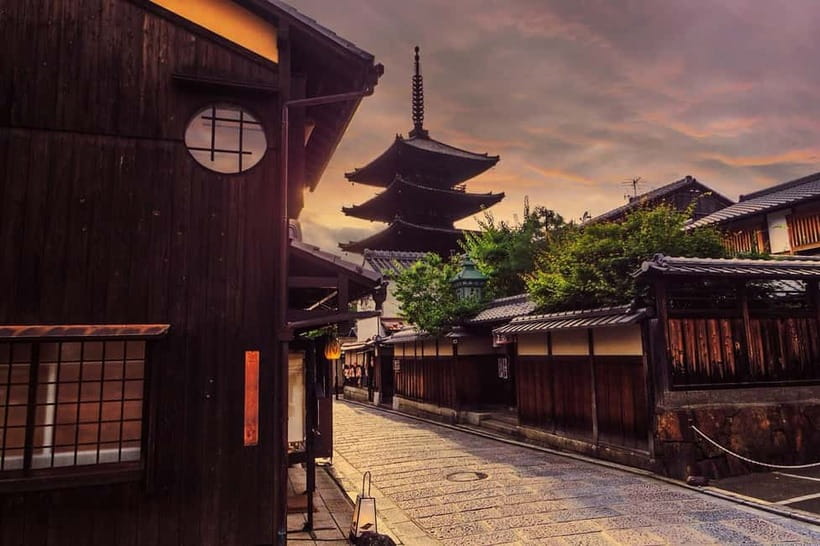
Gion can look simple at first: narrow lanes, tiled roofs, wooden facades, and paper lanterns. But without some background, you may miss the difference between a traditional machiya townhouse, a private teahouse, a restaurant, and a souvenir shop designed for passing visitors.
This walk gives the district a framework. You learn why Gion developed around entertainment and tea houses, how Kyoto’s older architecture has been preserved, and how geisha culture fits into present-day life. The guide does not simply point at a dressed-up figure and move on. The aim is to explain the people, places, and customs behind the image.
I especially like this approach for a first or second day in Kyoto. You get your bearings in Gion, then receive suggestions for the rest of your stay. Several guides, especially Michael, are praised for offering recommendations on restaurants, bars, attractions, and films that can help you continue exploring the culture after the tour ends.
The meeting point is on the side street beside Hotel Alza Kyoto. Look for the red parasol and marble seats underneath. That detail matters because Gion has plenty of narrow streets and busy corners, so arrive with enough time to identify the spot rather than rushing in at the last minute.
More Hidden Gems Walks in Kyoto
- Private Kyoto Tour with a Local, Highlights & Hidden Gems, Personalised
★ 5.0 · 1,543 reviews - Arashiyama Bamboo Forest & Hidden Gems Bike Tour (Early Bird)
★ 5.0 · 613 reviews - Kyoto: Hidden Gems E-Bike Tour with Local Japanese Guide
★ 4.9 · 189 reviews
Cobblestones, machiya houses, and the old Gion mood
The opening part of the walk takes you into the streets that give Gion its special character. Traditional machiya houses line parts of the district, with narrow fronts and carefully maintained wooden details. They are not just pretty backdrops. They show how Kyoto’s older commercial and residential buildings shaped the look of the neighborhood.
You will also pass tea houses where Geiko and Maiko perform privately for wealthy clients. From the street, these establishments can be discreet and easy to miss. That is one reason a local guide is useful. The buildings reveal little, and the stories surrounding them are not obvious from a map.
Do not expect to enter every teahouse or watch a private performance. The tour is a walking introduction to the district, not an entertainment booking. The value comes from learning how these places function and why their privacy matters.
Gion is also a working neighborhood, not a historical theme park. During the walk, you might see people heading to dinner, shopkeepers opening or closing, and Geiko or Maiko moving quickly between appointments. That ordinary movement is part of the appeal. You are seeing a living district with an old visual identity, not a recreated village.
Geiko and Maiko: what the guide helps you understand
The possibility of seeing a Geiko or Maiko is a major reason people book this tour. Their elaborate clothing and formal appearance can seem mysterious, especially if you are encountering geisha culture for the first time.
The guide explains the origins of geisha culture, the terminology used in Kyoto, and its role in modern society. That context keeps the experience respectful and helps you see these women as working professionals rather than as photo props.
Sightings depend on timing and chance. One participant on a 6 p.m. walk found the quieter evening setting ideal, with enough space to look around and ask questions. Another person saw a Geisha going about her day. Someone else did not see one at all, but still found the explanations and historic sites worthwhile.
That is the honest way to judge this experience. If your entire reason for booking is a guaranteed encounter, this is not the right product. If you want a better understanding of Gion and would be pleased to spot a Geiko or Maiko along the way, the arrangement makes much more sense.
Your behavior matters here. The tour’s purpose is to observe and learn, not to chase people through the streets. A guide can help you understand the setting and point out details without turning the neighborhood into a photo hunt.
Hokan-ji Pagoda and the best photo opportunities
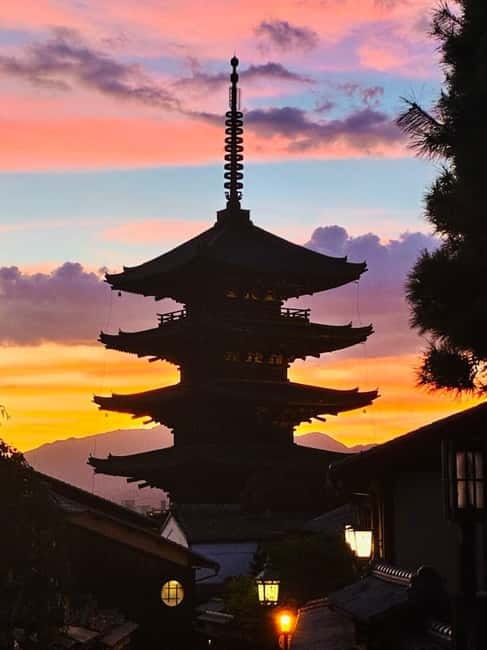
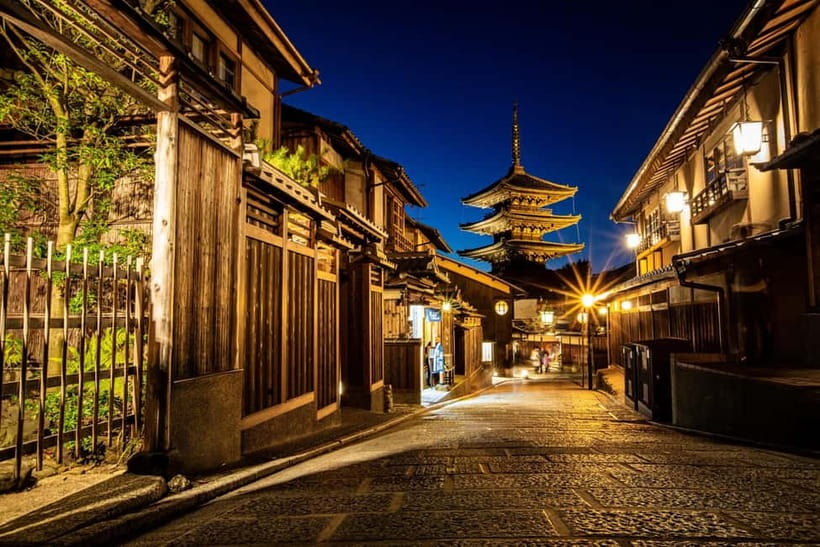
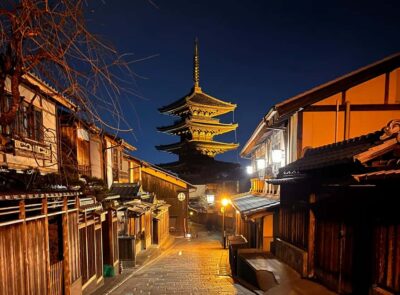
Hokan-ji Pagoda is one of the walk’s most recognizable sights. Its tall wooden form provides a strong visual marker in the old streets, and the surrounding area offers some of the classic Kyoto views that people hope to see.
The tour also seeks out less obvious photo locations. These quieter spots can be more rewarding than standing in the middle of a packed street with dozens of people taking the same picture. Your guide can show you how the pagoda, wooden buildings, lanes, and lanterns fit together.
The promise of stunning photos should be understood sensibly. The setting gives you plenty of attractive subjects, but the result depends on light, weather, crowds, and your own camera. An afternoon start may offer better daylight, while an evening start gives you the lantern-lit mood of Gion. One person specifically felt a 3 p.m. start was preferable because later tours had less sunlight.
If photography matters to you, check the available starting times and choose based on your priorities. Daylight is better for architectural detail. Evening is better for atmosphere. Neither time guarantees a Geiko or Maiko sighting.
More off-the-list walks in Kyoto:
- Kyoto: Gion Hidden Gems & Geisha Culture Tour
★ 4.9 · 126 reviews - Highlights & Hidden Gems With Locals: Best of Kyoto Private Tour
★ 5.0 · 121 reviews - Kyoto: Hidden Gems E-Bike Tour Through Backstreets & Temples
★ 4.9 · 54 reviews - KIYOTO’s Kyoto Private E-Cycling Tour: Highlights & Hidden Gems
★ 5.0 · 48 reviews
Kennin-ji Temple: a calmer stop in the middle of Gion
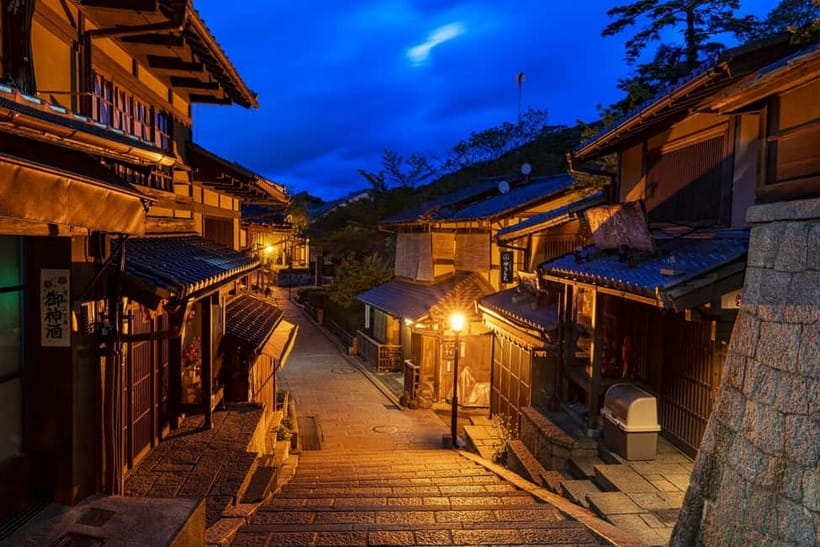
Kennin-ji is described as the oldest Zen temple in Kyoto, and it offers a welcome change from the narrow lanes and commercial edges of Gion. The temple’s calm setting helps you understand that the district is connected to religious Kyoto as well as to tea houses and nightlife.
The stop is useful because it broadens the story. Gion is often reduced to geisha culture, but Kyoto’s identity has always included temples, spiritual practice, architecture, and art. Kennin-ji gives the guide a place to explain that wider setting.
The tour lasts only two hours, so treat this as an overview rather than a full temple visit. The route covers several important locations, and the exact amount of time at each one may vary with the group and the guide. If Kennin-ji is a major priority, leave time to return independently and explore at a slower pace.
That is a recurring theme here. The walk is designed to introduce you to Gion, not to replace a full day of sightseeing. I see that as a strength for first-time visitors, though dedicated temple fans may want additional time afterward.
Chion-in and the broader Kyoto story
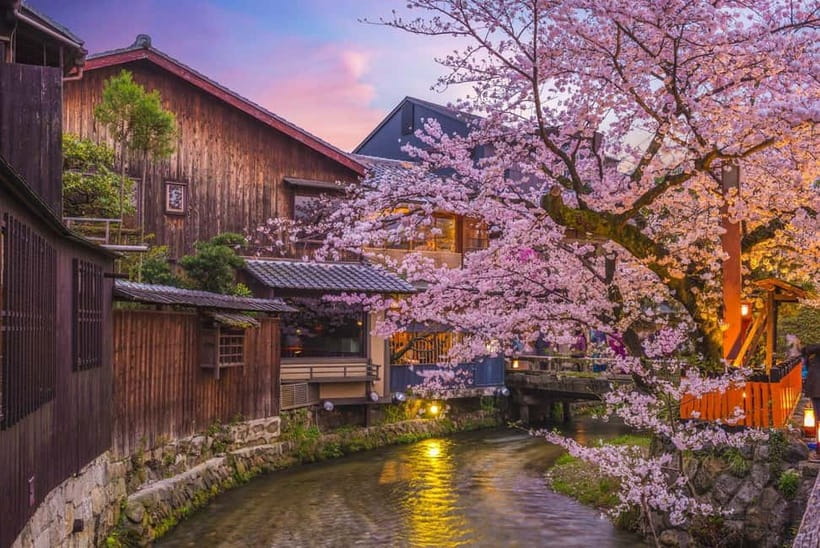
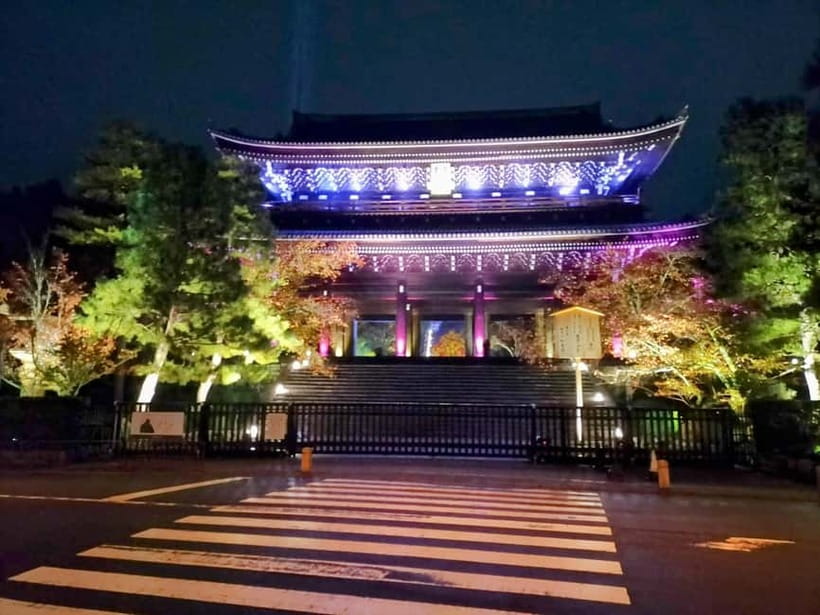
Chion-in is another important stop, and it is often overlooked by people who stay on Gion’s best-known lanes. Its large, picturesque grounds provide a sense of scale that the compact streets of the entertainment quarter cannot.
The temple is home to three designated national treasures, adding considerable cultural weight to the route. Even if you do not spend long inside the grounds, seeing Chion-in helps you connect Gion with the wider religious and architectural history of Kyoto.
The route’s mix of famous and less obvious places is one of its best features. You see the postcard sights, but you also get reminders that Kyoto is more than its most photographed alleyways. Your guide shares stories about architecture, local history, and traditions passed down through generations, giving each stop a reason to matter.
Keep in mind that a two-hour walking tour cannot provide an exhaustive visit to every temple. Think of Chion-in as part of a carefully packed introduction. If you want a quiet temple morning, return separately when you can spend more time there.
Why the guide can make or break this walk
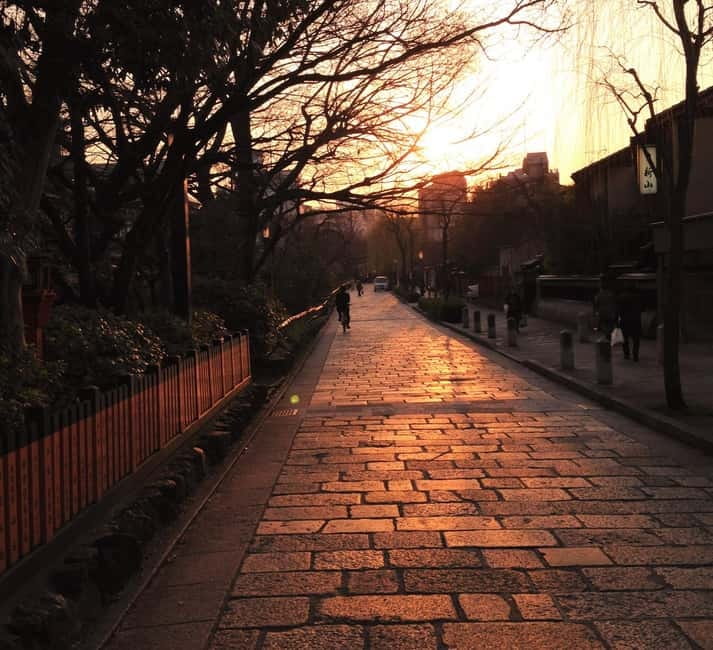
The material is interesting, but the guide determines how much you take away. The strongest feedback centers on clear explanations, enthusiasm, humor, and willingness to answer questions.
Michael is the guide most often named in the supplied feedback. He is described as friendly, passionate, and especially good at connecting Gion’s buildings and customs to the wider story of Kyoto. He also speaks English, French, Japanese, and some Arabic, according to one participant.
Yuri, Anton, and Ikuro are also named as guides who made the walk engaging and informative. One small group found the experience felt almost private when only a few people joined. Another participant said the guide adjusted the walk to match personal interests. Group size can vary, so do not assume every departure will feel private, but a smaller group naturally allows more questions.
The best part of the guiding style is its practical side. You are encouraged to ask about restaurants, bars, shops, and other Kyoto attractions. You may also receive suggestions for pottery or perfume-making activities. I recommend keeping your evening open after the tour, especially if you want to use those recommendations while you are already in the area.
Timing, walking effort, and weather
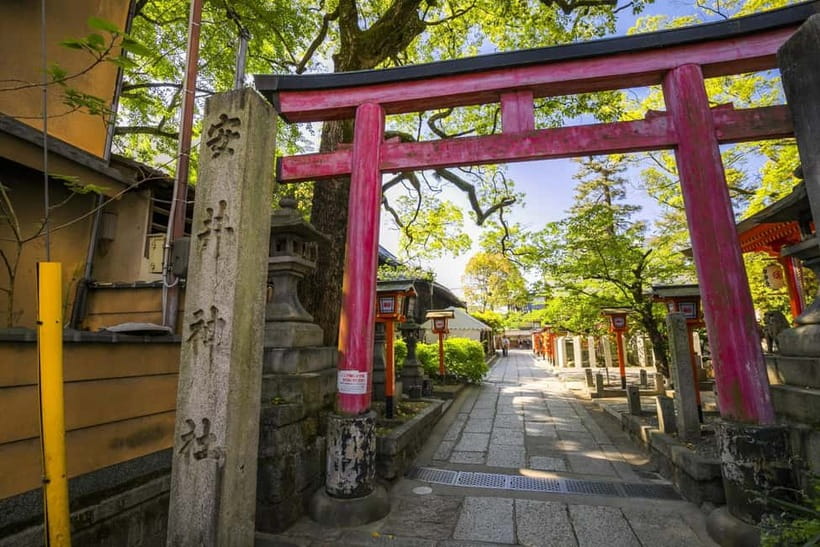
The tour runs for two hours, and it is conducted on foot. You should expect cobblestones, narrow lanes, temple grounds, and plenty of standing while the guide explains what you are seeing.
It is not suitable for people with mobility impairments or wheelchair users. Wear comfortable shoes and dress for the season. A winter participant found the cold difficult and suggested that a warm-up stop would have helped, so winter visitors should take the weather seriously.
Starting time changes the character of the walk. A 3 p.m. departure gives you more daylight for buildings and photographs. A 6 p.m. departure can make Gion feel quieter and more atmospheric, with lanterns beginning to glow. The right choice depends on whether you prefer clear architectural views or evening mood.
The tour can also work well for families. One participant specifically noted that Michael was good with children. Still, the walking length and cold-weather exposure may be tiring for younger children, so consider your group’s pace before booking.
Is $25 a fair price for two hours?
At $25 per person, this is a strong value if you want orientation and cultural context rather than a private performance. You are paying for an English-speaking guide, a planned route through one of Kyoto’s most significant districts, and advice that can improve the rest of your trip.
The price is especially reasonable for first-time visitors who might otherwise spend two hours wandering without understanding what they are seeing. A guide can show you the difference between a public attraction and a private teahouse, explain the role of Geiko and Maiko, and point out streets you might skip on your own.
It is not the best value for everyone. If you already know Gion well, or if you want extended temple visits and a guaranteed geisha performance, you will need a different kind of experience. This is a walking overview, not a luxury evening or a private cultural event.
Free cancellation up to 24 hours before the tour and reserve-now, pay-later booking make it easier to fit into a changing Kyoto schedule. Check the starting times when booking, since daylight and evening atmosphere offer noticeably different experiences.
Who should book this Gion walk?
I would choose this tour for a first visit to Kyoto, especially if you are curious about geisha culture but want more than a quick photograph. It also suits history fans, culture-focused visitors, families with older children, and anyone who likes to learn the story behind a neighborhood.
It is a good early-trip activity because the guide supplies restaurant, bar, shopping, and sightseeing ideas. You can use the walk to decide where to return later, rather than trying to cover every street in one evening.
I would be more cautious if you have trouble walking, use a wheelchair, dislike outdoor activities in cold weather, or need guaranteed access to an indoor venue. I would also avoid booking it solely for a promised Geiko or Maiko sighting. The cultural explanation and district overview are the reliable parts. The sighting is a fortunate extra.
My call: a smart introduction to Gion
Book this tour if you want Kyoto’s famous geisha district to make sense. The route combines teahouses, machiya houses, temples, pagodas, quieter lanes, and practical local advice in a short, affordable walk.
Choose a daylight start for photography and architectural detail, or an evening slot for lanterns and a calmer mood. Leave time afterward for dinner or one of the activities your guide suggests.
At $25, the risk is low and the payoff is high for a first look at Gion. Just bring comfortable shoes, dress for the weather, and treat a Geiko or Maiko sighting as luck rather than a guarantee.
FAQ
How long does the Kyoto Geisha Walking Tour last?
The tour lasts two hours.
How much does the tour cost?
The listed price is $25 per person.
Where does the tour meet?
The meeting point is on the side street next to Hotel Alza Kyoto. Look for the red parasol or umbrellas with marble seats underneath.
What language is the tour conducted in?
The live guided tour is conducted in English.
Can I see a Geiko or Maiko?
You have an opportunity to spot Geiko and Maiko as they travel to appointments, but a sighting is not guaranteed.
Which Kyoto sights are included on the walk?
The route includes the Gion district, Hokan-ji Pagoda, Kennin-ji Temple, Chion-in Temple, traditional machiya houses, tea houses, and boutique-style souvenir shops.
Does the tour explain geisha culture?
Yes. The guide explains the origins of geisha culture, its traditions, its role in modern society, and its connection to Gion.
Is the tour suitable for wheelchair users?
No. The activity is not suitable for wheelchair users or people with mobility impairments.
Can I cancel for a full refund?
Yes. You can cancel up to 24 hours in advance for a full refund.
Can I reserve now and pay later?
Yes. The booking option allows you to reserve your place and pay nothing at the time of booking.
More Walking Tours in Kyoto
- Kyoto Gion Geisha District Walking Tour – The Stories of Geisha
★ 5.0 · 1,441 reviews - Nishiki Market Brunch Walking Tour (7 Tastings + Brunch)
★ 5.0 · 1,355 reviews - Kyoto Arashiyama Walking Tour: Bamboo, Monkeys, Gardens & Secrets
★ 5.0 · 1,216 reviews - Kyoto Gion: 2-Hour Geisha Culture & History Walking Tour
★ 5.0 · 1,186 reviews
More Geisha Experiences
- Kyoto: Gion Magical Night Walking Tour with Geisha Trivia
★ 4.9 · 2,393 reviews - Kyoto: Gion Geisha District Walking Tour – Stories of Geisha
★ 4.7 · 2,187 reviews - Best of Kyoto: Gion, Geisha, Pagodas & Cobblestones
★ 4.9 · 2,058 reviews - Night Walk in Gion: Kyoto’s Geisha District
★ 4.5 · 2,003 reviews
Just added around Kyoto
- Kyoto: Zen Meditation at a Private Temple with a Monk★ 5.0 · 25 reviews
- Kyoto: Gion Geisha District & Sake-in-Hand Walking Tour★ 5.0 · 37 reviews
- Private Pewter Sake Cup Experience with a Kyoto Artisan★ 5.0 · 31 reviews
- Your Private Vacation Photography Session In Kyoto★ 5.0 · 110 reviews
- Private Guided Traditional Buddhist Cooking in Japan★ 5.0 · 16 reviews
- Kyoto Wagashi(Japanese sweets) Cooking Class near Fushimiinari★ 5.0 · 60 reviews
- Traditional Japanese Music show & Experience Tour in Kyoto★ 5.0 · 57 reviews
- Kyoto:Family-Friendly Kimono & Yukata Experience at WARGO★ 5.0 · 147 reviews
Kyoto Tours, compared.
Fushimi Inari, Kinkakuji, Bamboo Grove 1 Day Bus Tour
Read our review →
Tea Ceremony in a Traditional Tea House in Kiyomizu
Read our review →
Gion Magical Night Walking Tour with Geisha Trivia
Read our review →
Gion Geisha District Walking Tour – Stories of Geisha
Read our review →
Best of Kyoto: Gion, Geisha, Pagodas & Cobblestones
Read our review →Browse the lists this tour appears in