
Reviewed · KYOTO TOURS
Kyoto: Forge Your Own Ninja Weapon with Japanese Tin Casting
The hot metal is the star here. You shape casting sand, pour molten tin, cool it in water, then file and polish a real 8 to 10 centimeter ninja piece. This is not a shop-bought trinket. It is a small object you made from start to finish.
I especially like the hands-on casting and the easy location, only three minutes from Demachiyanagi Station. I also like that staff guide you closely, with English and Japanese support, so beginners and children can take part. The main consideration is time: a shuriken or kunai takes about two hours, while the oni mask can take 150 minutes, and the work may run longer.
Key points to know before booking
- Molten tin at 230 degrees Celsius: Staff supervise the pouring, but this remains a real hot-metal workshop.
- Three designs: Choose a shuriken, a kunai, or an oni-inspired mask, with the kunai and mask offered as optional upgrades.
- You finish the piece yourself: Filing, grinding, rust protection, and oiling give the souvenir its personal character.
- A good family activity: Children can take part with staff assistance, but anyone under 15 must have a guardian.
- Easy Kyoto access: The studio is a three-minute walk from Demachiyanagi Station.
- A practical souvenir: Each finished weapon comes in its own box, making it easier to carry home.
Casting a ninja weapon beside Demachiyanagi Station
This workshop gives you a rare chance to work with metal in a controlled setting without needing prior craft skills. You are not simply watching a smith make something. You create the mold, handle the casting process with staff supervision, and spend real time shaping the final piece.
The location helps. Demachiyanagi Station sits at a useful meeting point in northern Kyoto, near the Kamo River and convenient rail connections. You do not need to build a whole day around reaching the studio. A short walk from the station gets you to the workbench, which is helpful when your sightseeing schedule is tight.
The workshop is run by Kendo Experience, with instruction available in English and Japanese. Daiki is one of the staff members praised for being friendly and helpful, and the teaching style is designed to keep the process moving without rushing you. If you are unsure how hard to file or where to smooth an edge, ask. The point is to help you make a good piece, not to test whether you already know metalwork.
One useful detail: bring a drink. Water is not provided, and even a two-hour craft session can feel warm and tiring while you work with tools.
More Samurai and Ninja Experiences in Kyoto
- Kyoto Samurai Experience
★ 5.0 · 1,294 reviews - Kyoto: Kendo and Samurai Experience with Uniform and Gear
★ 4.9 · 815 reviews - Kyoto: Samurai Sword Class by Experts in Traditional Arts
★ 4.9 · 657 reviews
Choosing between a shuriken, kunai, and oni mask
Your first decision affects both the look and the length of the session.
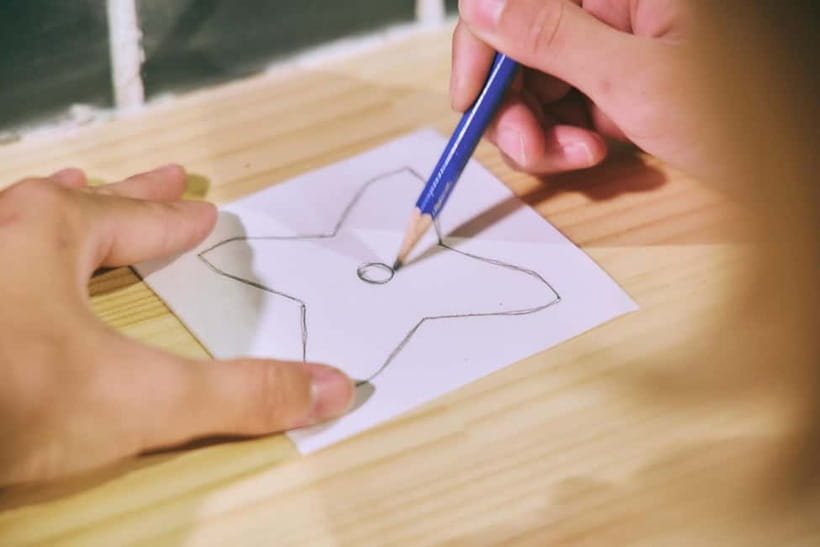
The shuriken is the simplest choice and usually the quickest. Its compact star shape makes it a good pick if you want the classic ninja symbol, prefer a shorter activity, or are working with a younger child. You still go through the full process, but there are fewer large surfaces and decorative details to finish.
The kunai offers a more substantial knife-shaped design. It is available as an optional upgrade, so check the current price when booking. This is a strong choice if you want a souvenir that feels more like a small crafted tool than a display star. The finished object remains only 8 to 10 centimeters, so keep expectations in check. You are making a compact metal keepsake, not a full-size weapon.
The oni mask is the most involved option and takes about 2.5 hours. It adds gold leaf and a cord, allowing you to create something wearable or ready for display. The mask involves more finishing work and gives you more room for personal choices, but you need to allow extra time. If your Kyoto day is packed with temples and meals, do not squeeze this into a narrow gap.
The designs also suit different people. A child may prefer a shuriken because it is familiar and manageable. A collector or Japanese folklore fan may prefer the oni mask. Couples or friends could choose different designs and compare the finished results at the end.
Building the mold in casting sand
The first major task is creating a mold from special casting sand. You form the sand around the selected design so it can hold the shape of the final piece.
This step looks simple, but it matters. A clean, well-formed mold gives the molten tin a better path and helps preserve the shape. Staff explain how to press and shape the sand, then check your work before the pour. That guidance is especially useful for children and anyone who has never made a casting mold.
The mold is also where the craft begins to feel personal. You are not choosing a finished item from a shelf. Your pressure, care, and small imperfections become part of the process. The final object may have the same basic design as someone else’s, but the surface and finishing work will be yours.
Wear the provided apron. Equipment and materials for one weapon are included, so you do not need to bring tools. Food, alcohol, smoking, and drugs are not allowed in the studio, and the rules also prohibit making fire. Those restrictions make sense in a room handling heated metal.
Watching solid tin become molten metal
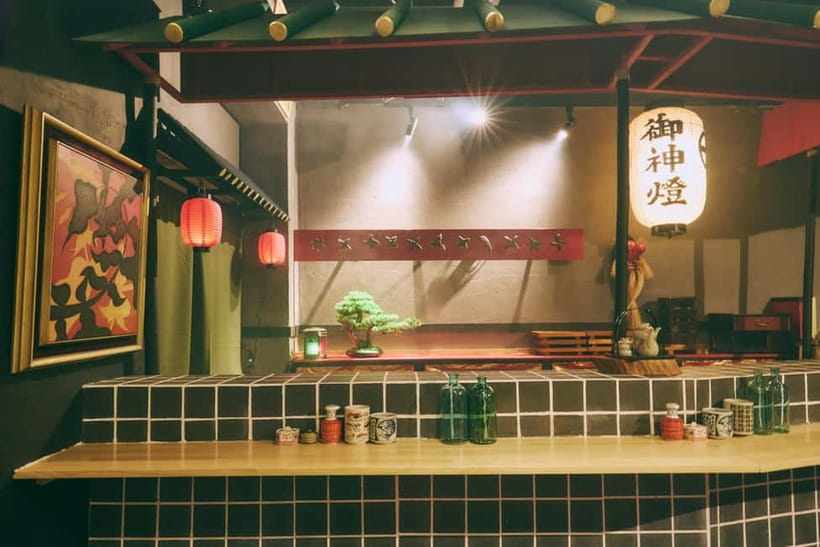
Tin melts at about 230 degrees Celsius, a much lower temperature than many other metals. That makes it suitable for a beginner workshop, but it is still hot enough to cause serious harm. Staff supervise this stage and guide you through the pour.
The change from solid metal to liquid is the most dramatic part of the session. You see the material become bright and fluid, then move it into the mold under instruction. This is where the workshop feels different from a standard craft class. You are not painting, gluing, or assembling a souvenir. You are casting metal.
Pay close attention to staff directions. The activity is suitable for beginners because the process is explained and supervised, not because hot metal is risk-free. Keep your hands and attention where staff tell you. Children need extra help, and anyone under 15 must attend with a guardian.
Once the tin enters the mold, it cools rapidly in water and solidifies. The quick change is satisfying, but the freshly cast item is not yet a finished work of art. Expect rough edges, leftover casting material, and surfaces that need attention.
More samurai and ninja sessions in Kyoto:
- Skip the lines Basic Ticket at SAMURAI NINJA MUSEUM KYOTO
★ 4.5 · 632 reviews - Ninja 1-hour Hands-on Lesson by Japanese master in Kyoto -Entry
★ 5.0 · 489 reviews - Kyoto: Ninja Weapon Forging Experience
★ 4.8 · 478 reviews - Kyoto: Samurai Kenbu Traditional Sword Dancing Show
★ 4.5 · 426 reviews
Filing, grinding, and giving the piece its character
After cooling, you shape the metal by hammering, filing, and smoothing it with a grinder. This is the longest hands-on part for many people, and it is where patience pays off.
The tools remove rough spots and refine the shape. You may want to rush toward the final polish, but careful filing makes the finished piece look cleaner. Staff can show you how to hold the tool and where to work next. The instructors are described as patient and clear, which matters here because a little advice can save you from overworking one area.
Do not expect every piece to look machine-perfect. That is part of the appeal. The casting gives you the basic form, while your finishing work leaves the personal mark. A slightly uneven edge or visible hand-finished surface can remind you that you made it yourself.
The workshop also allows photos and videos of your crafting process. This is useful because your best memory may be the act of pouring and shaping, not just the boxed item at the end. Ask staff about the best moments to photograph so you can keep your attention on the tools during the hotter stages.
Protecting the finished metal
The final steps are practical rather than theatrical. Your piece is soaked in a rust-preventive solution and coated with special oil. These treatments help protect the tin and improve its finish.
You then receive a dedicated box for the finished weapon. That small detail has real value on a Japan trip. It keeps the object from rubbing against other souvenirs in your luggage and gives you a proper way to display or store it at home.
The oni mask includes extra finishing choices. You can apply gold leaf for a stronger visual accent, then select and attach a cord. That lets you make the mask wearable or prepare it for display. These extra steps explain the longer duration and optional upgrade cost.
Before you book, think about what kind of souvenir you want. If you need something light, quick, and easy to pack, the shuriken is likely the sensible option. If you want a larger visual statement and enjoy detail work, the mask may justify the additional time and cost.
Is $103 a fair price for two hours?
At $103 per person, this is not a budget souvenir activity. You are paying for instruction, studio access, protective equipment, materials, staff supervision, and the chance to take home one handcrafted piece.
The value depends on how you measure a Kyoto activity. If you only want a cheap object, a shop will cost less. If you want a scheduled craft session where you handle the process from mold to finish, the price is easier to understand. You receive both a souvenir and a focused cultural activity, with the making process providing the main value.
The included apron and tools mean you do not need to buy or carry anything special. The English and Japanese instruction also makes the class more approachable for international visitors. Kunai and oni mask options may cost extra, so confirm the total before selecting an upgrade.
I would consider it good value for a birthday, a special family outing, or a trip where you want something beyond temple visits. It is less compelling if you are traveling alone on a very strict budget and mainly want a quick photograph.
Who will enjoy this Kyoto workshop most?
This suits ninja and samurai fans, but you do not need specialist knowledge of Japanese history. The appeal is tactile. You make something, use tools, and leave with a physical reminder of the day.
Families can also make it work. Children as young as five may take part, with staff assistance, and several sessions have accommodated children around nine years old. The guardian rule matters: anyone under 15 must be accompanied by an adult. Babies under one year and children under five are not suitable for the activity, and the stated upper age limit is 95.
Couples and friends can turn the session into a shared project, especially if each person chooses a different design. Solo visitors should not dismiss it, either. A one-on-one session can offer extra time for questions and conversation, depending on the booking.
This is not the right choice for anyone who dislikes close supervision, tools, heat, or a fixed two-hour commitment. It also may not suit a group looking for a loud party setting. Party groups are not allowed, and the studio keeps the focus on craft.
Planning the timing and the rest of your Kyoto day
Reserve at least two hours for a shuriken or kunai, and about 150 minutes for the oni mask. Completion times can vary, so leave some space before your next reservation. You do not want to spend the final part of the class watching the clock while you still need to polish your piece.
The three-minute walk from Demachiyanagi Station makes the workshop easy to pair with nearby Kyoto plans. Still, allow time to find the studio and settle in. Arrive ready to work rather than arriving at the last second with a large meal or a drink in hand.
The activity is offered at different starting times, so check availability for your date. Free cancellation is available up to 24 hours before the session for a full refund, and you can reserve while delaying payment. Those terms help if your Kyoto schedule is still changing, but you should still read the booking details for the exact time and selected design.
My verdict: book it for the making, not just the weapon
I recommend this workshop if you want a personal Kyoto souvenir and enjoy learning by doing. The best parts are the supervised tin pour, the quiet satisfaction of filing your own piece, and the fact that the final object carries your work rather than a factory finish.
Choose the shuriken for the simplest session and shortest commitment. Pick the kunai if you want a more distinctive ninja shape. Choose the oni mask if you like decorative work and can spare 2.5 hours for gold leaf, a cord, and extra finishing.
At $103, it is a considered purchase, not an impulse activity. But for a birthday, family outing, or memorable break from sightseeing, the price can make sense. Bring water, wear practical clothes under the apron, and leave room in your schedule. If those conditions suit you, this is one of Kyoto’s more unusual ways to connect with Japanese metalcraft.
FAQ
Where is the ninja casting workshop located?
The studio is a three-minute walk from Demachiyanagi Station in Kyoto, on Honshu.
How long does the activity take?
Making a shuriken or kunai takes approximately two hours. The oni mask takes approximately 2.5 hours, or 150 minutes. Completion times can vary, so allow extra time.
Which designs can I make?
You can choose a shuriken, a kunai, or an oni-inspired metal mask. The kunai and oni mask are optional upgrades.
Is the workshop suitable for children?
Children can take part with staff assistance. Children under five are not suitable, and anyone under 15 must be accompanied by a guardian.
What language is the instruction in?
Instruction is available in English and Japanese.
What should I bring?
Bring a drink because water is not provided. An apron, equipment, and materials for one weapon are included. Each finished weapon comes with its own box.
Just added around Kyoto
- Kyoto: Zen Meditation at a Private Temple with a Monk★ 5.0 · 25 reviews
- Kyoto: Gion Geisha District & Sake-in-Hand Walking Tour★ 5.0 · 37 reviews
- Private Pewter Sake Cup Experience with a Kyoto Artisan★ 5.0 · 31 reviews
- Your Private Vacation Photography Session In Kyoto★ 5.0 · 110 reviews
- Private Guided Traditional Buddhist Cooking in Japan★ 5.0 · 16 reviews
- Kyoto Wagashi(Japanese sweets) Cooking Class near Fushimiinari★ 5.0 · 60 reviews
- Traditional Japanese Music show & Experience Tour in Kyoto★ 5.0 · 57 reviews
- Kyoto:Family-Friendly Kimono & Yukata Experience at WARGO★ 5.0 · 147 reviews
Kyoto Tours, compared.


Fushimi Inari, Kinkakuji, Bamboo Grove 1 Day Bus Tour
Read our review →
Tea Ceremony in a Traditional Tea House in Kiyomizu
Read our review →
Kyoto Geisha Walking Tour: Gion District & Hidden Gems
Read our review →

Gion Magical Night Walking Tour with Geisha Trivia
Read our review →

Gion Geisha District Walking Tour – Stories of Geisha
Read our review →Browse the lists this tour appears in