
Reviewed · KYOTO TOURS
Kyoto: Hands-on Takoyaki and Okonomiyaki Cooking (1 Hour)
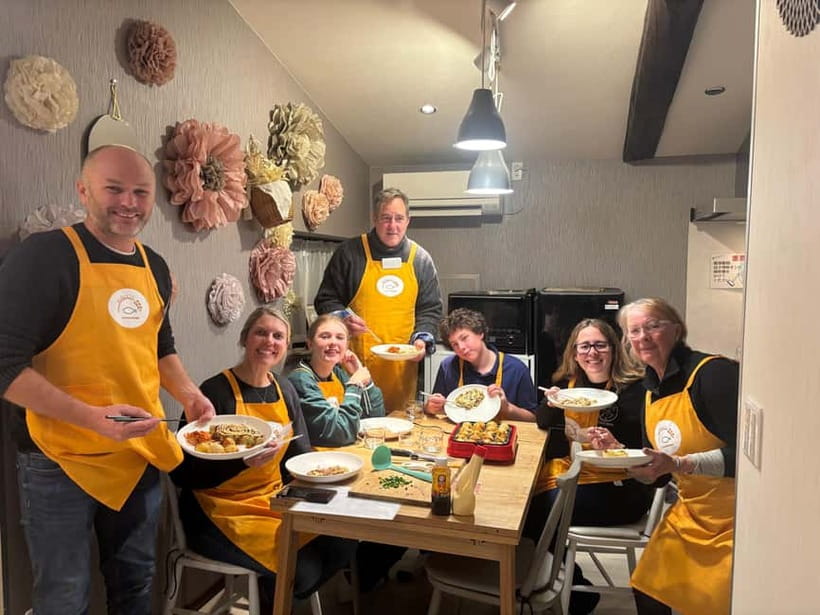
Kyoto is famous for temples, but two of Japan’s most enjoyable foods are far less formal. In this one-hour cooking class, you make takoyaki and okonomiyaki yourself, then sit down to eat what you have cooked. The setup is casual, practical, and aimed at first-timers rather than serious culinary students.
I like the small group limit of six, which leaves room for questions and personal help. I also like the easy location near Shijo and Karasuma Stations, plus the ability to request gluten-free, vegan, halal-friendly, or allergy-aware ingredients. The main consideration is the short format: you get a fun taste of Japanese home cooking, not a long lesson in technique.
Key points at a glance
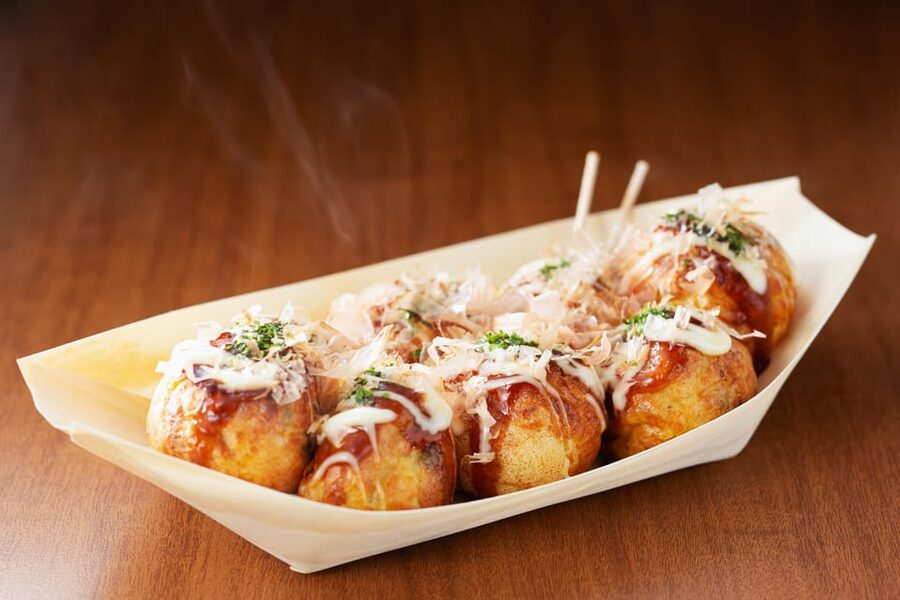
- Two Kansai favorites in one hour: You prepare both okonomiyaki and takoyaki, then eat them as lunch or dinner.
- A do-it-yourself class: You handle the cooking, with the instructor stepping in to guide and answer questions.
- Small groups of up to six: The size suits couples, families, and solo visitors who want direct help.
- Dietary requests are possible: Gluten-free, vegan, halal-friendly, and allergy-aware ingredients can be arranged if requested when booking.
- Convenient central Kyoto address: The class is about a 10-minute walk from Shijo or Karasuma Station and about 15 minutes from Nishiki Market.
- Current instructor oversight: Since December 2025, classes are led or supervised by experienced, top-rated instructors.
What you actually cook in the one-hour class
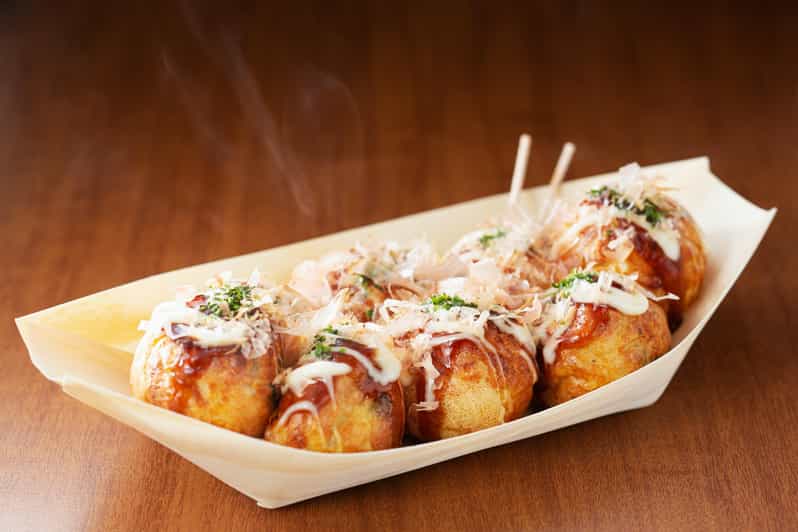
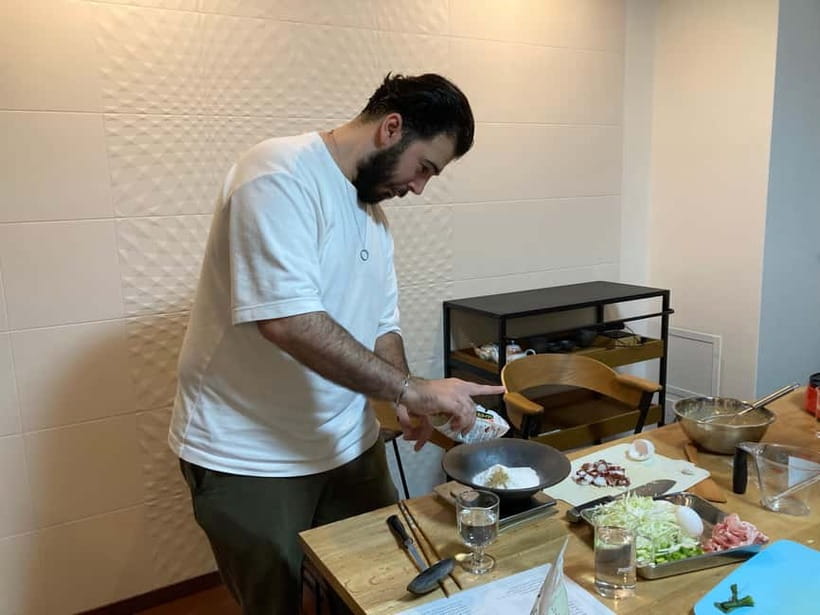
This is not a demonstration where you sit back and watch a chef do all the work. You prepare and cook two well-known Japanese comfort foods, okonomiyaki and takoyaki, with help from an English- or Japanese-speaking instructor.
The class moves at your pace. The instructor supports you, answers questions, and shares tips as you work. That makes it a good fit if you have never cooked Japanese food before, or if you want something more active than ordering a plate at a restaurant.
Okonomiyaki is often described as a savory Japanese pancake, though that simple label does not tell the whole story. The name refers to cooking ingredients according to your preference. Takoyaki are small, round pieces cooked in a special pan. Both foods are closely linked with the Kansai region, where Kyoto is located, and both are familiar everyday dishes rather than formal festival-only foods.
The class gives you a useful comparison. The two recipes use related methods and ingredients, but each has its own shape and cooking rhythm. You get to see those differences for yourself instead of only hearing a guide explain them.
The history is modest but interesting. Okonomiyaki has been eaten in Japan since the Taisho era, from 1912 to 1926. Takoyaki became popular during the Showa era, from 1926 to 1989. That places both dishes firmly in modern Japanese food culture, with long roots in ordinary home and casual restaurant cooking.
More cooking classes in Kyoto:
- Ramen Cooking Class at Ramen Factory in Kyoto
★ 5.0 · 1,937 reviews - Kyoto: Ramen Cooking Class at a Ramen Factory with Souvenir
★ 4.9 · 532 reviews - Kyoto: Ramen, Gyoza, and Onigiri Cooking Class
★ 5.0 · 445 reviews
From the doorbell to the cooking table
The meeting point is in a building where you take the elevator to the third floor and press the doorbell for room 302. You should allow a little time to find the building and get upstairs, since this is not described as a large shopfront or a major tourist attraction.
The address is practical for a day in central Kyoto. It is about a 10-minute walk from Shijo Station or Karasuma Station. From JR Kyoto Station, the trip takes about 15 minutes by train or bus, followed by a short walk. Nishiki Market is around a 15-minute walk away, so you can pair the class with market browsing before or after.
That location matters because the activity does not require a full day. You can fit it between major sights, use it as a midday meal, or book it for dinner before continuing into central Kyoto. The one-hour length also helps families and couples who want a food activity without giving up half a day.
Once you arrive, aprons and cooking utensils are provided. The ingredients are included too, so the $56 price per person covers the actual food experience rather than only instruction. Round-trip transportation is not included, but most visitors will not need a taxi if they are already exploring the central city.
A hands-on rhythm that suits beginners
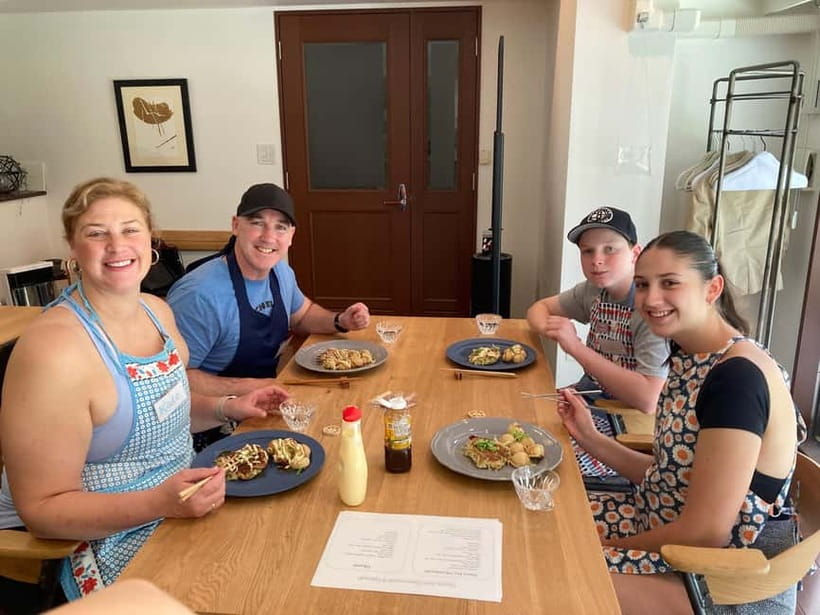
The first part of the class is about getting ready to cook. You work with the prepared ingredients and utensils, then follow the instructor’s guidance as you begin making the two dishes.
I would not book this expecting a polished restaurant kitchen or a formal culinary school lesson. The appeal is the relaxed setting and the chance to do the work yourself. You are not being graded, and the point is not to produce perfect shapes on the first try.
That friendly tone has been a major strength. One couple described the class as a private lesson where the guides welcomed questions about Japan and shared how locals cook these dishes at home. Another participant valued having only two people in the session, since it allowed more conversation about Japanese food culture.
The group can include up to six people, so the exact level of personal attention depends on the booking size. A two-person class will naturally feel more private. Even with six, the group cap is small enough to make the activity more personal than a large demonstration.
The class is offered in English and Japanese. You should still expect simple, practical instruction rather than a long lecture. The format is built around showing you what to do, letting you try it, and helping when needed.
Why cooking both dishes works well
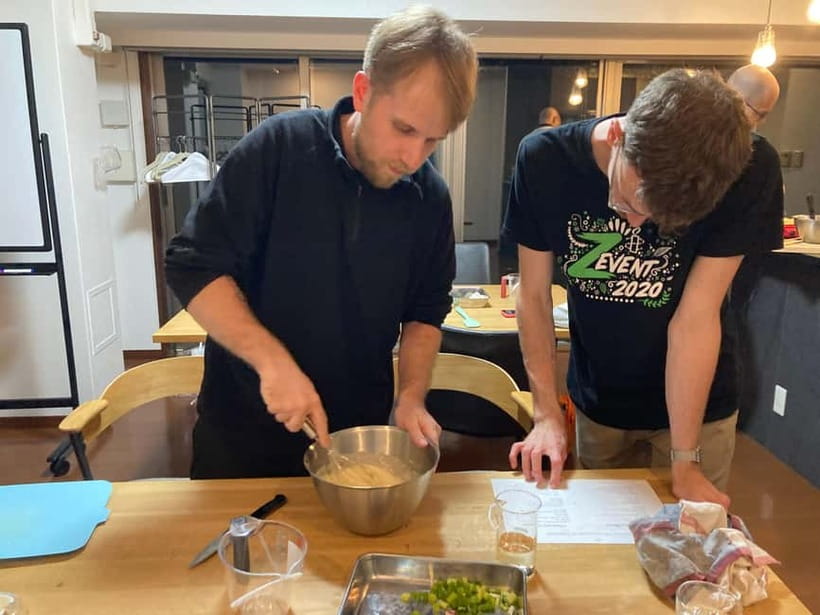
Cooking two foods in one hour is a smart choice. Okonomiyaki and takoyaki are different enough to keep the class interesting, but close enough in style that the time does not feel scattered.
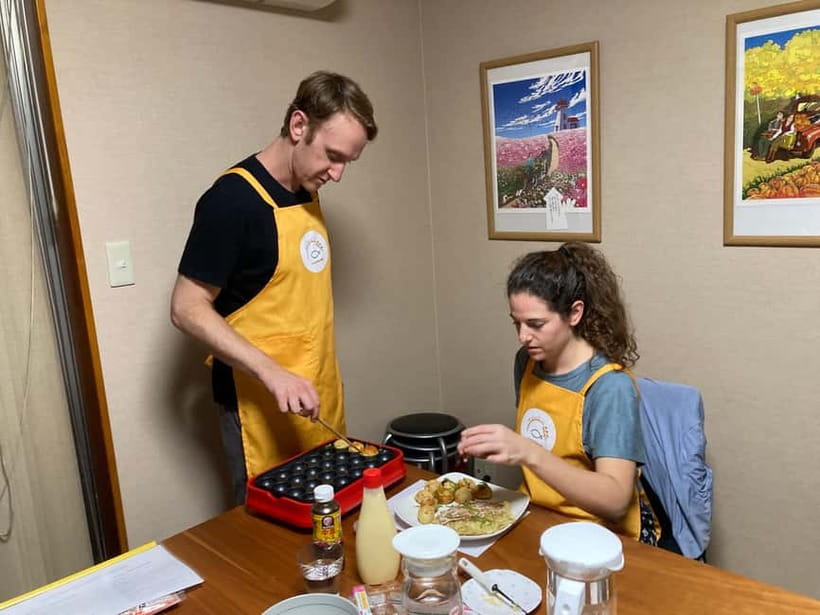
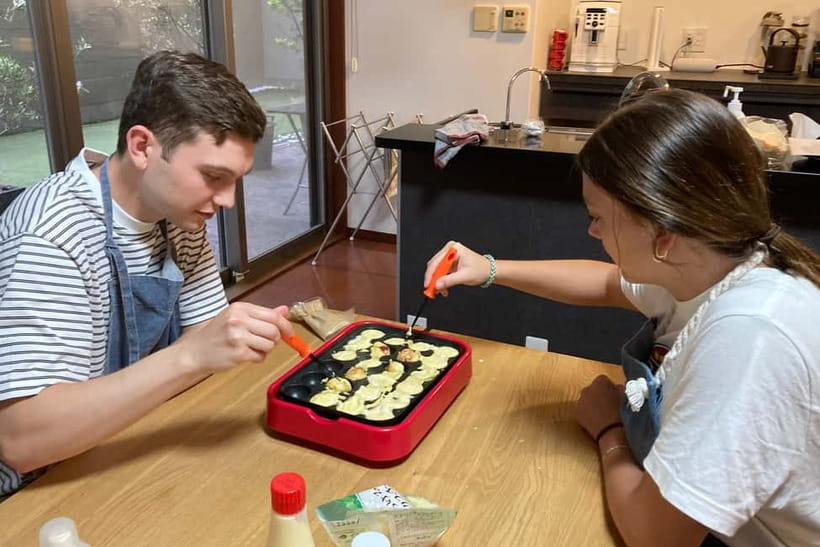
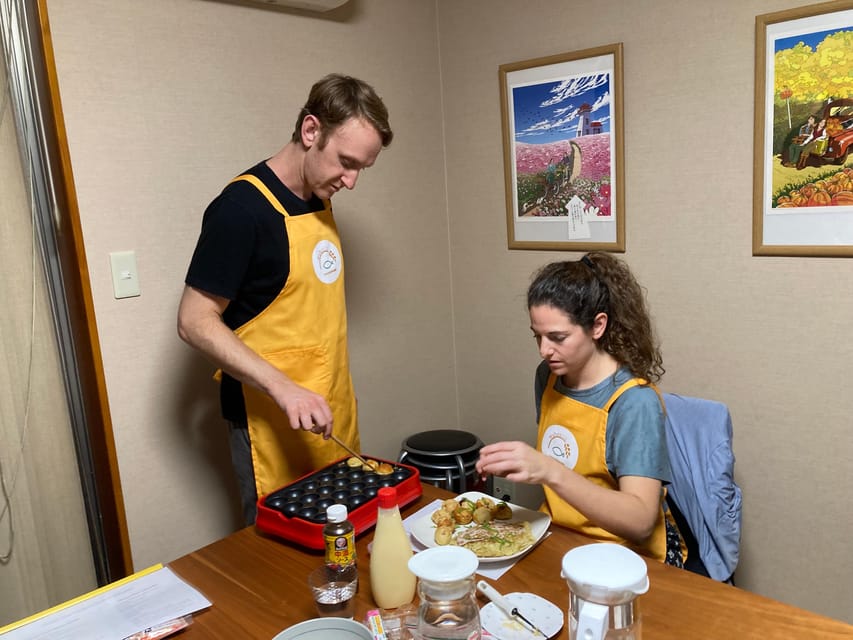
You learn the general idea behind okonomiyaki, then move on to the more distinctive takoyaki process. The change in shape and cooking method gives the hour a clear sense of progress. You are not repeating the same task twice.
There is also a practical benefit for anyone who wants to cook Japanese food after returning home. The class connects the finished dishes with the steps used to make them. You leave with more than a meal and a photograph. You have handled the process, seen the methods, and can ask questions while the work is happening.
Still, keep your expectations sensible. One hour leaves limited time for cultural background, ingredient shopping advice, or detailed recipe writing. If you want a serious cooking course with several dishes and a printed technical guide, this is too short. If you want an enjoyable introduction that gets you involved quickly, the length is just right.
More hands-on workshops in Kyoto:
- Kyoto: 45-Minute Tea Ceremony Lesson Experience
★ 4.3 · 2,378 reviews - Kyoto : Chopsticks Making Workshop in Gion with Engraving Option
★ 5.0 · 958 reviews - Kyoto: Samurai Sword Class by Experts in Traditional Arts
★ 4.9 · 657 reviews - Ninja 1-hour Hands-on Lesson by Japanese master in Kyoto -Entry
★ 5.0 · 489 reviews
Sitting down to eat what you made
After the cooking, you sit down and eat the takoyaki and okonomiyaki in a relaxed setting. This final step is important. The class does not end with food being whisked away by a chef. You get the satisfaction of trying the dishes you prepared.
The meal is included as part of the experience cost, and it can serve as lunch or dinner. That makes the activity easier to value at $56. You are paying for instruction, ingredients, use of aprons and utensils, and a prepared meal, all within a central Kyoto location.
The food itself is also a useful part of the cultural experience. These are not obscure dishes chosen for tourists. They are popular Japanese comfort foods with a strong Kansai connection. Making them helps you understand why their appeal is tied to casual eating and shared cooking rather than fine dining ceremony.
I especially like the social side of this ending. The cooking gives you something to talk about, and the meal gives you time to ask about Japan, food habits, and the differences between the two dishes. The class can feel more like a friendly home-style visit than a staged food show, though the exact mood depends on your instructor and the size of your group.
The instructor question, and the December 2025 update
There is one point worth watching closely. A late 2025 class received a middling assessment because the host arrived late, the ingredients were not ready, cleaning began while the class was still in progress, and the instructor needed to check recipe notes. That account suggests the experience could feel improvised on a bad day.
The operator has since stated that, from December 2025, all classes are led or supervised by experienced instructors. The class flow and guidance have also been refined to help people cook comfortably within the one-hour limit.
That update is encouraging, but it does not turn this into a formal chef-led school. You should still choose it for its casual, hands-on character. The strongest sessions appear to come from instructors who enjoy conversation and give personal attention. Marie, named in one highly positive account, was described as kind, friendly, and fun.
The best advice is simple: arrive ready to participate, ask questions, and accept that home-style cooking can be less staged than a hotel activity. The current supervision policy is designed to improve preparation and timing, which matters a great deal when the class lasts only one hour.
Dietary needs and booking details
The class can adjust ingredients for gluten-free, vegan, halal-friendly, and allergy-aware diets. You must state your needs at the time of booking so the ingredients can be prepared accordingly. Do not wait until you arrive, especially for multiple restrictions.
Because the two dishes are built around prepared ingredients and shared cooking methods, advance notice is essential. The information provided does not promise that every possible restriction can be handled without discussion, so give clear details when you reserve.
The experience costs $56 per person. I consider that fair if you value the activity as both a meal and a small cultural lesson. It is less compelling if you are only looking for the cheapest way to eat okonomiyaki and takoyaki in Kyoto. A restaurant meal will usually be more direct, while this class gives you the added work, guidance, and social time.
The reservation system allows you to reserve now and pay later, which helps if your Kyoto schedule is still changing. You can cancel up to 24 hours in advance for a full refund. Starting times vary, so you need to check availability for your chosen date.
Who will get the most from this experience
I would recommend this class most strongly to first-time visitors to Japan who want a short food activity with real participation. It also suits couples looking for something different from temple visits, families who can manage a focused one-hour session, and solo visitors who enjoy meeting people in a small group.
It is a good choice if you have just arrived in Kyoto and want an easy introduction to Kansai food. It also works well after Nishiki Market, since the class is about a 15-minute walk away and gives you a chance to make food rather than only look at it.
You may want to skip it if you dislike cooking, need a highly structured professional lesson, or want a long explanation of Japanese culinary history. The activity is deliberately casual and short. Its success depends on your willingness to get involved.
The 4.7 rating from 25 reviews fits the overall picture: the experience can be warm, personal, and great fun, especially when the instructor is engaged. The praise centers on friendly teaching, personal attention, and the pleasure of making two classic dishes in a small setting. The main weakness is the possibility of loose preparation, though the December 2025 instructor update directly addresses that concern.
Should you book this Kyoto cooking class?
Book it if you want to cook, eat, and learn a little in one compact hour. The combination of two Kansai dishes, a central location, small groups, and dietary flexibility gives it more value than a simple food tasting.
I would make this a particularly good choice for a first Kyoto visit, a rainy-day plan, or a break between major sights. Just remember what you are buying: a friendly home-style activity with guidance, not a full culinary qualification.
At $56, the class earns its price when the personal interaction matters to you. If you want the best chance of that experience, request your dietary needs early, arrive with time to find room 302, and treat the cooking as part of the fun rather than a test of kitchen skill.
FAQ
How long does the takoyaki and okonomiyaki class last?
The class lasts one hour, including the hands-on cooking and time to sit down and eat the food you prepare.
Where does the class meet?
Take the elevator to the third floor and press the doorbell for room 302.
How far is the location from Shijo or Karasuma Station?
The meeting point is about a 10-minute walk from either Shijo Station or Karasuma Station.
How can I reach the class from JR Kyoto Station?
The location is about 15 minutes from JR Kyoto Station by train or bus, followed by a short walk.
Is food included in the price?
Yes. The experience cost includes the ingredients and the lunch or dinner food you prepare.
Are aprons and cooking tools provided?
Yes. Aprons and cooking utensils are available for rental as part of the activity.
Can the class accommodate dietary restrictions?
Yes. Gluten-free, vegan, halal-friendly, and allergy-aware ingredients are available when requested at the time of booking.
What languages are available, and how large is the group?
Instruction is available in English and Japanese. The group is limited to six participants.
More 1-Hour Experiences in Kyoto
- 1 Hour Geisha Show in Kyoto
★ 5.0 · 452 reviews - One Hour Geisha Show in Kyoto
★ 5.0 · 64 reviews - One Hour Geisha Show in Gion Kyoto
★ 5.0 · 59 reviews - Ring making experience Completed in about 1 hour!
★ 5.0 · 141 reviews
Just added around Kyoto
- Kyoto: Zen Meditation at a Private Temple with a Monk★ 5.0 · 25 reviews
- Kyoto: Gion Geisha District & Sake-in-Hand Walking Tour★ 5.0 · 37 reviews
- Private Pewter Sake Cup Experience with a Kyoto Artisan★ 5.0 · 31 reviews
- Your Private Vacation Photography Session In Kyoto★ 5.0 · 110 reviews
- Private Guided Traditional Buddhist Cooking in Japan★ 5.0 · 16 reviews
- Kyoto Wagashi(Japanese sweets) Cooking Class near Fushimiinari★ 5.0 · 60 reviews
- Traditional Japanese Music show & Experience Tour in Kyoto★ 5.0 · 57 reviews
- Kyoto:Family-Friendly Kimono & Yukata Experience at WARGO★ 5.0 · 147 reviews
Kyoto Tours, compared.


Fushimi Inari, Kinkakuji, Bamboo Grove 1 Day Bus Tour
Read our review →
Tea Ceremony in a Traditional Tea House in Kiyomizu
Read our review →
Kyoto Geisha Walking Tour: Gion District & Hidden Gems
Read our review →

Gion Magical Night Walking Tour with Geisha Trivia
Read our review →

Gion Geisha District Walking Tour – Stories of Geisha
Read our review →Browse the lists this tour appears in