
Reviewed · KYOTO TOURS
Private Kyoto Sushi Cooking Class & Tea Ceremony with Emika
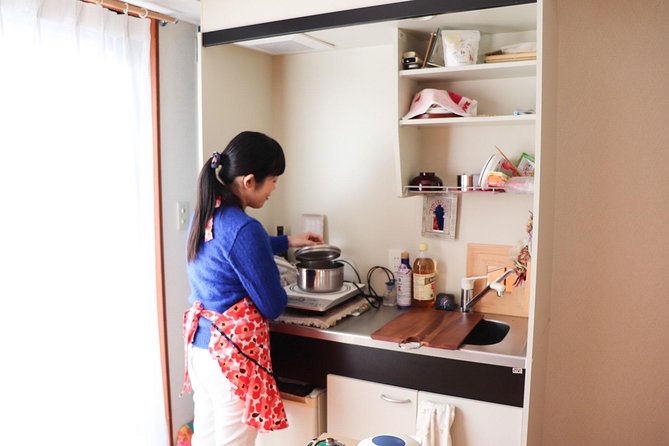
The best part of this Kyoto experience is simple: you cook and eat in Emika’s home, not in a classroom built for tourists. You may prepare sushi, miso soup, seasonal vegetables, tofu dishes, or another agreed Japanese menu, then sit down together for the meal.
I like two things right away. First, the class uses seasonal ingredients and, when available, organic vegetables from Emika’s own garden. Second, the private setting makes room for real questions about Japanese food, manners, and daily life. The main consideration is location: from the nearest station, the walk can take 10 to 15 minutes through residential streets, and hotel pickup is not provided.
Key points to know before booking
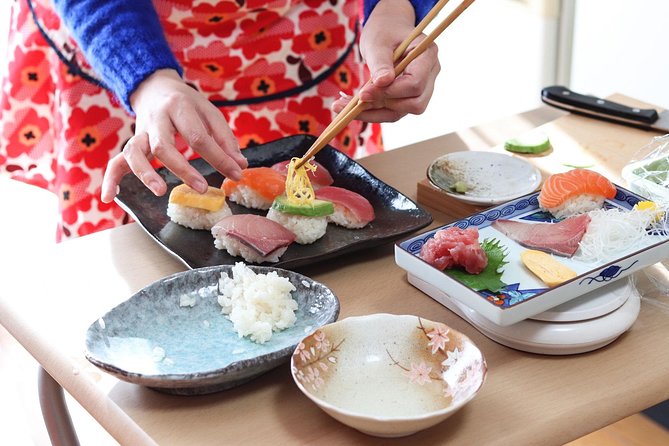
- Cook in a private Kyoto home: Only your group takes part, making this a personal alternative to a large cooking school.
- Choose your main menu: Request sushi or Kyoto-style Obanzai when booking, and share allergies, dietary needs, or cooking preferences in advance.
- Use seasonal produce: Ingredients may include vegetables grown organically by Emika herself.
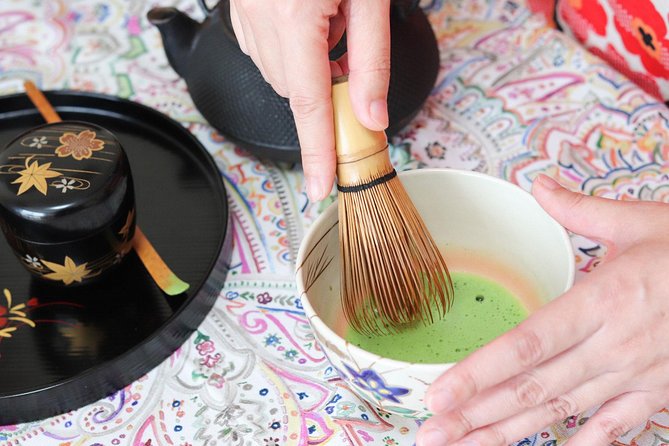
- Finish with Japanese tea: A cup of freshly made matcha prepared by Emika or her father is part of the experience.
- Add the market option: After lunch or dinner, walk about 10 minutes to a supermarket and produce shop used by local residents.
- Allow about three hours: The cooking takes roughly an hour, followed by your meal, tea ceremony, and any selected market visit.
Why a home kitchen changes the Kyoto cooking class
Kyoto is famous for formal temples, polished gardens, and carefully presented food. This class shows you another side of the city: how Japanese cooking works in a home setting, with practical dishes, ordinary ingredients, and conversation around the table.
Emika welcomes you at the address in Kyoto’s Nishikyo Ward, at 31-30 Katsurainariyamacho. The neighborhood itself is part of the experience. You leave the main tourist routes behind and walk through winding residential streets to reach the house. That walk may take 10 to 15 minutes from Kasura Station, so I would allow extra time and keep the meeting address ready in Google Maps.
Inside, the tone is relaxed. You are not simply watching a chef work from a distance. You help prepare the food, ask questions as you go, and eat what you made. The class suits beginners, and the teaching style is patient enough for families and first-time cooks. Children can take part, while teenagers have enough hands-on work to stay interested.
Because this is a private activity, you do not share the class with strangers. That matters if you have a small family group, a couple who wants a quiet afternoon, or relatives with different food needs. It also means the experience depends on the chemistry between your group and your host. If you prefer a formal demonstration with a fixed script, this home class may feel less structured.
More Tea Ceremonies in Kyoto
- Kyoto: Tea Ceremony in a Traditional Tea House in Kiyomizu
★ 4.9 · 3,519 reviews - Kyoto: Tea Ceremony Ju-An at Jotokuji Temple
★ 4.9 · 3,207 reviews - Kyoto: 45-Minute Tea Ceremony Lesson Experience
★ 4.3 · 2,378 reviews
Sushi, Obanzai, and the menu you choose
You should tell Emika at booking if you prefer sushi or an Obanzai menu. The supplied choices are not limited to one narrow recipe. Past menus have included sushi, miso soup, two vegetable side dishes, tofu preparations, and other main dishes. Some sessions have featured Osaka-style okonomiyaki, so the exact meal may depend on what you arrange with Emika ahead of time.
Sushi sessions can cover the basics that are easy to lose in a restaurant meal. You may learn about sushi rice, shaping rice by hand, adding fish, and using seaweed. One useful point from the class format is that there are no grand chef theatrics. You work through the process step by step, with tips that you can try again at home.
The food is not only about sushi. Two Obanzai-style vegetable dishes help you understand Kyoto’s everyday cooking tradition. Obanzai generally centers on simple vegetable dishes prepared with care, and this format gives you a better sense of how a Japanese meal is balanced. Miso soup and tofu dishes add familiar flavors, but the seasonal ingredients keep the meal connected to the place and time of year.
I like this broad approach. You do not leave knowing only how to roll one type of sushi. You also learn how side dishes, soup, seasoning, and rice fit together. That makes the class more useful once you return home.
Your menu needs to be discussed in advance, especially if someone in your group is vegetarian or has allergies. Vegetarian accommodation has been possible, and dietary requirements can be handled in a private setting. Still, do not wait until arrival to explain them. Send the details when you book so Emika can plan ingredients and recipes.
Garden vegetables and the value of seasonal cooking
One of the more personal touches is Emika’s garden. Ingredients from her own organic vegetable patch may appear in the meal, giving you a direct connection to her home rather than a generic cooking lesson using the same supplies all year.
That does not mean every dish comes from the garden. Sushi ingredients, rice, seasonings, and other items still need to be sourced elsewhere. But the garden vegetables can make the side dishes feel more local and less like a staged menu.
Seasonality also gives the class some flexibility. The vegetables available in one month may not be the same as those available in another. If you want to understand Japanese food beyond restaurant labels, this is useful. You see how a home cook builds a meal around what is fresh and available.
The food is prepared together, so the cooking portion can feel active without becoming exhausting. Expect about an hour of preparation before sitting down to eat. The pace is suitable for all skill levels, but you should not expect a professional culinary qualification or advanced knife training. The value is in learning practical methods and understanding the ingredients.
The meal, drinks, and matcha finish
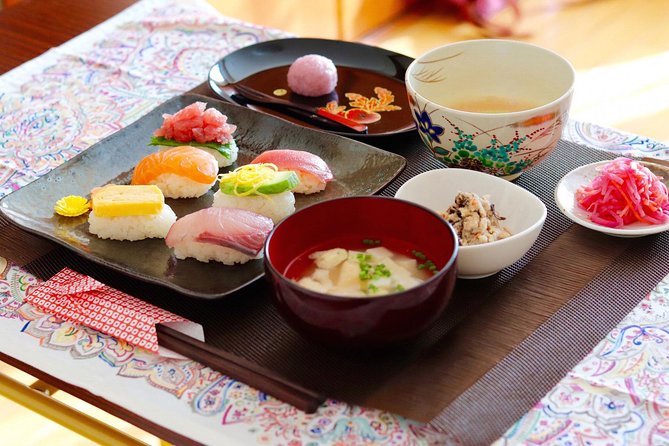
After cooking, you sit down to eat the meal you helped make. That shared table is the heart of the experience. Food tastes different when you know how the rice was prepared, which vegetables were selected, and how the seasoning came together.
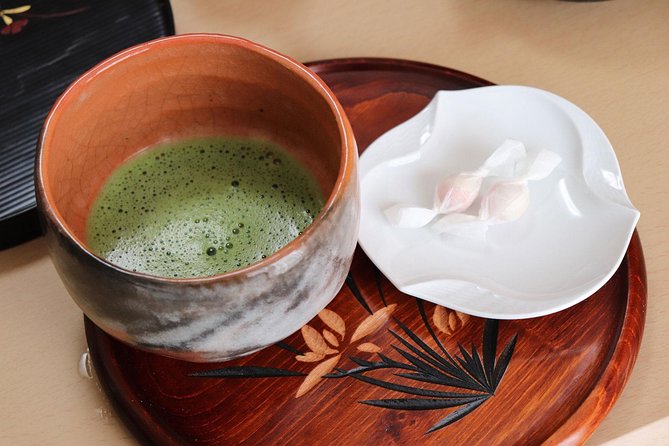
You can pair the meal with one or two glasses of local alcohol. Past participants have selected nigori sake, and other drink options are available. Alcohol is included, but it is not the focus of the activity. If you do not drink, the experience also includes matcha, and you can ask about your preference.
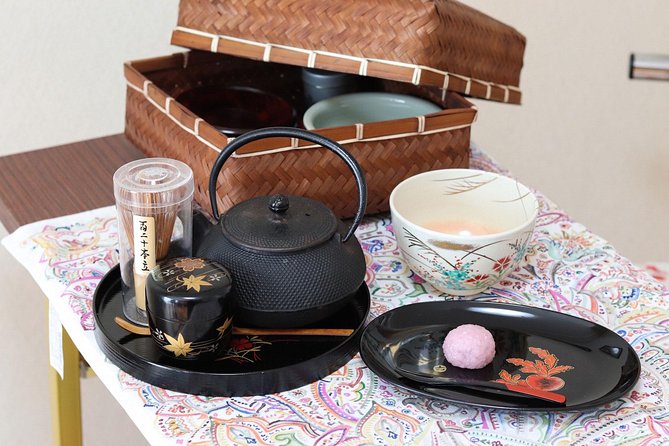
The tea ceremony may begin or end the visit, with the meal ending in tea according to the stated format. Emika or her father prepares a fresh cup of traditional matcha. This creates a calm closing moment after the busier cooking session.
Do not expect a long, formal ceremony with the scale of a temple performance. The appeal is more intimate: tea prepared in a family home, with the chance to notice the customs and tools in a personal setting. If you have never tried matcha, this is a gentle introduction.
The meal also leaves room for questions that are not strictly about recipes. Emika can explain Japanese customs, food etiquette, ingredients, and everyday life. Families have found this useful because children and teenagers can ask direct questions rather than simply listening to a guide’s prepared talk.
Same base, a completely different sort of day:
- PERFECT KYOTO 1-Day Bus Tour
★ 5.0 · 13,518 reviews - Kyoto: Fushimi Inari, Kinkakuji, Bamboo Grove 1 Day Bus Tour
★ 4.8 · 4,316 reviews - Kyoto Geisha Walking Tour: Gion District & Hidden Gems
★ 4.7 · 3,273 reviews - Kyoto: Gion Magical Night Walking Tour with Geisha Trivia
★ 4.9 · 2,393 reviews
Adding the supermarket and produce-market walk
The optional market tour is a good choice if you want to continue learning after the meal. The timing is important: the market visit happens after cooking and lunch or dinner, not before.
Once the meal is finished, you walk together for about 10 minutes to a supermarket and produce store where local residents shop. Emika points out Japanese ingredients, spices, and seasonings that may be difficult to identify on your own.
This is especially useful if you plan to cook Japanese food at home. Packaging can be confusing, and a familiar-looking bottle may contain a very different seasoning from what you expect. Emika can help you choose ingredients to take home and explain how they are used.
The market option adds about an hour to the experience, so check your schedule before selecting it. It is not simply a quick stop for souvenirs. The benefit comes from asking questions and seeing normal shopping in Kyoto. The drawback is that you will spend more time walking and shopping after a full meal. If you already have a tightly timed temple route or evening reservation, the basic class may fit better.
Price, timing, and practical value
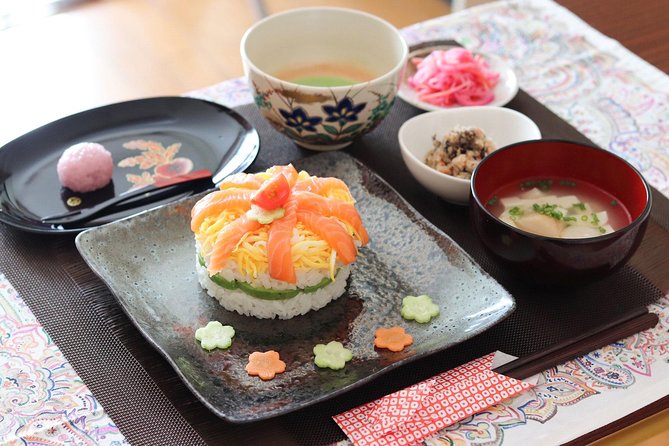
The price is $109 per person for about three hours. For a cooking class alone, that may seem higher than a group lesson in a commercial kitchen. But the comparison is not quite fair. The fee covers a private class, a meal, a tea ceremony, local alcohol or matcha, and the chance to visit a Kyoto home.
You are also paying for a small-group format. A private class can make dietary changes easier and gives you more time to ask questions. A family of four may find the cost worthwhile because everyone can participate instead of watching a demonstration.
The market option adds another useful layer, though the supplied details do not state a separate price for it. Confirm the total when booking if you select that version. The activity is often reserved well ahead, with an average booking time of 49 days, so this is not the sort of plan I would leave until the last minute during a busy Kyoto trip.
Lunch and dinner choices make scheduling easier. The activity starts and ends at Emika’s home, with no hotel pickup or drop-off. Public transportation is nearby, but you must handle the trip to the meeting point yourself.
Use the address exactly as given and allow time for the final neighborhood walk. The location is not a drawback if you enjoy seeing a quieter part of Kyoto, but it can be inconvenient if you are staying far from Nishikyo Ward or have mobility concerns.
Who will get the most from this class
I would choose this for people who want contact with ordinary Kyoto life, not just another polished sightseeing stop. It works particularly well for:
- Couples who want a shared meal with a local host
- Families looking for an activity that keeps teenagers involved
- First-time cooks who want clear instruction
- Sushi fans who want techniques to repeat at home
- Vegetarians or small groups with dietary needs, provided they explain them in advance
- Food-focused visitors who want to understand Japanese seasonings and side dishes
- Repeat visitors who have already covered Kyoto’s main temples
The class is less suitable if you want a highly formal tea ceremony, a large professional kitchen, or a fast activity close to central Kyoto. It is also not ideal for a schedule with no spare time, since the station walk and home location require planning.
Language should be handled with patience and goodwill. Emika has been praised for clear explanations and friendly communication, but the experience is still a home visit rather than a major tour company production. Keep your questions simple when needed, use translation tools if helpful, and focus on the shared activity.
Small details that make the experience work
Tell Emika your preferred menu when booking. Sushi and Obanzai offer different experiences, and the class can also adapt to cooking preferences when those details are shared early.
Bring a working phone with maps. The route from the station goes through residential streets, and the meeting point is not a hotel lobby or a major landmark. The activity ends where it begins, so plan your next stop from the same area.
If you select the market option, leave room after the meal for the one-hour walk and shopping visit. You may want to buy seasonings or ingredients, so carrying a small reusable bag could be practical, although one is not listed as included.
The experience includes one or two glasses of local alcohol, but you can choose matcha instead. Service animals are allowed, and the activity is near public transportation. Confirmation arrives at booking, and free cancellation is available until 24 hours before the start time. Changes or cancellations inside that window are not accepted for a refund.
Should you book Emika’s Kyoto home class?
I would book it if you value personal contact, hands-on cooking, and a meal you can talk about afterward. The garden vegetables, private setting, tea ceremony, and optional market walk give it more substance than a basic sushi lesson.
Choose it with realistic expectations. You are visiting a private home in a residential area, not entering a restaurant kitchen with a polished stage show. The walk from the station takes planning, the menu must be discussed ahead of time, and the experience is best enjoyed at an unhurried pace.
For a food-loving couple or family, $109 can be good value because the price combines instruction, dinner or lunch, drinks, tea, and time with a local host. If that sounds more appealing than another scheduled group class, this is a strong Kyoto choice.
FAQ
Where does the Kyoto cooking class take place?
The class takes place at Emika’s home at 31-30 Katsurainariyamacho, Nishikyo Ward, Kyoto, 615-8025, Japan.
How long does the experience last?
The full activity lasts approximately three hours. Cooking takes about an hour, followed by the meal, tea ceremony, and any selected market visit.
Is the cooking class private?
Yes. Only your group participates in this private activity.
Can I choose sushi or Obanzai?
Yes. Tell Emika when booking if you prefer a sushi menu or a traditional Kyoto Obanzai menu.
Can dietary restrictions be accommodated?
You should tell Emika about allergies, dietary restrictions, and cooking preferences when booking. Vegetarian accommodations have been possible.
Is the tea ceremony included?
Yes. The experience includes freshly made traditional matcha prepared by Emika or her father.
Are drinks included?
The activity includes one or two glasses of local alcohol. Matcha is also available as a pairing option.
What is the market tour option?
It is an optional one-hour visit to a supermarket and produce store used by local residents. Emika explains Japanese ingredients and seasonings and can help you buy items to take home.
Does the market tour happen before the cooking class?
No. The market tour takes place after the cooking class and lunch or dinner. The walk to the supermarket and produce store takes about 10 minutes.
Is hotel pickup provided?
No. You must make your own way to Emika’s home, and the activity ends back at the meeting point.
More Workshops in Kyoto
- Kyoto : Chopsticks Making Workshop in Gion with Engraving Option
★ 5.0 · 958 reviews - Kyoto: Samurai Sword Class by Experts in Traditional Arts
★ 4.9 · 657 reviews - Ninja 1-hour Hands-on Lesson by Japanese master in Kyoto -Entry
★ 5.0 · 489 reviews - The Original Small-Group Sushi Making Class in Kyoto
★ 5.0 · 436 reviews
More Cooking Classes in Kyoto
- Ramen Cooking Class at Ramen Factory in Kyoto
★ 5.0 · 1,937 reviews - Kyoto: Ramen Cooking Class at a Ramen Factory with Souvenir
★ 4.9 · 532 reviews - Kyoto: Ramen, Gyoza, and Onigiri Cooking Class
★ 5.0 · 445 reviews - Kyoto: Japanese Washoku Bento Small Group Cooking Class
★ 5.0 · 380 reviews
Just added around Kyoto
- Kyoto: Zen Meditation at a Private Temple with a Monk★ 5.0 · 25 reviews
- Kyoto: Gion Geisha District & Sake-in-Hand Walking Tour★ 5.0 · 37 reviews
- Private Pewter Sake Cup Experience with a Kyoto Artisan★ 5.0 · 31 reviews
- Your Private Vacation Photography Session In Kyoto★ 5.0 · 110 reviews
- Private Guided Traditional Buddhist Cooking in Japan★ 5.0 · 16 reviews
- Kyoto Wagashi(Japanese sweets) Cooking Class near Fushimiinari★ 5.0 · 60 reviews
- Traditional Japanese Music show & Experience Tour in Kyoto★ 5.0 · 57 reviews
- Kyoto:Family-Friendly Kimono & Yukata Experience at WARGO★ 5.0 · 147 reviews
Kyoto Tours, compared.


Fushimi Inari, Kinkakuji, Bamboo Grove 1 Day Bus Tour
Read our review →
Tea Ceremony in a Traditional Tea House in Kiyomizu
Read our review →
Kyoto Geisha Walking Tour: Gion District & Hidden Gems
Read our review →

Gion Magical Night Walking Tour with Geisha Trivia
Read our review →

Gion Geisha District Walking Tour – Stories of Geisha
Read our review →Browse the lists this tour appears in