
Reviewed · HIROSHIMA TOURS
Private Japanese Cooking Class in Hiroshima with Machiko’s Family
A cooking lesson in Machiko’s home gives you something a restaurant cannot: time around a family table. You travel about 20 minutes by streetcar from central Hiroshima, enter a real residential neighborhood, and cook 2 to 3 Japanese home dishes with Machiko, her husband Daishi, and possibly their children. The home setting is the main event.
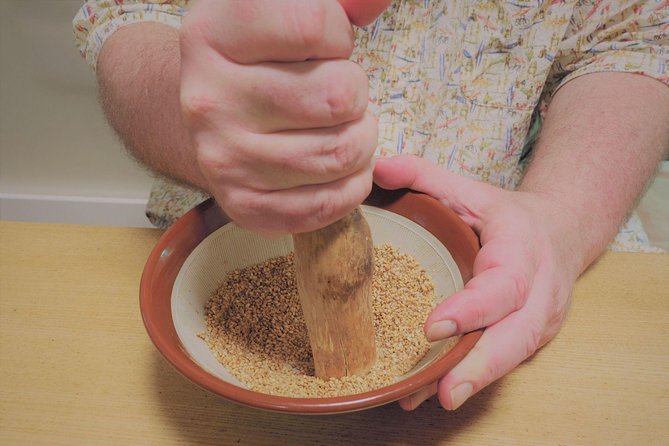
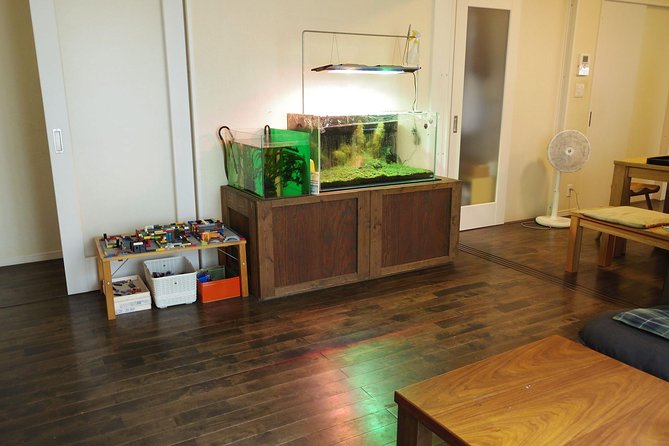
I like the old turntable, aquarium, family photographs, and children’s toys because they make this feel like a visit, not a staged food show. I also like the hands-on details, such as crushing sesame with a mortar and pestle and learning recipes you can try at home. The main consideration is that the menu changes, and the class may include meat or seafood unless you request vegetarian or vegan food ahead of time.
Key things to know before you book
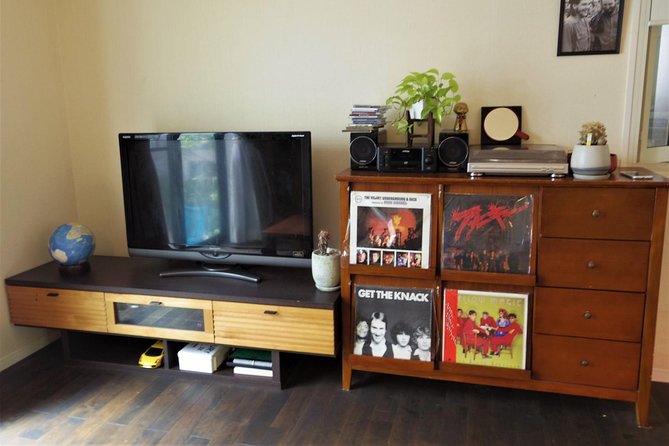
- You cook in a real Hiroshima home: Machiko welcomes you into her family kitchen in a leafy residential neighborhood.
- The class lasts about 1.5 hours: The full experience takes about 3 hours, including cooking, eating, and conversation.
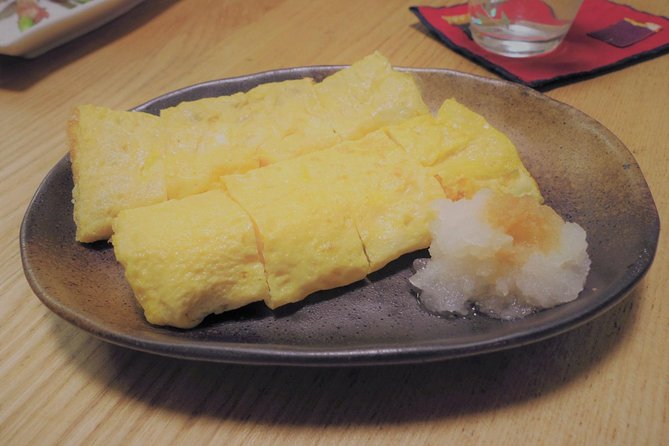
- The menu can change: Possible dishes include miso soup, sesame-dressed salad, Japanese omelet, Hiroshima okonomiyaki, mackerel, karaage, tempura, rice balls, sushi, and green tea sweets.
- The experience is fully private: Only your own group participates, which makes it a good choice for families, couples, and small groups.
- Vegetarian and vegan food is available: Tell the provider about your needs when booking so the menu can be planned properly.
- Bring a notebook: You may want to write down recipes and cooking methods while Machiko works through each step.
Why a family kitchen can teach you more than a restaurant
Hiroshima is well known for its food, especially its layered style of okonomiyaki. Yet a restaurant meal usually shows you the finished dish, not the habits and small methods behind Japanese home cooking. In Machiko’s kitchen, you get to see how ordinary family food is prepared, seasoned, and shared.
The setting also changes the pace. You are not seated at a counter with a quick succession of dishes. You spend time chopping, mixing, shaping, and asking questions, then sit down with the people who helped you prepare the meal.
Machiko’s home is part of the experience. The turntable and records, aquarium, family pictures, and children’s toys give you a glimpse of daily life. It is a simple detail, but it helps you understand that this is a lived-in home, not a cooking school built for tourists.
Daishi may join the class when he is available, and the children may also be there. That can add a warm family feel, though you should understand that their participation is not guaranteed on every date.
More cooking classes in Hiroshima:
- Ramen Cooking Class at Ramen Factory in Kyoto
★ 5.0 · 1,937 reviews - Ramen & Gyoza Cooking Class in Tokyo with Local Supermarket Visit
★ 5.0 · 823 reviews - Kyoto: Ramen Cooking Class at a Ramen Factory with Souvenir
★ 4.9 · 532 reviews
Reaching Ujinamiyuki from central Hiroshima
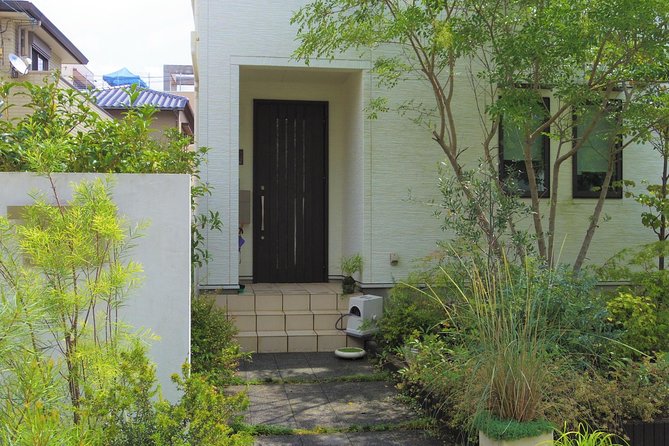
The meeting point is at 1-chōme-5-20 Ujinamiyuki in Minami Ward, Hiroshima. The home is about a 20-minute streetcar ride from the city center, so you need to allow time to reach the neighborhood before the 10:00 am start.
This short ride is part of the appeal. You leave the main city sights behind and see a quieter residential side of Hiroshima. The activity does not include hotel pickup or drop-off, so you are responsible for reaching the meeting point and returning to the city afterward.
I would treat the journey as a useful transition rather than a chore. The activity takes you out of the usual sightseeing circuit and into a place where families actually live. Still, check the route and allow extra time, especially if you are traveling with children or carrying luggage.
The class ends back at the same meeting point. Since the activity lasts about three hours, you should have most of the afternoon left for Hiroshima’s other sights.
The 1.5-hour cooking lesson with Machiko
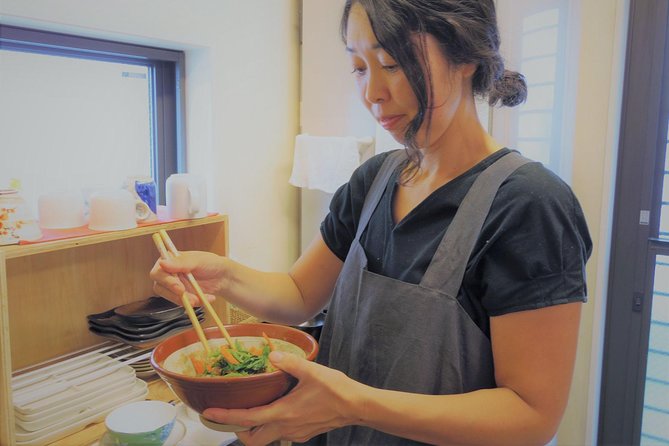
Machiko teaches 2 to 3 Japanese dishes from scratch during the cooking portion. The pace is suited to participation, not just watching, so you can expect to handle ingredients and follow her instructions step by step.
One particularly useful method involves making sesame dressing. Rather than relying on a modern electric appliance, you crush the sesame with a mortar and pestle. That small task shows how texture and aroma are built into Japanese home food.
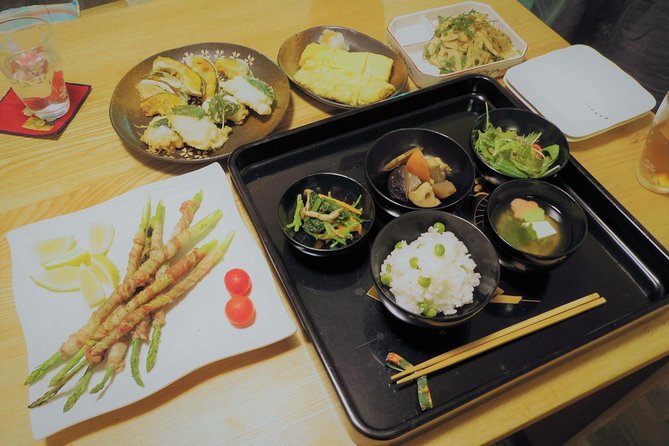
The class may include a salad with sesame dressing, miso soup, Japanese omelet, rice balls, hand-rolled sushi, or a fried dish such as karaage or tempura. You may also prepare mackerel or Hiroshima okonomiyaki, two examples that connect the meal to the region and to everyday Japanese cooking.
The menu is not fixed. That is good news if you like food that reflects the host’s normal cooking, but it means you should not book expecting one exact set of dishes. If you have dietary needs, vegetarian and vegan options are available, including a class that featured four vegetarian dishes.
If you are vegan, ask for confirmation of the final menu when booking. Japanese cooking can use fish-based stock, seafood, eggs, or other ingredients that are not always obvious from a dish’s name.
Sitting down to eat what you made
After the cooking lesson, you sit at Machiko’s dining table and eat the meal together. The food is home cooking, not restaurant food, and that distinction matters. You are learning how a family might prepare and enjoy a meal rather than sampling a polished tasting menu.
Green tea flavored sweets may appear at the end, and green tea is part of the possible menu. The meal gives you time to slow down and talk with Machiko and Daishi about food, travel, and daily life.
That conversation is one of the strongest reasons to choose this activity. Hiroshima has plenty of excellent places to eat, but a shared meal in a family home creates a different kind of connection. You are not only asking what a dish contains. You can ask why it is prepared that way and how the family eats it.
The presence of family members can make the meal feel especially personal. At the same time, family schedules vary, so book this for the cooking and home visit first, and regard time with every member of the family as an added possibility rather than a promise.
More hands-on workshops in Hiroshima:
- Experience the Soul of Hiroshima: A Peaceful Koto Workshop
★ 5.0 · 32 reviews - Calligraphy Workshop at Traditional Folk Craft Shop in Hiroshima
★ 5.0 · 26 reviews - Hiroshima:Private lacquer workshop experience tour(gift included)
★ 5.0 · 13 reviews - Sushi Making Tokyo Roll and Authentic Japanese Sushi Class
★ 5.0 · 3,971 reviews
What makes the Hiroshima setting special
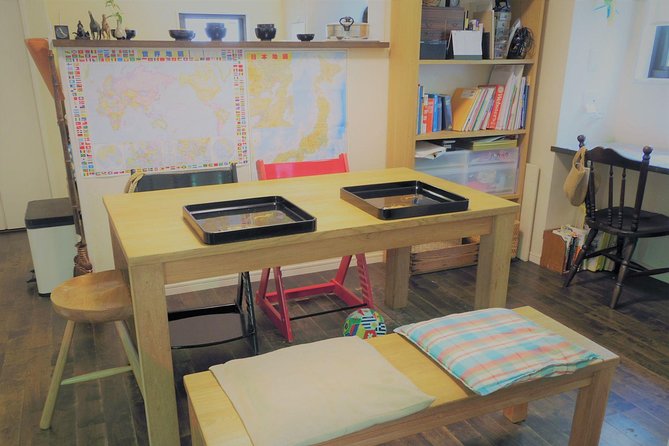
The experience gives you a break from the city center without taking you far from it. After museums, memorial sites, shopping streets, and busy dining areas, a quiet neighborhood and a home kitchen offer a welcome change of rhythm.
Food also gives you a way to approach Hiroshima beyond its wartime history. Okonomiyaki, seafood, miso soup, rice dishes, and simple vegetable preparations let you connect with the city through ordinary meals and local habits.
If Hiroshima okonomiyaki is important to you, make a note of it when you book. One participant specifically cooked Hiroshima okonomiyaki and mackerel, while another class included a lesson on making okonomiyaki at home. Since menus vary, you should ask whether it can be included on your date rather than assuming it will be served.
The class can also help you understand the difference between Japanese home cooking and food designed for visitors. A dish may look familiar, yet the seasoning, preparation, and way it is served can be quite different from what you find in a restaurant.
A private format that works well for families
Because the activity is private, you do not share the kitchen with strangers. That gives your group room to ask questions, work at a comfortable pace, and discuss dietary needs without having to fit into a larger class.
Families may find the home setting easier than a formal cooking studio. Children can see how ingredients are handled, take part in simple tasks, and then eat the meal they helped make. The home also has children’s toys, which can make the setting feel less stiff for younger visitors.
Couples and friends benefit from the same privacy. You can focus on conversation with Machiko and Daishi, or spend more time taking notes and studying the techniques. The activity is also suitable for solo visitors, though the price is listed per person and a private booking may offer better value for a small group.
Group discounts are available. Since the price is $108 per person, the value depends on how much you want from the personal contact, instruction, and meal. It is more expensive than buying a single restaurant lunch, but it includes a private 3-hour visit, cooking instruction, food, and a personal introduction to a Japanese household.
Vegetarian, vegan, and seafood considerations
The menu can be adjusted for vegetarian and vegan diners. This is a real advantage in Japan, where fish stock and seafood can appear in dishes that otherwise look vegetable-based.
You should state your needs clearly during booking and wait for confirmation. The available menu examples include meat, seafood, eggs, and fried foods, so do not rely on choosing dishes after you arrive.
For diners without restrictions, the changing menu is part of the charm. You might make a Japanese omelet, prepare a sesame dressing, cook mackerel, or work on hand-rolled sushi. You might also encounter a family recipe that is not commonly listed on restaurant menus.
The experience is not designed as a specialist culinary course. You will learn practical home methods, but the focus is on cooking and sharing time with the hosts, not on formal chef training or advanced knife skills.
Practical value at $108 per person
At $108 per person, this is a premium food activity. You are paying for more than ingredients and a meal, though. The fee covers a private lesson, a home-cooked lunch, the use of a local kitchen, and the chance to spend several hours with a Hiroshima family.
I think the price makes the most sense for people who value personal contact over a standard sightseeing stop. If you only want to taste Hiroshima food, a restaurant will cost less and give you more menu choice. If you want to learn recipes, ask questions, and understand how food fits into family life, this activity offers something a restaurant cannot provide.
The package includes gratuities, so there is no need to calculate a separate tip at the end. Hotel transportation is not included, and you should factor the streetcar journey into your plans.
The experience has a 4.9 rating from 35 reviews and a 100 percent recommendation rate. Those figures suggest a strong record, but the best fit still depends on your expectations. Come for a friendly, hands-on home visit, not a tightly scripted cooking demonstration.
How to prepare for the three hours
Wear clothes that you do not mind wearing in a kitchen. The activity involves cooking from scratch, so practical clothing is more useful than anything formal.
Bring a small notebook if you want to recreate the dishes at home. The cooking methods, ingredient combinations, and family-style tips may be easy to forget once you return to sightseeing.
You should also arrive ready for conversation. The experience is built around meeting Machiko and her family, and the most meaningful parts may happen between cooking steps, while you are eating or discussing travel and food.
The activity begins at 10:00 am and runs for about three hours. Confirmation is sent within 48 hours of booking, subject to availability, so do not leave this booking until the final hours of your Hiroshima stay if the date matters to you.
Free cancellation is available up to 24 hours before the start time for a full refund. Cancellations or changes made less than 24 hours before the activity are not accepted for a refund.
Who should book this Hiroshima cooking class
I would choose this experience if you want a personal connection with Hiroshima and enjoy learning by doing. It suits families, couples, food-focused visitors, and anyone who has grown tired of eating every meal in restaurants.
It is also a good pick for vegetarians and vegans because the menu can be adjusted. Just make your needs clear in advance.
You may want to skip it if you prefer a fixed menu, a central meeting point, or a polished demonstration with no travel outside the main sightseeing area. The changing menu and home setting are the strengths, but they also mean the experience is less predictable than a restaurant reservation.
Should you book it?
Book this private cooking class if you want to spend a morning inside a real Hiroshima home, learn useful Japanese cooking methods, and share a meal with Machiko and Daishi. The mortar and pestle, family kitchen, possible Hiroshima okonomiyaki, and relaxed table conversation give the activity real substance.
I would especially recommend it for a small group that can make good use of the private format. Confirm your dietary needs and ask about your preferred dishes, then allow time for the streetcar ride to Ujinamiyuki. If that sounds better than another restaurant meal, the $108 price is a fair trade for three hours of food, conversation, and local life.
FAQ
How long does the cooking class last?
The full activity lasts about three hours. The Japanese cooking lesson itself lasts about 1.5 hours, followed by the shared meal and time with the hosts.
Where does the activity begin?
It begins at 1-chōme-5-20 Ujinamiyuki, Minami Ward, Hiroshima, 734-0015, Japan. The experience ends back at the same meeting point.
What time does the class start?
The stated start time is 10:00 am.
What dishes might I cook?
The menu can include miso soup, salad with sesame dressing, Japanese omelet, karaage, tempura, mackerel, rice balls, hand-rolled sushi, Hiroshima okonomiyaki, and green tea flavored sweets. The exact menu can change.
Are vegetarian and vegan options available?
Yes. Vegetarian and vegan options are available, but you should provide your dietary requirements when booking so the menu can be arranged.
Is transportation included?
Hotel pickup and drop-off are not included. The home is about a 20-minute streetcar ride from Hiroshima city center, and you must make your own way to the meeting point.
Just added around Hiroshima
- The Peace Memorial to Miyajima : Icons of Peace and Beauty★ 4.5 · 31 reviews
- Shore Excursion from Hiroshima Port : Private Tour in Hiroshima★ 5.0 · 17 reviews
- Hiroshima Saijo Sake Tasting Tour with visit to 7 Breweries★ 5.0 · 104 reviews
- Hiroshima & Miyajima All-Inclusive Tour w/Licensed guide Pancho★ 5.0 · 54 reviews
- Hiroshima Country Cycling: Explore Rural Life 1 HR from City★ 5.0 · 22 reviews
- Okunoshima Rabbit Island Cycling Tour with Local Guide★ 4.5 · 17 reviews
- Private Full Day Hiroshima Tour★ 4.5 · 29 reviews
- Hiroshima Private Tour with a Local – Highlights & Hidden Gems★ 4.5 · 24 reviews
Hiroshima Tours, compared.

Peaceful Hiroshima & Miyajima UNESCO 1 Day Bus Tour
Read our review →
Hiroshima and Miyajima UNESCO Sites 1-Day Tour
Read our review →
Hiroshima Historical Walking Tour – Why A-Bomb was Dropped
Read our review →
Hiroshima Peace (Heiwa) Walking Tour at World Heritage Sites
Read our review →
Hiroshima in a Nutshell: Morning Bike Adventure
Read our review →
Hiroshima City 4hr Private Walking Tour with Licensed Guide
Read our review →

Japanesel Archery Experience HIROSHIMA CASTLE SHARAKU
Read our review →Browse the lists this tour appears in