
Reviewed · KYOTO TOURS
Samurai Sword Experience (Family Friendly)at SAMURAI MUSEUM KYOTO
Kyoto’s Samurai Sword Experience lets you trade sightseeing clothes for armor, take a sword lesson, and pose before samurai-themed backdrops. You’ll also get a short history talk, so this is more than a costume rental. The hands-on part is aimed at families, with patient instruction and simple movements rather than serious martial-arts training.
I like the way the activity combines dress-up and history, since children get a clear reason to pay attention before they start swinging. I also like the small-group format, at least in principle, and the flexible morning and afternoon start times. The main caution is fit: adults looking for advanced sword work may find the session too basic, and the actual group limit is described differently in the booking information.
Key points to know before you book
- A two-hour samurai lesson: Expect history, dressing up, sword instruction, photos, and family-friendly activities.
- Wooden-sword practice may be the reality: The activity is described as a katana experience, but participant feedback specifically mentions learning with a wooden sword.
- Best for children and teenagers: Kids can enjoy the armor, posing, sword movements, and possible ninja star throwing.
- Small groups are promised, but the cap is unclear: Different details give maximums of 4, 10, and 17 people, so confirm the group size if that matters to you.
- Children under 3 cannot enter: This is a firm venue rule, not simply a recommendation.
- Convenient Kyoto location: The activity starts and ends at the Experience Floor of Kyoto Samurai Ninja Museum in Nakagyo Ward.
Putting on samurai armor at Kyoto Samurai Ninja Museum
The experience begins at the Kyoto Samurai Ninja Museum, at 292 Higashidaimonjichō in Nakagyo Ward. You meet on the museum’s Experience Floor, and the activity returns to that same point when it ends. That simple start and finish helps you fit it into a day of sightseeing without arranging a second pickup point.
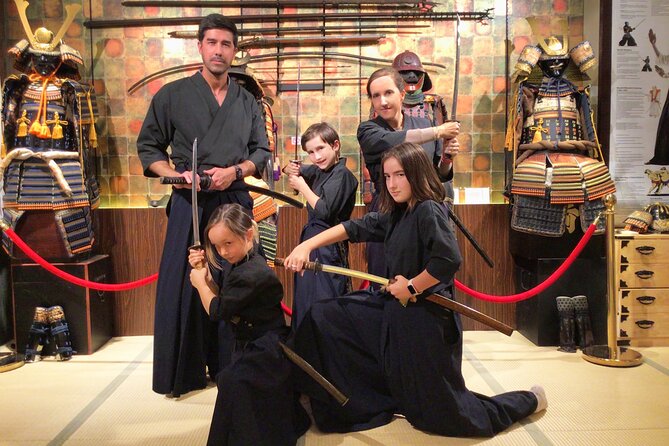
The first major moment is the costume change. You put on a traditional samurai outfit and armor, then pose in front of several samurai-themed backgrounds. For children, this is often the hook that makes the rest of the lesson work. They are not just sitting through a history talk. They are preparing to play a role.
The clothing is also useful for family photos. If you are traveling with children, the activity gives everyone a shared picture-making moment instead of leaving one parent behind the camera all day. The backgrounds keep the photos tied to the theme, rather than producing ordinary costume snapshots.
Do not expect a full museum visit to be folded into the two hours. The supplied details focus on the experience floor, the short history presentation, the costume, and the sword activities. If you want a broad museum tour, check exactly what your booking includes before paying.
More Samurai and Ninja Experiences in Kyoto
- Kyoto Samurai Experience
★ 5.0 · 1,294 reviews - Kyoto: Kendo and Samurai Experience with Uniform and Gear
★ 4.9 · 815 reviews - Kyoto: Samurai Sword Class by Experts in Traditional Arts
★ 4.9 · 657 reviews
The history lesson gives the sword practice some meaning
Before you try the sword movements, the instructor explains samurai history. The amount of detail can vary, but the history portion matters because it gives younger children a basic picture of the people behind the armor and weapons.
I would treat this as an introduction, not a serious history seminar. The available feedback describes the explanation as interesting and informative, but the activity is built for families. You are likely getting an accessible lesson designed to hold a child’s attention, not a long academic talk about feudal Japan.
That balance is sensible. A seven-year-old who is eager to hold a sword will usually remember a few clear points better than a long lecture. Adults with a strong interest in Japanese history may want to pair this activity with a separate museum visit or a more detailed historical tour.
The teaching style seems important here. One family specifically praised the instructor for being patient, while another said the instructor made the session fun for teenagers. No instructor names are provided, so you should not book this expecting a particular guide. Still, the available comments point to an approach that works best when the instructor keeps the pace active.
Learning the basic sword form
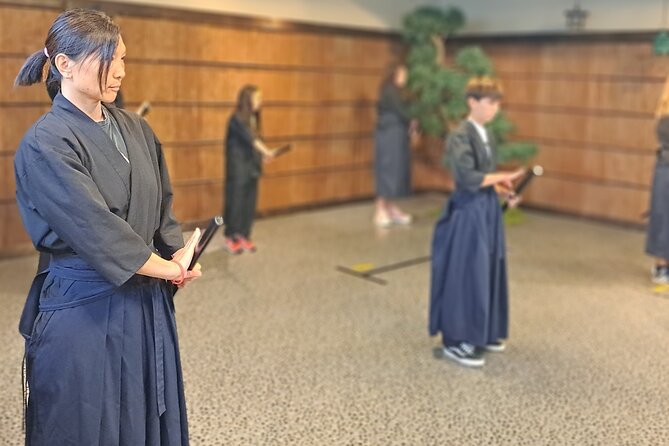
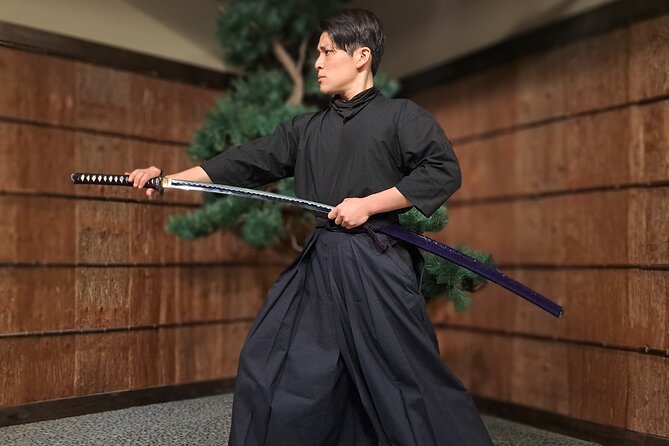
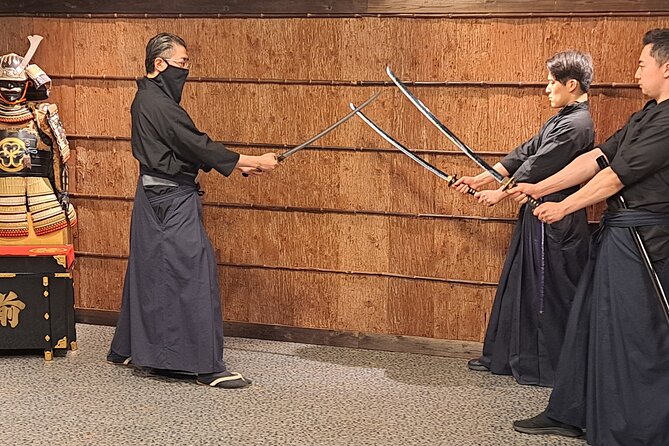
After the introduction, you watch a demonstration of how to swing a sword properly. Then you try the movement yourself. This is the central activity, and it is where expectations need careful handling.
The experience description uses the language of wielding a katana and having a real hands-on sword experience. At the same time, direct feedback describes learning a form with a wooden sword, and one dissatisfied participant specifically complained about not seeing a real katana. The safest way to read this is that you will get supervised sword handling and practice, but you should not expect to use a sharp or historic blade.
That distinction matters. If you want a safe, theatrical introduction for your family, a wooden training sword is exactly what you want. If you are hoping to study authentic kenjutsu technique or handle an antique katana, this is not the right product.
The lesson appears to focus on basic movements and presentation. You will watch, copy, and receive corrections. The goal is to help you feel like a samurai for a short time, not to train you for combat. Keep your expectations at the level of a guided cultural activity with a sword theme.
The two-hour duration includes more than sword swinging. Time is used for changing clothes, hearing history, receiving instruction, and taking photos. One poor experience resulted partly from a delay in handing out uniforms, leaving less than 30 minutes for the main activity. That account may not represent a normal session, but it gives you a practical reason to arrive ready and pay attention to the start time.
Family activities may include ninja stars
The strongest fit is a family with school-age children or teenagers. Along with the sword lesson and samurai costume, the activity can include ninja star throwing. This adds another physical task and gives children something different to do after the sword demonstration.
The available comments describe children enjoying the combination of history, sword fighting, ninja stars, and cosplay. That mix explains the high overall score of 4.7 out of 5 from 62 ratings and the 92 percent recommendation figure. The appeal is not just one activity. It is the quick change from listening, to dressing up, to moving, to posing.
The exact order and amount of time for each part are not specified. If ninja star throwing is especially important to your child, ask the provider before booking rather than treating it as guaranteed for every session. The core elements are the samurai clothing, history, sword instruction, and photo posing.
Parents should also remember the age rule. Children under 3 cannot enter the samurai venue. This is not an activity for bringing a toddler along to watch older brothers and sisters.
More samurai and ninja sessions in Kyoto:
- Skip the lines Basic Ticket at SAMURAI NINJA MUSEUM KYOTO
★ 4.5 · 632 reviews - Ninja 1-hour Hands-on Lesson by Japanese master in Kyoto -Entry
★ 5.0 · 489 reviews - Kyoto: Ninja Weapon Forging Experience
★ 4.8 · 478 reviews - Kyoto: Samurai Kenbu Traditional Sword Dancing Show
★ 4.5 · 426 reviews
Is the group really limited to four, ten, or seventeen?
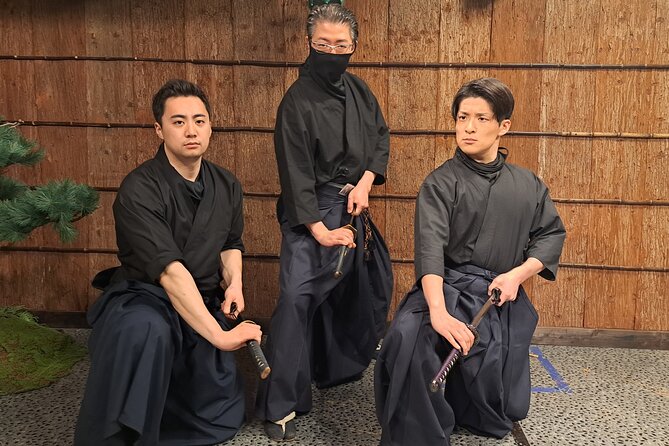
Small groups can make a big difference in a hands-on activity. You get more room to hear the instructor, copy the sword movement, and take turns without standing at the back. The main description says a maximum of 10 people, which sounds like a comfortable size for this sort of lesson.
However, the information also gives a maximum of 17 participants and, elsewhere, a maximum of 4 travelers. Those figures do not agree. I would contact the provider, Maikoya, if group size is central to your decision, especially if you are booking during a busy Kyoto period.
A group of four should feel quite personal. Ten is still workable for a demonstration and family photos. Seventeen could feel more like a class, with longer waits and less individual attention. This is one of the few points I would confirm before booking rather than assume.
The activity is offered in morning and afternoon time slots. That is useful in Kyoto, where you can schedule the experience around temples, meals, or a train arrival. Since the activity lasts about two hours and ends where it starts, it can fit neatly into a half-day plan.
What the $65.39 price really buys you
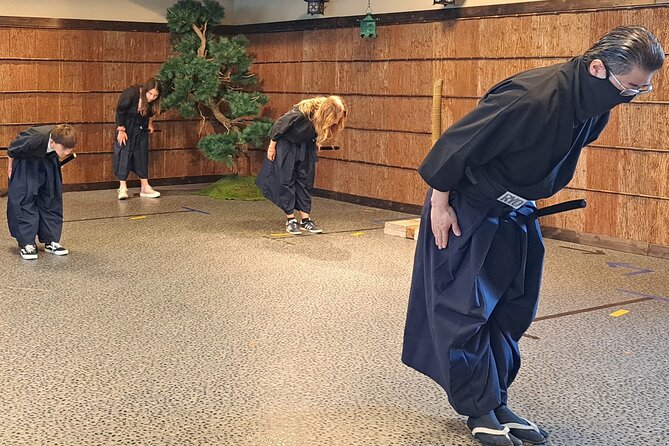
At $65.39 per person, this is not a cheap photo stop. The value comes from the guided program: traditional clothing, armor, a history explanation, sword instruction, and themed photos, all handled in one indoor venue.
For a family, the price can make sense if you want an activity that keeps children involved for two hours. You are paying for participation, not just admission. A child who would tire during another temple visit may stay focused because the lesson gives them a role.
For adults, the value is less certain. If you mainly want a samurai costume photo, the sword lesson and history talk may justify the price. If you want technical training, a real blade, or a detailed study of samurai culture, the session is likely too introductory.
I would also factor in the cost of a missed session. Free cancellation is available if you cancel at least 24 hours before the local start time. Cancellations or changes made inside that window are not refunded or accepted. That is a fair policy, but Kyoto plans can shift, so do not book a time that depends on a tight connection.
Location, tickets, and practical planning
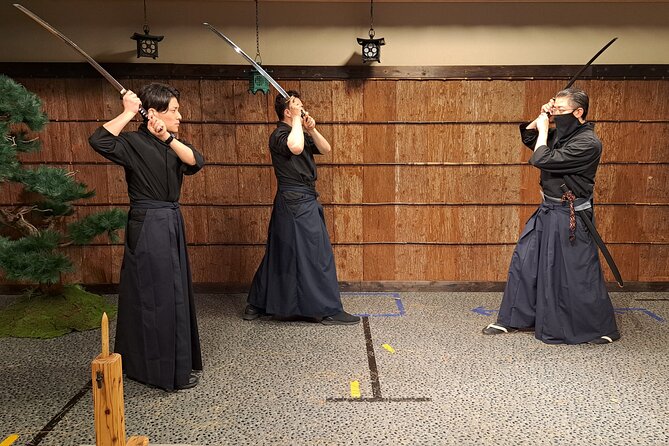
Your mobile ticket is confirmed at booking, which keeps check-in simple. The meeting point is the Experience Floor of Kyoto Samurai Ninja Museum, near public transportation in central Kyoto’s Nakagyo Ward.
The experience ends back at the meeting point. That makes it easier to continue sightseeing without finding a separate return location. Plan a little extra time around the session for changing clothes and getting settled, even though the advertised duration is approximately two hours.
Service animals are allowed, and most people can participate. The information does not provide a detailed list of physical requirements, so contact the provider if someone in your group needs a particular accommodation.
There is also an important facility warning. The elevator is out of service from January 24, 2026, through February 19, 2026. If you are visiting during those dates, ask the museum how access works before you reserve a place.
What the strongest parts of the experience are
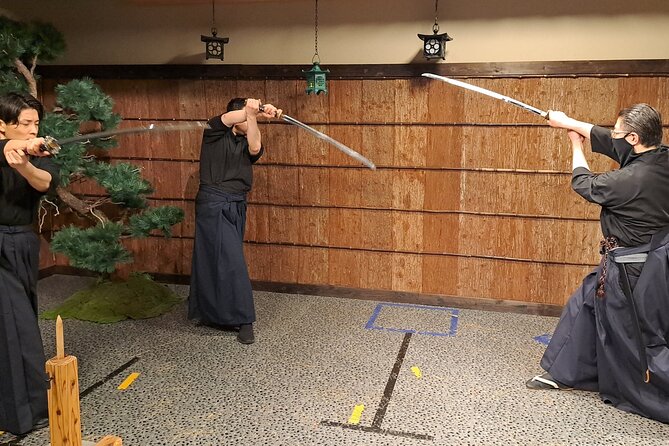
The best element is the combination of activity and story. A costume alone can feel thin, especially for adults. A history talk alone may lose a child. Put them together with a sword demonstration and the experience has a clear rhythm.
The patient instruction is another plus. Sword movements can feel awkward at first, and children need encouragement rather than a stern lesson. The positive comments about patient teaching and fun instruction suggest that the session succeeds when the instructor keeps things light.
The photos are not an afterthought. Samurai armor and several themed backgrounds give you a concrete souvenir from the activity. For families, that may be worth as much as the lesson itself.
The weak point is the risk of a rushed or poorly organized session. Uniform distribution needs to happen promptly, because dressing time can eat into a two-hour experience. If you arrive late, you may lose even more of the sword lesson and photo time.
There is also a mismatch between the family-friendly format and adult expectations. Some adults found it fun and relaxed, while others felt it was mainly for small children. That is not a contradiction so much as a warning to choose the right version of the activity.
Who should book this Kyoto samurai activity?
I would recommend it to families with children, particularly those who like costumes, simple physical activities, and short history lessons. Teenagers can enjoy it too, especially when the instructor keeps the session lively and includes sword practice and ninja stars.
It can also work for adults who want a playful cultural activity and good photos. Go in expecting an introduction, not a martial arts course. The experience is about trying the role of a samurai under supervision.
I would hesitate to recommend it to serious sword enthusiasts. The basic instruction, possible use of a wooden sword, and family focus may leave you wanting more. If handling an actual katana is essential, ask very specific questions before booking.
The activity also makes sense for families who need a flexible schedule. Morning and afternoon departures let you fit it around Kyoto’s major sights, and the central meeting point keeps the day manageable.
My booking advice
Book this Samurai Sword Experience if your priority is a family-friendly Kyoto activity that combines dress-up, photos, history, and simple sword practice. At $65.39 per person, it offers a full two-hour program rather than a quick costume picture, and the high rating reflects how well that mix can work for children.
Before paying, confirm three points: the exact group maximum, whether the session uses wooden swords or another type of practice weapon, and whether ninja star throwing is included in your chosen time. Those answers will tell you if the experience matches your expectations.
For most families, I think it is a good use of part of a Kyoto day. For adults seeking serious sword instruction, choose it only if you want a light, theatrical introduction. The difference between those two expectations will decide whether the price feels worthwhile.
FAQ
How long does the Samurai Sword Experience last?
The experience lasts approximately two hours.
Where does the activity begin?
It begins at the Experience Floor of Kyoto Samurai Ninja Museum, located at 292 Higashidaimonjichō, Nakagyo Ward, Kyoto, 604-8073, Japan.
Where does the activity end?
The activity ends back at the meeting point at Kyoto Samurai Ninja Museum.
Are children under 3 allowed to enter?
No. Children under 3 cannot enter the samurai venue.
Is the experience suitable for families?
Yes. It is designed as a family-friendly activity for children and adults, with samurai clothing, sword instruction, history, and themed photos.
What is included in the price?
The experience includes wearing a samurai outfit and taking part in the samurai activity. The program also includes the history explanation, sword demonstration, and hands-on practice described in the activity details.
Are morning and afternoon time slots available?
Yes. Time slots are available in both the morning and afternoon.
Can I cancel for a full refund?
Yes, if you cancel at least 24 hours before the experience start time. Cancellations or changes made less than 24 hours before the start time are not refunded or accepted.
Is the elevator available during the whole year?
No. The elevator is scheduled to be out of service from January 24, 2026, through February 19, 2026. Contact the venue if this affects your visit.
More Museums in Kyoto
- Kyoto: Tea Museum Tickets and Matcha Grinding Experience
★ 4.9 · 739 reviews - Kyoto : Geiko Maiko Dance of Kyoto & Visits of Gion Museum
★ 4.6 · 415 reviews - Kyoto Sword Experience – includes Museum Ticket/Ninja Experience
★ 4.5 · 149 reviews - Kyoto: Samurai Ninja Museum guided tour
★ 4.8 · 145 reviews
Just added around Kyoto
- Kyoto: Zen Meditation at a Private Temple with a Monk★ 5.0 · 25 reviews
- Kyoto: Gion Geisha District & Sake-in-Hand Walking Tour★ 5.0 · 37 reviews
- Private Pewter Sake Cup Experience with a Kyoto Artisan★ 5.0 · 31 reviews
- Your Private Vacation Photography Session In Kyoto★ 5.0 · 110 reviews
- Private Guided Traditional Buddhist Cooking in Japan★ 5.0 · 16 reviews
- Kyoto Wagashi(Japanese sweets) Cooking Class near Fushimiinari★ 5.0 · 60 reviews
- Traditional Japanese Music show & Experience Tour in Kyoto★ 5.0 · 57 reviews
- Kyoto:Family-Friendly Kimono & Yukata Experience at WARGO★ 5.0 · 147 reviews
Kyoto Tours, compared.


Fushimi Inari, Kinkakuji, Bamboo Grove 1 Day Bus Tour
Read our review →
Tea Ceremony in a Traditional Tea House in Kiyomizu
Read our review →
Kyoto Geisha Walking Tour: Gion District & Hidden Gems
Read our review →

Gion Magical Night Walking Tour with Geisha Trivia
Read our review →

Gion Geisha District Walking Tour – Stories of Geisha
Read our review →Browse the lists this tour appears in