
Reviewed · FUSHIMI INARI TOURS
Gion and Fushimi Inari Shrine Kyoto Highlights with Government-Licensed Guide
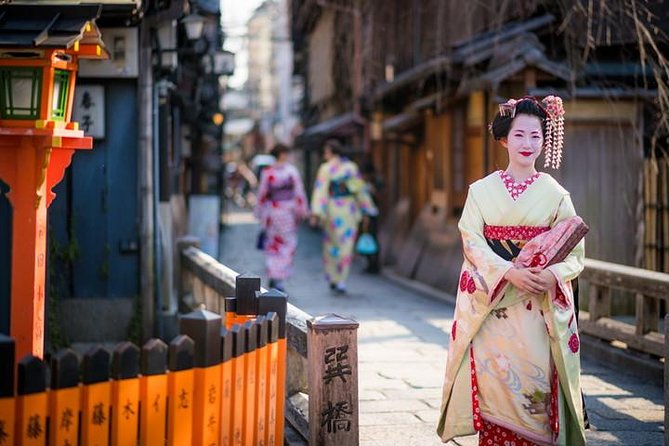
Kyoto’s most atmospheric streets are best explored on foot, and this tour links several major sights with the narrow lanes of Gion. You’ll walk beneath the vermilion gates of Fushimi Inari, then follow a guide through Gion, Pontocho, Miyagawacho, and the Shirakawa area, where cars cannot reach the prettiest corners.
I like two things here: the small maximum group of 10, which should make it easier to hear and ask questions, and the guide’s focus on geiko and maiko culture rather than simply pointing out old buildings. Guide Mari received particular praise for clear explanations and a warm manner. The possible catch is the pace: six hours on foot, with Kiyomizu-dera and uphill Higashiyama streets included, will require comfortable shoes and steady legs.
Key points to know before you book
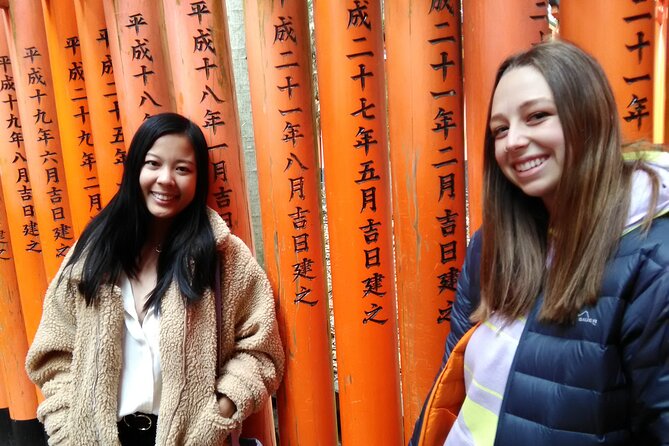
- Fushimi Inari comes first: You get one hour among Kyoto’s famous torii gates, with no admission charge.
- Gion is explored on foot: The route reaches narrow lanes, canal-side streets, and small shrines that vehicles cannot access.
- Geisha culture gets real context: Expect explanations of the difference between geiko and maiko, and how Kyoto’s entertainment districts work.
- The route covers a lot: Yasaka Shrine, Tatsumi Daimyojin, Kiyomizu-dera, and Kennin-ji join the Gion walk.
- The group is capped at 10: This is more personal than a large coach tour, though it is not a private tour.
- The price reflects guiding, not transport: At $154.37 per person, you pay for a long walking experience with a licensed local guide. Admissions to Kiyomizu-dera and Kennin-ji are extra.
Why this Kyoto walk works well
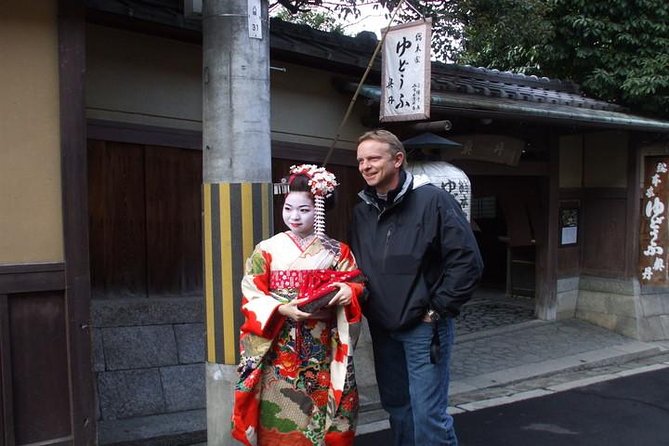
This experience brings together two different sides of Kyoto. Fushimi Inari is a grand, highly recognizable shrine complex with rows of orange-red torii gates. Gion is more about small details: wooden facades, canal paths, tea houses, shrine corners, and old lanes where the city’s traditional performing arts still shape daily life.
That combination gives your day a useful rhythm. You begin with a major religious site, then spend time in historic neighborhoods where a guide can explain what you are seeing. You are not left to guess which narrow lane matters or why a small shrine has a place in Gion’s story.
The tour is described as lasting about six hours. Since pickup and drop-off are on foot, you should think of this as a walking day, not a sightseeing trip with a vehicle waiting nearby. The experience suits you best if you like to cover ground and prefer local explanation to a relaxed, slow-paced visit to one or two sights.
The price is not low. At $154.37 per person, it costs more than simply visiting these places on your own, most of which can be reached without paying an admission fee. The value comes from the guide, the route planning, and the chance to connect Kyoto’s shrines and geisha districts in one organized outing.
More Licensed Guide Tours in Kyoto
- Kyoto 6hr Private Tour with Government-Licensed Guide
★ 5.0 · 1,369 reviews - Kyoto 4hr Private Tour with Government-Licensed Guide
★ 5.0 · 629 reviews - Kyoto: Private Tour with Local Licensed Guide
★ 4.8 · 463 reviews
Starting at Fushimi Inari’s vermilion gates
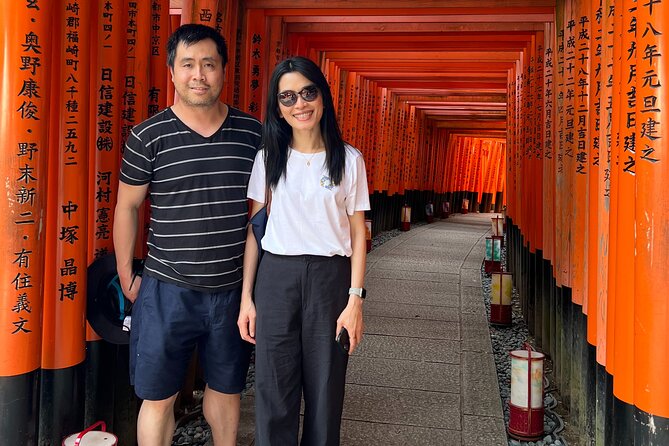
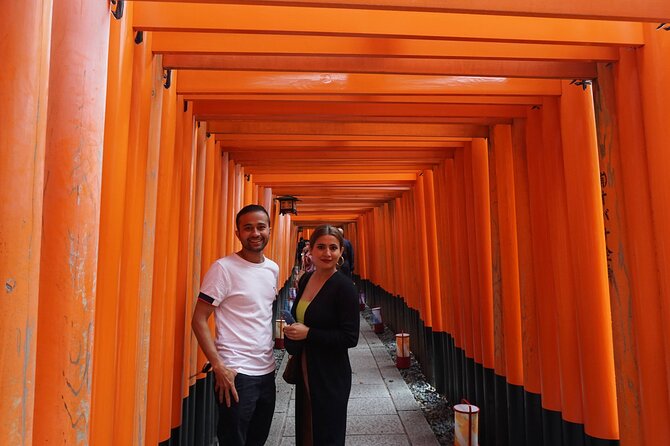
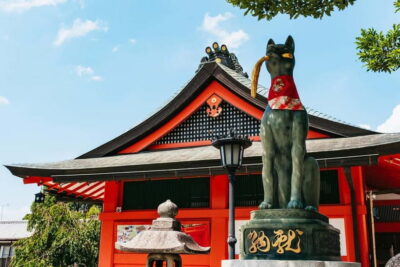
Fushimi Inari-taisha is in southern Kyoto and is famous for its thousands of vermilion torii gates. The gates form trails behind the main shrine, creating one of the city’s most recognizable walks.
You have about one hour here, with admission included because there is no entry charge. That gives you enough time to experience the gate-lined paths and hear the basic religious and cultural context from your guide, though it is not a full exploration of every trail on the mountain.
Fushimi Inari can feel very different from the quieter lanes of Gion. It is a major attraction, and the tour gives you a planned introduction before moving on. If photographing the gates is your top priority, you may wish the first stop lasted longer. Still, placing it at the beginning makes sense, since you see one of Kyoto’s essential sights before the neighborhood walking begins.
Your guide can also help you understand the difference between seeing a famous image and visiting a functioning Shinto shrine. The torii gates are not simply decoration. They mark offerings made to Inari, a deity associated with rice, prosperity, and business. The provided details do not specify the exact explanations your guide will give, so treat this as a chance to ask questions rather than a scripted lecture.
Reading Gion beyond the postcard view
Gion is Kyoto’s best-known geisha district, located around Shijo Avenue between Yasaka Shrine and the Kamo River. Its streets hold shops, restaurants, and ochaya, the traditional teahouses connected with geiko and maiko entertainment.
This is where a guide adds the most value. Gion’s lanes can look like a collection of attractive old buildings, but the district has rules, traditions, and layers of meaning that are easy to miss. You’ll hear about the training and working lives of geiko and maiko, including the distinction between the two.
The experience is not a geisha show, dinner, or performance. That point matters. One piece of feedback described a geisha show and a Starbucks stop, but the provider stated that this was not part of this program. Do not book this tour expecting a formal performance or a guaranteed meeting with a geiko or maiko.
You might see one unexpectedly, but there is no promise of that. A good visit respects the people who live and work here. Follow your guide’s advice, keep your camera ready without blocking lanes, and remember that Gion is a neighborhood and workplace, not an open-air stage.
Shirakawa, Pontocho, and Miyagawacho on foot

The Shirakawa area follows a canal parallel to Shijo Avenue. Willow trees, traditional restaurants, and ochaya line the water, and some restaurants have rooms overlooking the canal.
This section is likely to be one of the prettiest parts of the walk. It also shows why exploring on foot matters. Cars cannot take you through every narrow lane, and a guide helps you connect the quiet canal-side setting with the larger story of Gion.
The tour also aims to cover Pontocho and Miyagawacho in the evening. These are other historic entertainment districts, so the walk gives you more than one view of Kyoto’s traditional nightlife culture. The supplied details do not give exact times for each neighborhood, so the balance may depend on the guide, group pace, and conditions on the day.
That flexibility can be useful. A small group can pause for a question or spend a little longer at a particularly interesting corner. It also means you should not expect a rigid minute-by-minute schedule.
More ways to walk Fushimi Inari:
- Kyoto: Fushimi Inari, Kinkakuji, Bamboo Grove 1 Day Bus Tour
★ 4.8 · 4,316 reviews - Fushimi Inari Hidden Hiking Tour (Private Option Available)
★ 5.0 · 1,750 reviews - Kyoto/Osaka: Nara, Fushimi Inari Taisha, Arashiyama Bus Tour
★ 4.7 · 1,275 reviews - Osaka/Kyoto: Arashiyama, Nara & Fushimi Inari Shrine w/Lunch
★ 4.4 · 754 reviews
Yasaka Shrine and the tiny Tatsumi Daimyojin
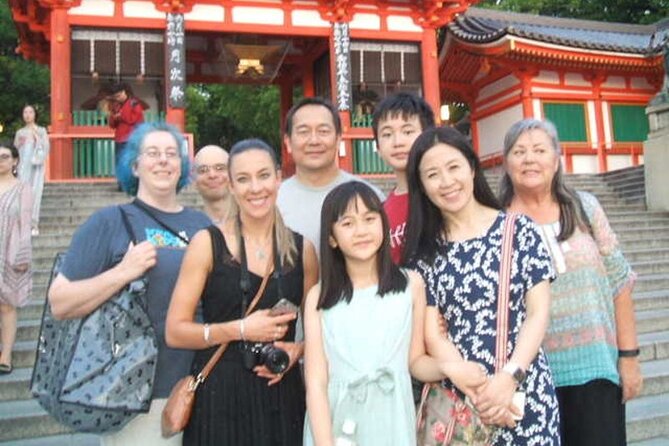
Yasaka Shrine, also known as Gion Shrine, has more than 1,350 years of history and sits between Gion and the Higashiyama area. The planned stop is about 10 minutes, with no admission charge.
Ten minutes is enough for an introduction and a quick look around, but not a full visit. If you enjoy shrine architecture, seasonal customs, or religious details, ask your guide to point out what matters before the group moves on.
Tatsumi Daimyojin is another short stop, also about 10 minutes. It sits near the Shirakawa area, close to ochaya and places associated with geiko activity. The shrine’s story is not always clearly explained, which makes it an interesting place to ask your guide what is known and what remains uncertain.
These small stops are important because they break up the famous sights. Kyoto is not only its large temple compounds. Small neighborhood shrines often provide the best sense of how religious places fit into an urban district.
Kiyomizu-dera and the uphill Higashiyama streets

Kiyomizu-dera is more than 1,250 years old and sits partway up Mt. Otowa in Kyoto’s Higashiyama mountain range. The tour allows about one hour here, but admission is not included.
This is a major temple, so one hour offers a useful first look rather than a complete visit. You’ll have time to take in the grounds and hear the main story, but you may need a separate visit if you want to explore every feature at leisure.
The approach involves Higashiyama streets and an uphill setting. That is part of the charm, but it adds physical demand after the earlier walking. Wear shoes with good support, and do not treat the six-hour estimate as a casual stroll.
The extra admission fee is a small but important cost to remember. The provider covers guide entry fees only for sights listed in the program, while the tour details specifically state that Kiyomizu-dera admission is not included. Confirm the current entrance price when planning your budget, since the supplied information does not provide it.
Kennin-ji’s gardens near Hanamikoji
Kennin-ji is close to Hanamikoji and Shijo streets, yet its grounds are expansive and pleasant to walk through. The temple has two dry gardens, which offer a calmer setting after the streets of Gion.
The listed stop is only one minute, so do not expect a full temple visit or a long garden explanation. It may function as a brief orientation point, a photo stop, or a quick look at the grounds. Admission is not included.
This is the clearest place where the schedule may feel compressed. Kennin-ji deserves more time than a minute if you want to study the gardens. If the temple interests you, note its location and return independently, provided opening hours and admission arrangements work for your schedule.
What the guides add to the walk
The tour includes a licensed local English-speaking guide. That matters in Gion, where the most useful information is often cultural rather than visual.
The strongest theme in the available feedback is the quality of explanation and the ease of following a small group. Mari was singled out by name for making the evening informative and enjoyable, including explanations about Gion and the difference between maiko and geiko. Another guide was praised for explaining the training path to becoming a geisha and for adding a brief taste of local sweets.
Guide assignments can change, so you should not assume Mari will lead your date. Still, those details show the kind of guiding this experience aims to provide: neighborhood stories, cultural background, and help reading places that might otherwise seem mysterious.
The tour has a rating of 4.4 from 21 reviews, with strong praise for the small group format and the atmosphere of the walk. There is also one severe complaint that appears to describe a different activity, since the provider says this tour has no geisha show, no Starbucks stop, and a different duration. The practical lesson is simple: check that your confirmation matches the Gion and Fushimi Inari program before setting out.
Price, group size, and walking demands
At $154.37 per person, this is a premium walking tour. It includes the licensed guide, but not a private vehicle, and you cannot combine multiple tour groups.
The maximum group size is 10. That is a useful middle ground. You get more personal contact than on a large sightseeing bus, but you do not pay the much higher cost of a private guide. The group discount option may improve the price if you are traveling with several people, though the exact discount is not provided.
The meeting point is Tatsumi-jinja Shrine in Gion, and the activity ends back at the meeting point. Pickup and drop-off are on foot, so transportation between sights is not provided. The tour is near public transportation, but you must make your own way to the start.
Most people can participate, and service animals are allowed. The important practical issue is stamina. You will walk through urban streets, narrow lanes, shrine grounds, and the Higashiyama area, with Kiyomizu-dera reached on a hillside.
Free cancellation is available until 24 hours before the start time. Changes or cancellations inside that window are not accepted for a refund.
Who should book this experience
I would choose this tour if you have limited time in Kyoto and want a guide to connect several important places in one outing. It is especially useful for a first visit, when Gion’s lanes, customs, and shrine traditions can be hard to sort out on your own.
It also suits you if you enjoy questions and conversation. The small group makes it easier to hear the guide and ask about geiko, maiko, shrines, and local neighborhoods.
I would hesitate if you want long, unhurried visits at each temple. The route covers a lot in six hours, and the one-minute Kennin-ji stop is particularly brief. Independent visitors who already know Kyoto may get better value by choosing one district and spending more time there.
Should you book it?
Book this experience if your priority is context, coverage, and a guided walk through Gion’s less obvious corners. The combination of Fushimi Inari, Gion, Shirakawa, Yasaka Shrine, Kiyomizu-dera, and Kennin-ji gives you a broad first look at Kyoto.
Skip it if you dislike long walks, want a private vehicle, or expect a guaranteed geisha encounter or performance. At $154.37, the tour earns its price through the licensed guide and carefully linked route, not through included admissions or transport. Bring good shoes, allow for extra temple fees, and confirm the meeting details before you go.
FAQ
How long does the tour last?
The experience lasts approximately six hours.
Where does the tour begin?
It begins at Tatsumi-jinja Shrine, also called Tatsumi Daimyojin, in Kyoto’s Gion area.
Where does the tour end?
The activity ends back at the meeting point.
Is transportation provided between the stops?
No. Pickup and drop-off are on foot, and the tour does not include a private vehicle.
Is admission to all sights included?
No. Fushimi Inari-taisha and Yasaka Shrine have no admission charge. Admission to Kiyomizu-dera and Kennin-ji is not included.
How large is the group?
The tour accepts a maximum of 10 travelers.
Is a geisha show included?
No. The program does not include a geisha show. The guide discusses geiko and maiko culture, and you might see them unexpectedly, but no sighting is guaranteed.
More Geisha Experiences
- Kyoto Geisha Walking Tour: Gion District & Hidden Gems
★ 4.7 · 3,273 reviews - Kyoto: Gion Magical Night Walking Tour with Geisha Trivia
★ 4.9 · 2,393 reviews - Kyoto: Gion Geisha District Walking Tour – Stories of Geisha
★ 4.7 · 2,187 reviews - Best of Kyoto: Gion, Geisha, Pagodas & Cobblestones
★ 4.9 · 2,058 reviews
Just added around Kyoto
- Kyoto: Zen Meditation at a Private Temple with a Monk★ 5.0 · 25 reviews
- Kyoto: Gion Geisha District & Sake-in-Hand Walking Tour★ 5.0 · 37 reviews
- Private Pewter Sake Cup Experience with a Kyoto Artisan★ 5.0 · 31 reviews
- Your Private Vacation Photography Session In Kyoto★ 5.0 · 110 reviews
- Private Guided Traditional Buddhist Cooking in Japan★ 5.0 · 16 reviews
- Kyoto Wagashi(Japanese sweets) Cooking Class near Fushimiinari★ 5.0 · 60 reviews
- Traditional Japanese Music show & Experience Tour in Kyoto★ 5.0 · 57 reviews
- Kyoto:Family-Friendly Kimono & Yukata Experience at WARGO★ 5.0 · 147 reviews
Fushimi Inari Tours, compared.

Fushimi Inari, Kinkakuji, Bamboo Grove 1 Day Bus Tour
Read our review →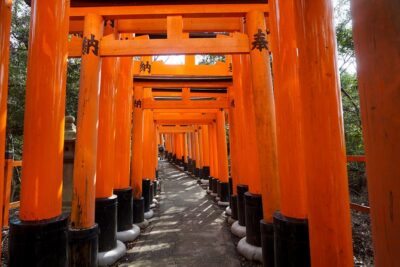
Fushimi Inari Hidden Hiking Tour (Private Option Available)
Read our review →
Kyoto/Osaka: Nara, Fushimi Inari Taisha, Arashiyama Bus Tour
Read our review →
Osaka/Kyoto: Arashiyama, Nara & Fushimi Inari Shrine w/Lunch
Read our review →
Nijo Castle, Kiyomizu & Fushimi Inari Guided Tour
Read our review →
Nijo, Kinkaku-ji, Arashiyama, Kiyomizu & Fushimi Inari
Read our review →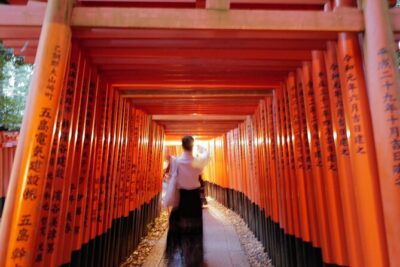
Browse the lists this tour appears in