
Reviewed · KYOTO TOURS
Kyoto: Maiko, Samurai, or Kimono Rental and Tea Ceremony
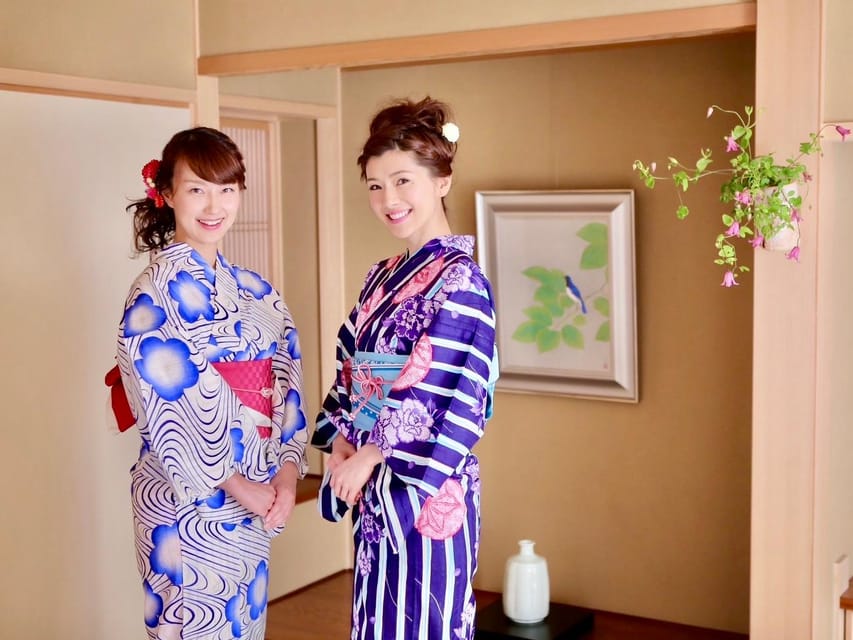
Kyoto’s maiko, samurai, and kimono experience gives you two easy-to-pair activities: dress up near Kiyomizu-dera, then take part in a matcha tea ceremony at Akebonotei. It is a simple way to add ceremony and photographs to a sightseeing day without booking a full cultural course.
I like the location, just a three-minute walk from the rental studio to the tea parlor, and I like the flexibility of keeping a rented kimono until 5pm. The short tea session also works well for families, though the experience can feel hurried if the shop is busy, and the tea ceremony is a brief tourist version rather than a long traditional lesson.
Key points at a glance
- Three-minute walk to tea: Rent your outfit at Studio Shiki, then walk to Akebonotei near Kiyomizu-dera.
- Three styles to choose from: Dress as a maiko, samurai, or wear a kimono or seasonal yukata.
- Kimono time until 5pm: Your rental can continue after the tea ceremony, giving you time around Ninenzaka and Sannenzaka.
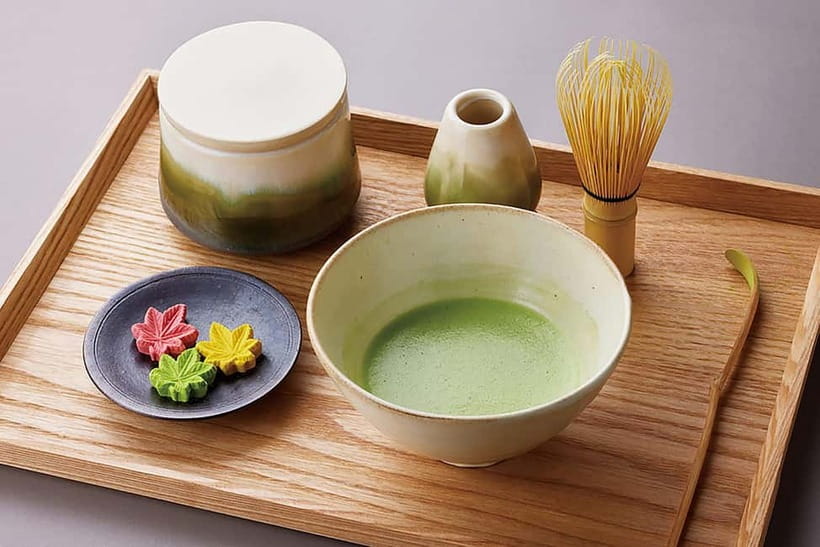
- Matcha and sweets included: The tea portion includes a matcha experience and a Japanese sweet.
- Family-friendly from age five: A booking can include up to four family members, while the activity is also described as a small group of up to six.
- Hair styling costs extra: The basic package includes clothing and accessories, but not hairstyling.
Dressing up beside Kiyomizu-dera
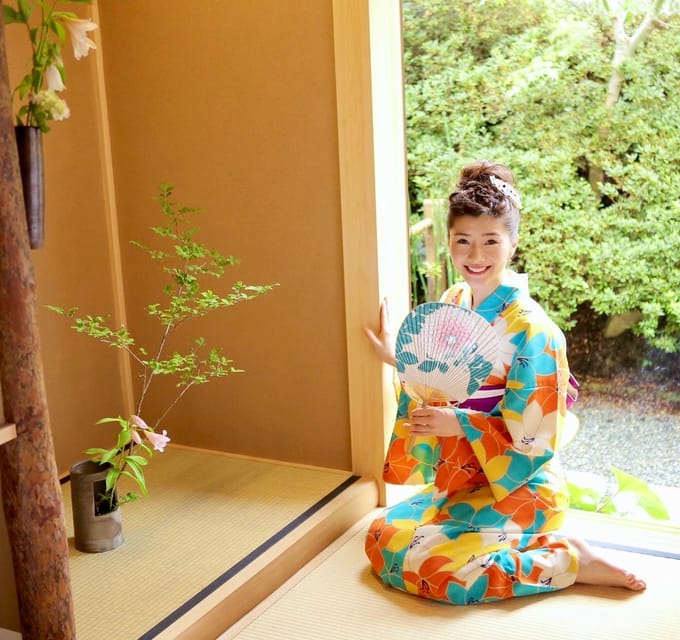
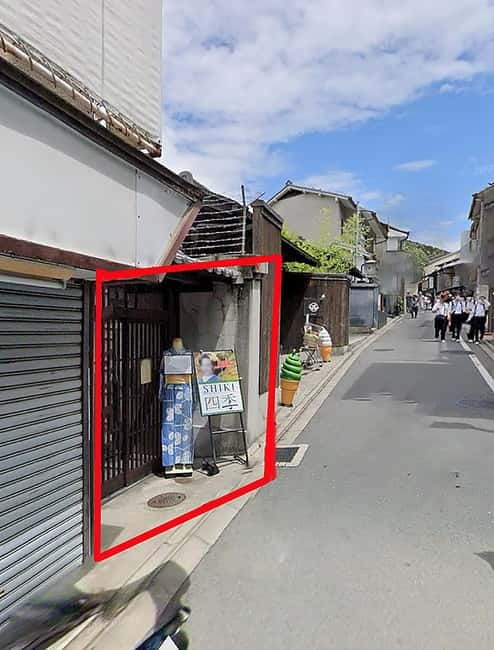
The appeal begins with the setting. Studio Shiki is close to Kiyomizu-dera, one of Kyoto’s best-known temple areas, and the surrounding streets are packed with useful stops: Ninenzaka, Sannenzaka, Kodaiji Temple, Yasaka Shrine, Yasaka Koshindo, and the Yasaka Five-Story Pagoda.
You are not being taken across town for a costume appointment. You can walk out of the studio and continue sightseeing on foot. That makes this a practical choice if you already plan to visit Kiyomizu-dera or explore the old lanes toward Gion.
At the studio, you choose among three broad styles:
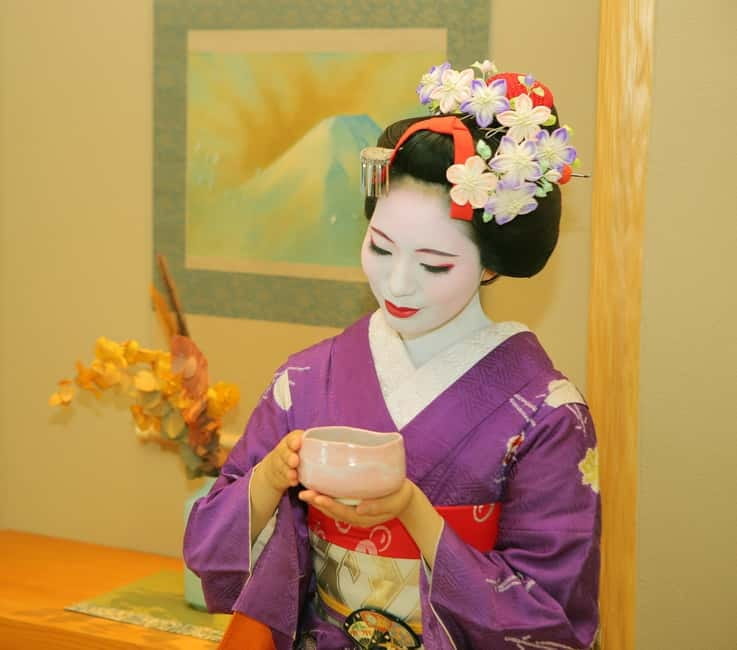
- A maiko-style costume
- A samurai-style outfit
- A regular kimono or yukata rental
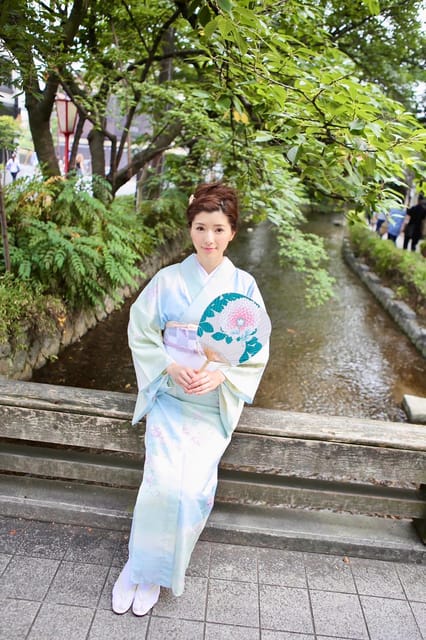
The included clothing package covers the kimono, obi sash, underwear, bag, and sandals. From June 1 through September 15, the yukata plan is available. Yukata are lighter summer garments, so this seasonal option is likely to be more comfortable in Kyoto’s heat than a heavier kimono.
The choice matters. A maiko costume gives you the most theatrical look, while a samurai style has a stronger character element. A standard kimono or yukata is the quieter choice and may suit you better if you want to walk through the temple district without feeling as though you are wearing a stage costume.
Hair styling is not included. It is offered for an extra 1,650 yen, so add that cost if the hairstyle is an important part of the look. Without it, the clothing rental still goes ahead, but the finished appearance may be simpler than the full maiko image you have in mind.
More Kimono Experiences in Kyoto
- Kimono Tea Ceremony at Kyoto Maikoya, NISHIKI
★ 5.0 · 911 reviews - Kyoto: Kimono Rental with Hairstyling and Accessories
★ 4.8 · 653 reviews - Kyoto: Kimono Tea Ceremony at Orizuruya Gion
★ 4.9 · 618 reviews
The 90-minute gap before matcha
The schedule pairs the clothing appointment with a tea appointment 90 minutes later. The available combinations are:
- Kimono at 9am, tea at 10:30am
- Kimono at 10am, tea at 11:30am
- Kimono at 11am, tea at 12:30pm
- Kimono at noon, tea at 1:30pm
- Kimono at 1pm, tea at 2:30pm
- Kimono at 2pm, tea at 3:30pm
- Kimono at 3pm, tea at 4:30pm
That gap is useful. You can return to Kiyomizu-dera, take photos, browse shops, or walk part of the old temple district before tea. If you are wearing sandals and formal clothing, however, do not plan an ambitious cross-city sightseeing route. Keep your plans local and allow time to walk carefully.
The timetable is strict. You need to arrive on time for both parts. Arriving late can mean joining partway through or missing the session altogether. This is especially important for the final afternoon appointment, since a delay at the rental shop can put the 4:30pm tea session at risk.
I would treat the 90-minute interval as a cushion for nearby sightseeing, not as free time for a distant attraction. The shop’s location makes Kiyomizu-dera, Ninenzaka, Sannenzaka, and nearby cafes sensible choices. It does not make a late lunch across Kyoto sensible.
Walking to Akebonotei for matcha
After the rental, you walk about three minutes to the tea ceremony parlor, Akebonotei. That short transfer is one of the best practical features of the experience. You do not need another taxi, train, or complicated meeting point.
The tea ceremony is a shorter format, which can be a plus if you are introducing children to Japanese customs. The supplied details describe matcha and sweets, with the ceremony taking place in a nearby upstairs room. An English-speaking staff member is available, which helps you follow the basic flow and understand what is happening.
Keep your expectations sensible. This is not presented as an extended study of tea, nor does it promise a private masterclass. It is a compact cultural activity built for people who also want time to see Kyoto. The ceremony gives you a taste of the gestures, setting, matcha, and sweet, but you should not book it expecting a long, highly formal tea school session.
That distinction is important for value. If you want a polished photo opportunity and a short introduction, the format makes sense. If your main goal is a serious lesson in tea etiquette, preparation, and philosophy, you may find the experience too brief and staged.
What the included package is worth
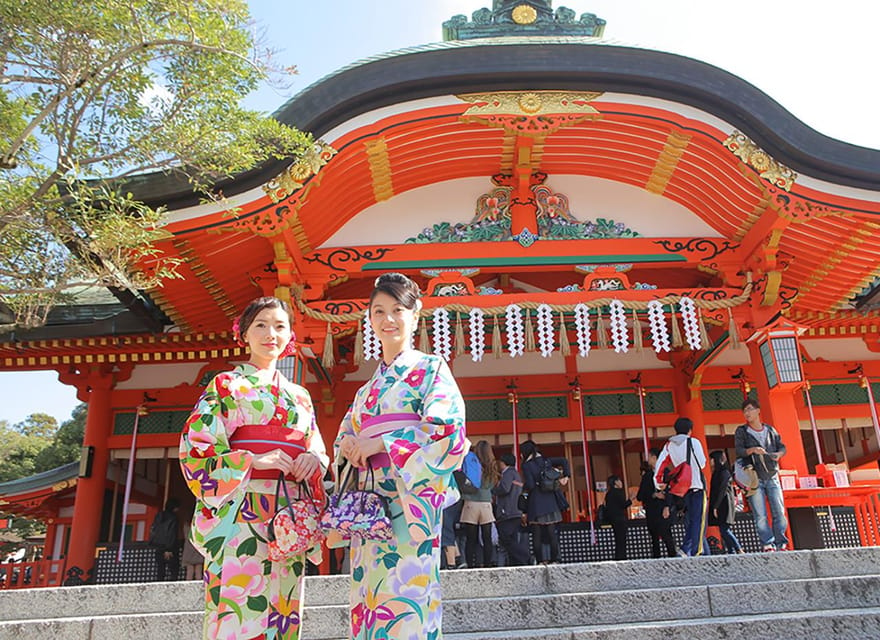
At $77 per person, the price is not simply for a cup of matcha. You are paying for the clothing rental, accessories, sandals, the tea experience, and a sweet, plus the convenience of having both activities arranged close to Kiyomizu-dera.
The ability to keep the kimono until 5pm improves the value. You can use the outfit during the surrounding sightseeing period instead of changing immediately after tea. That gives you several hours for photos and a walk through Kyoto’s old streets.
Still, the price will feel high if you only want a costume for a few quick pictures. One critical assessment placed the value below a basic self-arranged rental, with the tea portion seen as artificial and crowded. That is a fair concern to consider. This package is selling convenience, location, and a ready-made cultural scene, not an in-depth traditional apprenticeship.
The tea and sweets are included, but hair styling is not. If you add the 1,650-yen hairstyle, your total cost rises. Admission fees are also not included for anyone who skips the tea ceremony. Read the package carefully when booking so you do not assume every temple ticket or beauty service is covered.
More Samurai and Ninja Experiences in Kyoto
- Kyoto Samurai Experience
★ 5.0 · 1,294 reviews - Kyoto: Kendo and Samurai Experience with Uniform and Gear
★ 4.9 · 815 reviews - Kyoto: Samurai Sword Class by Experts in Traditional Arts
★ 4.9 · 657 reviews - Skip the lines Basic Ticket at SAMURAI NINJA MUSEUM KYOTO
★ 4.5 · 632 reviews
Making the most of the rental until 5pm
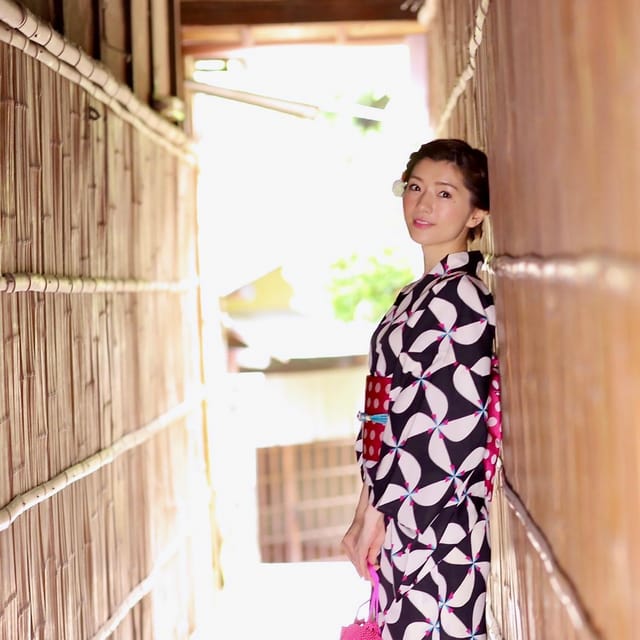
The best way to use the rental is to build a compact walking route. Kiyomizu-dera is the obvious anchor, but the nearby streets offer enough variety for the rest of the afternoon.
You can walk through Ninenzaka and Sannenzaka, two of Kyoto’s most recognizable traditional shopping streets, then continue toward Kodaiji Temple. Yasaka Koshindo and the Yasaka Five-Story Pagoda are also close enough to fit into a local circuit. Yasaka Shrine provides another logical endpoint, especially if you are continuing toward Gion.
The rental shop points out that the area also has stylish cafes. That is useful because wearing a kimono turns an ordinary coffee stop into part of the day’s visual experience. Just remember that the more layers and accessories you wear, the more comfortable you will be with a slower pace and frequent rests.
I would avoid scheduling another timed attraction immediately after the tea. The costume return deadline is 5pm, and Kyoto’s temple lanes can be crowded. Give yourself enough time to return to Studio Shiki, especially if you stop for photos or browse shops.
Is this a good family activity?
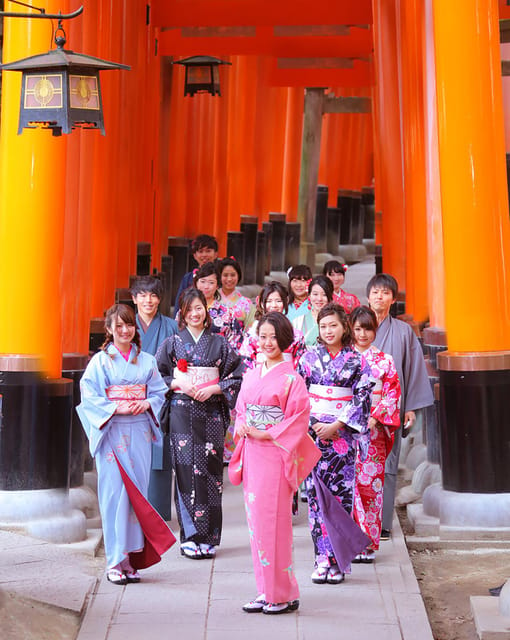
The activity accepts children age five and older, and it can be experienced by a family of four. That family limit is worth noting when you book. The general activity information also describes a small group of up to six participants, so the exact group arrangement may depend on the chosen session.
For families, the short tea format is probably the right length. Children can try matcha, receive a sweet, and see a formal Japanese setting without sitting through a long ceremony. The costume choices also give each person a role, from maiko to samurai to regular kimono wearer.
There are limits. Children under five cannot take part, and pregnant women are not allowed to join. The experience also requires punctuality, which can be difficult with young children. Plan your route to the meeting point in advance and avoid relying on a last-minute bus connection.
The supplied family feedback was especially positive about the location, reasonable kimono selection, and the short ceremony for children. That is the practical strength of this activity. It is easy to understand, close to major sights, and not too long.
Getting to Studio Shiki
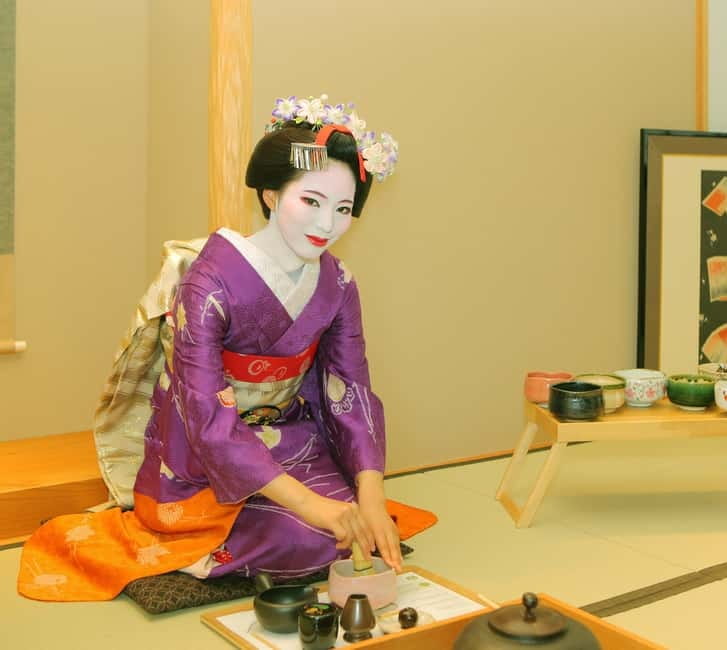
If you arrive by city bus, the stated route is to get off at the Kiyomizu-michi bus stop. The bus ride takes about 20 minutes, followed by roughly a 10-minute walk to the shop.
Allow extra time. Kyoto buses can be slow, and the walk includes the approach to the busy Kiyomizu-dera area. Since a late arrival can disrupt the costume or tea appointment, I would aim to reach the neighborhood well before your booked time.
The meeting location is more convenient once you are already visiting eastern Kyoto. If you are coming from another part of the city, check your route before leaving. A punctual start is not a small detail here. Missing part of the rental may also affect the later tea time.
Authenticity, atmosphere, and your expectations
The setting near Kiyomizu-dera feels connected to Kyoto’s traditional side, but the activity itself is designed for tourists. That is not automatically a flaw. Many visitors want an accessible way to wear Japanese clothing and try matcha without learning formal rules or committing to a full-day lesson.
The tea ceremony is short and arranged in a commercial setting. Some people will enjoy the clear structure, the sweets, the clothing, and the photos. Others may find the presentation too manufactured, especially if the room is crowded or the pace is rushed.
I would book this for the experience of dressing up and adding a brief tea ritual to a temple visit. I would not book it as proof of how a private Kyoto tea ceremony works. The difference between those two expectations will decide how much value you get.
The strongest part is the combination of location and convenience. You can visit Kiyomizu-dera, rent an outfit nearby, walk to tea, and spend the rest of the afternoon in the same historic district. The weaker part is that the ceremony may not feel intimate or deeply traditional.
Who should book it?
This is a good fit for you if you want:
- A simple cultural activity near Kiyomizu-dera
- Family photos in Japanese clothing
- A short matcha experience rather than a long lesson
- A rental you can keep until 5pm
- A central location near Kyoto’s famous eastern temple streets
- A choice between maiko, samurai, kimono, and seasonal yukata styles
You may want another option if you care most about a quiet, private, highly traditional tea ceremony. You should also think twice if $77 feels too high for a costume rental with a short tea session, particularly if you plan to add hair styling.
For many first-time Kyoto visitors, the convenience is the real selling point. You get dressed, walk three minutes, drink matcha, eat a sweet, and continue exploring one of the city’s most photogenic districts. Just keep the schedule tight, arrive early, and see the ceremony as a short cultural introduction rather than a formal education.
FAQ
Where does the kimono and tea experience take place?
The costume rental is at Studio Shiki near Kiyomizu-dera Temple in Kyoto. The matcha tea ceremony takes place at Akebonotei, about a three-minute walk from the studio.
How long does the activity last?
The stated duration is between 150 minutes and three hours. The listed schedule places the tea ceremony 90 minutes after the kimono appointment, while the rental can continue until 5pm.
What clothing options are available?
You can choose a maiko costume, samurai-style clothing, or a standard kimono. A yukata plan is available from June 1 through September 15.
What is included in the rental?
The package includes the kimono, obi, underwear, bag, and sandals. It also includes the matcha tea experience and sweets.
Is hair styling included?
No. Hair styling is not included in the basic package. It is available for an additional 1,650 yen.
Can children participate?
Children age five and older can participate. Children under five are not allowed, and the experience is limited to families of up to four people.
Can pregnant women join?
No. Pregnant women are not allowed to take part in this experience.
What happens if I arrive late?
You must be punctual for both the kimono rental and tea ceremony. If you arrive late, you may have to join partway through or may not be able to participate.
How do I reach the shop by city bus?
Take a city bus to the Kiyomizu-michi bus stop. From there, the walk to the shop takes about 10 minutes.
Can I cancel the booking?
You can cancel up to 24 hours in advance for a full refund. A reserve-now, pay-later option is also available.
More Geisha Experiences
- Kyoto Geisha Walking Tour: Gion District & Hidden Gems
★ 4.7 · 3,273 reviews - Kyoto: Gion Magical Night Walking Tour with Geisha Trivia
★ 4.9 · 2,393 reviews - Kyoto: Gion Geisha District Walking Tour – Stories of Geisha
★ 4.7 · 2,187 reviews - Best of Kyoto: Gion, Geisha, Pagodas & Cobblestones
★ 4.9 · 2,058 reviews
More Tea Ceremonies in Kyoto
- Kyoto: Tea Ceremony in a Traditional Tea House in Kiyomizu
★ 4.9 · 3,519 reviews - Kyoto: Tea Ceremony Ju-An at Jotokuji Temple
★ 4.9 · 3,207 reviews - Kyoto: 45-Minute Tea Ceremony Lesson Experience
★ 4.3 · 2,378 reviews - Kyoto: Table-Style Tea Ceremony at a Kyo-Machiya
★ 4.9 · 1,211 reviews
Just added around Kyoto
- Kyoto: Zen Meditation at a Private Temple with a Monk★ 5.0 · 25 reviews
- Kyoto: Gion Geisha District & Sake-in-Hand Walking Tour★ 5.0 · 37 reviews
- Private Pewter Sake Cup Experience with a Kyoto Artisan★ 5.0 · 31 reviews
- Your Private Vacation Photography Session In Kyoto★ 5.0 · 110 reviews
- Private Guided Traditional Buddhist Cooking in Japan★ 5.0 · 16 reviews
- Kyoto Wagashi(Japanese sweets) Cooking Class near Fushimiinari★ 5.0 · 60 reviews
- Traditional Japanese Music show & Experience Tour in Kyoto★ 5.0 · 57 reviews
- Kyoto:Family-Friendly Kimono & Yukata Experience at WARGO★ 5.0 · 147 reviews
Kyoto Tours, compared.


Fushimi Inari, Kinkakuji, Bamboo Grove 1 Day Bus Tour
Read our review →
Tea Ceremony in a Traditional Tea House in Kiyomizu
Read our review →
Kyoto Geisha Walking Tour: Gion District & Hidden Gems
Read our review →

Gion Magical Night Walking Tour with Geisha Trivia
Read our review →
