
Reviewed · KYOTO TOURS
Kyoto: Afternoon Japanese Izakaya Cooking Class
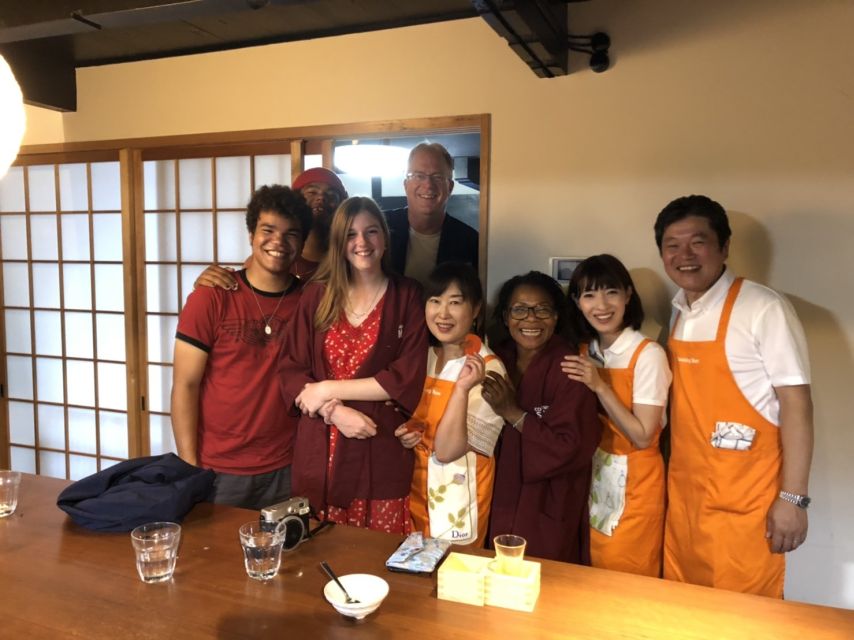
Kyoto’s Cooking Sun class skips the usual sushi lesson and gets into the food you are more likely to find at a Japanese family table or neighborhood izakaya. You cook in two rounds, sit down to eat, then return to the kitchen for more dishes. Dashi broth, simple sauces, and practical knife work give the afternoon real value.
I like the easy-to-repeat recipes and the warm, patient teaching style. You get your own equipment, ingredients, apron, and utensils, then work through clear steps with English-speaking chefs. The class also makes a good break from temples and sightseeing, especially on a rainy afternoon.
The main consideration is pace. Three hours can hold a lot of cooking, and some sessions cover as many as six dishes, including dessert. That is excellent value, but you will need to stay engaged rather than expect a slow, leisurely demonstration.
Key points to know before booking
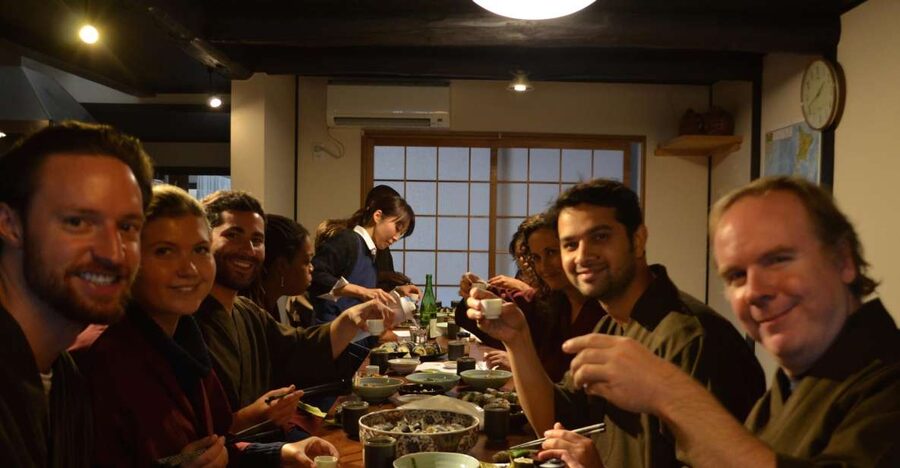
- Two cooking rounds: Prepare two or three dishes, eat them, then return to the kitchen for another two or three.
- More than sushi: Learn everyday Japanese and izakaya-style food, including dashi and okonomiyaki in some sessions.
- English instruction: Yumi, Yumiko, and other English-speaking instructors guide the class step by step.
- Recipes go home with you: The handouts make it possible to recreate the dishes after your Japan trip.
- Good value at $67: Ingredients, equipment, instruction, and several dishes are included in the three-hour price.
- Central Kyoto meeting point: The class begins at Cooking Sun on Funayacho in Shimogyo Ward.
Why this class feels more useful than a standard sushi lesson
A sushi class can be fun, but it often teaches a dish that requires special ingredients, precise fish preparation, or equipment you may not use again. This izakaya class takes a more practical route. You learn food made in homes and casual restaurants, with seasonings and methods that are easier to carry back to your own kitchen.
The exact menu can vary, but the format is clear. You cook two or three dishes alongside the chef, eat together, and then begin a second cooking session. Across the full afternoon, the class may cover four to six dishes. Several sessions have included six traditional dishes with a dessert, while another covered five savory dishes and one sweet course.
That variety is one of the strongest reasons to choose this experience. You are not spending three hours perfecting one recipe. Instead, you get a broad introduction to Japanese ingredients, basic methods, and the balance of salty, sweet, savory, and umami flavors.
More izakaya nights in Kyoto:
- Kyoto: Izakaya Bars Guided Walking Tour
★ 4.9 · 815 reviews - Kyoto Bar Hopping Night Tour
★ 5.0 · 613 reviews - Izakaya Style Cooking Class
★ 5.0 · 219 reviews
Meeting the chefs at Cooking Sun
The class meets at Cooking Sun, at Funayacho, Shimogyo Ward, Kyoto 600-8466. The supplied details do not give a walking route from a particular station, so check the map carefully before leaving your hotel and allow enough time to find the address.
The instruction is in English. That matters here because cooking depends on small details: how thick to cut an ingredient, when to add a seasoning, how long to cook something, and what texture to look for. The instructors are described as patient, friendly, and clear, with Yumi and Yumiko named in one session.
The tone is relaxed rather than formal. You are encouraged to talk with the chef while cooking and eating, much as you would at an over-the-counter izakaya. This social part is not just decoration. It gives you a chance to ask why an ingredient is used, how a dish fits into Japanese food culture, and what substitutions may work at home.
The teaching also works for mixed groups. Some people arrive with serious cooking experience, while others are beginners or do not cook much at all. The instructions are designed to keep everyone involved without assuming that you already know Japanese techniques.
First round: cooking, eating, and getting your bearings
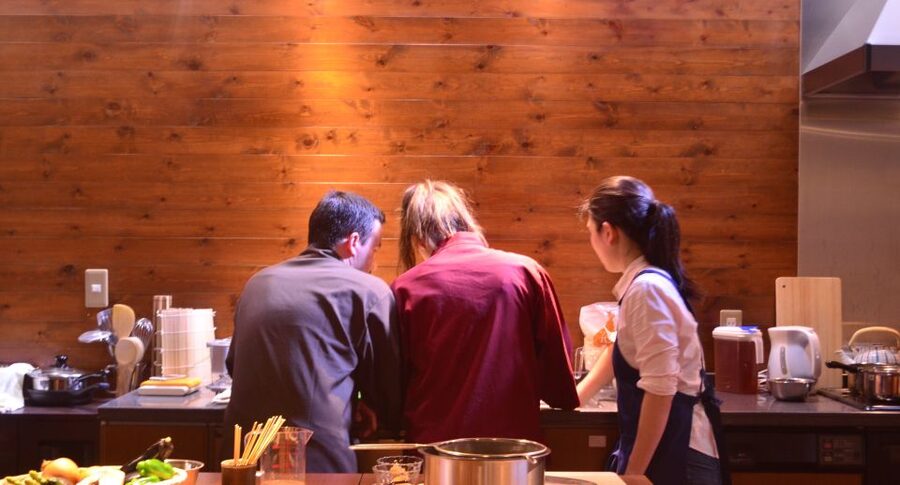
The first half begins with hands-on preparation. You receive the ingredients and equipment needed for the dishes, along with an apron and utensils. The class is designed so that you take part in the work rather than watch a chef do everything.
This is where you start learning the building blocks of Japanese cooking. One past session went right back to making dashi broth, the savory stock that gives many Japanese dishes their depth. Learning dashi is useful because it helps explain a flavor that can seem mysterious when you only encounter it in a finished bowl or sauce.
You may also work with ingredients such as mirin and dashi, two items that many people want to buy after the class. The recipes focus on methods you can follow again, not on restaurant tricks that are impossible in a normal home kitchen.
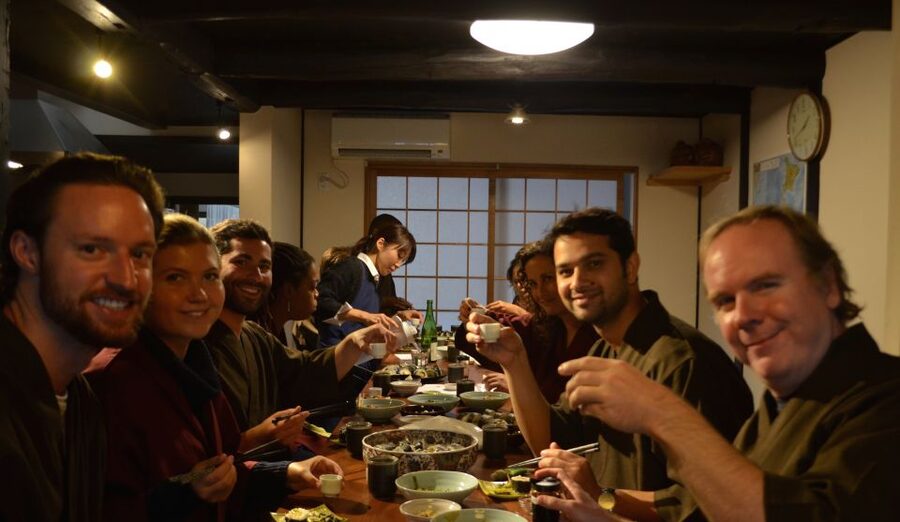
Once the first two or three dishes are ready, you sit down and eat them. The meal is part of the lesson. You can taste the result while asking questions about texture, seasoning, and how the food is served in Japan.
The shared table also gives the afternoon a social rhythm. You are not rushing from one cooking station to another without a pause. You cook, eat, chat, and then head back to the kitchen.
Second round: more dishes without losing the fun
After eating the first set, you return to the kitchen for another two or three dishes. This second round is what makes the class feel substantial for the price. You are not paying $67 for a short demonstration followed by a small sample.
The pace can be brisk, especially when the group prepares six dishes. That is not necessarily a flaw. It keeps the three-hour session moving and gives you more recipes to take home, but you should expect to listen closely and follow instructions as they come.
The class aims to make each step manageable. You are shown what to do, then given the chance to do it yourself. The recipes are described as clear and detailed, which helps if you want to repeat the food later rather than leave Japan with only a pleasant memory.
Some sessions have included okonomiyaki, a savory Japanese pancake. One participant singled it out as the best they had eaten, while other classes included a dessert along with several savory dishes. Since the menu is not fixed in the information provided, do not book expecting one exact list of recipes unless Cooking Sun confirms it for your date.
More cooking classes in Kyoto:
- Ramen Cooking Class at Ramen Factory in Kyoto
★ 5.0 · 1,937 reviews - Kyoto: Ramen Cooking Class at a Ramen Factory with Souvenir
★ 4.9 · 532 reviews - Kyoto: Ramen, Gyoza, and Onigiri Cooking Class
★ 5.0 · 445 reviews - Kyoto: Japanese Washoku Bento Small Group Cooking Class
★ 5.0 · 380 reviews
What you actually learn about Japanese food culture
The class is useful because it explains food in context. Izakaya cooking is linked to casual dining, shared plates, and conversation. You are learning dishes that suit an informal meal, not just practicing a visually impressive dish for a photograph.
You also get a closer look at the ingredients behind familiar Japanese flavors. Dashi, mirin, and other seasonings become working tools instead of labels on a menu. That is especially helpful if you have eaten Japanese food for years but never learned how the flavors are built.
The class does not promise a formal lecture on Kyoto cuisine, and you should not expect a full survey of regional food traditions. Its cultural value comes through the cooking itself, the conversations with the chefs, and the way the food is eaten together.
That approach suits me better than a long talk followed by a token tasting. You learn by chopping, mixing, cooking, and tasting. Even if you are not confident in the kitchen, you leave with a better idea of what Japanese home cooking involves.
The recipes make the $67 price worthwhile
At $67 per person, the cost is reasonable for a three-hour activity that includes instruction, ingredients, equipment, an apron, utensils, and several dishes. You also eat what you prepare, so the class functions as both a meal and a cultural activity.
The strongest value comes after you leave. You receive recipes that can be made again at home, and the instructions are designed for ordinary cooks. If you buy a few Japanese pantry staples later, the class can continue paying off long after your Kyoto visit.
It is not the cheapest way to eat lunch or dinner in Kyoto. If your only goal is a full meal, a local restaurant will likely take less time and may cost less. But a restaurant cannot give you the cooking practice, explanations, and recipe collection included here.
I would see the price as particularly fair for couples, families, and friends who want one shared activity rather than another sightseeing stop. It is also a sensible choice for anyone who cooks regularly and wants to learn several techniques in one sitting.
Who will enjoy it most
This is a good fit for beginners because the instruction is broken into simple steps. You do not need to arrive with Japanese cooking experience, and the class has been suitable for people who rarely cook.
It also works for serious home cooks. One experienced chef with decades in the profession found plenty to learn, which suggests the class is not limited to tourist-level basics. The useful ingredients, broth preparation, and everyday cooking methods give more advanced cooks something to take away.
Families can consider it too. Teenagers have taken part successfully, and the format gives everyone a job. It is more active than a food tour and more social than a standard restaurant meal.
The class may be less suitable if you dislike group activities, want a quiet afternoon, or prefer to focus on one dish in great detail. The two-round format covers a lot, so the experience favors variety and participation over a slow masterclass.
Dietary needs and accessibility
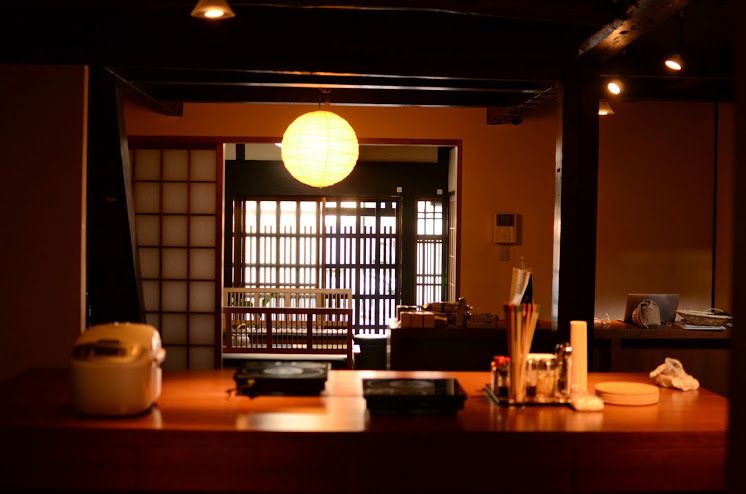
Tell the local supplier about dietary requirements when you book. This is important because the menu uses several prepared ingredients and seasonings, and changes need to be arranged in advance.
Vegetarian adjustments have been possible in at least one session, with separate utensils and pans used where needed. That is encouraging, but you should still state your requirements clearly rather than assume a suitable menu will be ready.
The activity is listed as wheelchair accessible. Since the information does not describe the exact kitchen layout or restroom facilities, contact Cooking Sun directly if you need specific access arrangements.
Timing your afternoon in Kyoto
The class lasts three hours, with starting times dependent on availability. Plan it as a main afternoon activity rather than squeezing it between two distant temple visits.
The indoor setting makes it useful in poor weather or when you need a break from walking. It also gives you a different way to experience Kyoto. After several days of gardens, shrines, and historic streets, sitting down to cook and eat can reset your pace.
Leave room before and after the class. You will need time to reach Funayacho, and the cooking itself is more enjoyable when you are not watching the clock for your next reservation.
Cancellation and booking flexibility
You can cancel up to 24 hours in advance for a full refund. The reserve-now, pay-later option also lets you hold a place without paying immediately, which is useful while your Kyoto schedule is still changing.
English instruction and wheelchair accessibility are listed among the activity details. Dietary requirements must be shared at booking, so include that information early.
Final decision: should you book it?
Book this class if you want hands-on Japanese food culture, several practical recipes, and a friendly three-hour activity that does more than serve you a meal. The clear English instruction, take-home recipes, and chance to learn dashi and izakaya-style dishes make it a strong choice for both beginners and experienced cooks.
I would skip it only if you want a fixed menu confirmed in advance, dislike a fairly active class, or would rather spend the afternoon sightseeing. For most food-minded visitors, the combination of cooking, eating, conversation, and useful recipes makes $67 a sound Kyoto investment.
FAQ
How long does the Kyoto izakaya cooking class last?
The class lasts three hours.
Where does the class meet?
It meets at Cooking Sun, Funayacho, Shimogyo Ward, Kyoto, Kyoto 600-8466.
Is the cooking class taught in English?
Yes. English instruction is provided.
How many dishes will I cook?
The class is divided into two parts, with two or three dishes prepared in each round. Some sessions have included six dishes in total, including dessert, but the exact menu may vary.
Are ingredients and cooking equipment included?
Yes. The booking includes the cooking class, ingredients, apron, and utensils.
Can I cancel for a full refund?
Yes. You can cancel up to 24 hours before the activity for a full refund.
More Workshops in Kyoto
- Kyoto: 45-Minute Tea Ceremony Lesson Experience
★ 4.3 · 2,378 reviews - Kyoto : Chopsticks Making Workshop in Gion with Engraving Option
★ 5.0 · 958 reviews - Kyoto: Samurai Sword Class by Experts in Traditional Arts
★ 4.9 · 657 reviews - Ninja 1-hour Hands-on Lesson by Japanese master in Kyoto -Entry
★ 5.0 · 489 reviews
More Drinks-Led Nights in Kyoto
- Kyoto Night Foodie Tour in Gion (9+ dishes + 6 Sake tastings)
★ 5.0 · 1,762 reviews - 3-Hour Kyoto Insider Sake Brewery Tour with Tastings & Pairings
★ 5.0 · 917 reviews - Arashiyama Bamboo, Temple, Monkeys, or Secret Sake Brewery
★ 4.8 · 886 reviews - Kyoto: Insider Sake Brewery Tour with Sake and Food Pairing
★ 5.0 · 704 reviews
Just added around Kyoto
- Kyoto: Zen Meditation at a Private Temple with a Monk★ 5.0 · 25 reviews
- Kyoto: Gion Geisha District & Sake-in-Hand Walking Tour★ 5.0 · 37 reviews
- Private Pewter Sake Cup Experience with a Kyoto Artisan★ 5.0 · 31 reviews
- Your Private Vacation Photography Session In Kyoto★ 5.0 · 110 reviews
- Kyoto Wagashi(Japanese sweets) Cooking Class near Fushimiinari★ 5.0 · 60 reviews
- Private Guided Traditional Buddhist Cooking in Japan★ 5.0 · 16 reviews
- Traditional Japanese Music show & Experience Tour in Kyoto★ 5.0 · 57 reviews
- Kyoto:Family-Friendly Kimono & Yukata Experience at WARGO★ 5.0 · 147 reviews
Kyoto Tours, compared.
Fushimi Inari, Kinkakuji, Bamboo Grove 1 Day Bus Tour
Read our review →
Tea Ceremony in a Traditional Tea House in Kiyomizu
Read our review →
Kyoto Geisha Walking Tour: Gion District & Hidden Gems
Read our review →

Gion Magical Night Walking Tour with Geisha Trivia
Read our review →

Gion Geisha District Walking Tour – Stories of Geisha
Read our review →Browse the lists this tour appears in