
Reviewed · KYOTO TOURS
Kyoto 2 Hours Genuine Kendo / Samurai Experience In Japan
Kendo turns a Kyoto morning into something more useful than a photo stop. You meet at Hanazono Station, walk less than five minutes to a dojo, put on protective gear, and learn the rules, manners, footwork, and strikes of Japan’s modern sword art. The session also explains how kendo connects the mind, body, and spirit.
I like the clear English instruction, especially for a martial art that can be hard to approach without language help. I also like the practical setup: equipment, water, and a towel are included, and instructor Takahiro Hayashi is described as patient, upbeat, and happy to help with photos and videos.
The main consideration is physical effort. The armor and outfit can get hot, and you need a moderate level of fitness. A two-hour class is manageable for most active people, but this is a real lesson with warm-up work, movement, and practice, not a passive cultural demonstration.
Key points to know before booking
- Meet at Hanazono Station at 10:00 am: The station is on the San-In Line, and the dojo is less than five minutes away on foot.
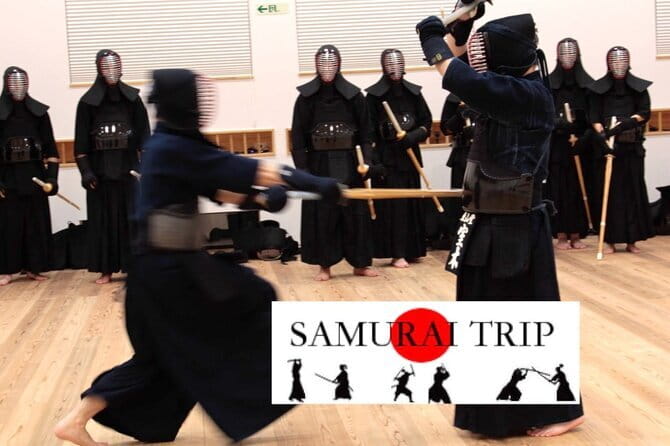
- Learn the full beginner sequence: Expect bowing, terminology, rules, footwork, basic strikes, armor use, and practice with bamboo swords.
- Takahiro Hayashi leads the experience: The teaching team includes a 7th Dan master, and the school has more than 40 years of kendo experience.
- The final practice can include a match: The lesson progresses from drills to striking a dummy and, when suitable, facing another participant or the instructor.
- The class is cultural as well as physical: Kendo teaches etiquette, discipline, and the idea of lifelong practice, not just how to hit a target.
- Plan for heat and sweat: Water is provided, but bring or wear suitable clothing and take advantage of the included towel.
Meeting at Hanazono Station in western Kyoto
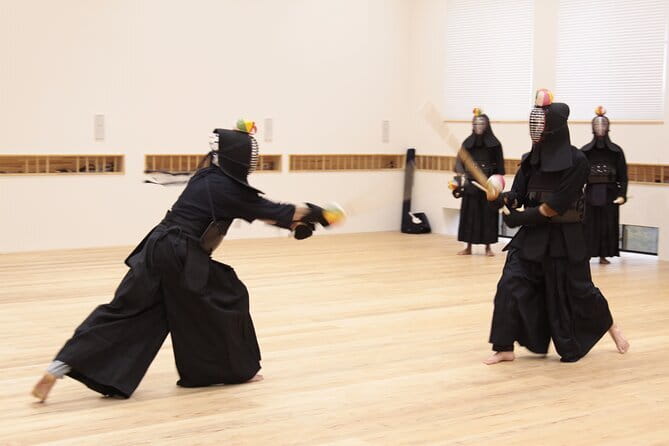
Your morning begins at Hanazono Station at 10:00 am. This is a useful meeting point because the dojo is less than five minutes away, so you do not need to search through a large neighborhood with a shinai, armor bag, or unfamiliar directions. The instructor meets you at the station and walks with you to the training hall.
The station is served by the San-In Line, also known as the Sagano Line in the Kyoto area. That makes this outing fairly simple to add to a Kyoto day, though you should allow enough time to arrive before the start. The experience ends back at the meeting point, with no hotel pickup or drop-off included.
Hanazono is away from the busiest central streets. That can be a plus if you want a break from temples and shopping areas, but it means you need to plan your own transport. The booking is confirmed at the time of reservation, and this experience is often reserved about 44 days ahead, so last-minute availability may not be dependable.
More Samurai and Ninja Experiences in Kyoto
- Kyoto Samurai Experience
★ 5.0 · 1,294 reviews - Kyoto: Kendo and Samurai Experience with Uniform and Gear
★ 4.9 · 815 reviews - Kyoto: Samurai Sword Class by Experts in Traditional Arts
★ 4.9 · 657 reviews
The first lesson: bowing, manners, and kendo’s purpose
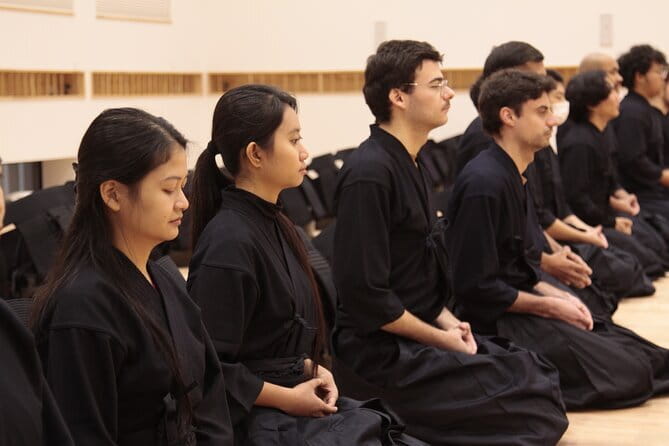
The class begins with more than a quick explanation of sword fighting. Kendo is built around manners, control, and respect. You learn how to bow and why etiquette matters before you start swinging a bamboo sword.
The instructors also introduce basic terms and rules. That early explanation gives you a framework for everything that follows. Without it, kendo can look like a blur of foot stamps, shouted commands, and quick strikes. With it, you can see that each movement has a place and that the ceremony around practice is part of the art.
The school presents kendo through three ideas: unifying the spirit, practicing proper manners, and treating kendo as a lifelong pursuit. You are not expected to absorb all of that in two hours, but it adds meaning to the physical work. The lesson is not simply about pretending to be a samurai.
This cultural focus is one of the strongest reasons to book the class. Kyoto offers plenty of activities that let you put on traditional clothing or watch a performance. Here, you take part in a disciplined practice and learn why the actions look the way they do.
Warm-up, footwork, and the first bamboo sword drills
After the introduction, expect a warm-up before the more active work begins. The progression is sensible for beginners. You start with body movement and footwork, then work toward holding and using the bamboo sword.
Footwork is a key part of kendo, and it may feel less familiar than ordinary walking or sport drills. You need to coordinate your stance, movement, balance, and timing. The instructor breaks the process into small parts, which helps keep the class approachable for people who have never studied martial arts.
The next stage uses the bamboo sword, known as a shinai. You learn basic handling and fundamental techniques under supervision. The goal is not to turn you into a skilled fighter in one morning. It is to give you enough structure to understand what you are doing and enough practice to feel the rhythm of the art.
The equipment is included, which makes the experience easier for a first visit. You do not need to buy or bring a sword, armor, or protective gear. That is important when you are already carrying luggage or moving between several Kyoto activities.
Wearing armor and learning to strike safely
One of the memorable parts of the class is learning how the armor fits into kendo practice. The protective equipment changes the feel of the lesson. It also makes the art more understandable, since you begin to see where strikes are aimed and why correct technique matters.
The instructor teaches safe practice rather than rushing you into hard contact. You work through the basic rules and learn how the armor is used. The protective gear can feel warm, especially during active drills, so this is the point where the included water and towel become practical rather than decorative extras.
The outfit and movement require a moderate level of fitness. You do not need advanced martial arts experience, and the class is designed as an entry point. Still, expect to move, sweat, and concentrate. If you have an injury or a serious health concern, this may not be the right activity.
The teaching style is another strength. Takahiro Hayashi is identified as one of the instructors, and the teachers have substantial experience, including a 7th Dan master and more than 40 years of kendo history at the school. That background matters because beginners need patient correction and clear demonstrations, not just fast instructions.
More samurai and ninja sessions in Kyoto:
- Skip the lines Basic Ticket at SAMURAI NINJA MUSEUM KYOTO
★ 4.5 · 632 reviews - Ninja 1-hour Hands-on Lesson by Japanese master in Kyoto -Entry
★ 5.0 · 489 reviews - Kyoto: Ninja Weapon Forging Experience
★ 4.8 · 478 reviews - Kyoto: Samurai Kenbu Traditional Sword Dancing Show
★ 4.5 · 426 reviews
From a practice dummy to a friendly match
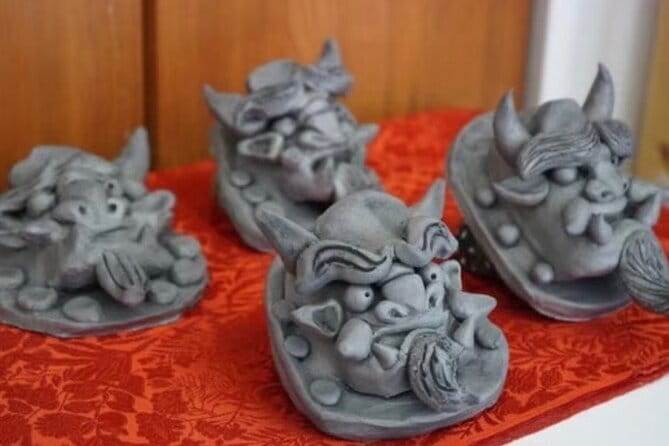
The lesson builds toward more active practice. You may work on a dummy first, using the footwork and strikes introduced earlier. This stage gives you a target without the pressure of facing another person, and it helps you understand distance and timing.
If the group and instructor consider it suitable, the session can progress to a match. This was described as a particularly fun part of the experience, with some participants facing each other or even practicing against the instructor. The match gives the preceding drills a purpose, but you should see it as a guided beginner exercise rather than a serious competition.
The class size can reach 30 people, so the amount of individual practice may vary. At the same time, some sessions have had only a few participants. A smaller group could mean more chances to practice directly with the instructor, while a fuller class may feel more like a group workshop.
Do not expect a polished stage show. The appeal is the chance to try the movements yourself, make a few mistakes, and understand the discipline from inside the practice space. If you want a safe, structured introduction rather than a performance, that is a good trade.
Why the cultural lesson adds real value
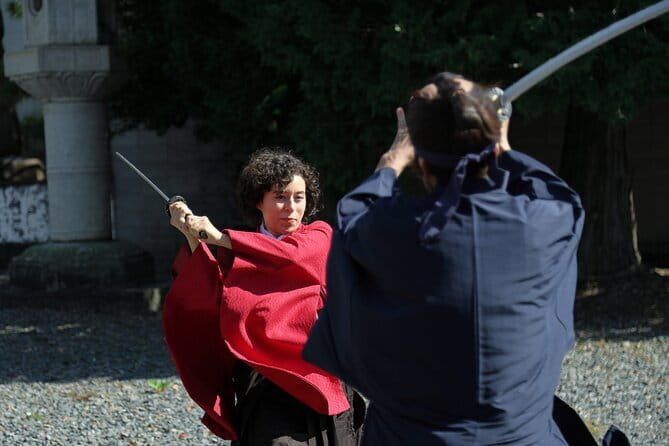
Kendo has a competitive side, but the class does not stop there. You learn that the practice includes mind, skill, and body. The etiquette, bowing, vocabulary, and rules are treated as essential parts of the art.
That makes the experience a good match for a first visit to Japan. You get a physical activity, but you also gain a better sense of how traditional martial arts are taught. The instructor’s English ability is especially useful here. Technical movements are hard enough without trying to decode every explanation.
I also like that the session does not require you to arrive with martial arts knowledge. You can be completely new to kendo and still follow the progression. The instructors guide the class in a safe and friendly way, and the experience is designed for adults and families who want to try something active together.
For children, the available information does not give a minimum age, so you should confirm suitability before booking. The moderate fitness requirement is the clearest guide provided.
What the $118.89 price includes
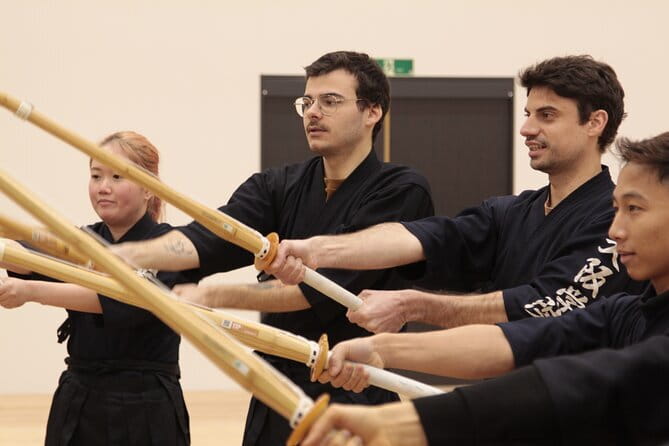
At $118.89 per person, this is not a low-cost two-hour activity. The value depends on what you want from your Kyoto schedule.
The price covers all kendo equipment, a towel, and bottled water. You also receive instruction from experienced teachers, access to the dojo, and a structured introduction that moves from etiquette and rules to practice and possibly a match. Since you do not need to rent or purchase gear separately, the included equipment removes a practical barrier.
For someone who only wants to swing a bamboo sword for a few minutes, the cost may feel high. For someone looking for a serious cultural activity with English guidance, protective equipment, and hands-on instruction, the price is easier to justify.
The two-hour duration is long enough to provide a real progression without taking up a whole day. You can still visit other parts of Kyoto afterward. Food is not included, and neither is transport, so budget separately for your train fare and whatever you eat before or after the class.
What to wear and how to prepare
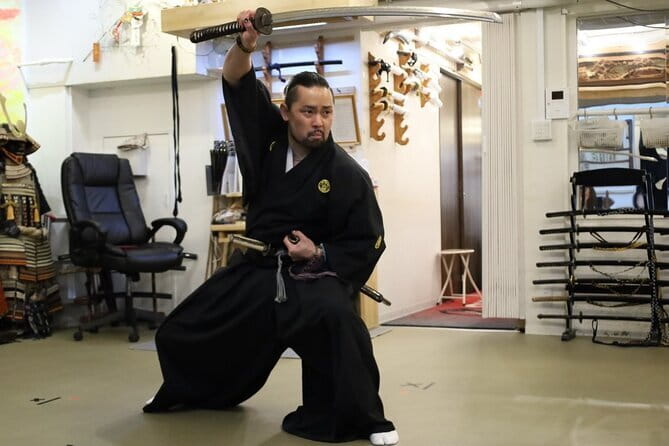
Wear clothing that allows movement. The activity requires footwork, warm-up exercises, and practice in protective gear, so restrictive clothing would be a poor choice. The supplied information does not set out a detailed dress code, so confirm any special clothing requirements before arrival if needed.
Plan for heat. The outfit can get hot, and one participant specifically found a towel useful. A bottle of water is provided, but you may prefer to arrive hydrated, especially in Kyoto’s warmer months.
Have breakfast or a light meal before the start if that fits your routine. Food is not included, and active practice on an empty stomach may not suit everyone. You should also allow time to reach Hanazono Station without rushing, since the class begins at a fixed time.
Bring a phone if you want photos or videos. Instructor Hayashi has helped participants capture photos and videos during the experience, but the class remains the priority. Ask before filming during practice so you do not interrupt instruction or another person’s turn.
Who will get the most from this Kyoto activity
I would recommend this to you if you want to do more than look at old weapons in a museum. It suits people who enjoy learning by doing, families seeking a shared activity, and anyone curious about Japanese martial arts beyond movie scenes.
It is also a smart choice if you worry about language barriers. The instructors have experience teaching in English and explain concepts in a way beginners can follow. That can make a major difference with technical movements and etiquette.
The experience is less suitable if you want a relaxed, seated cultural presentation. You will need to move and concentrate, and the armor can be warm. It may also disappoint you if you expect a long samurai show or advanced combat training. This is a beginner lesson focused on fundamentals.
The maximum group size of 30 is worth noting. If you strongly prefer private instruction, this may not meet your expectations. If the group happens to be small, you may have more direct time with the instructor, but that should not be assumed.
Cancellation and practical booking notes
You can cancel for a full refund up to 24 hours before the 10:00 am start time. Changes or cancellations made less than 24 hours before the activity are not accepted for a refund, and the cut-off uses Kyoto local time.
The experience is near public transport and uses a mobile ticket. It begins and ends at Hanazono Station, with no hotel transfers. Since it is often booked well ahead, reserving early makes sense if this is an important part of your Kyoto plan.
Should you book the kendo experience?
Book it if you want an active, hands-on introduction to Japanese culture and appreciate patient English guidance. The combination of bowing, etiquette, armor, bamboo-sword practice, and a possible match gives you more substance than a quick photo opportunity.
Skip it if you dislike exercise, heat, or structured instruction. At $118.89, the class needs to feel like a meaningful activity, not a novelty. For the right person, the chance to train in a Kyoto dojo with experienced teachers, including Takahiro Hayashi, makes the cost worthwhile. Just arrive ready to move, bring comfortable clothing, and remember that kendo begins with manners before it reaches the sword.
FAQ
Where does the kendo experience begin?
It begins at Hanazono Station, Hanazonoteranouchicho, Ukyo Ward, Kyoto, Japan.
What time does the class start?
The class starts at 10:00 am.
How long does the experience last?
The activity lasts approximately two hours.
Does the experience include kendo equipment?
Yes. All kendo equipment is included in the price.
Is water provided?
Yes. A bottle of water is included.
Is a towel included?
Yes. You receive a free kendo towel. A towel is useful because the outfit and activity can become hot.
Is hotel pickup or drop-off included?
No. You must make your own way to Hanazono Station, and hotel transfers are not included.
What level of fitness do I need?
You should have a moderate level of physical fitness. The class includes warm-up exercises, footwork, movement, and practice in protective equipment.
What is the cancellation policy?
You can cancel up to 24 hours before the start time for a full refund. Cancellations or changes made less than 24 hours before the start time are not accepted for a refund.
More 2-Hour Experiences in Kyoto
- Kyoto Gion: 2-Hour Geisha Culture & History Walking Tour
★ 5.0 · 1,186 reviews - Ninja 2-hour Hands-on Lesson by Japanese master in Kyoto -Medium
★ 5.0 · 218 reviews - Kyoto: 2-Hour Maiko Makeover and Photo Studio Shoot
★ 4.7 · 122 reviews - 2 Hour Night Walking Tour Throughout Gion with snack
★ 4.0 · 13 reviews
Just added around Kyoto
- Kyoto: Zen Meditation at a Private Temple with a Monk★ 5.0 · 25 reviews
- Kyoto: Gion Geisha District & Sake-in-Hand Walking Tour★ 5.0 · 37 reviews
- Private Pewter Sake Cup Experience with a Kyoto Artisan★ 5.0 · 31 reviews
- Your Private Vacation Photography Session In Kyoto★ 5.0 · 110 reviews
- Private Guided Traditional Buddhist Cooking in Japan★ 5.0 · 16 reviews
- Kyoto Wagashi(Japanese sweets) Cooking Class near Fushimiinari★ 5.0 · 60 reviews
- Traditional Japanese Music show & Experience Tour in Kyoto★ 5.0 · 57 reviews
- Kyoto:Family-Friendly Kimono & Yukata Experience at WARGO★ 5.0 · 147 reviews
Kyoto Tours, compared.


Fushimi Inari, Kinkakuji, Bamboo Grove 1 Day Bus Tour
Read our review →
Tea Ceremony in a Traditional Tea House in Kiyomizu
Read our review →
Kyoto Geisha Walking Tour: Gion District & Hidden Gems
Read our review →

Gion Magical Night Walking Tour with Geisha Trivia
Read our review →

Gion Geisha District Walking Tour – Stories of Geisha
Read our review →Browse the lists this tour appears in