
Reviewed · KYOTO TOURS
Private Kyoto Market Tour and Authentic Cooking Class with Aki
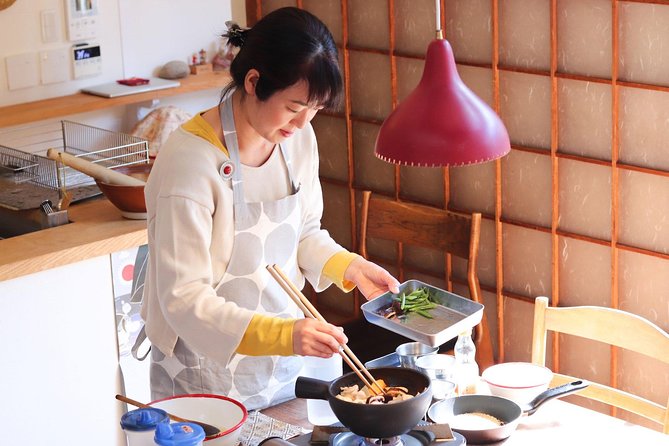
Kyoto’s best food lesson may begin with a market stroll rather than a classroom. With Aki, you spend about 45 minutes at Demachiyanagi Shoutengai, choosing vegetables and Japanese ingredients before taking a short bus ride to her home kitchen to cook with them. It is a direct look at how food moves from neighborhood shop to home table.
I like the private format, since Aki can adjust her pace and explain unfamiliar foods without rushing. I also like the market-to-kitchen link: you do not simply follow a recipe, you learn how to select ingredients and then see how they are used.
The main consideration is timing. The experience starts at 10:30 a.m., lasts about four hours, and ends back at the meeting point. You must also make your own way to Demachi Futaba, and the booking is non-refundable, so this is best for a day you can keep firm.
Key points to know before booking
- A real neighborhood market: Demachiyanagi Shoutengai offers everyday Japanese ingredients and regional produce, not just a staged food display.
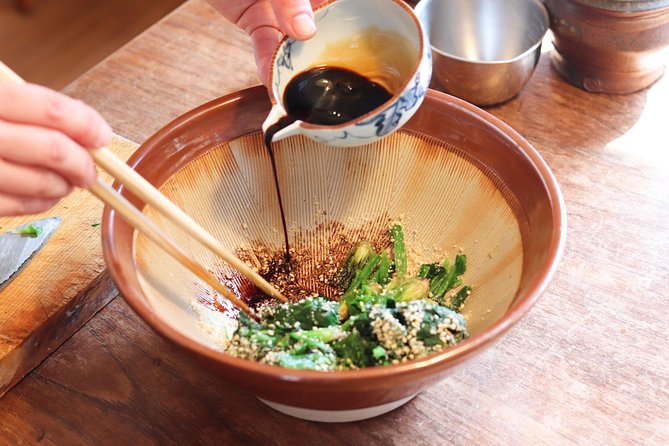
- Aki’s home kitchen: You cook in a private Kyoto home and see how a local meal comes together.
- Market ingredients become lunch: The vegetables and other items selected during the walk are used in the class.
- A short bus connection: The ride from the market to Aki’s home takes about 10 minutes, or four bus stops.
- Good for all cooking levels: Aki provides recipes in English and guides beginners as well as experienced cooks.
- Small-group attention: Only your own party takes part, making it easier to ask questions and request dietary adjustments.
Starting at Demachi Futaba in Kyoto
Your morning begins at Demachi Futaba, at 236 Seiryūchō in Kyoto’s Kamigyo Ward. The meeting time is 10:30 a.m., so plan your route carefully and arrive ready to walk. Hotel pickup and drop-off are not included.
The first part takes place in Demachiyanagi Shoutengai, a local shopping street and market area. You spend roughly 45 minutes with Aki, looking at basic Japanese cooking ingredients, seasonal vegetables, and higher-quality regional produce. This is useful even if you already know your way around a kitchen, because shopping habits often reveal more about daily life than a restaurant meal does.
Aki helps you select the items that will later appear in your cooking lesson. That gives the market walk a clear purpose. You are not simply looking at unfamiliar foods and trying to remember their names. You can ask what an ingredient is used for, how it should look when fresh, and how it fits into a Japanese home meal.
The market is also a good change of pace from Kyoto’s major sights. You are not being led through a famous temple or packed sightseeing district. Instead, the focus is on ordinary shopping, local produce, and the small shops along a neighborhood street. For me, that is one of the strongest reasons to choose this experience.
More cooking classes in Kyoto:
- Ramen Cooking Class at Ramen Factory in Kyoto
★ 5.0 · 1,937 reviews - Kyoto: Ramen Cooking Class at a Ramen Factory with Souvenir
★ 4.9 · 532 reviews - Kyoto: Ramen, Gyoza, and Onigiri Cooking Class
★ 5.0 · 445 reviews
What the 45-minute market walk adds
A cooking class can teach you how to chop, season, and assemble a dish. The market visit adds the part many classes skip: how to choose what to cook in the first place.
You might see familiar vegetables beside ingredients you have never handled. Aki can explain the difference between everyday items and more regional produce, then help you decide what belongs in the meal. Since the menu changes with the season, the class should not feel locked into one fixed set of dishes.
That seasonal approach is practical. Japanese food often depends on freshness and balance rather than a long list of heavy sauces. Learning what is available at a local market gives you a better chance of repeating the meal at home with ingredients you can find.
The 45-minute length is also sensible. It is long enough to provide context but short enough to leave plenty of time for cooking and eating. Do not expect a full market food crawl, though. This is a shopping lesson tied to lunch, not an extended tasting tour.
Taking the bus to Aki’s home
After the market, you take a local bus to Aki’s home. The ride takes about 10 minutes and covers four stops. This transfer is simple, but it is worth allowing for the change in setting. You leave the public market and move into the more personal part of the experience.
There is no hotel transportation, and the tour ends back at the meeting point. The provided details do not state the exact return travel arrangement, so ask Aki or the operator if you need to plan a tight connection afterward.
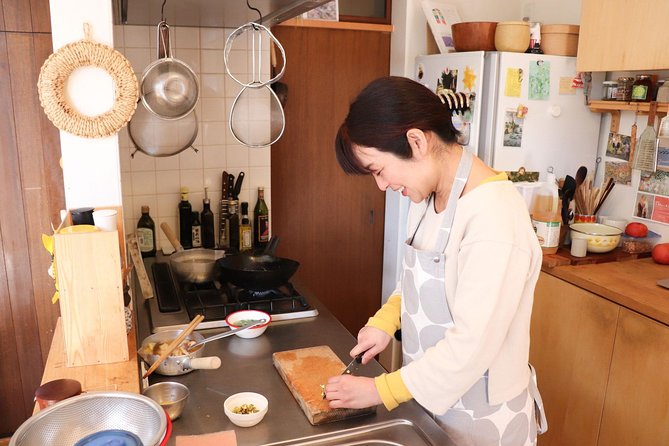
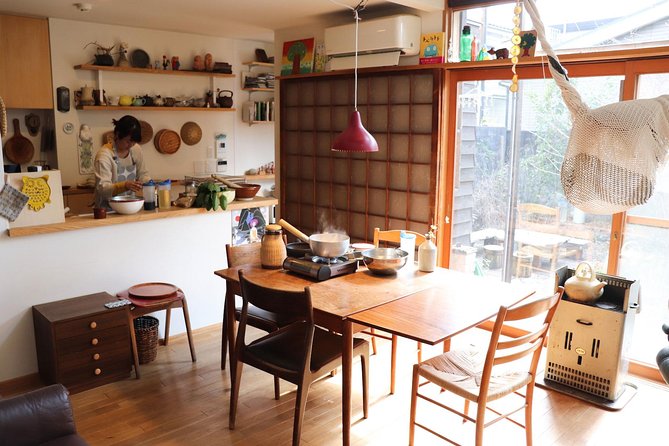
The short ride matters because the class is not held in a commercial cooking studio. You are going into Aki’s home kitchen. That gives the experience a more personal feel and lets you see how the meal is prepared in a real domestic setting.
Keep in mind that a private home is different from a purpose-built school. The appeal is the home setting and personal attention, not a polished classroom with rows of identical workstations. If you like the idea of seeing how locals live and dine, this is a plus. If you prefer a formal culinary school, you may find the setting less familiar.
Cooking Japanese dishes with Aki
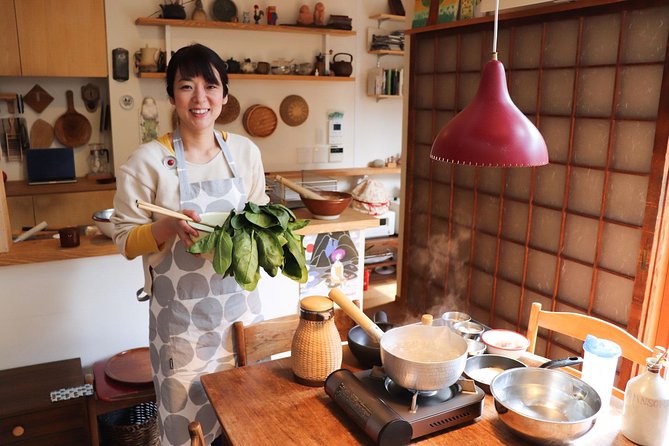
The cooking portion lasts about an hour. Aki gives you recipes in English, explains the steps, and guides you through the work in her kitchen. You help prepare the meal rather than watching a demonstration from the side.
That arrangement works well for beginners. You can ask about basic techniques, seasoning, and unfamiliar ingredients as they come up. Experienced cooks should also find value in the small tips around familiar dishes, including guidance for making miso soup.
The description points to dishes that may not commonly appear on restaurant menus. That is an important distinction. Restaurant cooking often shows you the polished, public face of a cuisine. A home meal can reveal simpler combinations and everyday methods that are easier to repeat in your own kitchen.
The recipes in English make the experience useful after your trip. You are not relying only on memory or photographs. You leave with written instructions that can help you recreate at least some of the meal at home.
The class is private, so your group gets Aki’s full attention. That is especially helpful if someone in your party is new to Japanese cooking, wants to ask many questions, or needs a slower pace. It also lets Aki take account of preferences and dietary restrictions when those are shared at booking.
More market mornings in Kyoto:
- Nishiki Market Brunch Walking Tour (7 Tastings + Brunch)
★ 5.0 · 1,355 reviews - Kyoto Nishiki Market Food and Culture Walking Tour
★ 5.0 · 412 reviews - Kyoto: Nishiki Market Tea Ceremony with Koto Performance
★ 4.8 · 294 reviews - Kyoto: Nishiki Market Brunch Walking Tour-7 Tastings+Brunch
★ 4.8 · 197 reviews
Sitting down to the meal you prepared
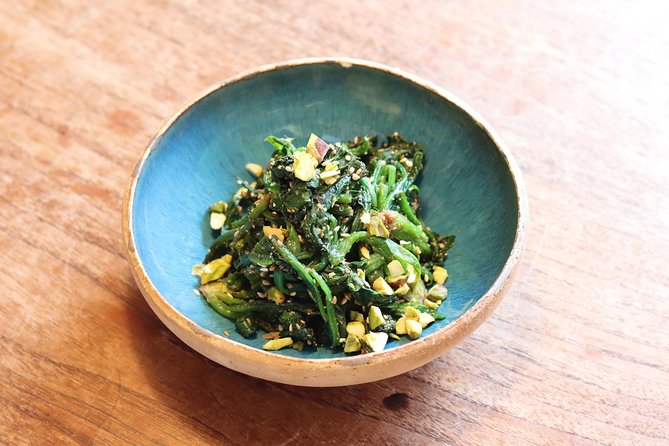
After about an hour of cooking, you sit down and eat what you helped make. The meal is the payoff, but it is not the only point. Eating together gives you time to talk with Aki about Japanese food, home life, and the ingredients you just handled.
A home-cooked meal also lets you notice how the dishes work together. You are not sampling one isolated plate in a restaurant. You are seeing a group of foods prepared for the same table, with the balance and rhythm of a Japanese meal.
Non-alcoholic beverages are included. The experience information also describes one or two glasses of local alcohol as included, so mention your preference when booking if you do not drink. The meal and drinks help make the $119 price easier to assess, especially since the experience occupies half a day and includes both instruction and a private host.
Still, value depends on your interests. If you only want to eat, a restaurant meal will cost less and take less time. If you want to shop, cook, learn recipes, and share a meal in a private home, the price covers several connected parts rather than one service.
Why the private format matters
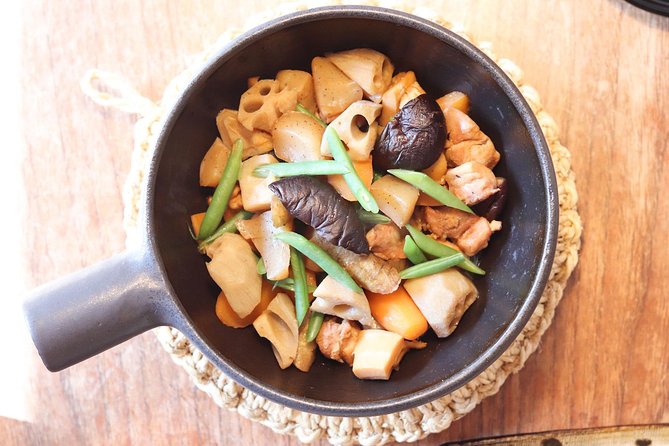
Private does not merely mean fewer people. It changes the tone of the class. You can stop at the market when something catches your eye, ask why one ingredient is preferable to another, and request help with a technique without worrying about holding up a large group.
It is also a good choice for families and friends who want to spend time together. One especially warm account described a daughter remembering Aki’s kind presence long after the experience. That suggests the class can work as a shared family memory, not just a lesson for the person who does most of the cooking at home.
Aki’s role is central. The experience is built around her home, her recipes, her market guidance, and her way of explaining Japanese food. The strongest praise focuses on her warmth, preparation, and ease in the kitchen. You should book this because you want that personal connection, not because you are looking for a famous chef or an advanced professional course.
The private format may be less useful for someone who prefers a lively group atmosphere. There is no larger class to meet new people, and the social energy comes mainly from your own party and Aki.
Seasonal menus and dietary requests
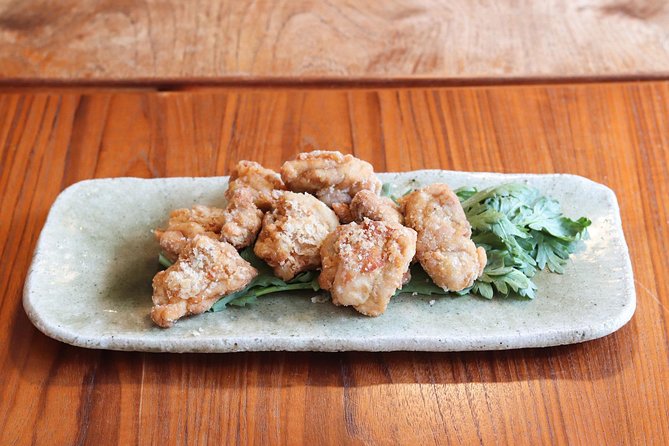
The menu can change with the season. That is a benefit for anyone who wants food connected to what is available in Kyoto at the time of year, but it means you should not book with one exact dish in mind unless Aki confirms it.
Vegetarian food is available when requested in advance. You should also advise the operator at booking about allergies, dietary restrictions, or cooking preferences. This is not the place to wait until the first ingredient is on the cutting board. Early notice gives Aki a chance to plan the market choices and recipes.
The supplied information does not promise every possible dietary adaptation, so be specific. State what you cannot eat and what you are comfortable eating. If alcohol is not suitable for you, mention that too.
Who will get the most from this class
I would choose this experience if you:
- Want a personal introduction to Japanese food beyond restaurant ordering
- Enjoy learning by handling ingredients and cooking yourself
- Like neighborhood markets more than polished tourist attractions
- Are a beginner who wants patient guidance
- Already cook and want practical ideas for Japanese home dishes
- Want a family or couple activity with a meal at the end
- Prefer a private experience to a large group class
You may want another option if you need hotel pickup, want a full-day food tour, or prefer a professional studio. The market section is about 45 minutes, the bus connection is short, and the cooking portion is about an hour. The rest of the four hours includes the meal and conversation, so this is a relaxed food experience rather than an intensive chef-training session.
Price, timing, and booking details
The cost is $119 per person. That includes the private market tour, cooking class, home-cooked Japanese meal, and non-alcoholic drinks. The description also includes one or two glasses of local alcohol.
At four hours, the price is reasonable for a private experience with a personal host, ingredients, instruction, and lunch. You are paying for access to a local home setting and one-on-one attention, not simply for a plate of food. The value is strongest when you use the market walk and recipes as part of the learning experience.
Confirmation is sent within 48 hours of booking, subject to availability. The tour is often reserved well ahead of time, with an average booking lead time of about 97 days, so do not leave this until the last morning of your Kyoto stay.
The experience is non-refundable and cannot be changed for any reason. Because of that strict condition, confirm your date, party size, dietary needs, and meeting point before paying.
Should you book Aki’s Kyoto cooking class?
Book it if you want to spend half a day learning how a Japanese meal comes together from market shopping to the home table. The best parts are the neighborhood setting, the private attention from Aki, the seasonal ingredients, and the chance to eat food you helped prepare.
I would especially recommend it for first-time visitors who want a personal Kyoto encounter, families seeking a shared activity, and home cooks who will actually use the English recipes afterward. Skip it if you want a large social class, hotel transportation, or a guaranteed menu of specific dishes.
For most people who value food, conversation, and a look at everyday Kyoto, this is a strong use of four hours. Just plan the meeting point carefully, give advance notice about dietary needs, and treat the booking as firm.
FAQ
Where does the Kyoto cooking experience begin?
It begins at Demachi Futaba, 236 Seiryūchō, Kamigyo Ward, Kyoto, 602-0822, Japan.
What time does the tour start?
The start time is 10:30 a.m.
How long does the experience last?
The experience lasts approximately four hours.
What market will I visit?
You will explore Demachiyanagi Shoutengai, a local neighborhood street market with basic Japanese ingredients and regional produce.
How long is the market visit?
The market portion lasts about 45 minutes.
How do I get from the market to Aki’s home?
You take a bus from the market to Aki’s home. The ride takes about 10 minutes and covers four bus stops.
Is the cooking class private?
Yes. Only your group participates in the private tour and cooking class.
Is a vegetarian menu available?
Yes, a vegetarian option is available. You must request it at the time of booking, along with any allergies, dietary restrictions, or cooking preferences.
More Workshops in Kyoto
- Kyoto: 45-Minute Tea Ceremony Lesson Experience
★ 4.3 · 2,378 reviews - Kyoto : Chopsticks Making Workshop in Gion with Engraving Option
★ 5.0 · 958 reviews - Kyoto: Samurai Sword Class by Experts in Traditional Arts
★ 4.9 · 657 reviews - Ninja 1-hour Hands-on Lesson by Japanese master in Kyoto -Entry
★ 5.0 · 489 reviews
More Shopping in Kyoto
- Kyoto: Local Food Tasting Tour at the Nishiki Market
★ 4.7 · 135 reviews - Kyoto: Nishiki Market and Depachika Food Tour with a Local
★ 4.7 · 76 reviews - Kyoto: Nishiki Market Tour with a Local Foodie & Tastings
★ 4.5 · 67 reviews - Nishiki Market Lunch Tour
★ 5.0 · 47 reviews
Just added around Kyoto
- Kyoto: Zen Meditation at a Private Temple with a Monk★ 5.0 · 25 reviews
- Private Pewter Sake Cup Experience with a Kyoto Artisan★ 5.0 · 31 reviews
- Your Private Vacation Photography Session In Kyoto★ 5.0 · 110 reviews
- Kyoto: Gion Geisha District & Sake-in-Hand Walking Tour★ 5.0 · 37 reviews
- Private Guided Traditional Buddhist Cooking in Japan★ 5.0 · 16 reviews
- Kyoto Wagashi(Japanese sweets) Cooking Class near Fushimiinari★ 5.0 · 60 reviews
- Traditional Japanese Music show & Experience Tour in Kyoto★ 5.0 · 57 reviews
- Kyoto:Family-Friendly Kimono & Yukata Experience at WARGO★ 5.0 · 147 reviews
Kyoto Tours, compared.


Fushimi Inari, Kinkakuji, Bamboo Grove 1 Day Bus Tour
Read our review →
Tea Ceremony in a Traditional Tea House in Kiyomizu
Read our review →
Kyoto Geisha Walking Tour: Gion District & Hidden Gems
Read our review →

Gion Magical Night Walking Tour with Geisha Trivia
Read our review →

Gion Geisha District Walking Tour – Stories of Geisha
Read our review →Browse the lists this tour appears in